Raised Garden Bed Ideas for Comfortable Outdoor Spaces

Raised garden beds have been part of home landscapes for centuries, long before modern backyards and suburban plots existed. They were used out of necessity, built to improve soil quality, manage water, and make food production easier on the body. Today, they continue to serve the same purpose, even as lifestyles and spaces have changed.
A raised bed is not just a gardening feature. It is a deliberate way of shaping land so it works with people instead of against them. When planned properly, it simplifies planting, improves yields, and brings order to outdoor spaces of any size.
They also introduce clarity to a garden. Defined edges create visual calm, making even small or busy yards feel intentional rather than overgrown.
Modern Raised Garden Bed Approaches
Modern raised garden beds rely on clean geometry and restraint rather than ornament. Straight lines, consistent heights, and minimal materials help these beds integrate seamlessly into contemporary outdoor spaces.

Common materials include steel, smooth concrete, or finely finished wood. These materials weather predictably and maintain their shape over time. A frequent mistake is choosing finishes that look striking at first but degrade quickly outdoors.
Lighting plays a subtle role here. Low-profile path lights or soft edge lighting can define the beds at night without overpowering the space, keeping the garden usable beyond daylight hours.
Budget-Friendly Raised Garden Bed Solutions
Raised garden beds do not require large investments to function well. Budget-friendly approaches focus on smart material choices and simplified construction rather than shortcuts.

Proportion matters even on a budget. Beds that are too tall waste materials, while beds that are too shallow restrict root growth. A balanced height improves both usability and plant health.
A common error is skipping proper soil preparation to save money. Investing in good soil and drainage always pays off more than decorative finishes.
DIY-Focused Raised Garden Bed Builds
Do-it-yourself raised garden beds offer flexibility and personal control, especially for homeowners who enjoy hands-on projects. These beds are often built to fit awkward spaces where standard sizes fail.
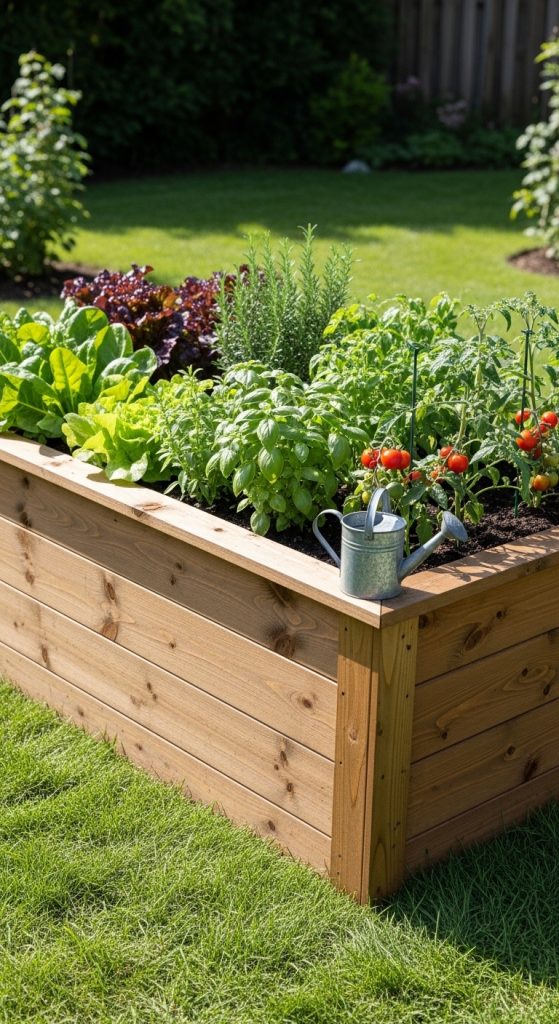
Materials should be chosen for ease of assembly and long-term durability. Screwed joints, reinforced corners, and level foundations extend the life of DIY builds significantly.
The most common DIY mistake is underestimating outdoor wear. Proper sealing, drainage gaps, and ground barriers help prevent early rot and shifting.
Warm and Inviting Raised Garden Bed Styles
Warm garden spaces prioritize comfort and visual softness. Raised beds in these settings often feature natural wood tones, gentle curves, or layered planting that blends into the surrounding landscape.

Materials such as cedar or reclaimed wood age gracefully and complement planting textures. Overly polished finishes can feel out of place in relaxed gardens.
Lighting should be subtle and warm, avoiding harsh fixtures. The goal is to make the garden feel welcoming rather than staged.
Minimal and Clean Raised Garden Bed Layouts
Minimal raised garden beds focus on clarity and restraint. Fewer beds, thoughtfully placed, often outperform crowded layouts both visually and functionally.
Materials are kept consistent to reduce visual noise. Repeating the same bed height and finish across the garden creates unity and calm.
A common mistake is stripping too much character away. Even minimal gardens benefit from variation in plant height and texture to avoid feeling sterile.
Functional Everyday Raised Garden Bed Planning
Everyday garden use demands practicality above all else. Raised beds designed for frequent harvesting and maintenance must prioritize access, comfort, and efficiency.

Durable materials matter more here than appearance. Beds exposed to constant use should resist moisture, soil pressure, and seasonal movement.
Lighting becomes a functional tool rather than a decorative one, allowing early morning or evening access without disrupting the rest of the yard.
Small-Space Optimized Raised Garden Beds
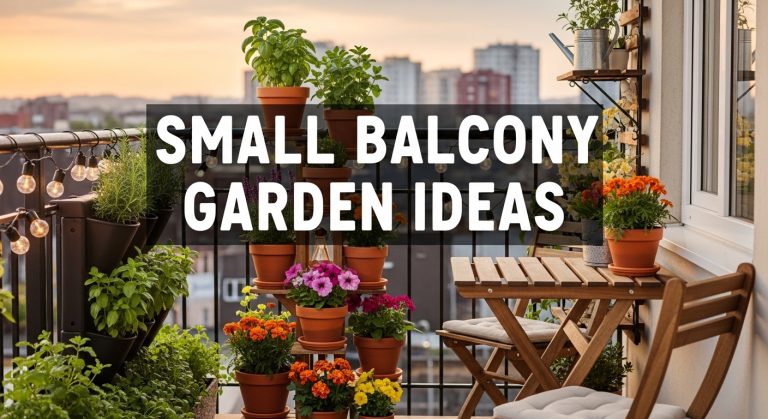
Small yards, balconies, and courtyards benefit greatly from raised garden beds when scale is handled carefully. Compact spaces demand precision rather than abundance.

Light exposure must be assessed honestly. Many small spaces suffer from partial shade, requiring thoughtful plant selection and bed positioning.
A frequent error is overcrowding. Too many beds reduce airflow and accessibility, making the space feel cramped and difficult to maintain.
Family-Friendly Raised Garden Bed Concepts
Gardens shared with children or multiple household members need durability and safety. Raised beds in these environments should have smooth edges and stable construction.

Materials should be splinter-free and non-toxic. Treated woods and sharp metal edges should be avoided where frequent contact is expected.
Clear pathways and defined zones prevent accidental damage and help teach respect for planted areas.
Stylish Rental-Friendly Raised Garden Bed Options
Renters often assume gardening is out of reach, but raised beds offer flexible solutions that do not alter the property permanently.
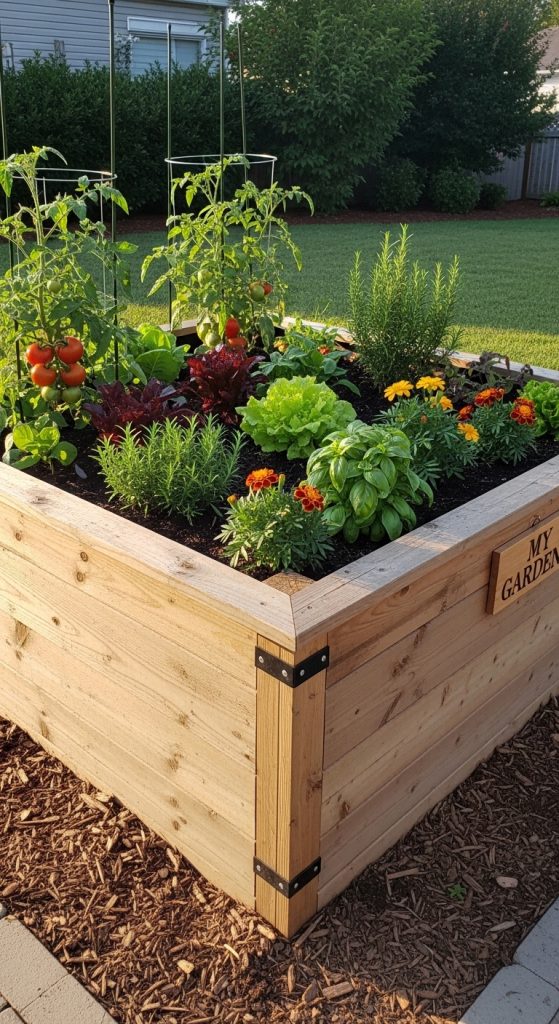
Scale is important. Oversized beds can overwhelm temporary spaces and become impractical to move later.
Mistakes often come from ignoring drainage. Portable beds still require proper water flow to avoid damage to surfaces beneath them.
Timeless and Classic Raised Garden Bed Designs
Classic raised garden beds rely on proven proportions and materials rather than decorative statements. These beds look appropriate in both traditional and modern settings.

Materials like stone, brick, or well-finished wood age predictably and develop character over time rather than appearing outdated.
Overcomplication is the main pitfall. Classic gardens succeed through consistency and restraint, not excessive detailing.
Personalized Character-Driven Raised Garden Beds
Some of the most successful raised garden beds reflect the personalities and routines of their owners. These beds evolve with use rather than remaining static features.
Mixing materials thoughtfully can add character without chaos. The key is limiting variation to one or two elements rather than many.
Lighting, seating, and storage can be integrated subtly to support daily habits, turning the garden into a lived-in space rather than a display.
Practical Material Comparison for Raised Garden Beds
| Material | Durability | Maintenance | Cost Range | Best Use |
|---|---|---|---|---|
| Cedar wood | High | Low | Medium | General-purpose beds |
| Untreated pine | Medium | Medium | Low | Short-term or budget builds |
| Steel | Very high | Very low | Medium–High | Modern, permanent layouts |
| Concrete block | Very high | Low | Low–Medium | Structural, long-term gardens |
| Stone | Extremely high | Very low | High | Timeless, permanent landscapes |
Choosing materials should reflect climate, budget, and intended lifespan rather than appearance alone.
Cost Versus Longevity Considerations
| Budget Level | Typical Lifespan | Recommended Approach |
|---|---|---|
| Low | 3–5 years | Focus on soil quality and modular builds |
| Medium | 7–15 years | Invest in durable wood or steel |
| High | 20+ years | Permanent masonry or custom systems |
Spending more upfront often reduces replacement and maintenance costs over time, especially for frequently used beds.
Common Mistakes to Avoid Across All Raised Garden Beds
• Ignoring drainage and water flow
• Choosing height without considering reach and comfort
• Overcrowding beds in limited spaces
• Prioritizing appearance over soil quality
• Using materials unsuitable for outdoor exposure
Avoiding these issues improves both plant health and long-term usability.
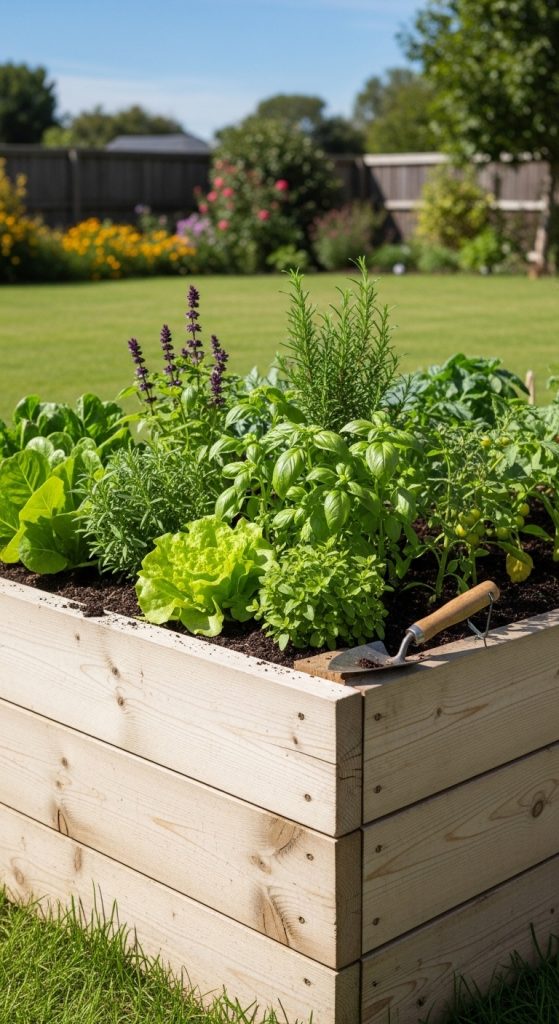
Whether the goal is food production, visual order, or everyday enjoyment, raised beds provide a flexible framework that adapts over time. Their value lies not in trends, but in their ability to quietly support better living, season after season.