
Small Balcony Garden Ideas for green living
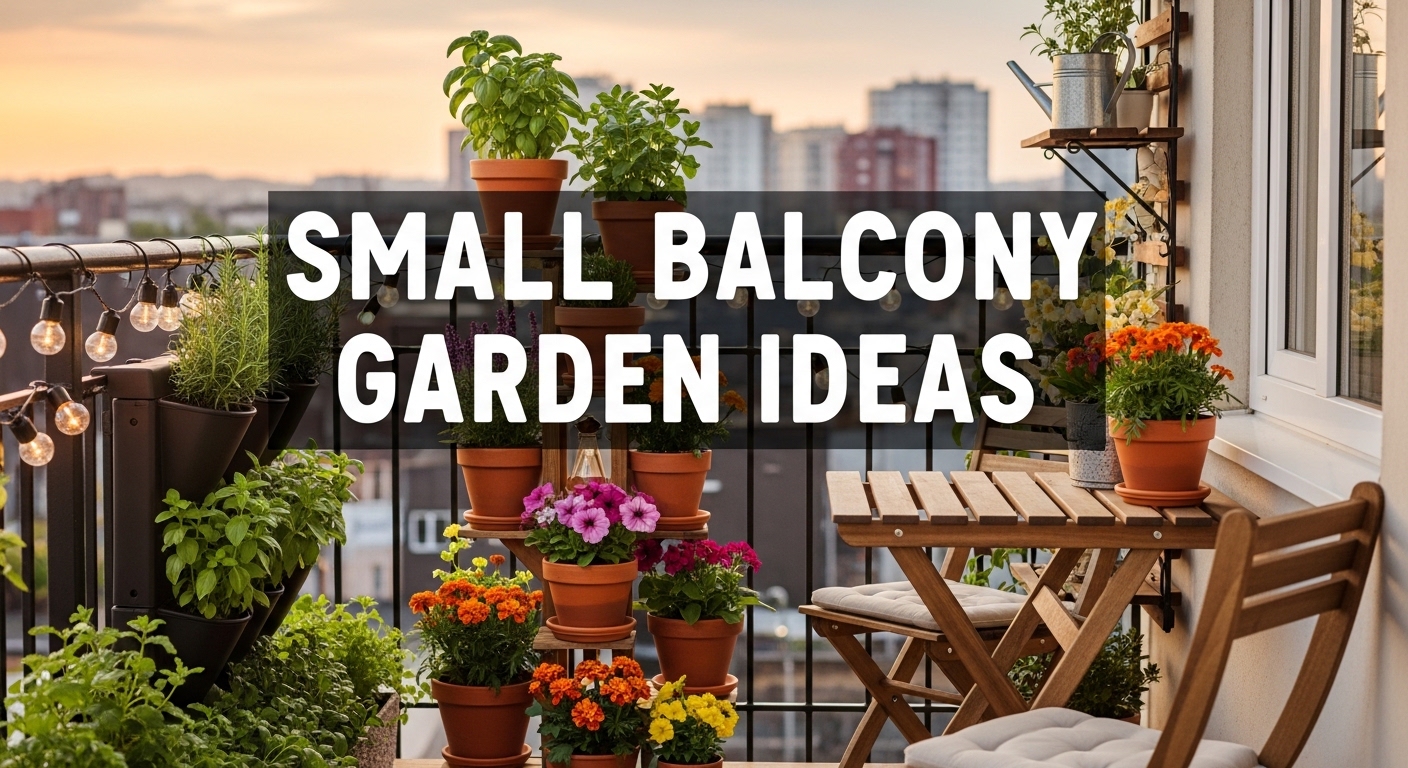
A small balcony has always been more than leftover square footage. In dense cities and compact homes, it becomes a pause between indoors and outdoors, a place where light, air, and greenery quietly restore balance. When treated with care, even the narrowest balcony can support daily rituals of rest, observation, and growth.
A balcony garden succeeds when it respects scale rather than fighting it. Plants, furniture, and finishes must work together without crowding movement or blocking light. Thoughtful restraint creates comfort.
Modern and Structured Balcony Gardens
A modern approach works well on small balconies because it favors clarity and restraint. Clean lines, limited plant palettes, and consistent containers help the space feel organized rather than cluttered.

Materials should be simple and durable. Powder-coated metal planters, concrete-look containers, and smooth ceramic finishes age well outdoors and resist moisture damage.
Lighting is best kept subtle. Low-profile wall lights or warm LED strips along the railing enhance evening use without overpowering the plants. A common mistake is over-accessorizing, which disrupts the calm this style depends on.
Budget-Conscious Balcony Gardening
A small balcony garden does not require a large budget to feel complete. Cost-effective solutions work when money is spent where it matters most: containers, soil quality, and drainage.

Furniture should be minimal and foldable. A single chair and narrow table often outperform bulky sets that restrict movement. Plants do the visual work.
Avoid the mistake of buying many cheap plants at once. Fewer healthy plants, allowed to grow, create more impact than overcrowded arrangements that struggle to survive.
Hands-On and DIY Balcony Gardens
DIY-focused balcony gardens succeed because they adapt precisely to available space. Custom shelves, railing planters, and wall-mounted systems maximize vertical surfaces without permanent alterations.

Lighting can be improvised thoughtfully. Solar fixtures reduce wiring concerns, but they must receive adequate sunlight to function reliably. A frequent mistake is ignoring water runoff, which can damage floors and neighbors below.
Warm and Inviting Balcony Spaces
A warm balcony garden focuses on comfort rather than display. Layered greenery, softer textures, and natural materials encourage lingering rather than quick use.

Lighting should mimic indoor warmth. Lantern-style lights or soft bulbs at eye level avoid harsh shadows. Overcrowding plants here is common; leaving breathing room keeps the space welcoming.
Minimal and Clean Balcony Gardens
Minimal balconies rely on discipline. Every element must serve a purpose, whether functional or visual. This approach works especially well for extremely small or narrow balconies.

Lighting is often indirect or absent. Daylight becomes the primary feature. A mistake to avoid is underestimating plant growth, which can quickly overwhelm a minimal setup if not maintained.
Functional Everyday Balcony Gardens
An everyday-focused balcony garden supports routine use. Morning coffee, evening relaxation, or light gardening should all feel natural within the space.
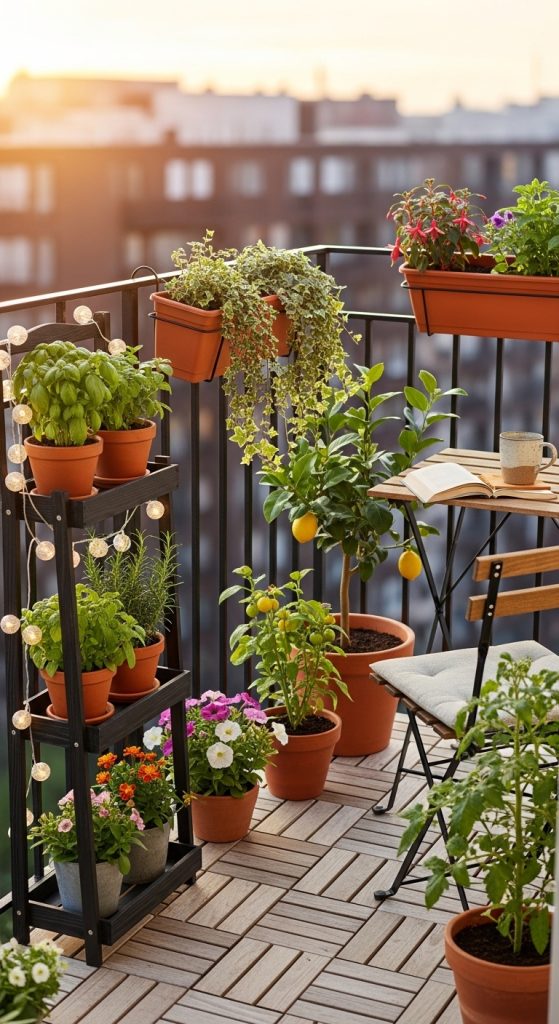
Lighting should support real use. Task lighting near seating matters more than decorative effects. Homeowners often forget to plan storage, leading to clutter that erodes function.
Space-Optimized Balcony Gardening
Space-optimized balconies treat every inch as valuable. Vertical gardens, corner planters, and railing systems expand planting capacity without shrinking usable area.
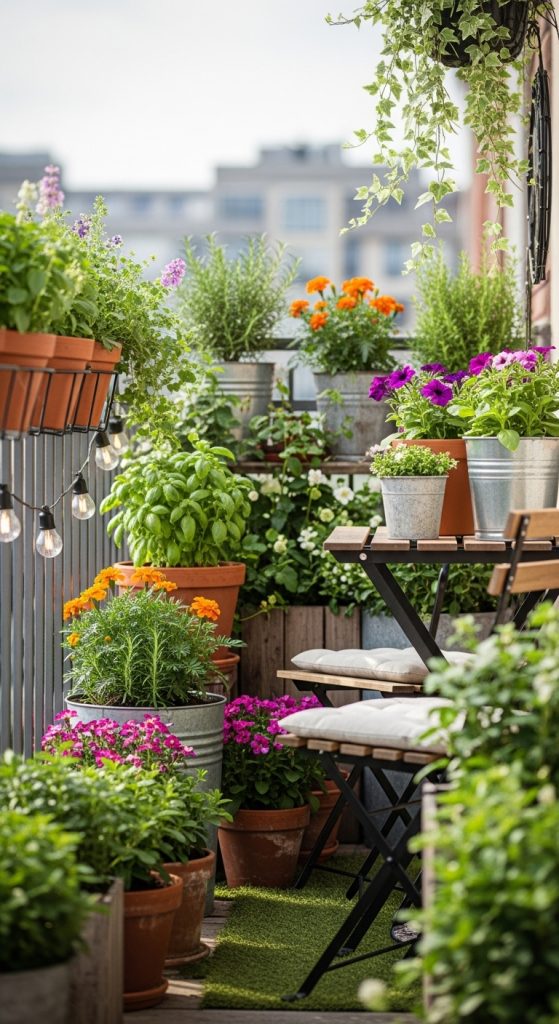
Lighting in tight spaces should be directional. Focused fixtures prevent glare and maintain depth. A common error is ignoring wind exposure, which can stress tall plants and structures.
Family-Friendly Balcony Gardens
A family-friendly balcony garden balances greenery with safety and durability. Plants must be non-toxic, and planters should be stable and secured.
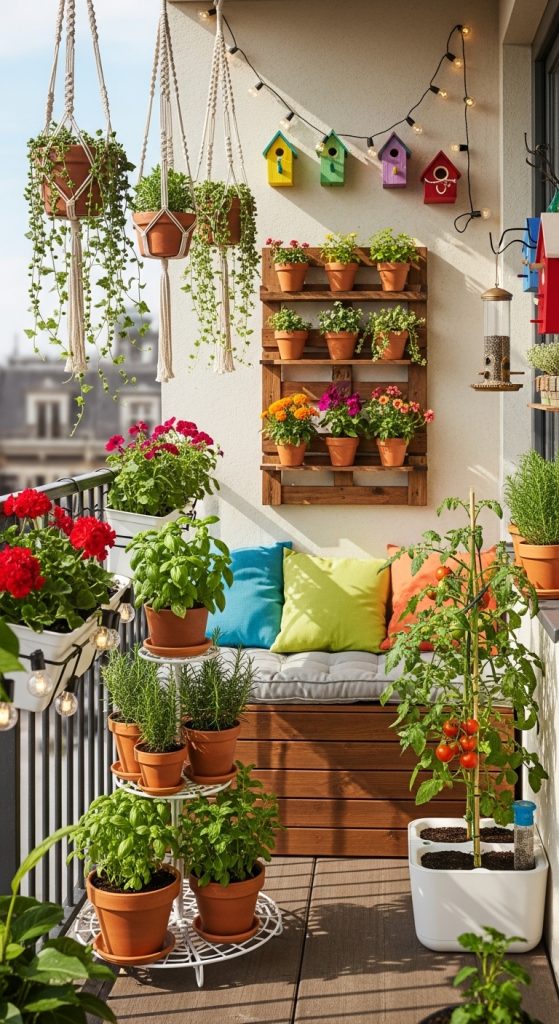
Materials should be forgiving. Rounded containers, washable surfaces, and secure rail attachments reduce risk.
Lighting should enhance visibility rather than mood. Even illumination prevents trips and accidents. Avoid hanging items that can be pulled down or damaged through play.
Rental-Appropriate Balcony Gardens
Rental-friendly balcony gardens respect temporary living. Solutions must be removable, lightweight, and non-damaging to existing structures.

Materials like modular shelving, clamp-on planters, and self-contained containers adapt easily to new spaces later.
Lighting should be plug-in or solar-powered. Hardwired fixtures are rarely allowed. A frequent mistake is investing in oversized pieces that cannot be reused elsewhere.
Timeless and Balanced Balcony Gardens
Timeless balcony gardens avoid strong stylistic statements. They focus instead on balance, proportion, and reliable plant choices.
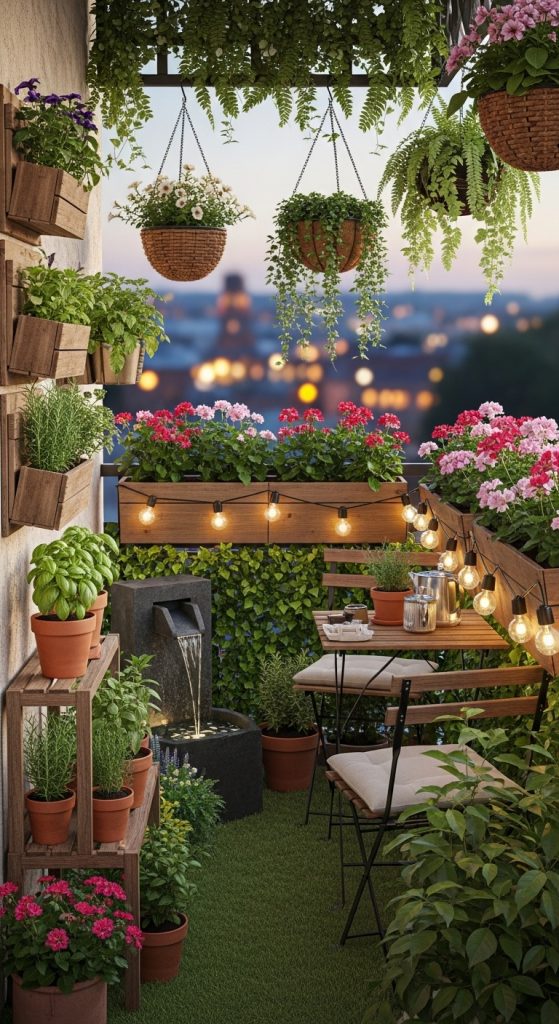
Materials should age gracefully. Natural finishes, muted colors, and classic forms resist dating.
Lighting stays simple and warm. Overly stylized fixtures often feel out of place as tastes evolve. Avoid chasing novelty, which quickly loses appeal in small spaces.
Personal and Character-Driven Balcony Gardens
A personal balcony garden reflects the household’s habits rather than external expectations. It grows with the people who use it.
Materials mix thoughtfully. Sentimental pieces, handmade containers, or inherited items can coexist if scale is respected.
Lighting supports mood and memory. String lights or small lamps can add character when used sparingly. The main mistake here is excess; personality shows best through editing, not accumulation.
Practical Material Comparison for Balcony Gardens
| Material Type | Durability | Maintenance | Best Use |
|---|---|---|---|
| Terracotta | Moderate | Medium | Dry climates, classic look |
| Plastic composite | High | Low | Lightweight, renters |
| Ceramic | Moderate | Medium | Sheltered balconies |
| Metal | High | Low | Modern, structured layouts |
| Wood (treated) | Moderate | Medium | Warm, inviting styles |
Plant Placement Considerations
- Place heavier containers near walls or corners for stability
- Keep railing planters evenly distributed to avoid imbalance
- Allow airflow between plants to prevent moisture buildup
- Leave clear access to doors and drainage points
A small balcony garden thrives when intention guides every choice. By respecting scale, function, and real-life use, even the most compact outdoor space can become a place of comfort and quiet pleasure. The best results come not from excess, but from thoughtful decisions made with patience and care.