Garden Fence Ideas for Privacy and Everyday Living
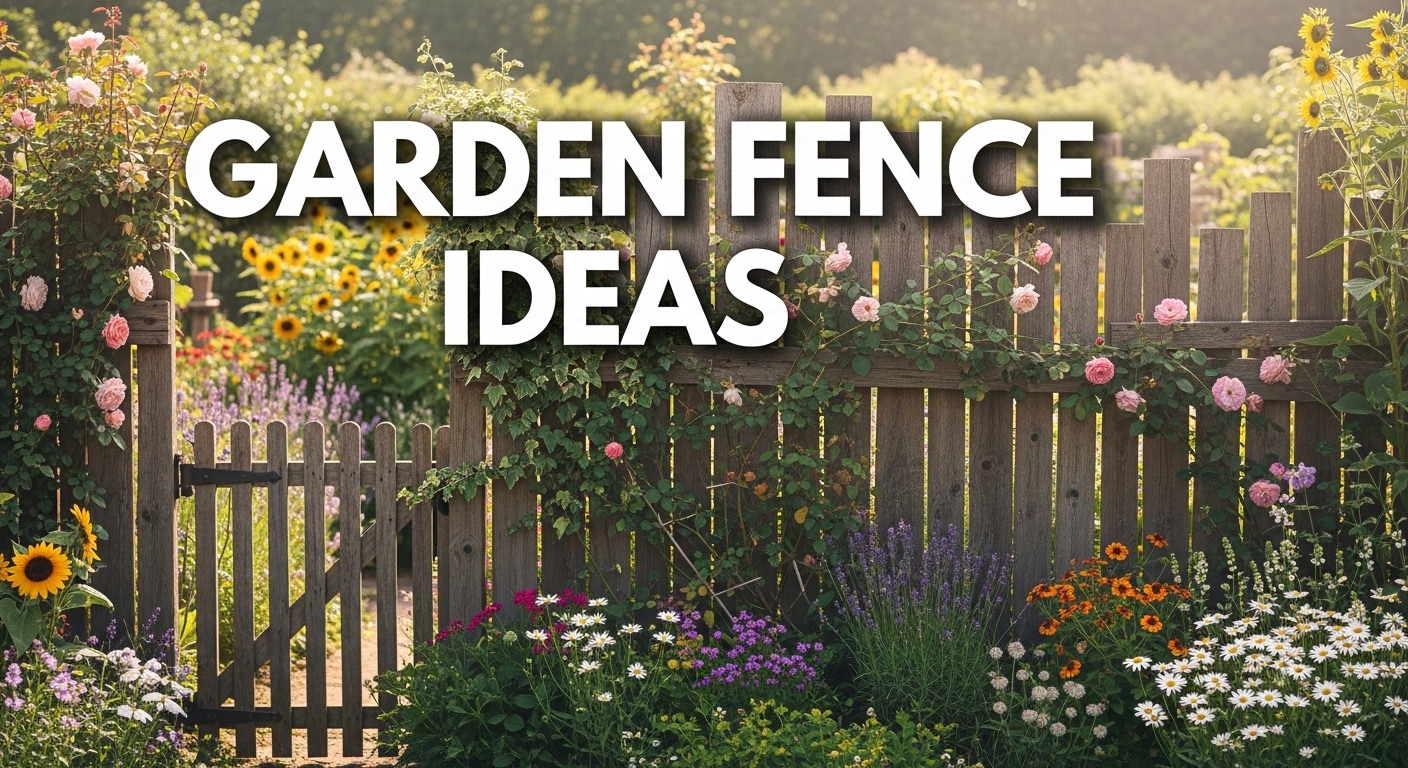
A garden fence is never just a boundary. In real homes, it shapes how outdoor space feels, how safely children and pets move, how neighbors interact, and how the garden grows over time. Well-chosen fencing supports daily life quietly, without demanding attention.
A good fence begins with understanding how the garden is actually used. Whether it frames a small urban plot or stretches across a generous yard, it must respond to movement, light, maintenance, and long-term wear.
Many homeowners focus on appearance first and function second. This often leads to fences that look appealing but fail under weather, privacy needs, or upkeep demands.
Modern and Structured Garden Fence Approaches
A modern garden fence relies on clarity of line and disciplined proportions. Straight runs, consistent spacing, and restrained materials help the fence read as part of the landscape rather than a separate object.
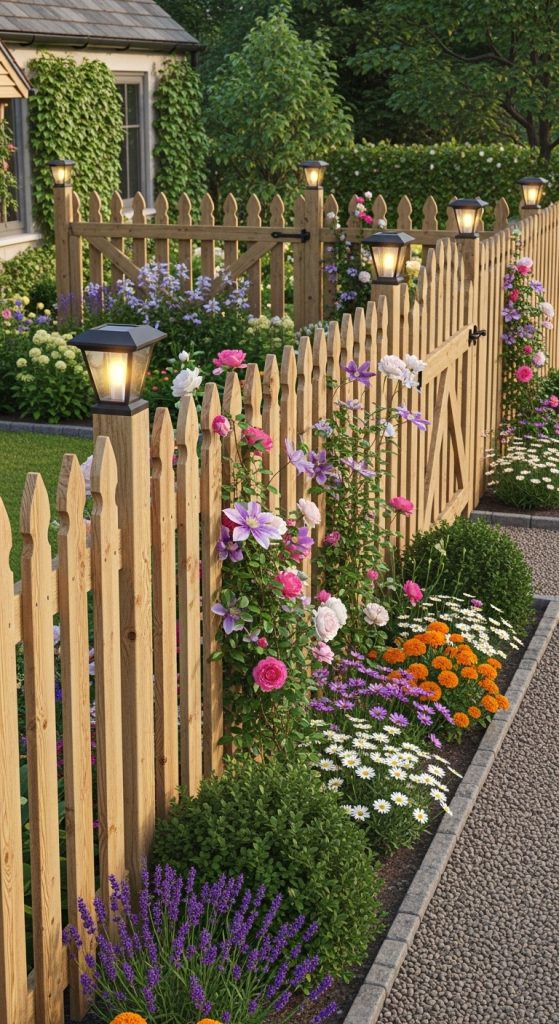
Horizontal slats, metal panels, or simple composite boards work well when spacing is precise and repetitive. The mistake many homeowners make is mixing too many materials, which breaks visual continuity and makes the fence feel busy.
Lighting plays a quiet role here. Low-level ground lighting or subtle uplighting enhances structure without turning the fence into a feature wall, preserving balance and calm.
Budget-Conscious Garden Fence Solutions
Budget-friendly fencing succeeds when it prioritizes structure over surface finish. Simple timber posts with wire, treated pine panels, or recycled materials can be effective if installed with care.
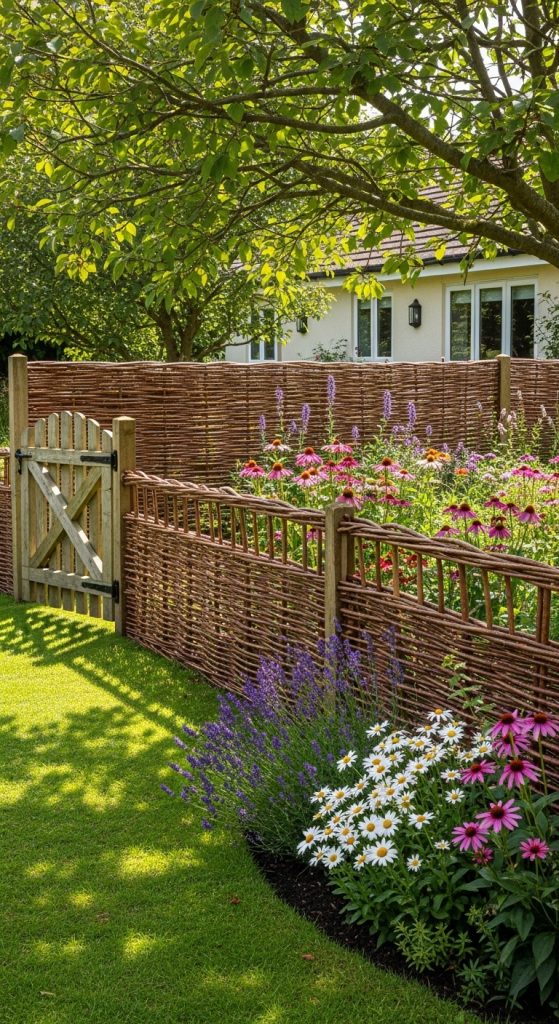
The key is consistent spacing and solid anchoring. Skimping on footings or post depth often leads to leaning fences and early failure, which costs more long-term.
For limited budgets, consider fencing only where privacy or safety is essential, allowing hedges or planting to complete the enclosure naturally over time.
DIY-Focused Garden Fence Planning
DIY garden fences appeal to homeowners who value flexibility and hands-on control. The success of a DIY fence depends less on skill and more on preparation and restraint.
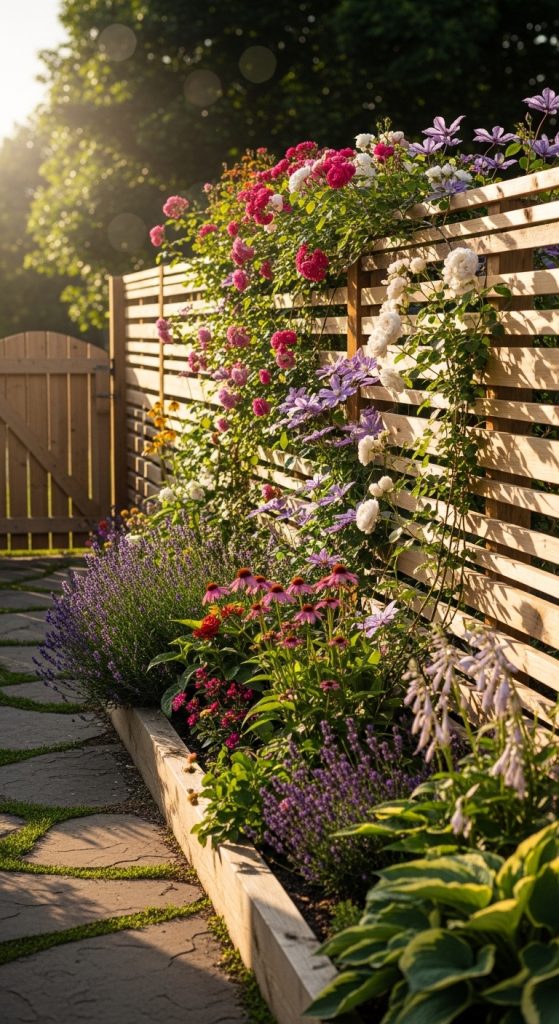
Common DIY mistakes include ignoring slope changes and soil conditions. Adjusting post heights gradually rather than forcing level panels preserves both appearance and stability.
Warm and Natural Garden Fence Styles
Natural garden fences work best when materials echo the surrounding environment. Wood, bamboo, or willow fencing blends into planting rather than competing with it.
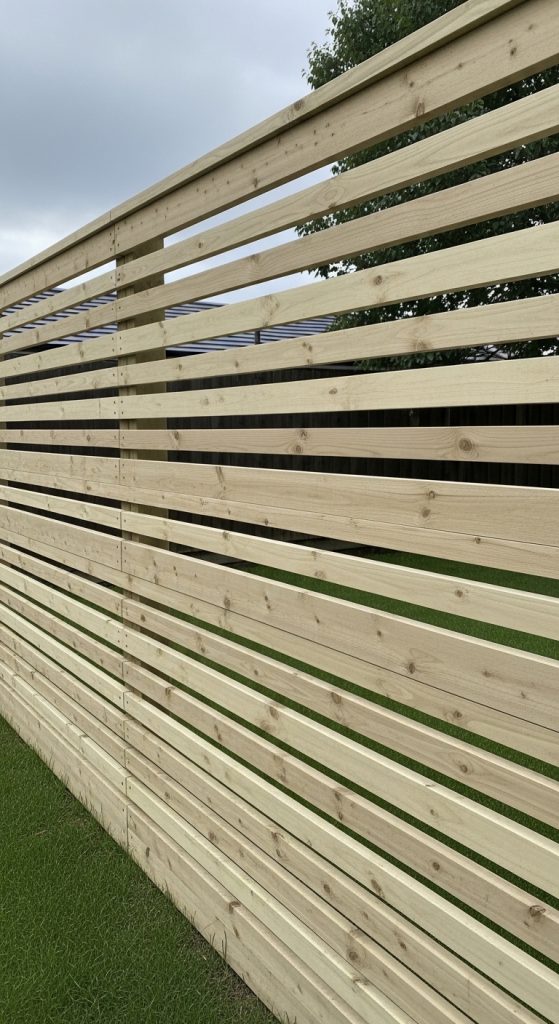
Finishes should protect without masking texture. Clear or lightly tinted treatments age better than opaque paints, which often peel and demand frequent maintenance.
Minimal and Visually Clean Garden Fences
Minimal fencing focuses on absence rather than presence. Thin metal frames, wire grids, or spaced vertical elements define boundaries without closing off space.
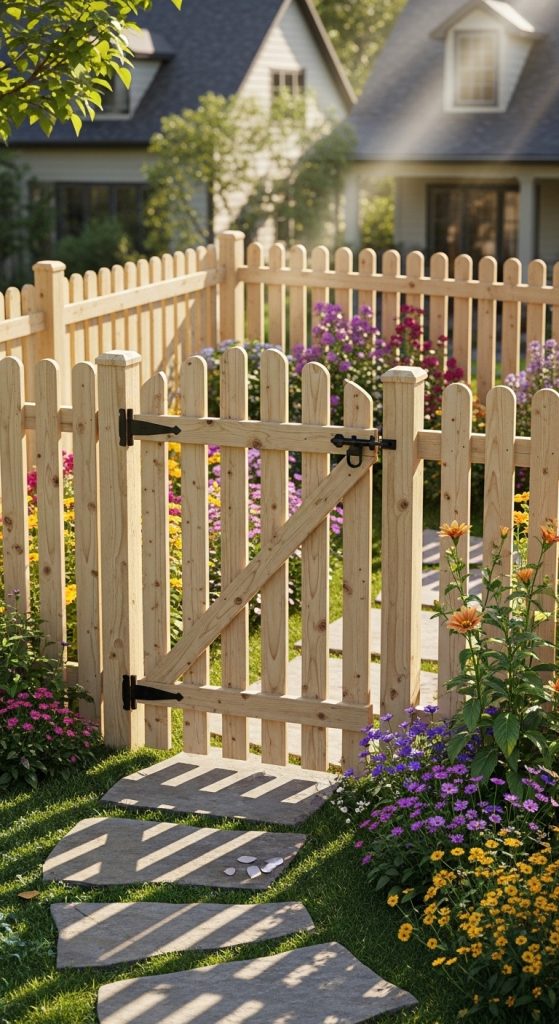
Lighting should remain understated. Reflected light from planting or pathways is often enough, maintaining a soft, uncluttered atmosphere.
Functional Everyday Garden Fencing
Functional fencing addresses real daily needs such as pet containment, child safety, and controlled access. These fences may not be decorative, but they must still feel intentional.
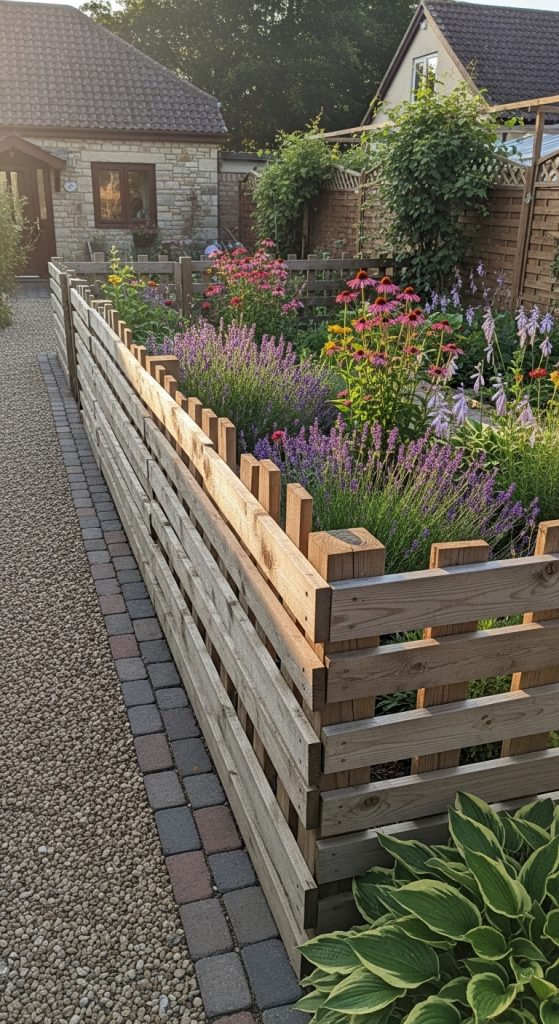
Materials should prioritize durability. Galvanized steel, pressure-treated timber, or coated wire withstand frequent contact and seasonal stress better than delicate finishes.
Small-Space Optimized Garden Fences
In compact gardens, fencing should visually recede. Slim profiles, lighter colors, and vertical emphasis help create a sense of height and openness.
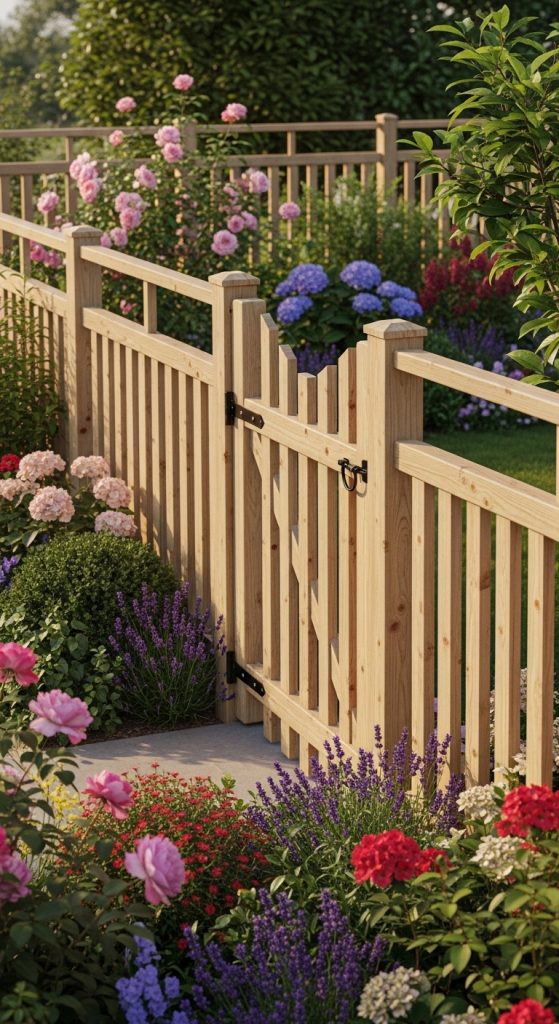
Avoid bulky posts or heavy panels that consume valuable space. Even a few inches saved along the perimeter can improve circulation and planting opportunities.
Climbing plants can soften boundaries, but supports must be sturdy. Weak fences often fail once vegetation matures and adds weight.
Family-Friendly and Safe Garden Boundaries
Family-focused fencing balances protection with approachability. Rounded edges, smooth finishes, and secure gates reduce hazards without creating a fortress-like feel.

Visibility matters. Semi-open designs allow supervision while still defining space, which is especially important in shared yards or community settings.
A common mistake is neglecting gate hardware. Self-closing hinges and reliable latches add safety without complicating daily use.
Rental-Friendly and Temporary Fence Options
Renters often assume fencing is off-limits, but temporary solutions can still define outdoor space. Freestanding panels, planter-based dividers, and tension-mounted systems avoid permanent alterations.
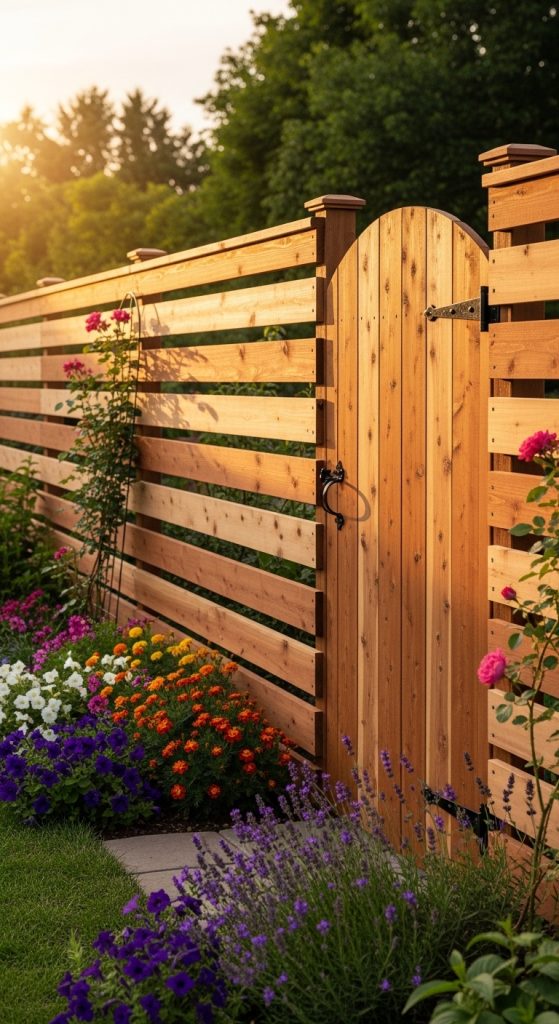
Weight and stability are key. Temporary fences must resist wind and movement without damaging surfaces.
Neutral materials adapt better across properties. Avoid highly personalized colors or finishes that limit reuse in future homes.
Timeless and Traditional Garden Fence Choices
Traditional fencing endures because it respects proportion and craftsmanship. Picket fences, simple rails, or classic post-and-board designs feel familiar without feeling dated.

Maintenance should be planned from the start. Traditional materials reward care, but neglect shows quickly and undermines their appeal.
Personal Character-Driven Garden Fence Expressions
A character-driven fence reflects the homeowner’s lifestyle without overwhelming the garden. This might involve subtle detailing, mixed materials, or custom spacing patterns.
The danger lies in excess. Too many personal touches can date the fence quickly or distract from planting and outdoor living.
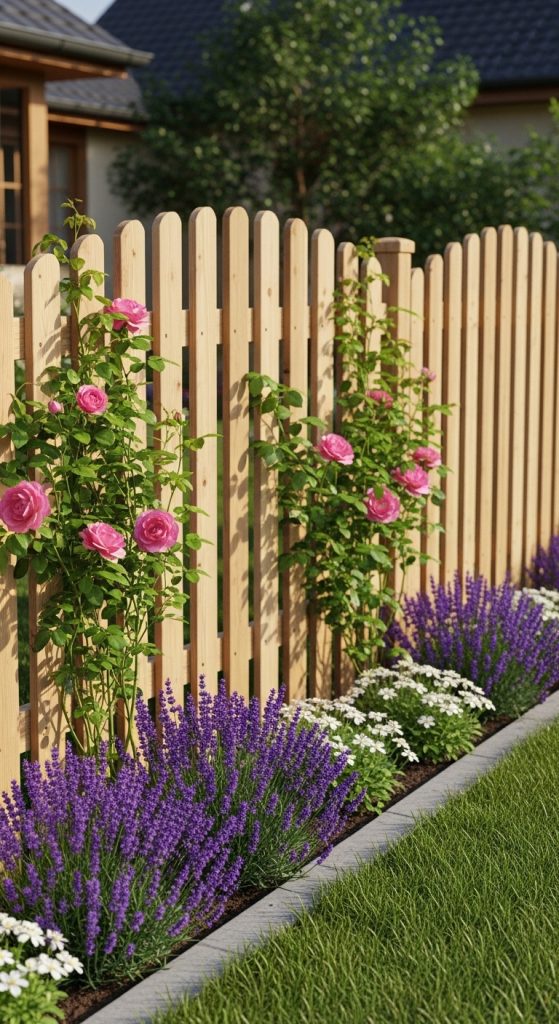
Balance is achieved by anchoring creativity in strong structure. When the base design is sound, individual expression feels intentional rather than improvised.
Common Garden Fence Materials Compared
| Material | Durability | Maintenance Level | Visual Impact | Best Use |
|---|---|---|---|---|
| Treated timber | Moderate to high | Medium | Warm, natural | General garden boundaries |
| Metal panels | High | Low | Clean, structured | Modern or urban gardens |
| Wire fencing | Moderate | Low | Light, minimal | Pet areas, budget solutions |
| Composite | High | Low | Consistent, uniform | Low-maintenance yards |
Finish and Aging Considerations
| Finish Type | How It Ages | Maintenance Needs | Common Issue |
|---|---|---|---|
| Natural oil | Silvers gradually | Reapplication | Uneven fading |
| Paint | Holds color | Frequent touch-ups | Peeling |
| Powder coating | Stable | Minimal | Scratching |
| Untreated wood | Weathered | None | Reduced lifespan |
A garden fence succeeds when it feels inevitable, as though it belongs exactly where it stands. The best choices come from understanding daily use, respecting scale, and selecting materials that age with dignity.
Rather than chasing novelty, homeowners benefit most from fences that support how they live now and how their gardens will grow over time. With thoughtful planning, a fence becomes less about division and more about defining a space that feels complete, comfortable, and enduring.