
Garden Ideas on a Budget for Lasting Comfort and Beauty

Gardens have always reflected the realities of everyday life. Long before curated landscapes and luxury materials, outdoor spaces were shaped by necessity, patience, and careful reuse. A good garden was never about cost, but about understanding land, light, and how people moved through space.
A budget-conscious garden begins with observation. Sun patterns, soil conditions, and daily routines matter more than decorative features. When these fundamentals are respected, even modest choices feel intentional.
Many homeowners assume affordable gardens require constant compromise. In practice, they require clarity. Knowing what to keep, what to remove, and what to delay prevents wasted effort and expense.
Practical and Livable Garden Spaces
Practical garden layouts prioritize movement and usability before decoration. Clear paths, defined zones, and sensible circulation make outdoor areas easier to maintain and more enjoyable to use.

A common mistake is filling every corner too quickly. Allowing the layout to breathe makes even simple materials feel deliberate and well-considered.
Budget-Conscious Materials That Age Well
Affordable gardens benefit from materials that improve with time rather than degrade. Gravel, brick fragments, concrete pavers, and reclaimed stone offer durability without high cost.
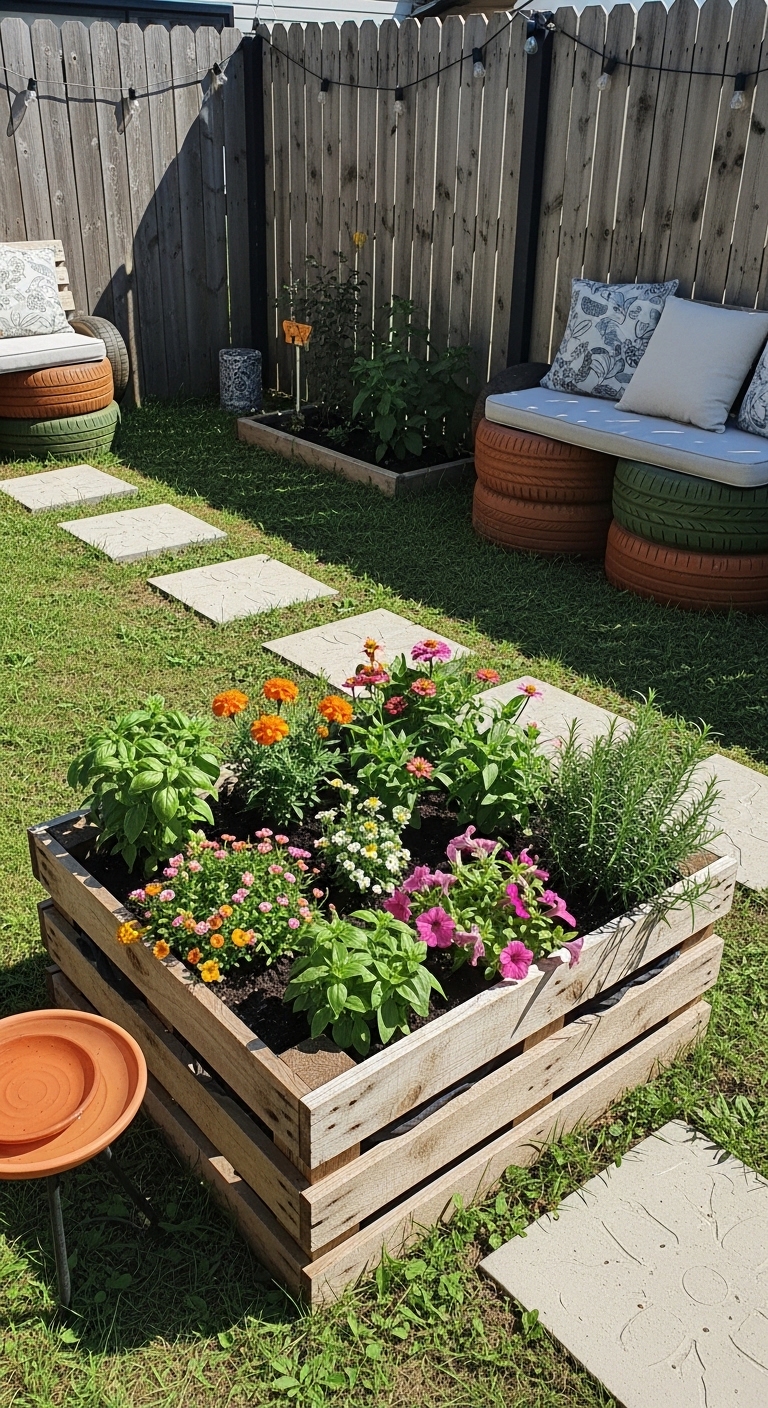
Below is a simple comparison of commonly used budget-friendly materials:
| Material | Cost Level | Durability | Best Use |
|---|---|---|---|
| Gravel | Low | High | Paths and seating zones |
| Reclaimed brick | Low to medium | High | Edging and walkways |
| Concrete pavers | Medium | High | Patios and utility areas |
| Mulch | Low | Medium | Plant beds and moisture control |
DIY-Friendly Garden Approaches
Do-it-yourself work is most successful when it focuses on labor rather than structure. Planting, edging, mulching, and simple construction can be handled without specialized tools.
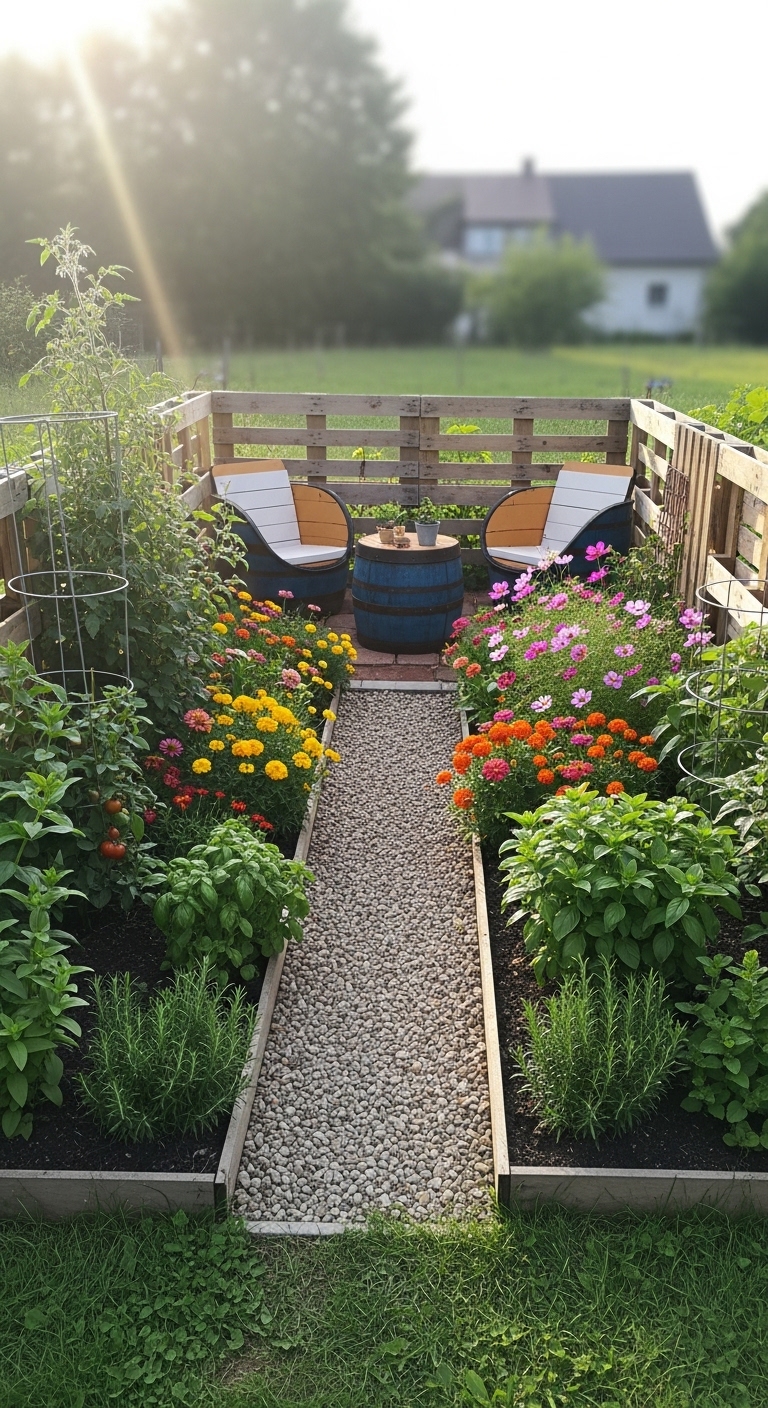
Raised beds built from untreated wood or reused materials offer flexibility and improve soil control. Their proportions should remain modest to avoid overpowering the space.
A frequent error is attempting complex builds without experience. Simple, repeatable elements usually look better and last longer than ambitious projects done once.
Warm and Inviting Outdoor Areas
A garden does not need expensive furniture to feel welcoming. Placement matters more than price. Seating positioned near shade, greenery, or views naturally invites use.

Soft boundaries, such as low shrubs or planters, create intimacy without enclosing the space. This approach works especially well in smaller yards or shared areas.
Lighting plays a quiet role here. Low-level solar or plug-in lights define space gently without requiring professional installation.
Clean and Uncluttered Garden Layouts
Visual simplicity is one of the most cost-effective design tools available. Fewer materials, repeated shapes, and restrained plant palettes reduce both expense and maintenance.

A common mistake is adding decoration to compensate for lack of structure. Clear layout logic always matters more than ornament.
Functional Everyday Garden Use
Gardens should support daily life, not compete with it. Storage for tools, clear access to water, and durable surfaces reduce frustration and upkeep.

Ignoring function leads to wasted spending. Features that look appealing but hinder movement or maintenance often end up removed.
Small-Space Garden Planning
Compact gardens benefit from vertical thinking. Trellises, wall-mounted planters, and climbing plants increase greenery without consuming ground space.

Scale is critical. Oversized planters or furniture can overwhelm a small yard and limit circulation. Smaller, repeated elements usually work better.
One common error is copying large-garden layouts. Small spaces require tighter proportions and clearer purpose to feel comfortable.
Family-Friendly and Low-Maintenance Gardens
Budget gardens often need to serve multiple age groups. Durable surfaces, soft planting edges, and clear sightlines improve safety and usability.

Plants should be chosen for resilience rather than novelty. Perennials and native species reduce replacement costs and ongoing care.
Overly delicate features tend to fail in active households. Robust choices may appear simple but provide long-term value.
Rental-Safe Garden Improvements
Renters can still create meaningful gardens by focusing on reversible changes. Containers, temporary edging, and freestanding structures leave no permanent impact.

Lightweight planters allow flexibility as needs change. Grouping them helps create visual weight without anchoring to the ground.
A common mistake is investing in fixed features that cannot move. Portable solutions protect both budget and deposit.
Timeless and Enduring Garden Choices
Timeless gardens rely on balance rather than novelty. Neutral hardscapes, restrained plant palettes, and classic forms remain relevant as tastes change.
Spending modestly on core elements while allowing plants to mature naturally produces lasting results. Time becomes part of the design.

Avoid chasing trends that require constant updating. Gardens should feel settled, not temporary.
Personal Character in Affordable Gardens
Personal touches bring warmth without adding cost. Reused objects, inherited plants, or handmade features add meaning that cannot be purchased.

The mistake here is imitation. Gardens feel most successful when they grow from personal habits rather than borrowed styles.
Garden ideas on a budget succeed when they respect fundamentals: layout, scale, materials, and time. By focusing on these principles, homeowners and renters can create outdoor spaces that feel complete, comfortable, and genuinely lasting, regardless of how much is spent.


