Creative Vegetable Garden Design Ideas for a Bountiful Harvest
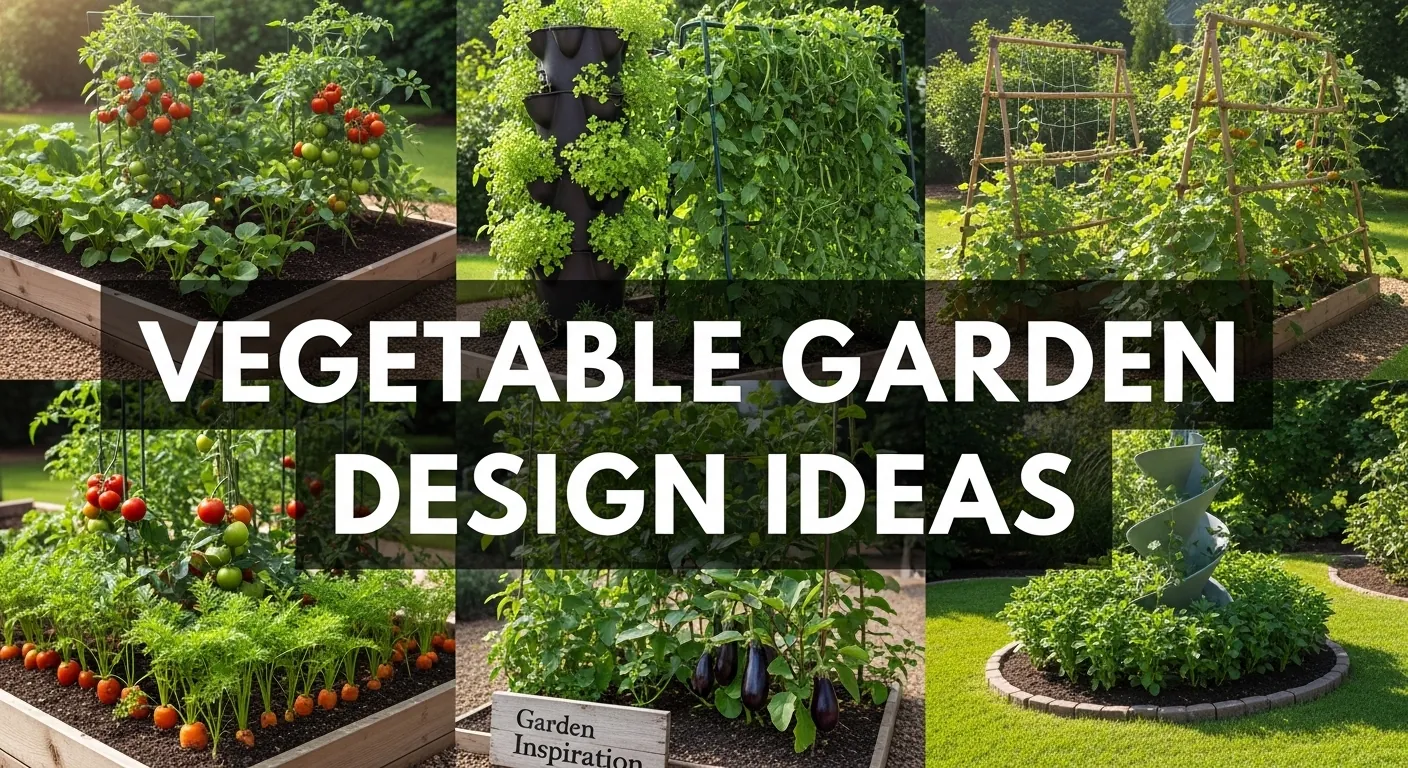
Creating a beautiful and functional vegetable garden can be a rewarding experience. Whether you’re a seasoned gardener or just starting out, there are plenty of design ideas to help you maximize your space and enhance your garden’s appeal. From raised beds to vertical gardening, let’s explore some practical and inspiring options that will make your veggie patch both productive and aesthetically pleasing.
Container Gardening Options
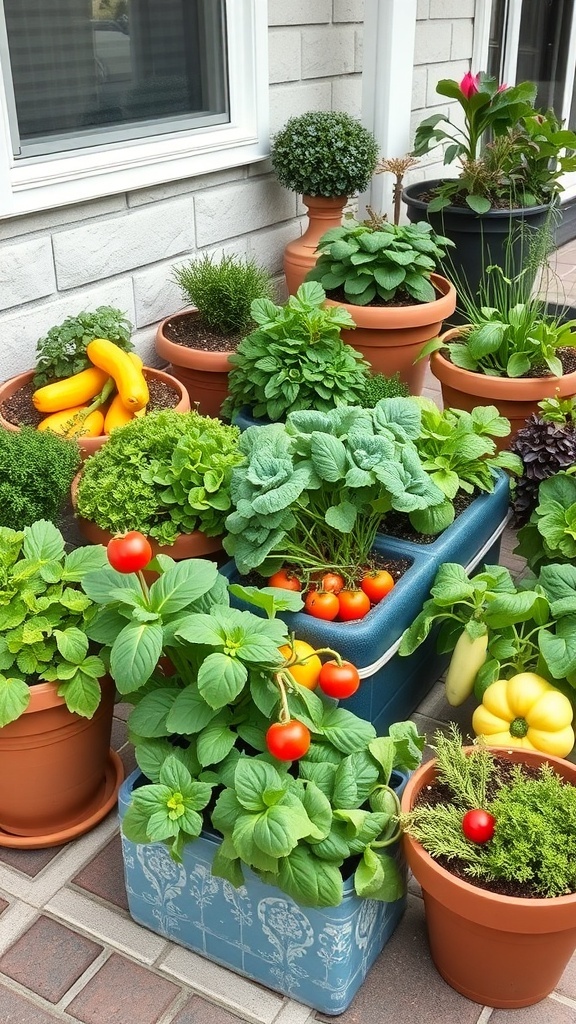
Container gardening is a fantastic way to grow vegetables, especially if space is limited. The image shows a vibrant display of various plants in pots, showcasing how colorful and productive a container garden can be.
In the picture, you can see a mix of leafy greens, tomatoes, and herbs, all thriving in their containers. This setup not only makes it easy to manage your plants but also adds beauty to any outdoor space.
Using different sizes and styles of pots can create a visually appealing arrangement. You can choose terracotta, ceramic, or even recycled containers to suit your taste. The key is to ensure that each pot has proper drainage to keep your plants healthy.
Container gardening allows for flexibility. You can move pots around to catch the best sunlight or protect them from harsh weather. Plus, it’s a great way to experiment with different plant combinations. Imagine fresh tomatoes paired with basil or a mix of colorful peppers!
Succession Planting Strategies
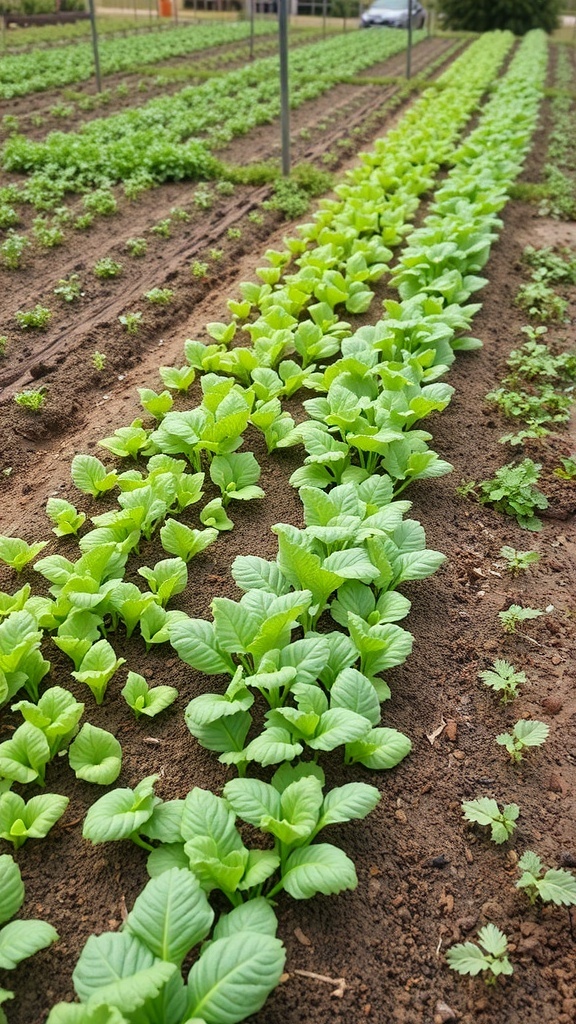
Succession planting is a smart way to maximize your vegetable garden. The image shows rows of young plants, indicating a well-planned garden layout. You can see different stages of growth, which is key to keeping your harvest going throughout the season.
This method involves planting new crops at intervals, ensuring that as one crop finishes, another is ready to take its place. For example, you might plant lettuce in early spring, followed by beans in early summer. This keeps your garden productive and your table full.
Look at the neat rows in the image. They show how organized succession planting can be. By planning your planting schedule, you can enjoy fresh vegetables from your garden for months. It’s all about timing and choosing the right crops that complement each other.
Vertical Gardening Solutions
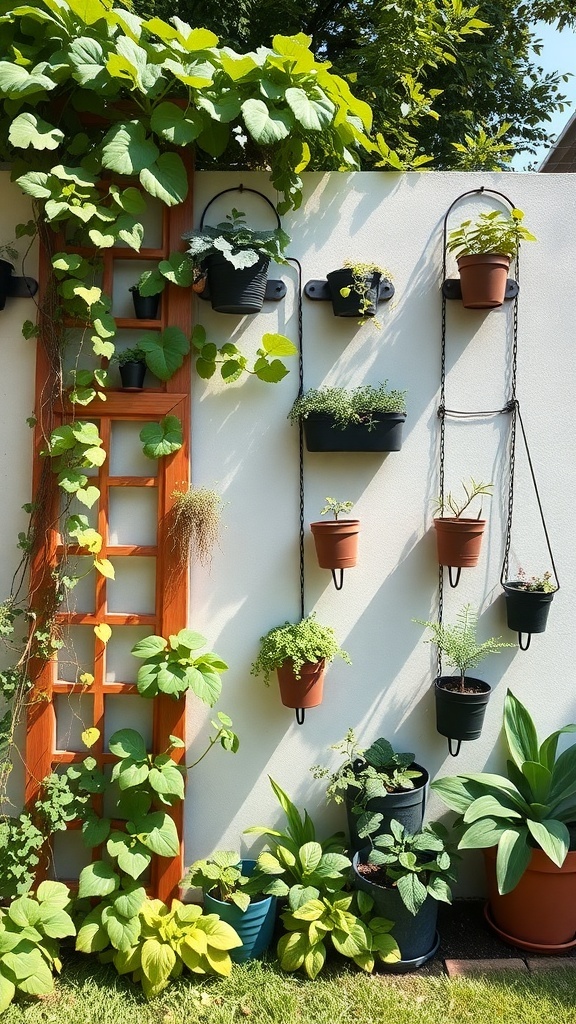
Vertical gardening is a fantastic way to maximize space while adding beauty to your garden. The image showcases a creative vertical garden setup. It features various plants in hanging pots attached to a wall, making it an eye-catching focal point.
The use of a trellis on one side adds dimension and allows climbing plants to flourish. This not only saves ground space but also creates a lush, green backdrop. The combination of different plant types, from herbs to leafy greens, makes this design both functional and visually appealing.
Vertical gardening is perfect for small spaces or urban settings. It allows you to grow your favorite vegetables and herbs without needing a large garden area. Plus, it can be a fun project to customize according to your style and preferences.
Raised Bed Vegetable Gardens
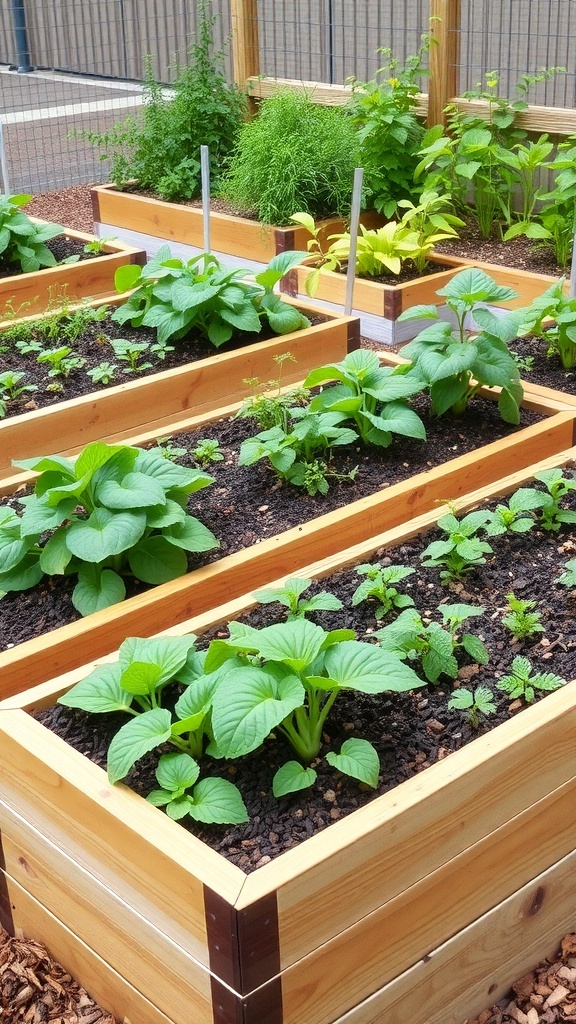
Raised bed vegetable gardens are a fantastic way to grow your own food while keeping things organized and manageable. The image shows several wooden raised beds filled with healthy plants. Each bed is neatly arranged, allowing for easy access and care.
These beds elevate your plants, making it easier to tend to them without bending over too much. This setup also improves drainage and soil quality, which can lead to better growth. You can see a variety of greens and herbs thriving in the beds, showcasing how diverse your garden can be.
Raised beds can fit into any space, whether you have a large backyard or a small patio. They can be customized to your liking, allowing you to choose the materials and sizes that work for you. Plus, they add a nice touch to your outdoor area!
Companion Planting Techniques
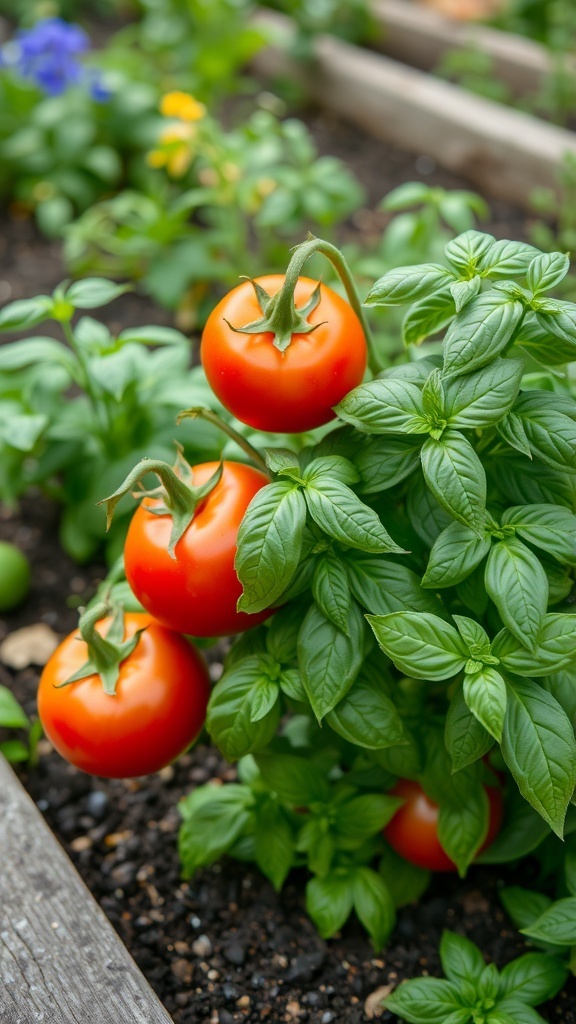
Companion planting is a fantastic way to boost your vegetable garden’s health and productivity. In the image, you can see vibrant tomatoes growing alongside lush basil. This pairing is a classic example of how certain plants can benefit each other.
Tomatoes thrive when planted with basil. The basil can help repel pests that might harm the tomatoes, while the tomatoes provide a bit of shade for the basil. This mutual support creates a healthier garden environment.
When planning your garden, think about other companions too. For instance, carrots and onions can work well together, as onions deter carrot flies. Mixing plants like this not only maximizes space but also enhances growth and flavor.
Keep in mind that some plants don’t get along. For example, avoid planting cabbage near strawberries. Knowing these relationships can make your garden more productive and enjoyable.
Herb Spiral Design
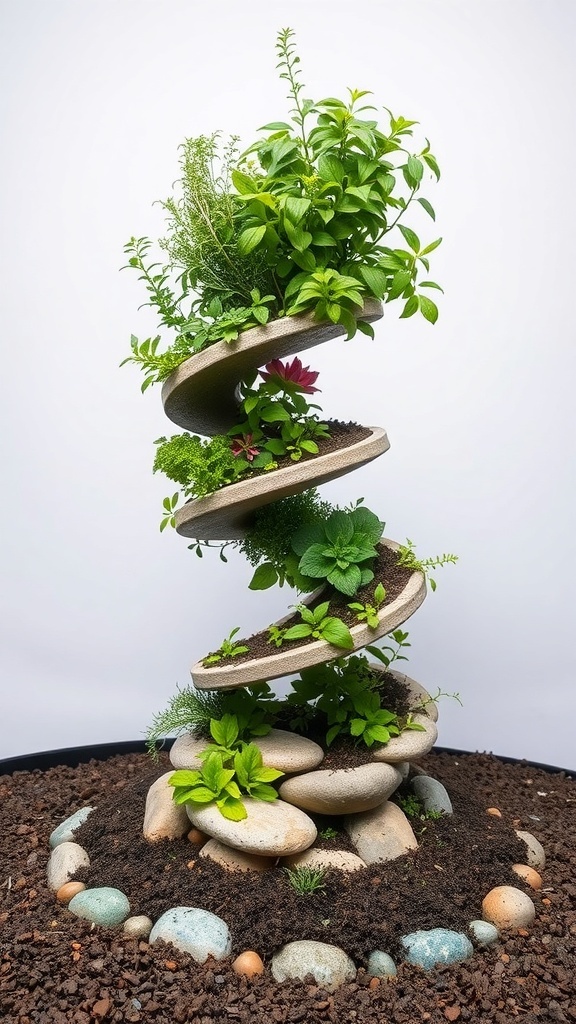
Herb spirals are a fun and efficient way to grow a variety of herbs in a small space. The image showcases a beautifully crafted spiral structure, made of stone-like materials, which allows for optimal use of vertical space. This design not only looks great but also creates microclimates for different herbs.
The spiral shape provides various levels of sunlight and moisture, making it perfect for herbs that have different needs. For instance, the top of the spiral gets more sun and is ideal for sun-loving herbs like basil and rosemary. Meanwhile, the lower levels can accommodate herbs that prefer a bit more shade, such as mint and parsley.
Using this design, you can easily access your herbs for cooking or garnishing. Plus, the visual appeal of a herb spiral adds a unique touch to your garden. Surrounding the spiral with decorative stones enhances its charm and creates a lovely focal point in your vegetable garden.
Edible Landscaping Ideas
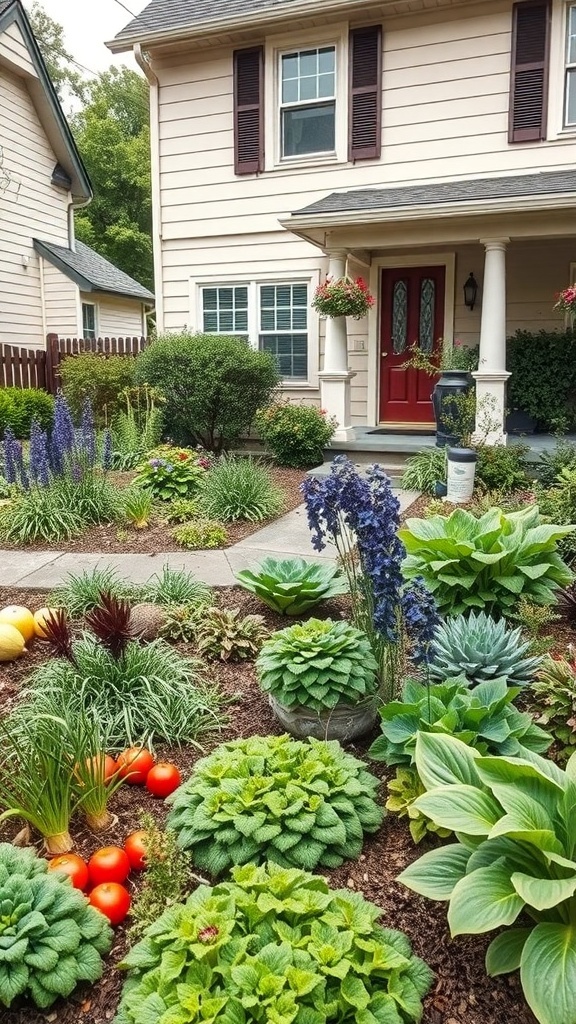
Imagine stepping into a front yard that’s not just pretty, but also productive. This image showcases a delightful blend of flowers and vegetables, creating a vibrant edible landscape. The colorful tomatoes nestled among lush greens invite you to pick fresh produce right from your garden.
The design features a variety of plants, including leafy greens and striking flowers, which add beauty and function. This approach not only enhances curb appeal but also provides delicious ingredients for your meals. You can easily incorporate herbs like basil or parsley for added flavor.
Consider using raised beds or decorative pots to make your garden stand out. Mixing ornamental plants with edible ones creates a unique look that’s both practical and visually appealing. Plus, it encourages wildlife, like bees and butterflies, to visit your garden.
Incorporating edible landscaping is a fun way to enjoy gardening while making your outdoor space more useful. Whether you have a small patch or a larger area, there are endless possibilities to explore!
Garden Pathways and Layouts
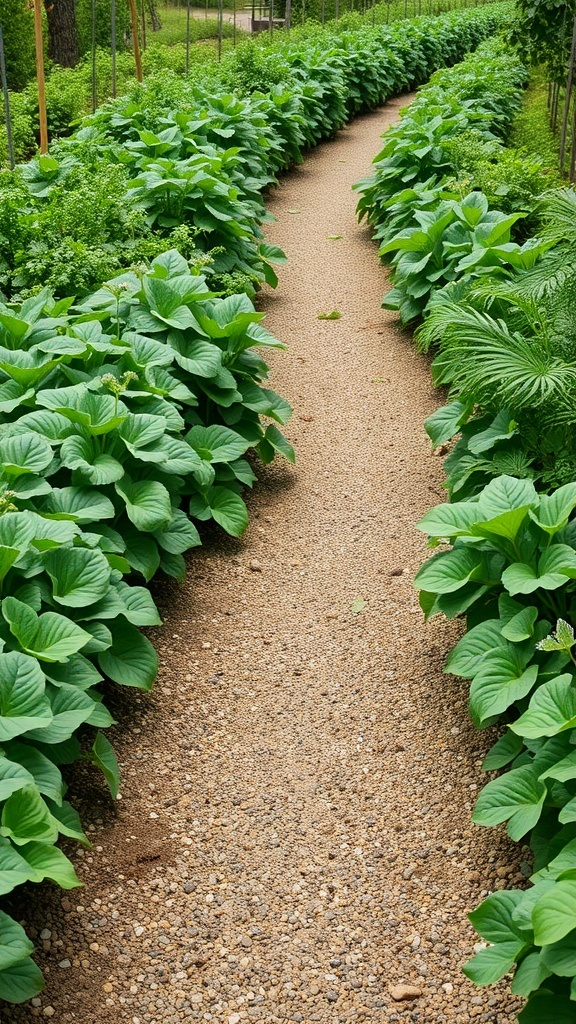
Creating a beautiful vegetable garden is not just about the plants; the pathways and layout play a big role too. The image shows a lovely garden path lined with lush green plants on either side. This design makes it easy to walk through and enjoy the garden.
The gravel path is practical and adds a rustic charm. It allows for good drainage and keeps mud at bay, making it easier to maintain. The width of the path is just right for strolling and reaching your veggies without trampling the plants.
When planning your garden, think about how you want to move through the space. Curved paths can create a more relaxed feel, while straight paths can give a more structured look. Both options can work well depending on your garden’s style.
Consider the types of plants you want to grow. Taller plants might look great at the back, with shorter ones in front. This way, you can see everything clearly while walking along the path. Adding some decorative elements like stones or small garden art can also enhance the overall look.
Shade-Tolerant Vegetable Options
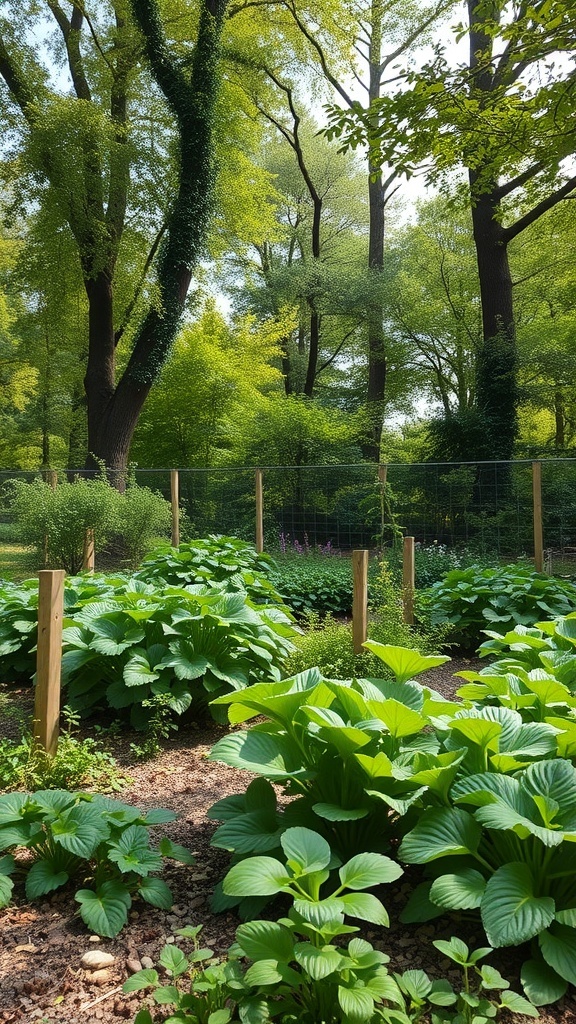
Creating a vegetable garden in a shaded area can be a rewarding experience. The image shows a lush garden filled with vibrant green plants, thriving under the canopy of tall trees. This setting highlights that even in less sunny spots, you can grow a variety of vegetables.
When planning your garden, consider shade-tolerant options. Leafy greens like spinach and lettuce thrive in partial shade, making them perfect for these conditions. Other great choices include kale and Swiss chard, which can add color and nutrition to your meals.
Root vegetables like radishes and carrots can also do well in shaded gardens. They may take a bit longer to mature, but the cooler temperatures can enhance their flavor. Herbs such as parsley and mint are also excellent additions, providing fresh flavors for your dishes.
Overall, with the right planning and plant selection, your shaded vegetable garden can flourish. Embrace the unique beauty of your space and enjoy the harvest!
Seasonal Vegetable Rotation
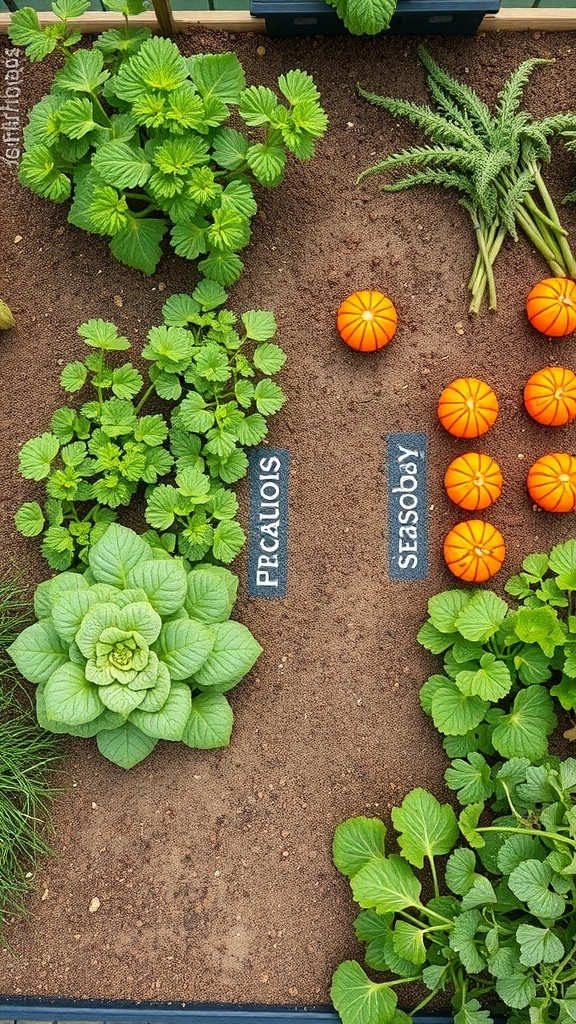
In this vibrant garden layout, you can see a variety of vegetables thriving in their designated spots. The arrangement showcases different plants, including leafy greens and bright orange pumpkins, all labeled for easy identification. This setup is a great example of seasonal vegetable rotation, which helps maintain soil health and maximize yield.
Rotating your crops each season can prevent pests and diseases from taking hold. For instance, planting leafy greens like lettuce in one area and then following up with root vegetables like radishes in the next season keeps the soil nutrient-rich. This method also allows you to take advantage of different growing seasons, ensuring that your garden is productive year-round.
In the image, the careful organization of plants not only looks appealing but also serves a practical purpose. By grouping plants with similar needs together, you can simplify watering and care. Plus, the bright colors of the pumpkins add a cheerful touch to the garden, making it a delightful space to nurture your vegetables.
Pollinator-Friendly Gardens
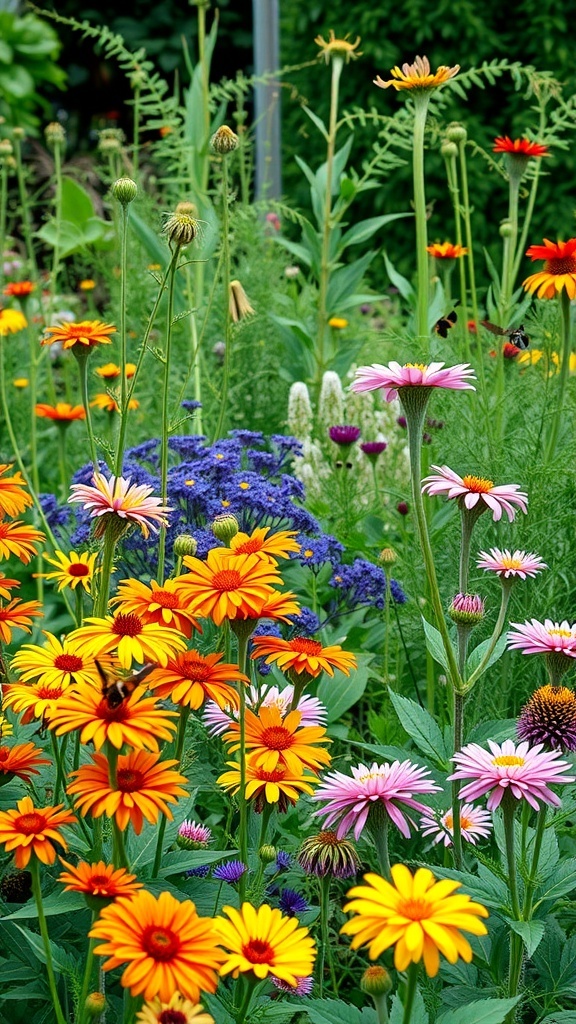
Creating a pollinator-friendly garden is a fantastic way to support local wildlife while adding beauty to your vegetable garden. The image showcases a vibrant mix of flowers that attract bees, butterflies, and other pollinators. These colorful blooms not only enhance the garden’s aesthetic but also play a crucial role in the ecosystem.
Incorporating a variety of flowers, like the ones shown, can provide food sources for pollinators throughout the growing season. Plants such as coneflowers, daisies, and asters are excellent choices. They offer nectar and pollen, which are essential for the survival of these beneficial creatures.
When designing your garden, think about layering your plants. Taller flowers can stand at the back, while shorter ones can fill in the front. This arrangement creates a visually appealing display and makes it easier for pollinators to access the blooms.
Don’t forget to include native plants, as they are often the best for attracting local pollinators. Native species are adapted to the local environment and provide the right resources for the insects and birds in your area. A pollinator-friendly garden not only helps the environment but also brings a lively buzz to your outdoor space.