Italian Garden Ideas for Timeless Outdoor Living
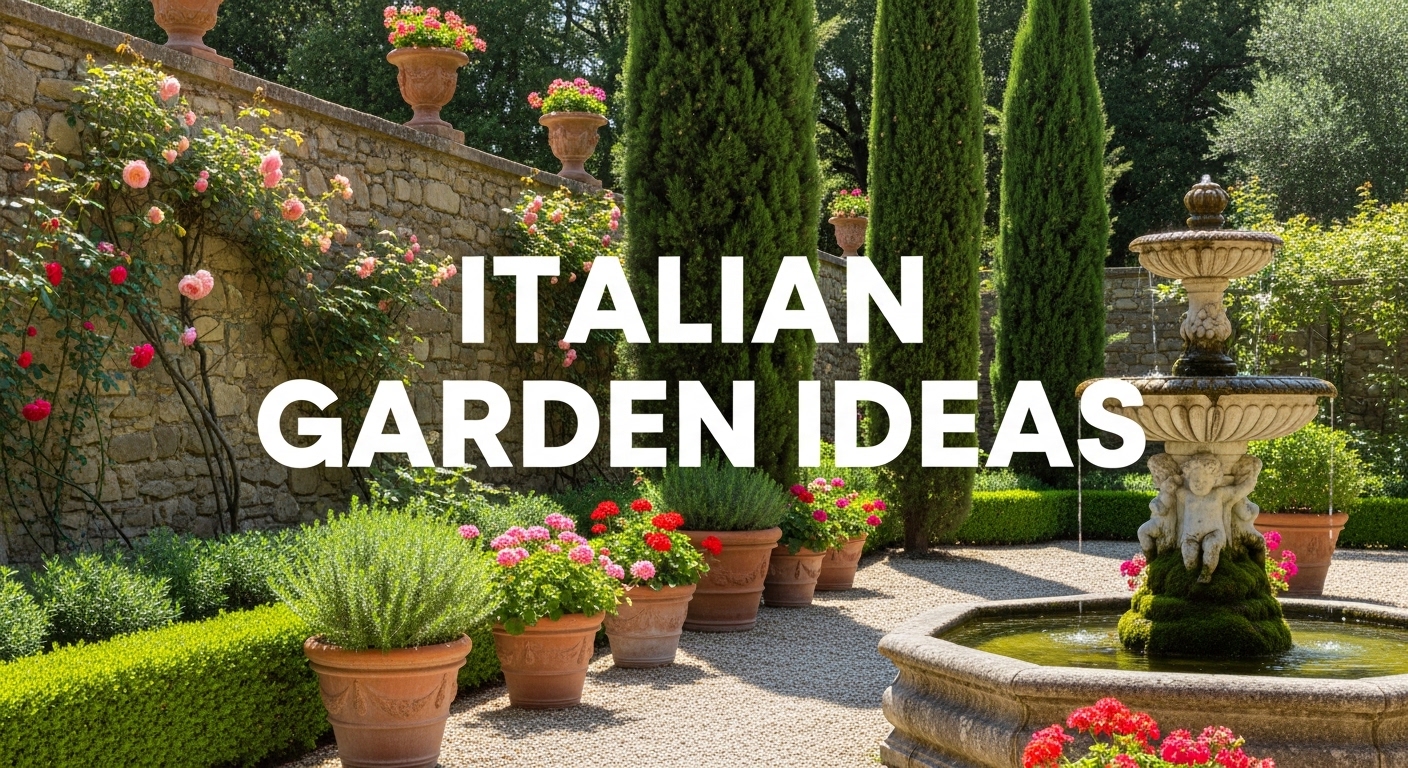
Italian gardens have always been shaped by daily life rather than spectacle. They were built for walking, resting, growing food, and gathering, not for decoration alone. This balance between beauty and usefulness is what gives them their lasting appeal.
Timeless and Classic Italian Garden Spaces
Classic Italian garden layouts succeed because they are structured without being rigid. Clear paths, defined edges, and balanced planting create a sense of order that feels calming rather than formal. This approach works equally well in large yards and compact outdoor spaces.
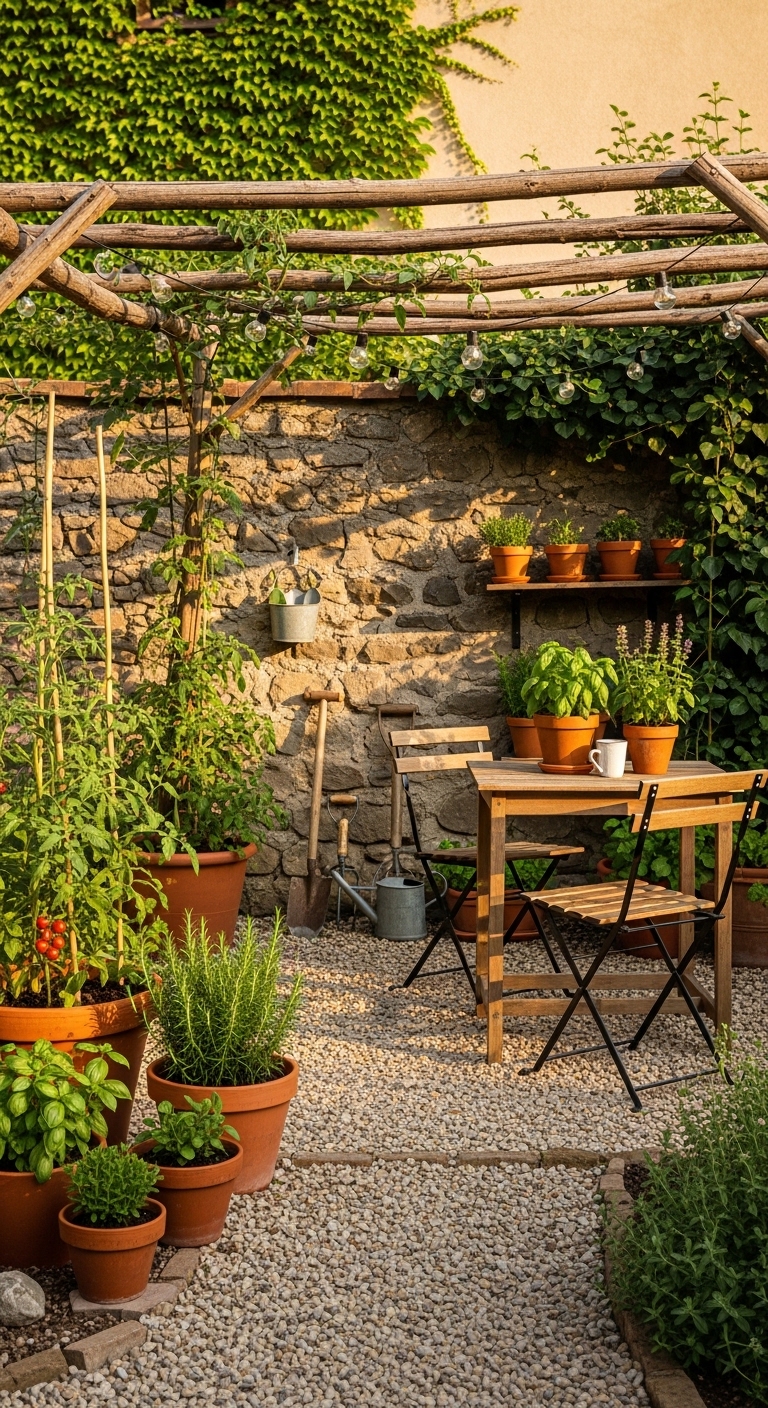
A common mistake is overloading the space with ornate features. True classic gardens rely on repetition and symmetry, not decoration. Keeping materials limited helps the garden feel cohesive and enduring.
Warm and Inviting Courtyard-Style Gardens
Courtyard-style Italian garden ideas focus on enclosure and comfort. Walls, hedges, or fencing define the space and create a sense of retreat, making even urban gardens feel private and welcoming.
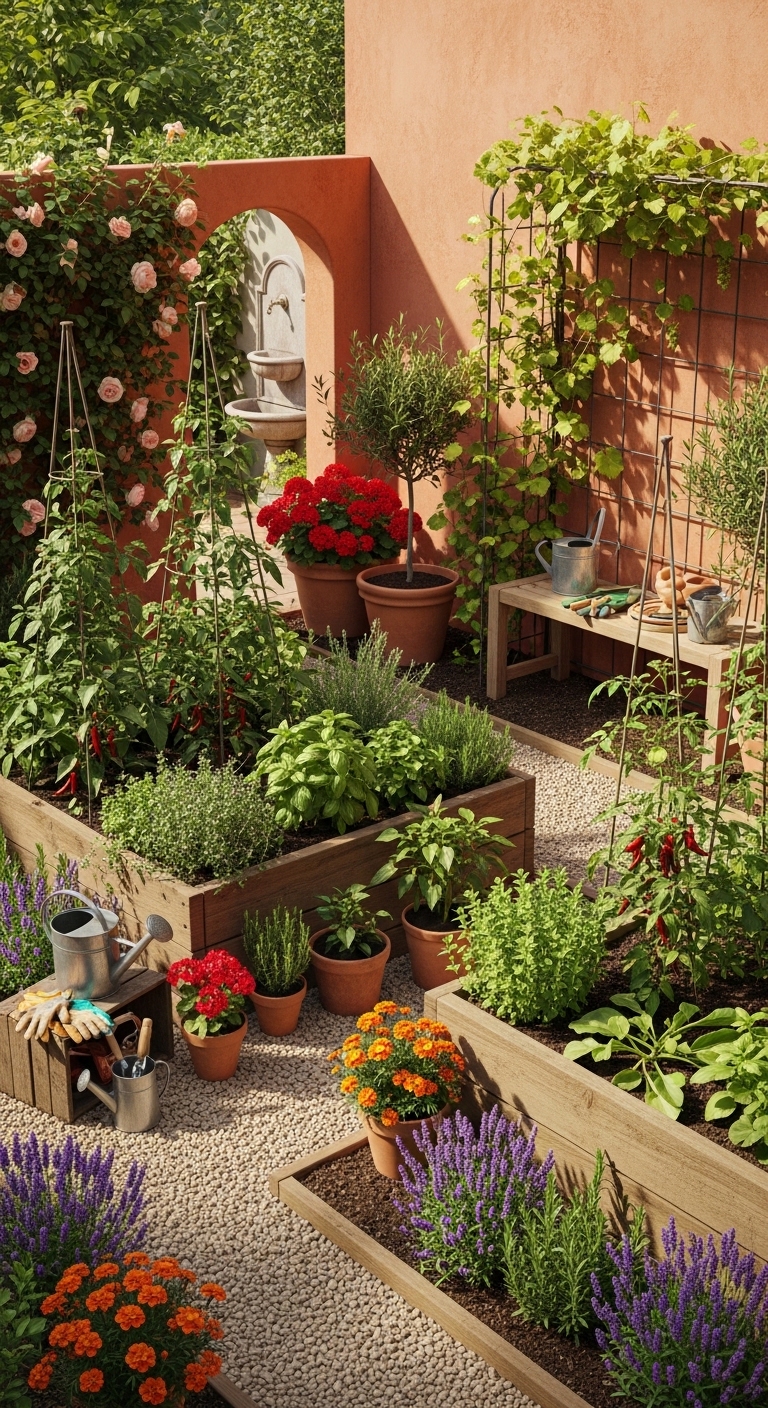
Many homeowners overcrowd courtyards with plants. Leaving open floor space allows air and light to circulate, making the garden feel larger and more usable.
Small-Space Optimized Italian Garden Layouts
Italian gardens adapt naturally to small spaces because they prioritize function over excess. Narrow paths, vertical planting, and compact seating allow gardens to feel intentional rather than squeezed.
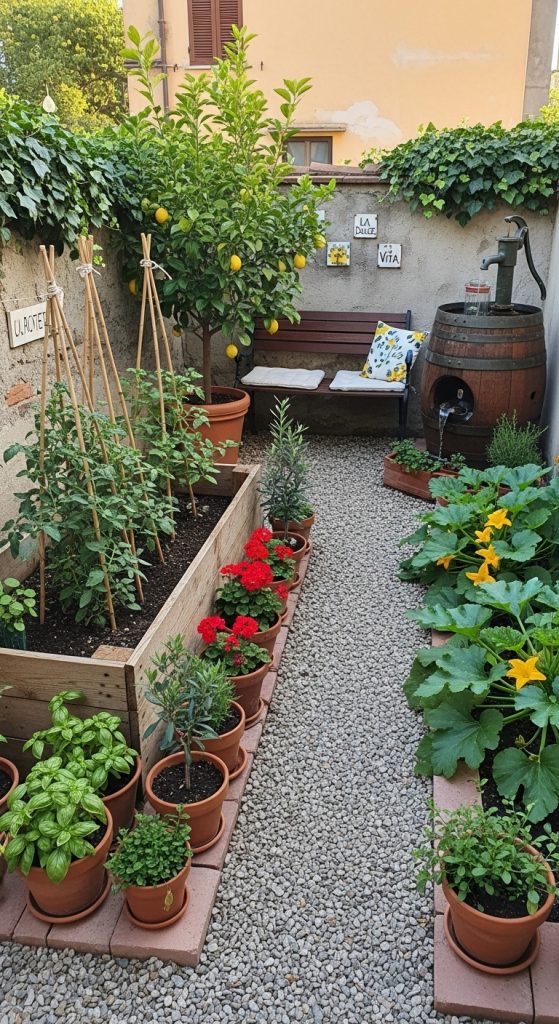
A frequent error is ignoring circulation. Every step should feel deliberate. When movement is clear, even the smallest garden feels composed and comfortable.
Functional Everyday Outdoor Living Areas
Italian garden ideas shine when gardens are treated as extensions of the home. Cooking, dining, and resting zones are arranged logically rather than scattered randomly.

Surfaces must withstand daily use. Stone paving, gravel, and sealed masonry age well and require minimal upkeep. Lighting focuses on usability rather than drama, supporting evening meals and quiet conversation.
One mistake is designing for occasional gatherings only. Gardens used every day should feel effortless, not staged or fragile.
Budget-Conscious Italian Garden Approaches
An Italian-inspired garden does not depend on expensive materials. Simple, honest finishes often create a more authentic feel than polished alternatives.

Gravel paths, reclaimed brick, and basic clay pots provide texture and warmth at a manageable cost. Investing in layout and proportion yields better results than spending heavily on decorative elements.
Overspending on focal features often leads to disappointment. A restrained budget encourages thoughtful choices that age more gracefully.
Family-Friendly and Practical Garden Spaces
Italian garden ideas support multi-generational use. Clear sightlines, durable surfaces, and shaded areas make these gardens suitable for families without sacrificing beauty.
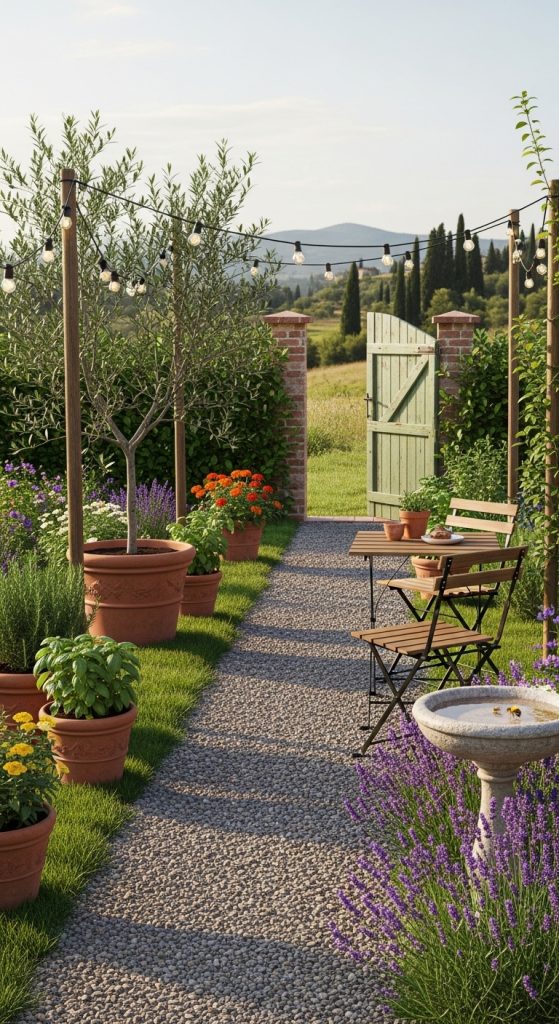
Paths are wide enough for comfortable movement, and planting avoids sharp edges or overly delicate specimens. Seating is stable and positioned where supervision feels natural.
A common mistake is separating play and relaxation too strictly. Flexible spaces allow gardens to evolve with family needs over time.
Minimal and Clean Italian Garden Interpretations
Minimal Italian gardens focus on clarity rather than decoration. Clean lines, limited materials, and controlled planting create calm, uncluttered outdoor spaces.
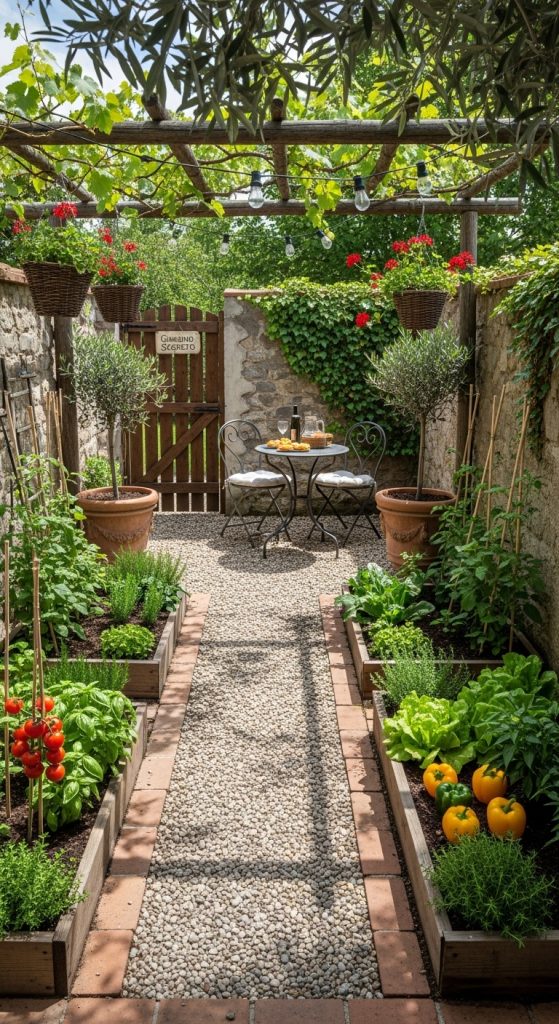
The most frequent error here is going too bare. Minimal does not mean empty. Texture and subtle variation prevent the space from feeling cold or unfinished.
Rustic and Natural Italian Garden Character
Rustic Italian garden ideas embrace imperfection and age. Weathered stone, uneven surfaces, and informal planting create warmth and authenticity.

Homeowners often confuse rustic with messy. Clear boundaries and intentional placement keep the garden feeling relaxed, not neglected.
Rental-Friendly and Temporary Garden Solutions
Italian garden principles adapt well to rental situations. Freestanding planters, gravel surfaces, and movable furniture allow transformation without permanent changes.
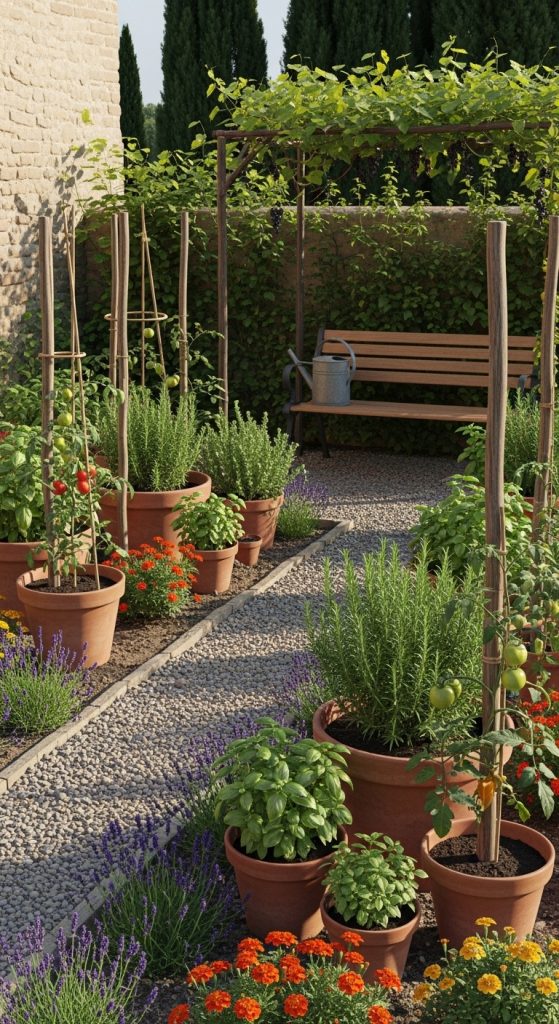
A mistake renters often make is over-investing in fixed features. Portable elements protect both budget and freedom while still delivering atmosphere.
Material and Finish Choices That Last Outdoors
Material selection defines the longevity of an Italian-style garden. Natural finishes age better than synthetic alternatives and develop character over time.
| Material | Durability | Maintenance | Best Use |
|---|---|---|---|
| Natural stone | Very high | Low | Paths, seating, borders |
| Gravel | High | Low | Walkways, drainage areas |
| Clay pots | Moderate | Medium | Container planting |
| Wood | Moderate | Medium to high | Pergolas, furniture |
Choosing materials based on climate and usage prevents premature wear. Mixing too many finishes often weakens the overall effect.
Personal and Character-Driven Italian Gardens
The most successful Italian garden ideas feel personal rather than copied. Small details such as favorite plants, meaningful seating spots, or handmade elements add depth.
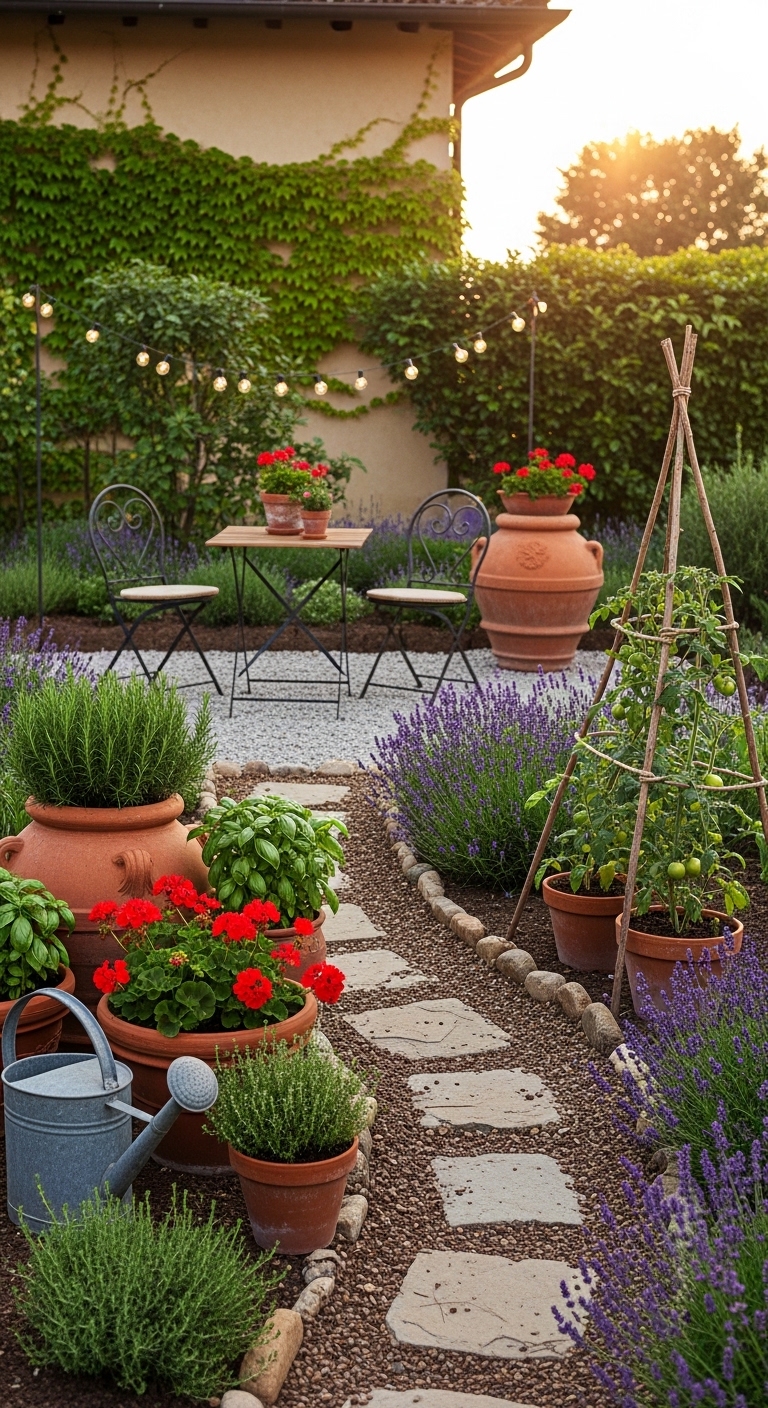
A common mistake is chasing uniqueness through excess. Personality emerges more naturally when the garden reflects daily habits and quiet pleasures.
Italian garden ideas endure because they respect how people live outdoors. When space, materials, and movement are aligned, the garden becomes a place of rest rather than display. This timeless approach continues to serve homes well, regardless of size or budget.