
DIY Fairy Garden That Brings Lasting Charm
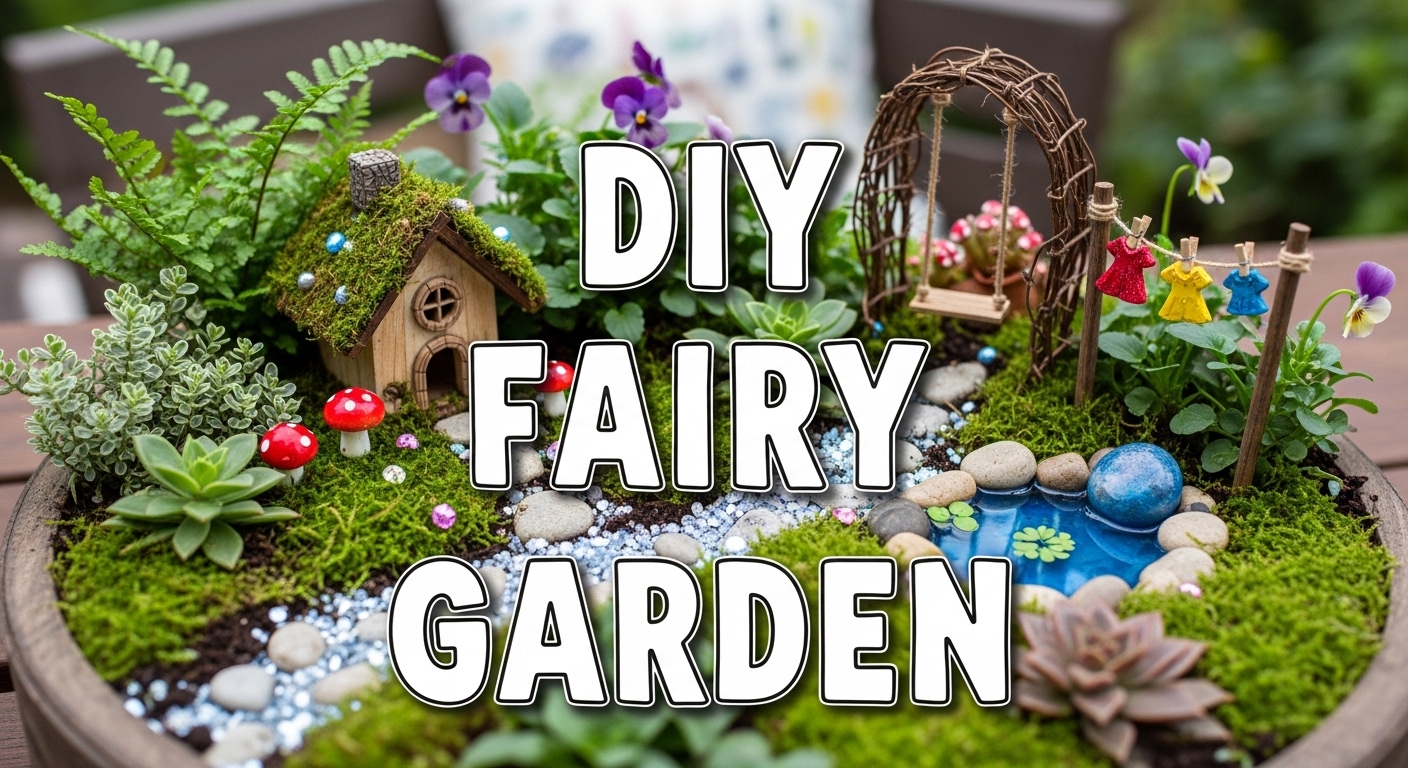
A DIY fairy garden is more than a decorative project; it is a way of shaping a small world with intention and care. Over the years, I have seen these miniature landscapes bring calm to patios, spark imagination in children, and soften overlooked corners of a yard. When thoughtfully built, they become lasting features rather than seasonal crafts.
The success of a fairy garden depends less on whimsy and more on structure. Good proportions, durable materials, and sensible placement determine whether it feels magical or messy.
Naturalistic Outdoor Settings
A fairy garden placed within an existing garden bed works best when it blends with the surrounding landscape rather than competing with it. Choosing a quiet corner near shrubs or low perennials creates a sense of discovery while protecting delicate miniatures from heavy foot traffic.

Proportion is critical outdoors. Structures should be scaled to sit comfortably among plants without disappearing entirely. Use weather-resistant materials such as sealed resin, treated wood, or stone, and ensure proper drainage beneath the base layer to prevent pooling after rain. A common mistake is overcrowding the space with accessories; negative space allows the setting to feel believable and calm.
Container-Based Creations for Patios and Balconies
For homeowners with limited ground space, containers provide control and flexibility. A wide, shallow planter often works better than a deep pot because it offers more visible surface area for layout and storytelling.

Use lightweight potting mix and add a drainage layer of gravel at the base. Terracotta, concrete, and frost-resistant ceramic are reliable choices for durability. Avoid top-heavy arrangements that tip easily in wind, and keep scale in mind so pathways and structures feel proportional rather than cramped.
Indoor Tabletops and Shelved Displays
Indoor fairy gardens require careful attention to light and moisture. Position them near bright, indirect sunlight to support live plants without overheating delicate components.

Because indoor environments lack natural drainage, select containers with hidden trays or use preserved moss and artificial greenery for low-maintenance options. Wood elements should be sealed to prevent warping. A frequent oversight is overwatering; miniature landscapes need far less moisture than full-sized planters.
Child-Friendly and Family-Oriented Layouts
When children are involved, durability and safety become priorities. Avoid sharp metal accents or fragile glass components, especially in accessible areas.

Keep pathways wide enough for small hands to rearrange pieces without knocking over structures. Resin and sturdy polymer materials withstand handling far better than delicate ceramics. Encourage open areas within the layout so children can interact without dismantling the entire composition.
Minimal and Refined Interpretations
A restrained fairy garden often feels more elegant and timeless. Limiting the palette to natural tones such as stone gray, soft greens, and muted browns prevents visual clutter.

Use repetition in materials to unify the space. For example, a single type of gravel for pathways and borders maintains cohesion. Overly bright accessories can distract from the landscape effect and date the display quickly.
Budget-Conscious Builds That Still Feel Thoughtful
A meaningful DIY fairy garden does not require specialty kits. Many of the most successful projects use found materials and simple construction methods.

Consider repurposing small branches for fencing, flat stones for stepping paths, and broken pottery for edging. The table below outlines practical material comparisons for cost and durability:
| Material | Cost Level | Durability | Best Use |
|---|---|---|---|
| Resin | Moderate | High | Outdoor structures |
| Untreated wood | Low | Moderate | Indoor accents |
| Sealed wood | Moderate | High | Outdoor features |
| Natural stone | Low to Moderate | Very High | Paths and borders |
| Polymer clay | Low | Moderate | Custom details |
Avoid spending heavily on fragile ornaments that may weather poorly. Investment is better placed in the base container and structural components.
Small-Space Optimized Corners
In compact homes or apartments, scale discipline becomes even more important. A small tray garden can sit comfortably on a windowsill if elements are carefully edited.

Keep vertical components low to avoid blocking light. Shallow containers prevent the display from feeling bulky. Many homeowners mistakenly choose containers that are too small for balanced composition, resulting in overcrowding. Allow breathing room so each element can be appreciated.
Seasonal and Adaptable Arrangements
Fairy gardens can shift gently with the seasons without becoming trend-driven. Subtle adjustments such as adding autumn-toned gravel or spring bulbs maintain freshness while preserving structure.

Select base materials that remain neutral year-round. Removable decorative pieces allow for change without disturbing planted sections. Avoid permanently gluing every accessory in place, as flexibility extends the garden’s lifespan.
Rustic and Woodland-Inspired Themes
Woodland interpretations work well when grounded in realistic textures. Moss, bark, and stone create an organic setting that feels integrated rather than staged.

Layering is essential. Taller plantings toward the back and lower ground covers at the front create depth within a small footprint. Ensure wood pieces are properly dried and sealed to prevent rot. One common error is mixing too many unrelated materials, which disrupts cohesion.
Contemporary and Clean-Lined Approaches
A modern fairy garden emphasizes geometry and restraint. Straight pathways, simplified structures, and controlled color schemes create a composed effect.

Use smooth pebbles, fine sand, and minimal ornamentation. Lighting can be integrated with small solar accents outdoors or discreet LED strips indoors. Overcomplicating a modern layout with ornate decorations undermines its clarity.
Personalized and Story-Driven Creations
Personal touches give a DIY fairy garden emotional value. Incorporating heirloom miniatures or handcrafted pieces can transform the display into something meaningful.

Maintain scale consistency so sentimental additions do not overwhelm the layout. Materials should complement rather than compete with the overall palette. When personalization is done thoughtfully, the garden feels cohesive rather than cluttered.
Practical Construction Considerations
Every successful fairy garden begins with a stable base. Whether in-ground or container-based, proper drainage and soil selection determine longevity.

Use a layered approach:
- Gravel or small stones at the base for drainage
- Quality potting mix suitable for chosen plants
- A top layer of decorative gravel or moss for finish
Avoid compacting soil too tightly, as roots require airflow. Regular maintenance such as trimming plants and cleaning pathways preserves clarity.
Lighting and Atmosphere
Lighting influences how a fairy garden is perceived, particularly in shaded outdoor spaces or indoor environments. Gentle illumination enhances depth without overwhelming the miniature scale.

Solar lights work well outdoors but must be placed where they receive adequate sunlight. Indoors, low-voltage LED options are safest. Avoid excessive brightness, which can distort proportions and diminish the subtlety of the setting.
Maintenance and Longevity
Durability depends on thoughtful maintenance. Outdoor fairy gardens should be checked after heavy rain or wind to reposition elements and clear debris.

Indoor versions benefit from occasional dusting and careful watering. Replace organic components such as moss when they deteriorate. Planning for maintenance from the beginning prevents the display from looking neglected over time.
A well-built DIY fairy garden is not fragile decoration. With solid construction, sensible materials, and disciplined layout, it can remain a charming feature for years. By focusing on proportion, durability, and thoughtful placement, homeowners create miniature landscapes that feel grounded, balanced, and enduring.