
Rooftop Garden Ideas That Transform Unused Space
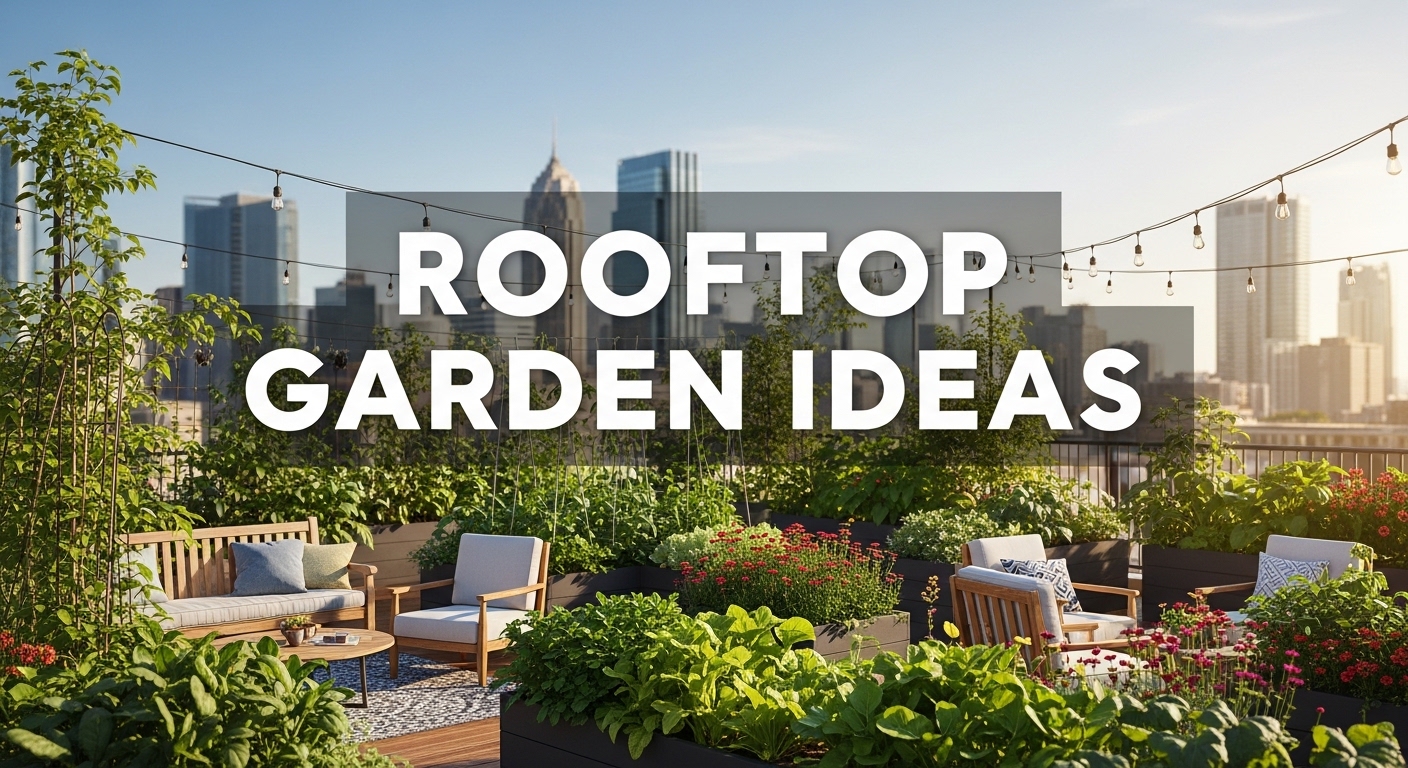
Rooftop gardens are not a modern invention. Long before dense cities and compact homes made outdoor space feel scarce, people were already lifting gardens upward—to cool buildings, grow food, create privacy, and reclaim nature where land was limited. From ancient terraced roofs in the Middle East to courtyard-adjacent rooftops in Southern Europe, these elevated spaces have always been about more than plants.
Understanding Structural Reality Before Design Decisions


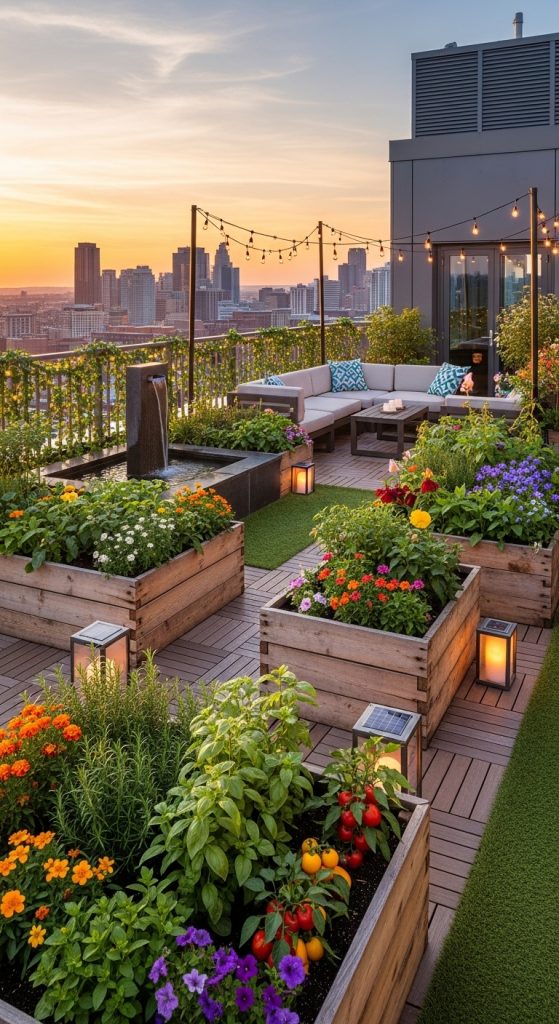


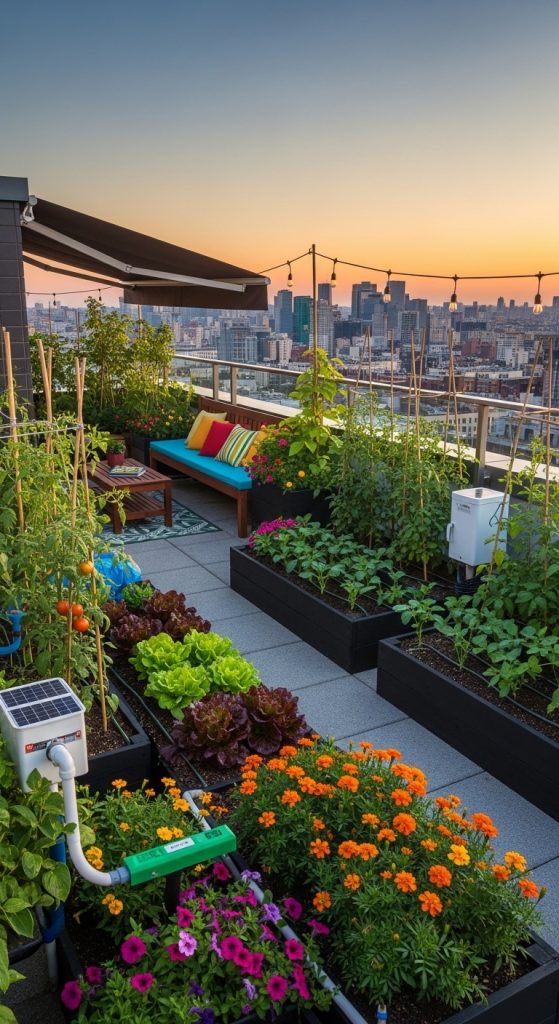


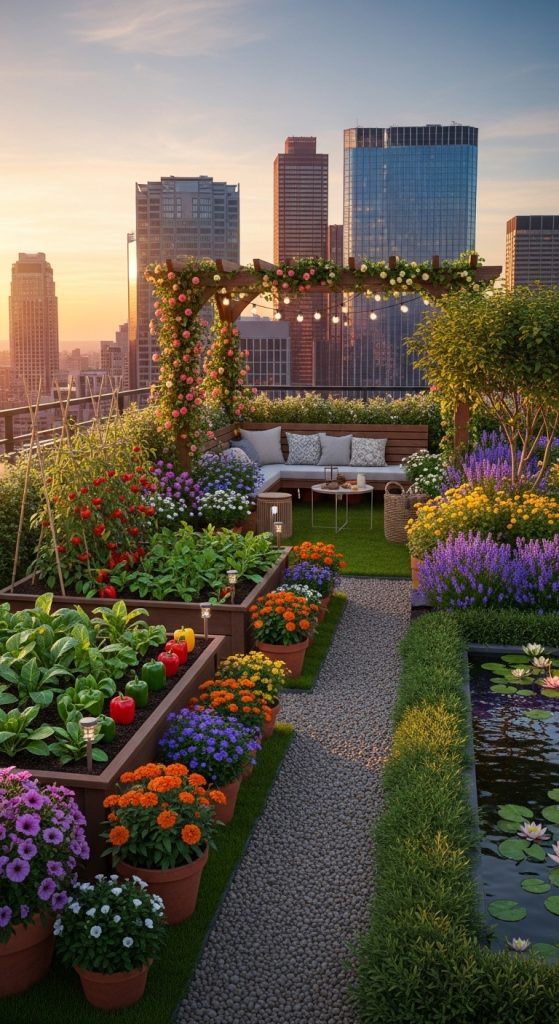


Every rooftop garden begins with a practical truth: roofs are engineered structures with limits. Ignoring those limits is the most common and costly mistake homeowners make. Before thinking about furniture, planters, or finishes, the roof’s load capacity, waterproofing system, and drainage must be understood.
Concrete roofs generally allow more flexibility than timber-framed structures, but even solid slabs have weight thresholds. Soil, saturated planters, stone tiles, and water features add up quickly. A restrained approach to materials often results in a safer, more elegant garden.
Key considerations that should guide early decisions include:
- Load-bearing capacity and distribution
- Existing waterproof membrane condition
- Drainage slopes and scupper locations
- Wind exposure at roof height
- Access points and stair safety
Designing within these realities encourages lighter materials, modular systems, and intentional zoning. Instead of covering the entire roof, defining specific garden zones allows the structure to breathe and the space to feel composed rather than cluttered.
Creating a Rooftop Garden That Feels Like a Room
The most successful rooftop gardens feel like outdoor rooms rather than decorative decks. This sense of enclosure comes from proportion, edge definition, and vertical elements that frame the sky rather than compete with it.
Planters can function as walls when their height is carefully controlled. A planter between knee and waist height subtly defines boundaries without blocking views. Taller planting should be used selectively to shield from wind or neighboring sightlines.
Think in layers:
- Floor plane: decking, tiles, or gravel zones
- Mid-height: seating, planters, low tables
- Vertical layer: trellises, screens, pergolas
This layered approach creates intimacy even on exposed rooftops. Lighting reinforces this effect. Low, warm lights placed near seating and planting make the space usable after sunset while avoiding glare or harsh shadows.
A rooftop garden that feels like a room is one people return to daily, not just on special occasions.
Choosing Flooring That Balances Weight, Drainage, and Comfort
Flooring decisions define how the rooftop garden is used. Hard surfaces invite dining and movement, while softer textures encourage lounging and barefoot comfort. The challenge is finding materials that perform structurally while aging gracefully outdoors.
Common rooftop flooring options include:
| Material Type | Advantages | Considerations |
|---|---|---|
| Wood deck tiles | Lightweight, warm underfoot | Requires maintenance, weather exposure |
| Porcelain pavers | Durable, modern appearance | Must be pedestal-mounted |
| Gravel systems | Excellent drainage, low weight | Needs edging and periodic leveling |
| Artificial turf | Soft and lightweight | Heat retention, visual realism varies |
Pedestal systems that raise tiles or decking off the waterproof membrane are strongly preferred. They protect the roof, allow drainage, and make future maintenance possible without demolition.
Avoid continuous concrete toppings or heavy stone slabs unless structural engineers explicitly approve them. Longevity comes from restraint, not excess.
Plant Selection That Thrives in Rooftop Conditions
Rooftop gardens experience harsher conditions than ground-level landscapes. Wind, heat, and sun exposure are intensified, while soil depth is limited. Plant choices must reflect this reality.
Drought-tolerant and shallow-rooted plants perform best. Ornamental grasses, Mediterranean shrubs, succulents, and compact trees adapted to containers tend to thrive. Seasonal color can be added through movable pots rather than permanent beds.
A practical planting strategy includes:
- Evergreen structure plants for year-round form
- Perennials for seasonal change
- Herbs or edibles where maintenance allows
- Wind-resistant species near edges
Grouping plants by water needs simplifies irrigation and reduces stress on both plants and systems. Automatic drip irrigation is not a luxury on rooftops; it is a long-term necessity that protects both plants and roof membranes from overwatering errors.
Designing for Wind, Sun, and Microclimate Control
Microclimate management is what separates a rooftop garden that looks good from one that feels good. Wind is often underestimated. Even moderate breezes at street level can become disruptive at roof height.
Screens, pergolas, and planting buffers are not decorative afterthoughts; they are functional tools. Slatted screens allow airflow while reducing gust strength. Pergolas provide partial shade without creating wind tunnels.
Sun exposure should be mapped throughout the day. Full-sun rooftops benefit from:
- Shade sails or retractable awnings
- Light-colored surfaces to reduce heat
- Plant canopies placed near seating zones
Designing with climate in mind extends the usable hours of the rooftop and reduces plant stress, furniture damage, and personal discomfort.
Furniture Choices That Respect Scale and Exposure
Oversized furniture overwhelms rooftop gardens and strains structural limits. Lightweight, low-profile pieces perform better visually and practically. Materials should tolerate UV exposure, moisture, and temperature swings.
Recommended furniture materials include:
- Powder-coated aluminum
- Treated hardwoods like teak or acacia
- All-weather woven resin
- Stainless steel with marine-grade finishes
Furniture placement should follow circulation logic. Clear paths prevent tripping hazards and make the space feel intentional. Built-in seating along planters often provides the best balance of weight distribution and space efficiency.
Avoid glass-topped tables in windy conditions and cushions without secure fastenings. Practical choices ensure the garden remains usable rather than constantly needing adjustment.
Lighting That Extends Use Without Overexposure
Lighting is often the final layer, but it should be planned early. Electrical access, waterproof fixtures, and cable routing must align with the overall layout.
A balanced lighting plan uses multiple low-intensity sources:
- Recessed step lights for safety
- Planter uplights for depth
- Table or lantern lighting for intimacy
Harsh overhead floodlights flatten the space and create glare. Warm color temperatures preserve the garden’s calm atmosphere and reduce disruption to neighboring buildings.
Solar lighting can supplement wired systems but should not be the sole source due to reliability issues in shaded or overcast conditions.
Small Rooftop Gardens That Feel Expansive
Limited square footage does not limit impact. In fact, small rooftop gardens often feel more personal and refined when designed with discipline.
Key strategies include:
- One primary function, not many
- Built-in elements instead of loose furniture
- Vertical planting to free floor space
- Consistent material palette
Mirrors are rarely suitable outdoors, but reflective metal surfaces and light-toned finishes can subtly expand visual boundaries. Keeping the floor mostly open allows the sky to dominate the experience, which is the rooftop’s greatest asset.
Budget-Conscious Rooftop Garden Planning
A rooftop garden does not need to be expensive, but it does need to be prioritized correctly. Spending on waterproofing, drainage, and structural safety always comes first. Decorative elements can evolve over time.
Budget-friendly approaches include:
- Modular planters instead of custom masonry
- Deck tiles rather than fixed decking
- Young plants that mature gradually
- Phased installations across seasons
Temporary solutions like movable pots and foldable furniture allow renters or short-term homeowners to enjoy rooftop gardens without permanent alterations. The key is choosing quality basics that can transition with you.
Maintenance Planning for Long-Term Enjoyment
Maintenance determines whether a rooftop garden becomes a joy or a burden. Designs that look effortless usually rely on simplified systems and realistic expectations.
Consider maintenance needs honestly:
- Access to water and drainage
- Safe cleaning of floors and planters
- Seasonal plant care requirements
- Furniture storage during extreme weather
Low-maintenance gardens often outperform complex designs in the long run. Simpler planting schemes, durable materials, and clear access paths reduce long-term costs and stress.
Common Rooftop Garden Mistakes and How to Avoid Them
Experience reveals patterns in what goes wrong. The most frequent issues include overloading structures, underestimating wind, and choosing materials unsuitable for exposure.
Avoid these pitfalls by:
- Consulting professionals early
- Testing layouts before permanent installation
- Prioritizing comfort over novelty
- Designing for how the space will age
Timeless rooftop gardens are not trend-driven. They are rooted in proportion, function, and respect for the building itself.
Bringing It All Together With Intention
A rooftop garden is not a display; it is a lived space. When designed thoughtfully, it becomes part of daily life rather than an occasional backdrop. The best rooftop gardens feel calm, balanced, and quietly generous, offering a pause from the built environment without ignoring its constraints.
By working with structure instead of against it, choosing materials that age with dignity, and designing around real habits rather than imagined ones, rooftop garden ideas transform into enduring outdoor rooms that reward their owners year after year.