Balcony Garden Ideas – Outdoor Living Space at Home
A balcony garden is not a modern invention, nor is it a decorative indulgence. Long before urban apartments became the dominant form of housing, people used elevated outdoor spaces as functional extensions of their homes. From the hanging gardens described in ancient texts to the modest plant-filled verandas of early city dwellers, balconies have always served a dual purpose: providing fresh air while reconnecting daily life with nature.
A well-considered balcony garden does not depend on size, climate, or budget. It depends on understanding how people actually use space, how light and wind behave at elevation, and how materials age over time. Whether the balcony serves as a morning retreat, a space for growing herbs, or a quiet corner to unwind after long days, the goal is always the same: to create an outdoor room that feels grounded, practical, and lasting rather than temporary or ornamental.
Understanding the Balcony as a Living Space


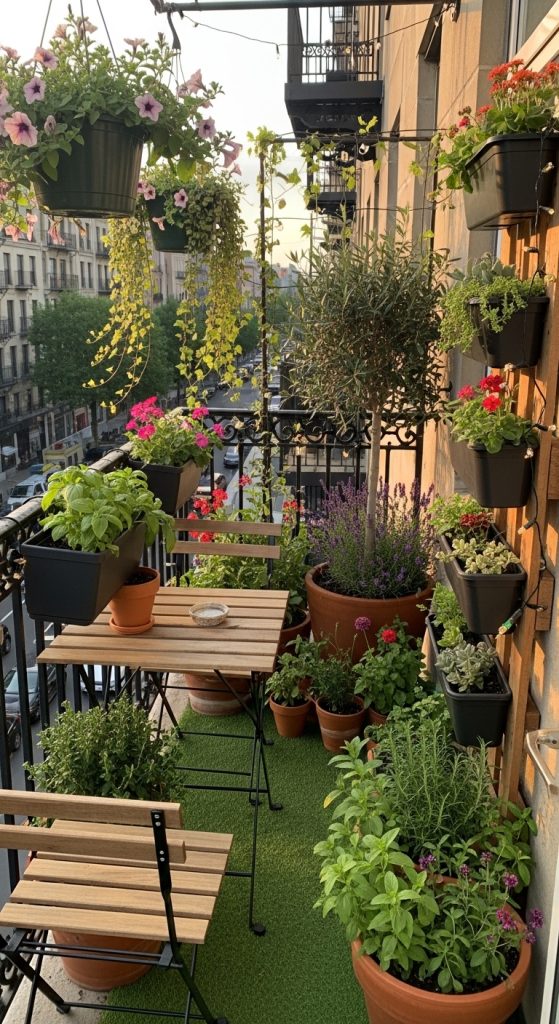
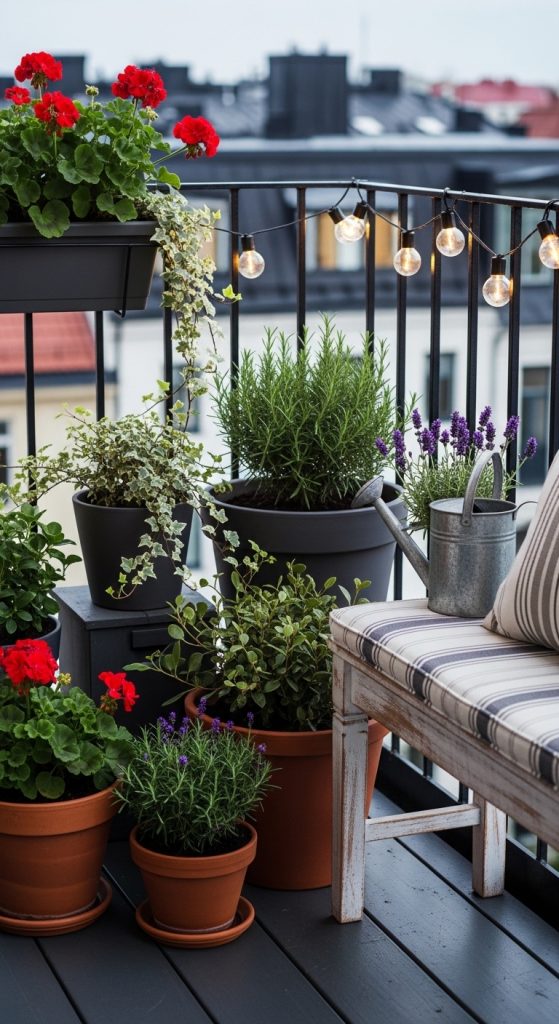
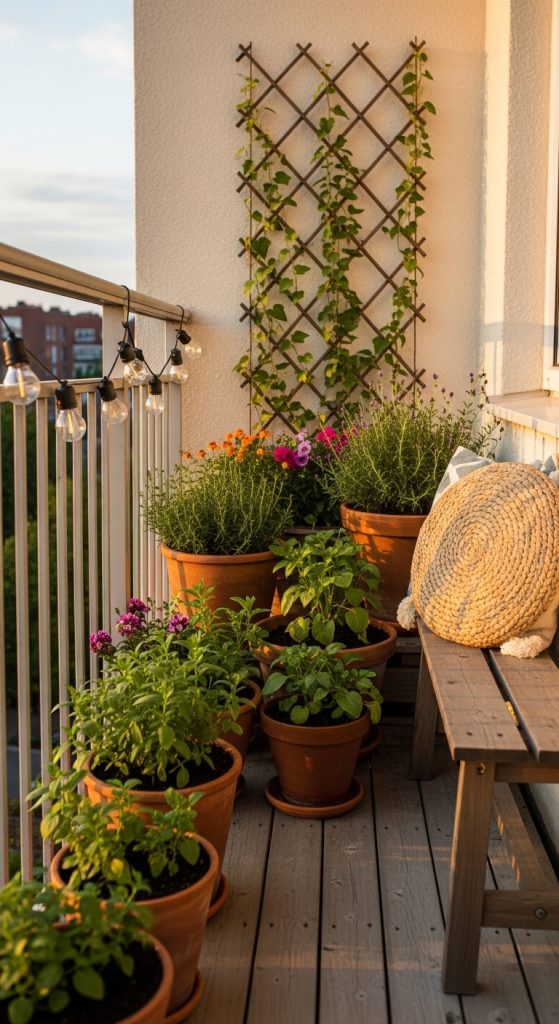
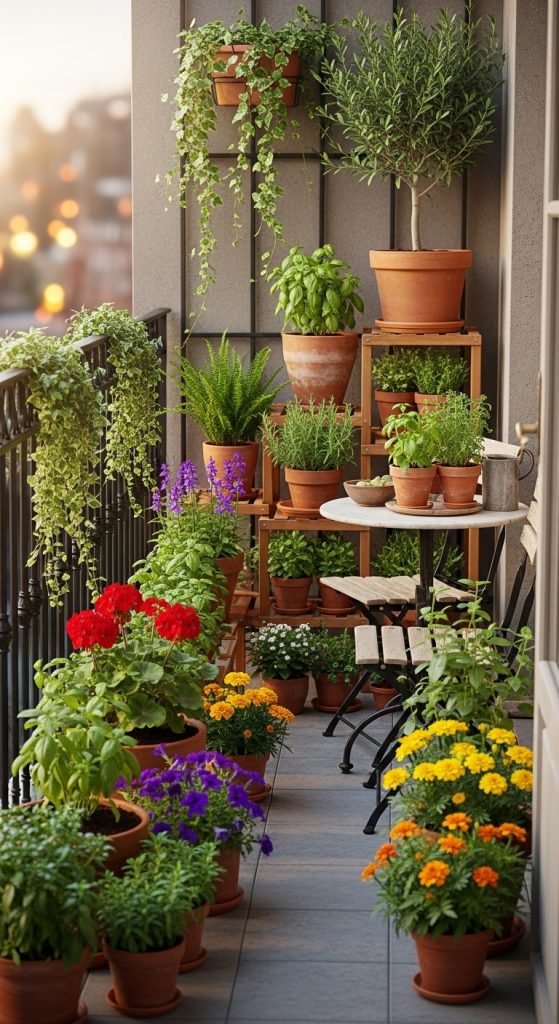
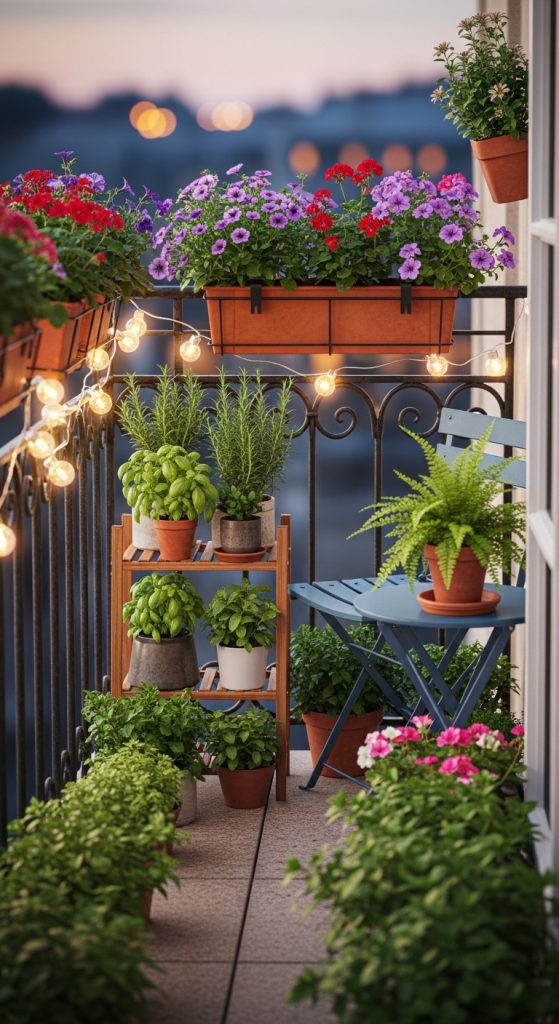
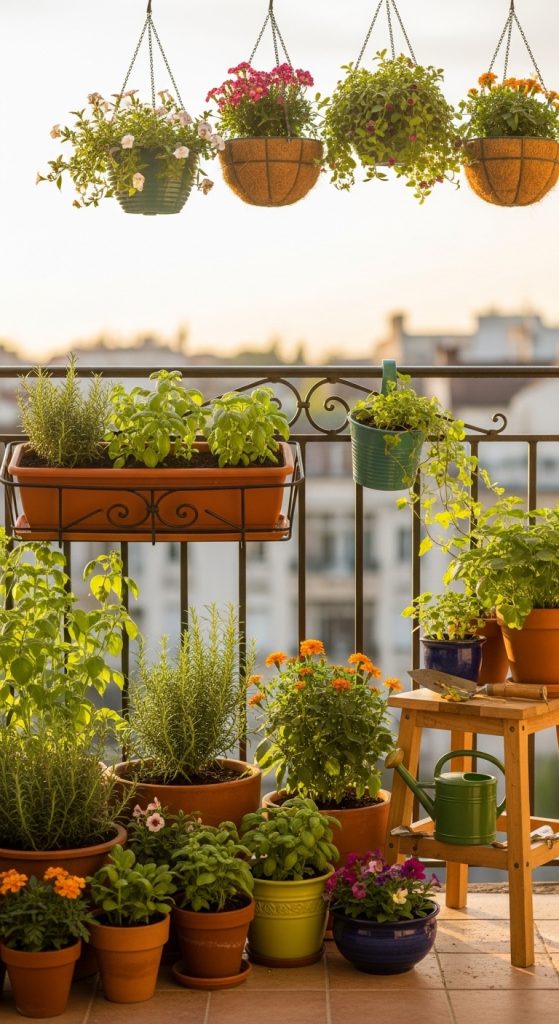
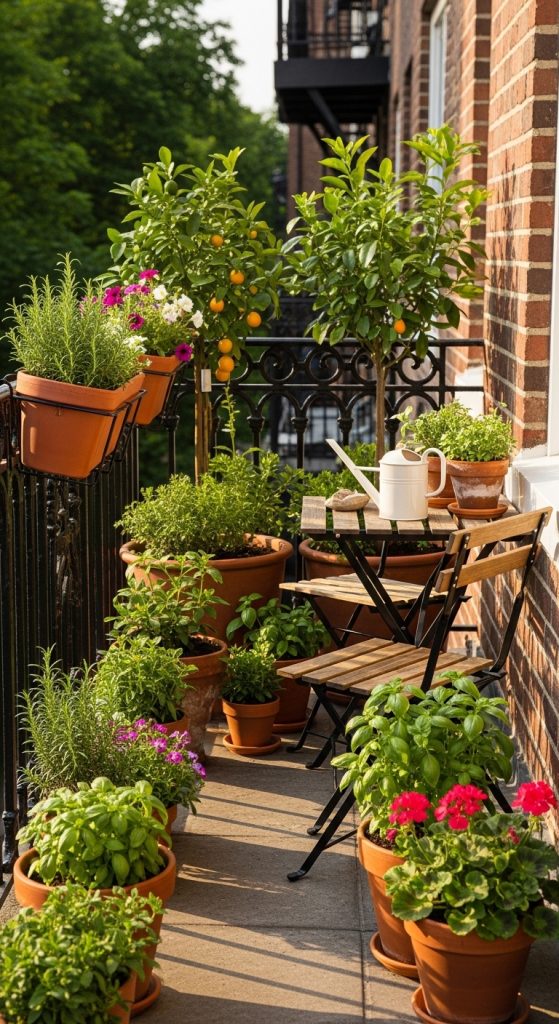
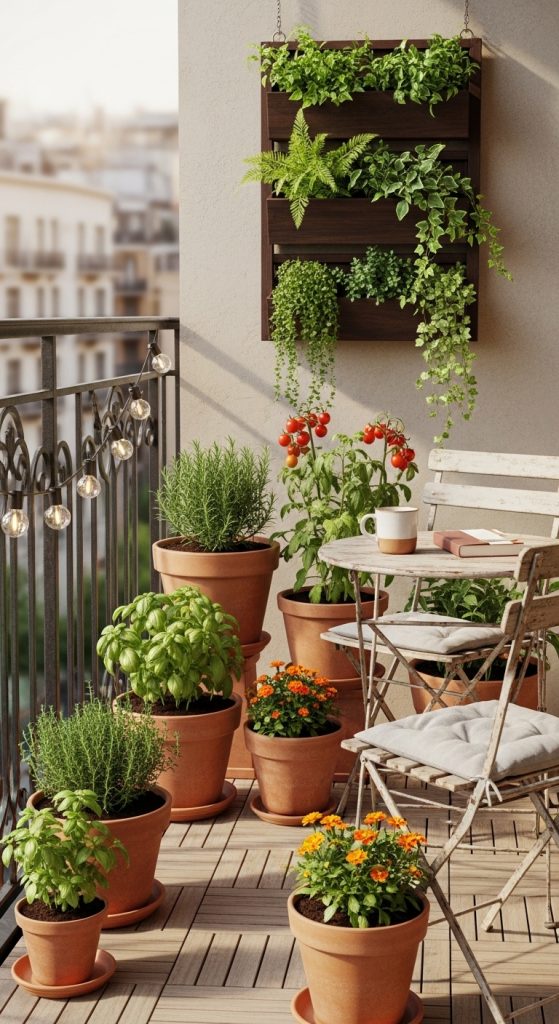
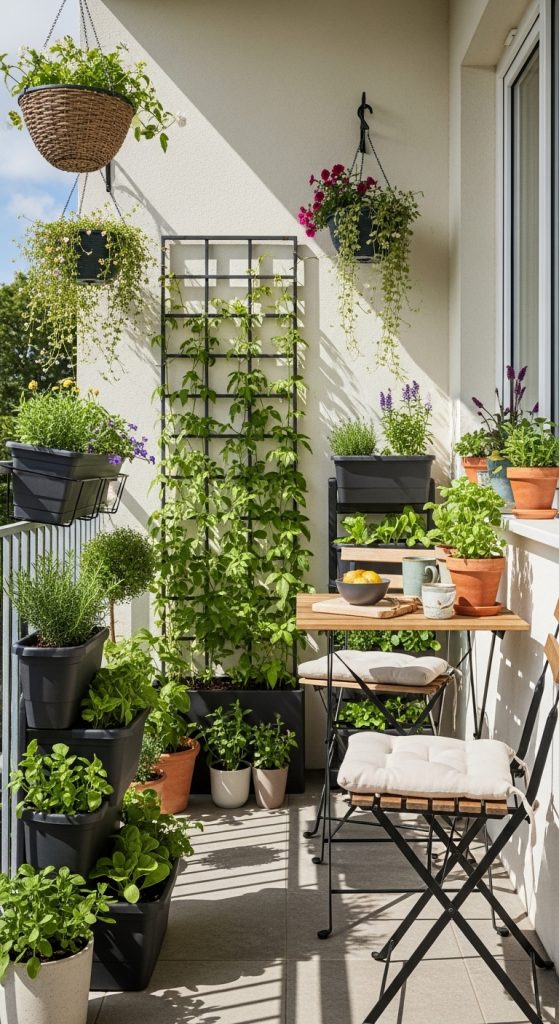
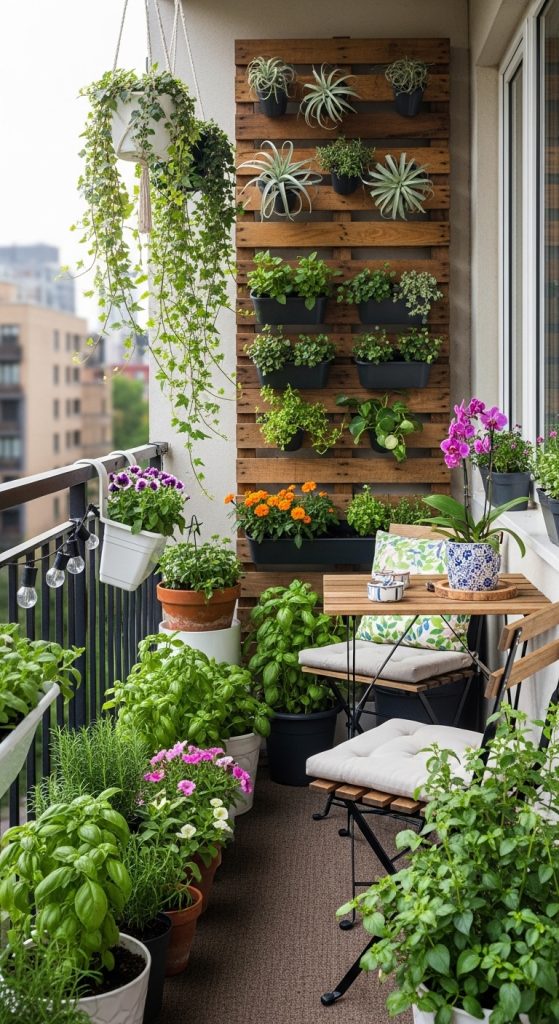
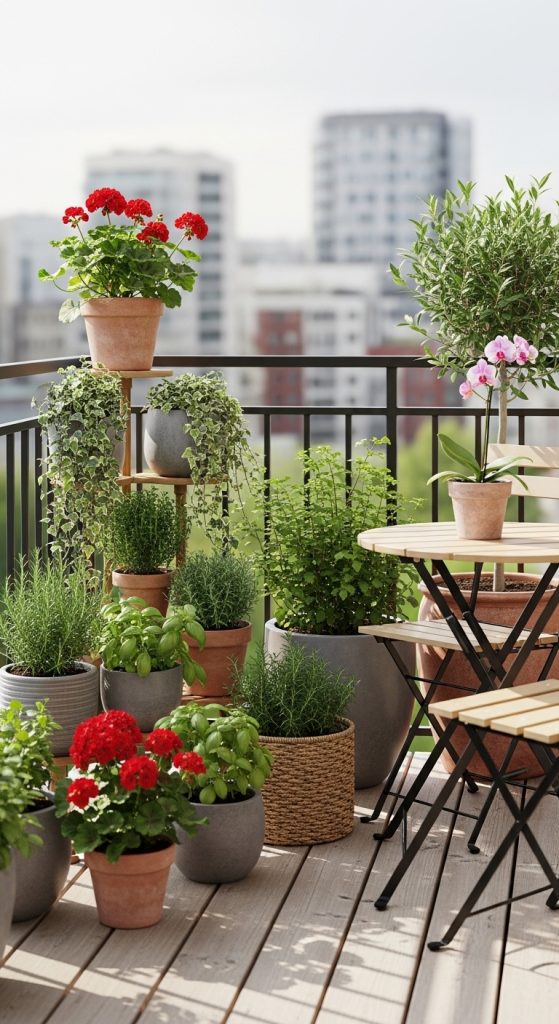
Before choosing plants or furniture, it is essential to view the balcony as a functional room rather than an afterthought. A balcony has constraints that indoor spaces do not, including weight limits, exposure to weather, wind pressure, and direct sunlight. Treating it like a living space means planning circulation, defining zones, and allowing enough clearance for movement.
Key planning considerations include:
- How often the space will be used and at what time of day
- Whether seating is essential or optional
- How doors and windows open into the balcony
- Local climate conditions such as heat, humidity, and rainfall
A balcony garden works best when it supports daily habits rather than competing with them.
Working with Light, Wind, and Exposure
Balconies experience environmental conditions more intensely than ground-level gardens. Sunlight may be harsher, winds stronger, and temperature changes more noticeable. Understanding exposure is the foundation of long-term success.
Ignoring exposure leads to constant plant replacement, wasted money, and frustration. Matching plants to conditions creates a garden that improves with time rather than declining.
Choosing Containers That Support Growth and Safety
Container selection affects not only appearance but also plant health and balcony safety. Drainage, weight, and material durability all matter.
A practical comparison of common container materials:
| Material | Durability | Weight | Maintenance | Best Use Case |
|---|---|---|---|---|
| Terracotta | Moderate | Medium | High | Small herbs and seasonal plants |
| Plastic | Low–Medium | Very light | Low | Temporary setups or rentals |
| Fiberstone | High | Medium | Low | Permanent balcony gardens |
| Concrete | Very high | Heavy | Very low | Fixed corners and wind-prone areas |
Always ensure containers have proper drainage and use saucers or trays to prevent water damage to flooring below.
Vertical Gardening for Space Efficiency
Vertical planting is one of the most effective ways to maximize greenery without sacrificing floor space. Walls, railings, and corner supports can all be used to introduce plant height and visual depth.
Vertical gardens work well in small balconies because they:
- Keep walking areas clear
- Create privacy without solid barriers
- Allow layering of different plant types
Creating Comfort Through Flooring and Surfaces
Flooring defines the balcony as a usable space rather than an exterior ledge. It also improves comfort underfoot and visually ties the garden together.
Interlocking deck tiles, outdoor rugs, and composite panels are popular options. Natural wood requires maintenance but offers warmth. Composite materials provide durability with minimal upkeep.
When choosing flooring, consider:
- Slip resistance during rain
- Heat retention in summer
- Ease of removal for renters
Avoid materials that trap water or create uneven surfaces, as these increase safety risks. A level, breathable surface extends the life of both plants and furniture.
Selecting Plants That Thrive in Containers
Container gardening demands plants with adaptable root systems and manageable growth habits. Large trees or aggressive climbers can overwhelm a balcony quickly.
A balanced mix often includes:
- Structural plants for height and permanence
- Mid-height foliage plants for fullness
- Small flowering or trailing plants for softness
Herbs and edible plants add practicality but require consistent sun and watering. Mixing decorative and functional plants creates a space that feels lived-in rather than staged.
One frequent mistake is choosing plants based solely on appearance without considering maintenance needs. High-maintenance plants increase workload and reduce enjoyment over time.
Seating and Furniture That Support Daily Use
Furniture determines whether a balcony garden becomes part of daily life or remains unused. Seating should match the scale of the space and the way it will be used.
Foldable chairs, built-in benches with storage, and narrow café tables are often ideal. Oversized furniture restricts movement and limits planting options.
Materials should be weather-resistant and comfortable. Metal furniture heats quickly in sun, while untreated wood degrades in moisture. Cushions should be removable and washable.
A balcony garden feels successful when it invites sitting, not just viewing.
Lighting for Evening Use and Safety
Lighting extends the usability of a balcony beyond daylight hours and adds atmosphere without relying on trends. Soft, indirect light is preferable to harsh brightness.
Solar lanterns, wall-mounted fixtures, and string lights are common choices. Focus lighting near seating areas and entry points improves safety.
Avoid over-lighting plants directly, as constant exposure disrupts growth and creates glare. The goal is gentle illumination that supports evening relaxation.
Privacy Without Blocking Airflow
Privacy is a major concern in apartment living. Balcony gardens can offer visual separation without sacrificing ventilation.
Options include:
- Tall plants along railings
- Slatted screens combined with climbers
- Fabric panels designed for outdoor use
Solid barriers often trap heat and reduce airflow. Semi-transparent solutions provide balance and adaptability.
Managing Watering and Drainage Responsibly
Water management is essential for plant health and neighbor relations. Overwatering leads to root rot and leakage issues.
Self-watering planters, drip irrigation kits, and moisture-retaining soil mixes reduce maintenance. Always test drainage before placing containers permanently.
Using trays and checking water runoff protects both the building structure and relationships with neighbors below.
Budget-Conscious Approaches That Last
A thoughtful balcony garden does not require large investment. Prioritizing fewer, high-quality items over many temporary purchases saves money long-term.
Start with essentials:
- Reliable containers
- Healthy plants suited to conditions
- Basic seating
Add decorative elements gradually as the space evolves. Avoid impulse purchases that do not serve a clear purpose.
Adapting Balcony Gardens for Renters
Renters face additional constraints, but these do not prevent meaningful gardens. The key is reversibility.
Freestanding planters, removable flooring, and lightweight furniture allow full use of the space without permanent alterations. Documenting the original condition of the balcony helps avoid disputes when moving out.
A renter-friendly balcony garden should feel personal without creating obligations.
Seasonal Care and Long-Term Maintenance
A balcony garden changes with seasons, and maintenance should reflect that rhythm. Regular pruning, cleaning, and soil refreshment keep the space healthy.
Plan for seasonal adjustments:
- Shade solutions in summer
- Wind protection in winter
- Plant rotation for year-round interest
Neglect often leads to decline, but over-maintenance causes burnout. Consistent, moderate care supports longevity.
Avoiding Common Balcony Garden Mistakes
Many balcony gardens fail due to preventable errors rather than lack of effort. The most common include overcrowding, ignoring exposure, and choosing unsuitable materials.
Another frequent mistake is copying designs without adapting them to local conditions. What works in one climate or building may fail in another.
Successful balcony gardens are tailored, not replicated.
Designing for Longevity Instead of Trends
Trends change quickly, but a balcony garden should mature gracefully. Neutral containers, natural materials, and adaptable layouts age better than themed designs.
Focus on structure first, then decoration. Plants grow and shift, but the underlying framework should remain functional for years.
A timeless balcony garden feels calm, intentional, and rooted in everyday life rather than visual novelty.
Making the Balcony a Natural Extension of the Home
The most successful balcony gardens feel connected to the interior rather than separate from it. Using similar colors, materials, and proportions creates continuity.
When the balcony supports routines such as morning coffee, evening reading, or quiet reflection, it becomes a meaningful part of the home rather than a decorative edge.
Balcony garden ideas succeed not through excess, but through understanding how people live, move, and rest in small outdoor spaces. When planned with care and restraint, even the smallest balcony can offer comfort, beauty, and a lasting connection to nature.