Terrace Garden Ideas That Balance Beauty
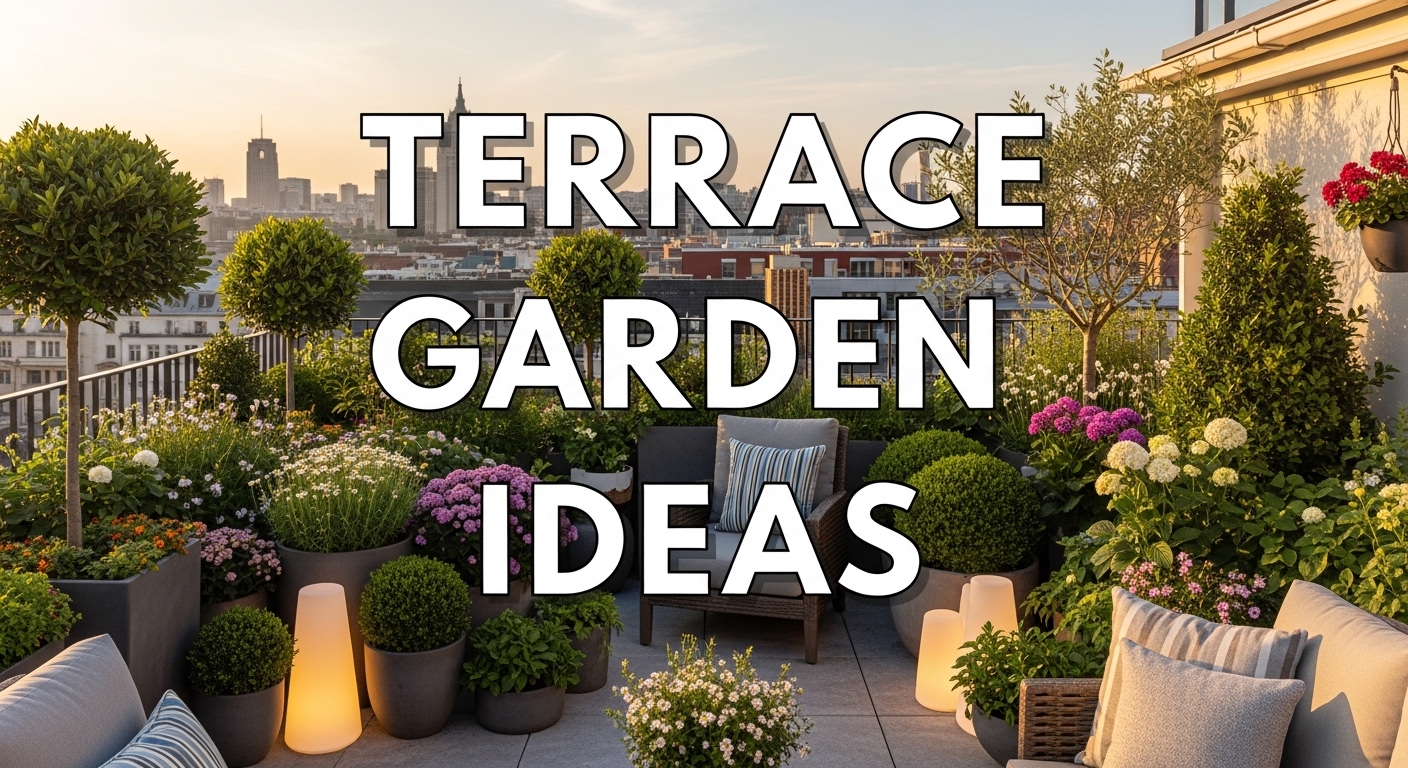
A terrace garden has always been more than a decorative addition to a home. Across centuries and cultures, elevated gardens were created not only to enjoy greenery but to reclaim calm, privacy, and utility in dense living environments. From ancient rooftop courtyards in warm climates to modest urban terraces adapted for modern apartments, these spaces have long served as extensions of daily life. A well-planned terrace garden respects structure, climate, and human habits equally. It is not about filling a surface with plants, but about shaping an outdoor room that works with light, weather, movement, and long-term maintenance. When done thoughtfully, a terrace garden becomes a place that feels intentional, durable, and deeply personal rather than decorative or temporary.
A terrace garden should always be approached as a living space first and a planted space second. Before any visual choices are made, it is important to understand how the terrace will actually be used throughout the day and year. Morning light, evening shade, wind exposure, and access points all influence how comfortable the space will feel. Once these factors are respected, planting, furniture, and materials can work together naturally rather than competing for attention.
Understanding the Structural Reality of a Terrace


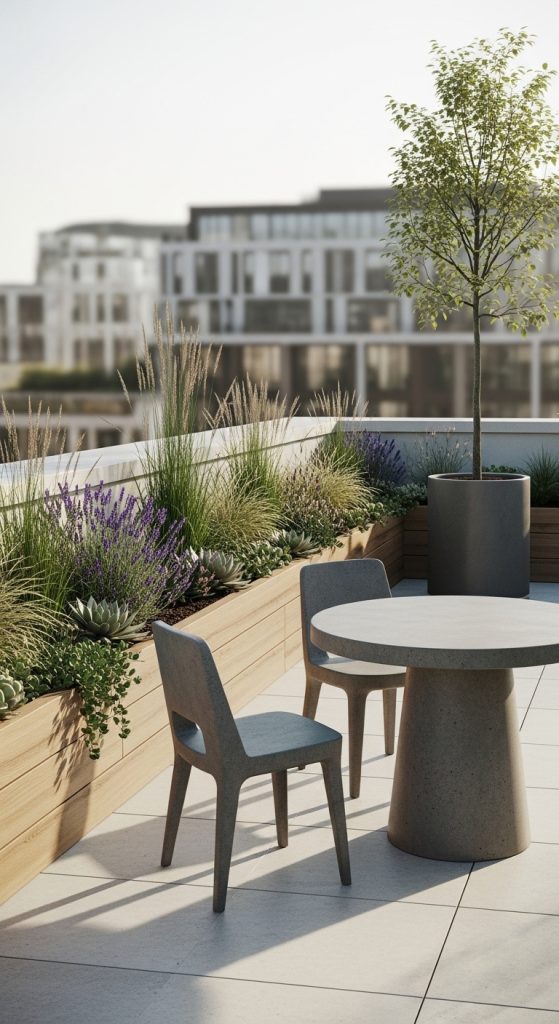


Every successful terrace garden begins with an honest assessment of structure. Unlike ground-level gardens, terraces sit on engineered surfaces with limits that must be respected. Load capacity is the first and most critical factor. Soil, planters, water, furniture, and people all contribute weight, and ignoring this reality is one of the most common and costly mistakes homeowners make.
Lightweight solutions such as fiberglass planters, fabric grow bags, and modular decking systems are often better suited than heavy concrete or stone. Even when a terrace feels solid underfoot, it may not be designed to support continuous saturated soil. Proper drainage is equally essential. Water must be able to exit the space without pooling, as trapped moisture leads to structural damage, mold, and surface cracking over time.
Terrace gardens also need clear access points. Paths should remain unobstructed, doors should open fully, and emergency exits must never be blocked. A beautiful garden that interferes with movement quickly becomes frustrating rather than enjoyable. Thoughtful planning at this stage allows everything that follows to feel effortless rather than forced.
Designing with Proportion and Human Scale
A terrace garden should feel balanced in relation to the human body. Oversized planters on a small terrace can feel oppressive, while too many small elements can create visual clutter. The most comfortable terrace gardens use proportion to guide layout decisions.
Low seating paired with waist-height planters keeps sightlines open while still offering enclosure. Taller elements such as trellises or small trees work best when placed along edges rather than in central walking zones. This preserves openness and allows the space to breathe visually.
Scale should also reflect how many people typically use the terrace. A couple’s terrace benefits from intimacy and softness, while a family terrace requires clearer zones and more durable materials. Designing for real behavior rather than imagined scenarios ensures the space remains functional long after the initial excitement fades.
Creating Zones Without Physical Barriers
Terrace gardens feel most comfortable when they are organized into subtle zones rather than divided by rigid walls. Zoning allows one space to serve multiple purposes without feeling crowded or chaotic.
Common terrace zones include seating, planting, circulation, and utility areas. These zones can be defined through changes in surface texture, planter placement, or furniture orientation rather than permanent construction. For example, a narrow strip of planters can visually separate a dining area from a lounge space while still allowing airflow and light.
This approach is especially helpful for renters or homeowners who want flexibility. When zones are created through arrangement rather than construction, the terrace can evolve as needs change without costly renovations.
Plant Selection That Respects Climate and Maintenance
Plant choice should always begin with climate and sun exposure rather than aesthetics. A terrace exposed to full sun for most of the day requires very different planting than one shaded by neighboring buildings. Choosing plants that naturally thrive in the available conditions reduces water use, maintenance effort, and plant replacement costs.
Native or climate-adapted plants are often the most reliable choice. They handle temperature swings better and require less intervention. Mixing evergreen structure plants with seasonal flowering varieties creates year-round interest without constant replanting.
It is also important to consider growth habits. Plants that look small at purchase may quickly outgrow containers, leading to overcrowding and root stress. Allowing room for mature size keeps the garden healthy and visually balanced over time.
Flooring Choices That Support Long-Term Use
Terrace flooring sets the foundation for the entire space, both visually and functionally. Materials must handle sun exposure, rain, and temperature changes without becoming slippery or unstable.
Popular terrace flooring options include composite decking, outdoor-rated tiles, stone pavers, and treated wood. Each has strengths and limitations depending on climate and budget.
| Flooring Type | Best For | Key Considerations |
|---|---|---|
| Composite decking | Low maintenance terraces | Can retain heat in strong sun |
| Outdoor tiles | Modern, clean aesthetics | Requires proper slope and drainage |
| Natural stone | Timeless, durable spaces | Heavier and often higher cost |
| Treated wood | Warm, natural feel | Needs periodic sealing |
Choosing flooring should never be rushed. A surface that looks good but becomes unsafe when wet will limit how often the terrace is actually used.
Thoughtful Use of Vertical Space
Vertical space is one of the greatest assets of a terrace garden. When used correctly, it allows greenery without sacrificing floor area. Climbing plants, wall-mounted planters, and trellis systems add depth and softness while maintaining circulation space.
Vertical elements should feel integrated rather than decorative. A trellis that supports real plant growth feels purposeful, while a wall crowded with small pots often becomes visually busy and difficult to maintain. The goal is to create vertical rhythm rather than vertical clutter.
For renters, freestanding vertical structures or tension-based systems offer greenery without permanent installation. These solutions can be removed without damaging surfaces, making them practical and flexible.
Furniture That Encourages Daily Use
Terrace furniture should invite use rather than impress visually. Comfort, durability, and scale matter more than style statements. Seating that is too low, too hard, or poorly positioned often goes unused, no matter how attractive it appears.
Materials such as powder-coated metal, treated wood, and outdoor-grade resin perform well over time. Cushions should be removable and made from weather-resistant fabrics. Storage solutions for cushions and accessories help keep the terrace tidy and extend the life of furnishings.
Furniture placement should follow natural movement patterns. Chairs that face greenery rather than walls, and tables positioned near doors for easy access, encourage spontaneous use rather than planned occasions only.
Lighting That Extends Usability
Lighting transforms a terrace garden from a daytime feature into an evening retreat. The most effective lighting plans layer multiple sources rather than relying on a single fixture.
Soft ambient lighting creates atmosphere, while task lighting ensures safety near steps and seating. Solar-powered options are useful but should be chosen carefully, as low-quality fixtures often provide inconsistent light.
Avoid harsh overhead lighting that flattens the space visually. Instead, focus on low-level lighting that highlights textures, plants, and edges. This approach enhances depth and makes the terrace feel larger and more inviting after sunset.
Managing Privacy Without Isolation
Privacy is a common concern for terrace gardens, especially in urban settings. The challenge lies in creating a sense of enclosure without blocking light or airflow. Tall planters with layered planting often achieve this balance better than solid screens.
Plants with varied leaf sizes and densities provide visual screening while still allowing movement of air and light. Adjustable solutions such as movable planters or folding screens allow privacy levels to change as needed.
Complete visual isolation is rarely necessary and can make a terrace feel boxed in. Partial screening often feels more natural and comfortable over time.
Budget-Conscious Terrace Planning
A terrace garden does not need a large budget to be successful. Prioritizing structure, comfort, and durability over decoration yields better long-term results. Investing in a few high-quality planters or a solid seating piece often has more impact than many inexpensive accessories.
Phasing the project is another effective strategy. Starting with flooring and seating allows immediate use, while planting can evolve gradually. This approach spreads costs and allows homeowners to learn how the space behaves before committing fully.
Repurposing indoor furniture is rarely advisable unless pieces are specifically adapted for outdoor use. Weather exposure quickly degrades materials not designed for it, leading to repeated replacements.
Common Mistakes That Undermine Terrace Gardens
Many terrace gardens fail not due to lack of effort but due to overlooked fundamentals. Overcrowding is one of the most frequent issues. Filling every available space with plants or furniture leaves no room for movement or rest.
Ignoring maintenance needs is another common problem. A garden that requires constant watering, pruning, or cleaning becomes a burden rather than a pleasure. Designing with realistic time and energy levels in mind leads to lasting satisfaction.
Finally, treating the terrace as a display rather than a living space often results in underuse. A terrace garden should support daily habits, not interrupt them.
Making the Terrace a Natural Extension of the Home
The most successful terrace gardens feel connected to the interior rather than separate from it. Using complementary materials, colors, and proportions helps blur the boundary between inside and outside.
Doors and windows should frame views intentionally. When greenery is visible from inside, the terrace becomes part of everyday experience even when not physically used. This visual connection increases the perceived value of the space and reinforces its role as a true extension of the home.
A terrace garden designed with patience and respect for real living conditions becomes more rewarding with time. Plants mature, routines form, and the space settles into its purpose naturally. Rather than chasing trends, focusing on structure, comfort, and balance ensures the terrace remains inviting for years to come.