Black Tile Bathroom Ideas That Feel Timeless
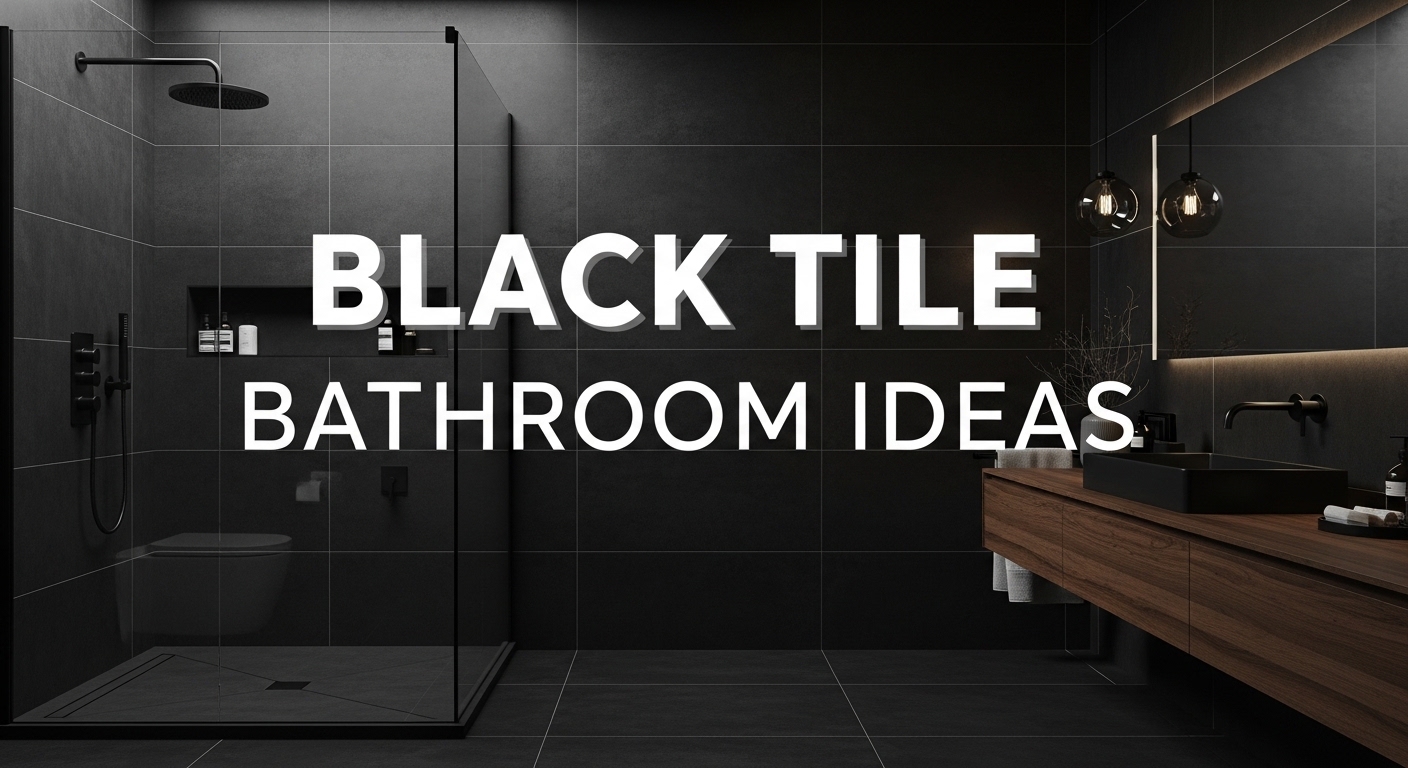
Black tile has been part of bathrooms far longer than many people realize. From early twentieth-century townhouses to mid-century hotels and contemporary homes, it has remained a material chosen for its seriousness, durability, and visual discipline. When used well, black tile brings clarity and structure to a bathroom. It creates contrast, grounds lighter materials, and gives even simple layouts a sense of intention. When used poorly, it can feel heavy, gloomy, or impractical. The difference is not the tile itself, but how it is planned, lit, and balanced within the room.
A well-designed black tile bathroom is never about drama alone. It is about proportion, surface finish, light control, and understanding how people actually move through and use the space every day. Black tile can feel luxurious or modest, modern or traditional, bold or quiet. The goal is not to make a statement, but to create a bathroom that still feels right ten or fifteen years from now.
Before exploring specific layouts or material strategies, it is important to understand that black tile rewards thoughtful restraint. It works best when paired with honest materials, clear lighting plans, and realistic expectations about maintenance. Homeowners who approach it with patience and clarity often end up with bathrooms that feel calm, confident, and surprisingly easy to live with.


Understanding Why Black Tile Works in Bathrooms
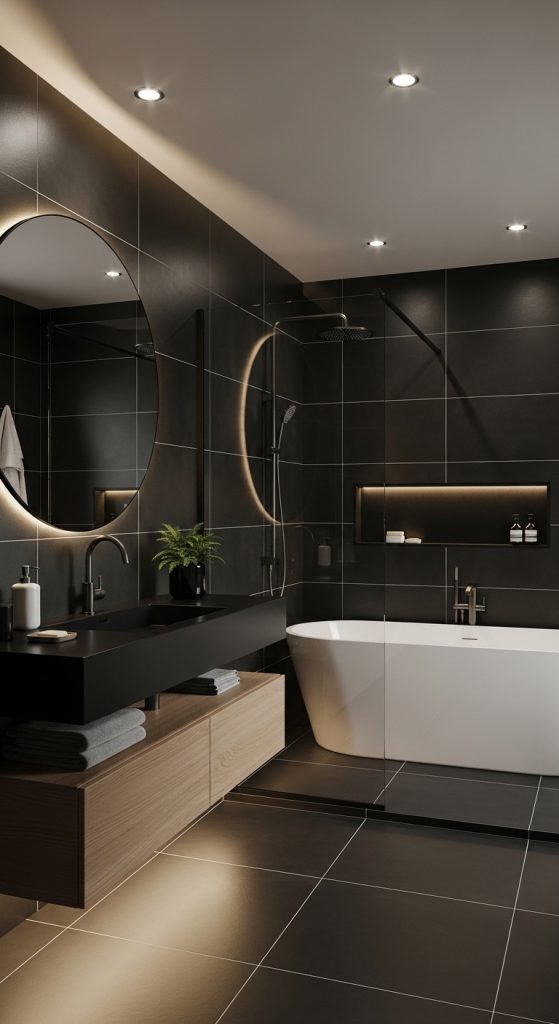
Black tile succeeds in bathrooms because it provides visual weight where bathrooms often lack it. Most bathrooms are small, functional spaces filled with white fixtures, reflective surfaces, and hard edges. Black tile introduces grounding. It defines planes clearly and helps the eye understand where walls end, floors begin, and fixtures belong.
From a design perspective, black acts as a neutral rather than a color. It allows surrounding materials to read more clearly. White porcelain looks crisper next to black. Natural wood feels warmer. Brass and chrome fixtures stand out without shouting. This makes black tile especially useful in bathrooms that need definition without clutter.
Functionally, darker tile also hides certain wear better than lighter surfaces. Minor discoloration, small chips, or uneven grout tone are often less noticeable. However, water spots, soap residue, and dust can show more readily on glossy black surfaces, which is why finish selection matters as much as color.
The success of black tile depends on three fundamentals:
- Sufficient light, both natural and artificial
- Balanced proportions so black does not dominate every surface
- Finishes that align with how the bathroom is actually used
Ignoring any one of these often leads to regret later.
Choosing the Right Finish for Long-Term Comfort
Not all black tiles behave the same way once installed. Finish determines how light interacts with the surface, how forgiving the tile is to daily use, and how safe it feels underfoot.
Glossy black tile reflects light strongly and can make a space feel larger when used selectively. It works best on walls, particularly in showers with good lighting. However, it shows water spots and fingerprints more than any other finish. In households with hard water, this becomes a daily maintenance issue.
Matte and satin finishes absorb light instead of reflecting it. They feel quieter and more architectural. These finishes are far more forgiving when it comes to residue and smudging, and they are safer for floors. Matte black floor tile is one of the most practical ways to introduce black into a bathroom without visual overload.
Textured black tiles, such as honed stone or subtly ribbed porcelain, add grip and visual interest. They are excellent for wet areas but require careful grout selection to avoid dirt buildup.
A practical comparison helps clarify these choices:
| Finish Type | Best Use | Pros | Cons |
|---|---|---|---|
| Glossy | Accent walls, shower walls | Reflects light, elegant | Shows spots and streaks |
| Satin | Walls and low-traffic floors | Balanced look, easier care | Slightly less dramatic |
| Matte | Floors, full bathrooms | Slip-resistant, low maintenance | Absorbs light |
| Textured | Wet zones, walk-in showers | Safe and tactile | Needs careful cleaning |
Choosing finish based on location rather than aesthetics alone prevents many common mistakes.
Using Black Tile Without Overwhelming the Space
One of the most common fears homeowners have is that black tile will make a bathroom feel small. This only happens when black is used without variation or relief. Black tile works best when it is given space to breathe.
A single black tile surface, such as a shower wall or floor, can anchor the room while lighter materials surround it. This creates contrast without enclosure. When black tile covers every surface, especially in small bathrooms, the room can feel closed in unless lighting and ceiling height are exceptional.
Vertical placement matters. Black tile on lower walls or floors grounds the room. Black tile climbing all the way to the ceiling needs careful planning and often benefits from breaks such as niches, lighter grout, or mixed materials.
Scale also plays a role. Large-format black tiles create fewer grout lines and feel calmer. Small tiles introduce texture and pattern, which can be beautiful but visually busy if overused.
A balanced approach often includes:
- Black tile on one major plane
- Neutral or warm materials on adjacent surfaces
- Clear visual breaks between zones
This approach keeps the bathroom legible and comfortable.
Lighting Strategies That Make Black Tile Feel Inviting
Lighting is not optional when black tile is involved. It is the difference between a bathroom that feels refined and one that feels dim.
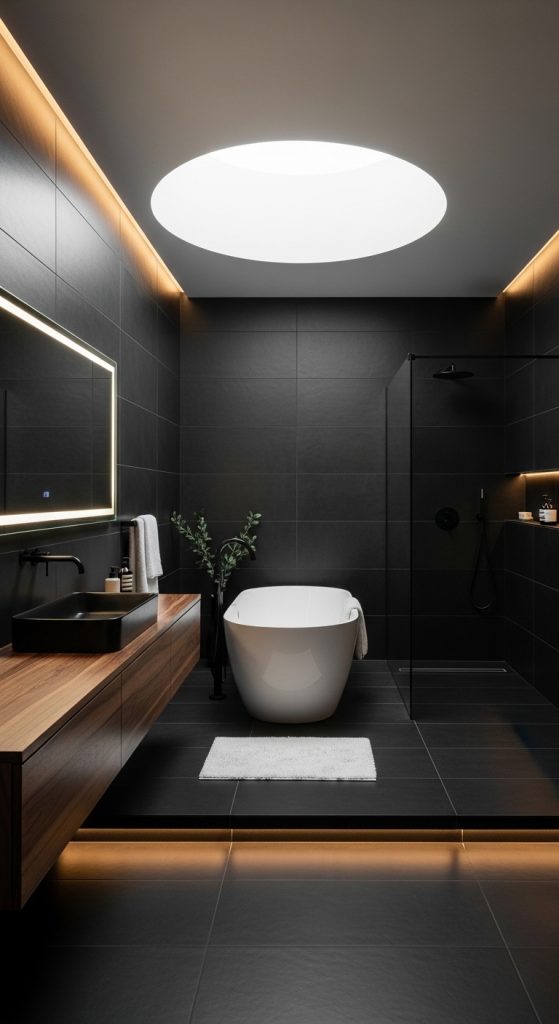
Natural light should be preserved wherever possible. If the bathroom has a window, black tile often enhances the daylight rather than diminishing it, especially when paired with lighter ceilings and reflective fixtures.
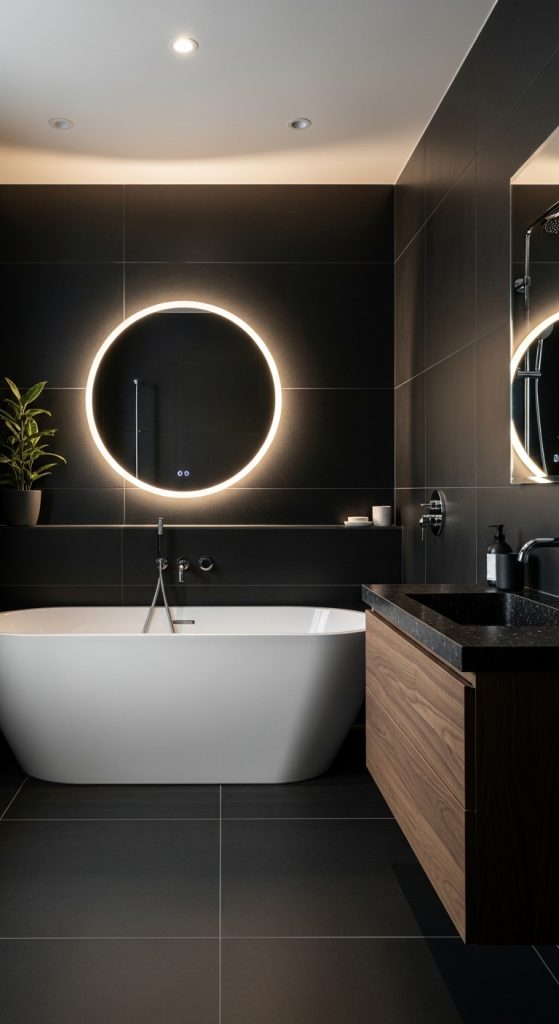
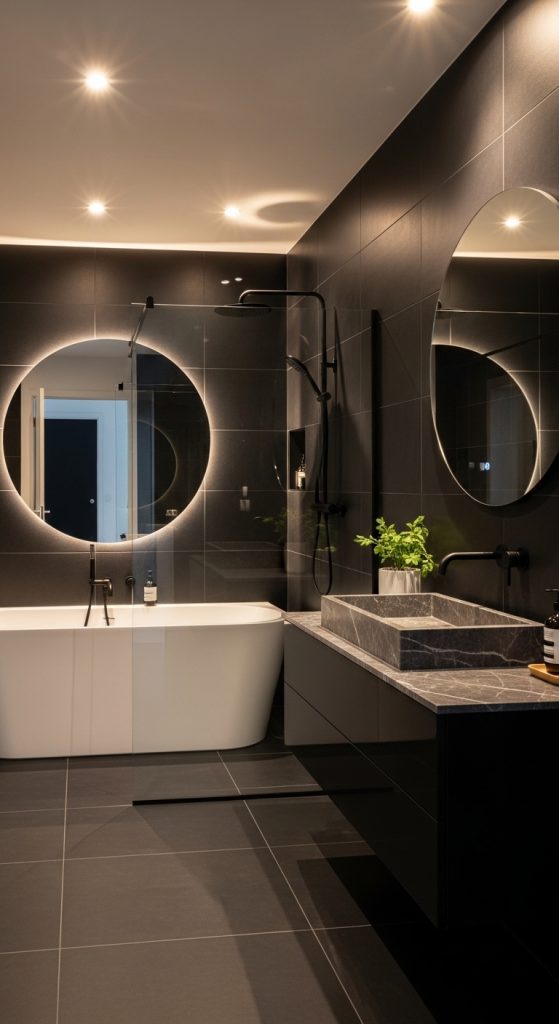
Artificial lighting should be layered. Overhead lighting alone is rarely enough. Wall-mounted lights near mirrors reduce shadows and prevent faces from appearing dull. Recessed lighting in showers ensures black tile does not disappear into darkness.
Color temperature matters. Warm lighting softens black tile and makes it feel more residential. Cool lighting emphasizes contrast and can feel harsh if overdone.
A simple lighting checklist helps avoid mistakes:
- Even ambient lighting across the room
- Task lighting at the mirror
- Dedicated lighting for showers or tubs
- Warm to neutral color temperature
When lighting is planned alongside tile selection, black tile becomes an asset rather than a risk.
Black Tile in Small Bathrooms and Powder Rooms
Small bathrooms are often the best candidates for black tile. Because they are compact, they can handle stronger visual moves without feeling unfinished. Black tile gives these spaces character and intention.
In powder rooms, black tile can feel particularly confident. Since these rooms are used briefly, maintenance concerns are reduced, and homeowners can afford to be bolder. A black tiled wall paired with a simple vanity and good lighting often feels deliberate rather than decorative.
In small full bathrooms, restraint is key. Black tile works well on the floor or in the shower, while walls and ceilings remain lighter. Using the same black tile on the floor and shower base can visually expand the space by reducing visual breaks.
For renters or temporary solutions, peel-and-stick black tile alternatives can create a similar effect without permanent installation. These should be limited to low-moisture areas and removed carefully to avoid damage.
Balancing Black Tile With Warm Materials
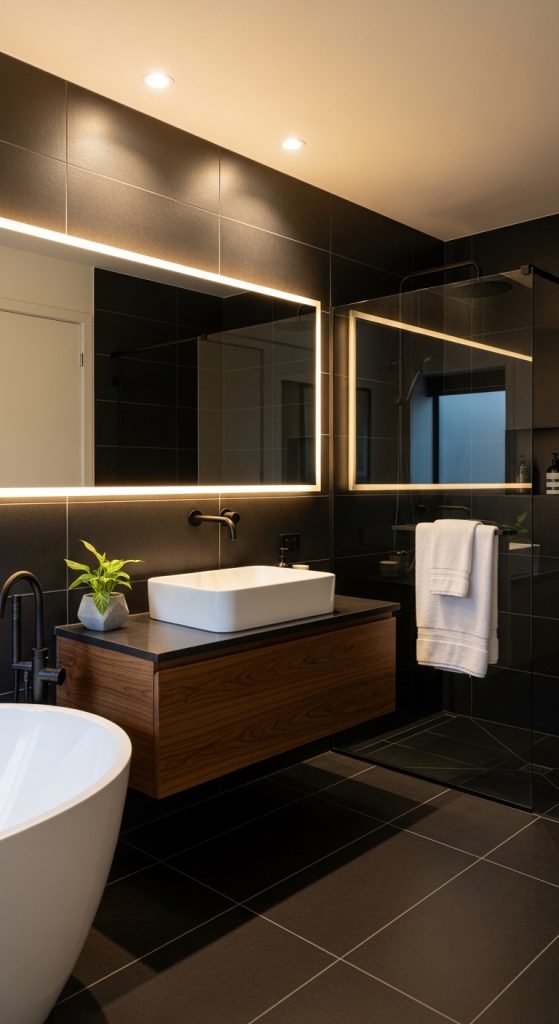
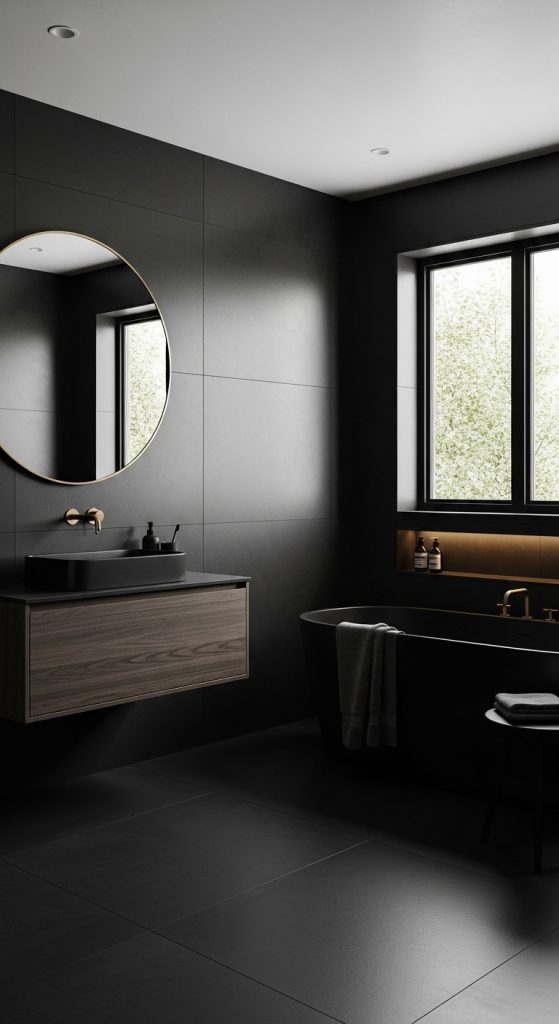
Black tile becomes far more livable when paired with warmth. Wood tones, brass fixtures, and soft textiles prevent the space from feeling cold or severe.
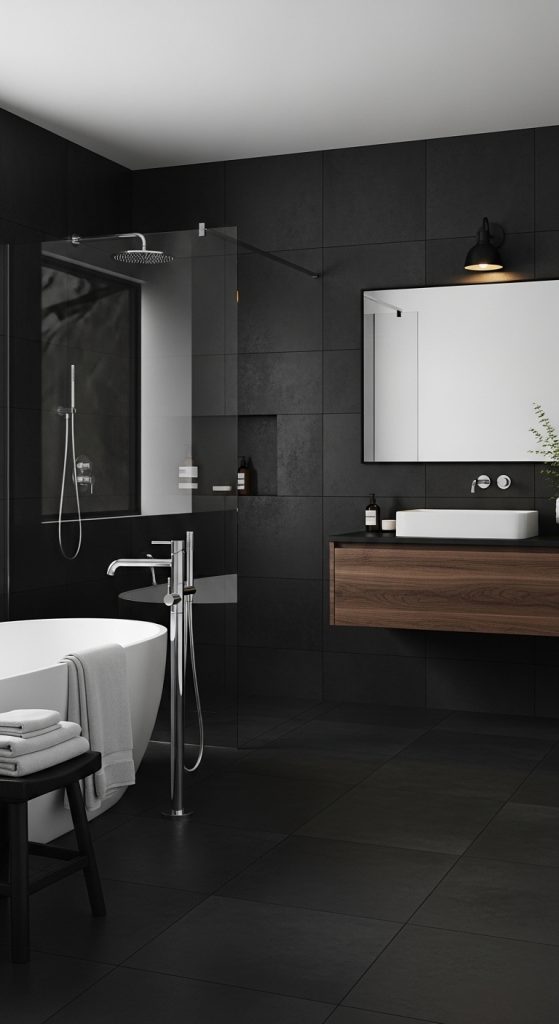
Natural wood vanities introduce organic texture and warmth. Even light oak or walnut contrasts beautifully with black tile. Wood should always be properly sealed and kept away from direct water exposure.
Metal finishes also influence the mood. Brass and bronze add warmth and age gracefully. Chrome and nickel feel cleaner and more modern. Matte black fixtures can work, but they should not disappear against black tile; contrast in finish or sheen helps.
Soft materials matter too. Towels, bath mats, and window treatments soften acoustics and visually break up hard surfaces.
A thoughtful balance of materials ensures black tile feels intentional rather than stark.
Grout Choices That Change the Entire Look
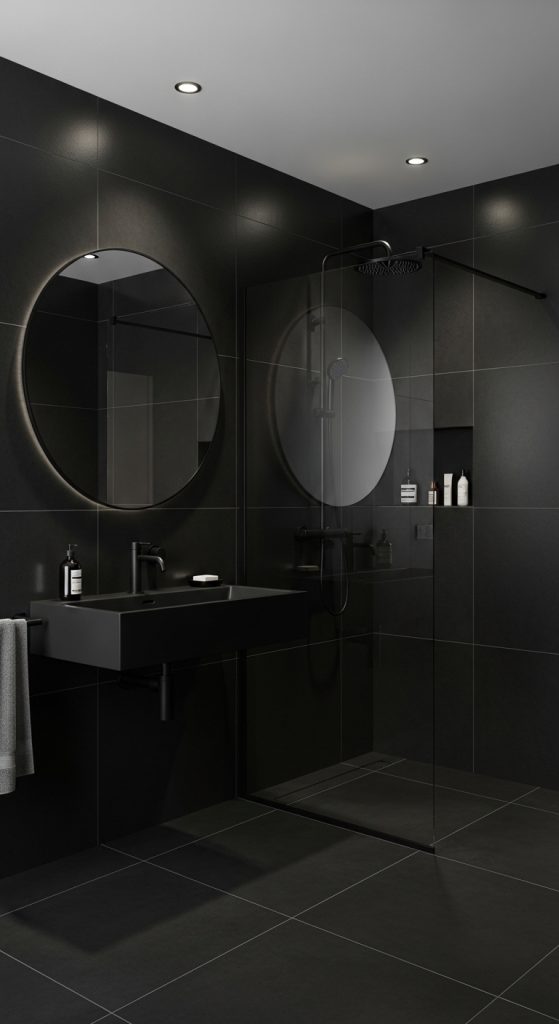
Grout is often treated as an afterthought, but with black tile it becomes a design decision. Matching black grout creates a seamless, monolithic look. This works well with large tiles and modern spaces.
Contrasting grout, such as light gray or off-white, emphasizes tile shape and pattern. This can add character but also increases visual complexity. In busy layouts, this may feel overwhelming.
Maintenance should guide grout color. Light grout stains more easily, especially on floors. Dark grout hides stains but can fade unevenly if not sealed properly.
Epoxy grout offers better stain resistance and durability but comes at a higher cost and requires skilled installation.
Choosing grout with intention prevents disappointment after installation.
Black Tile in Showers and Wet Areas
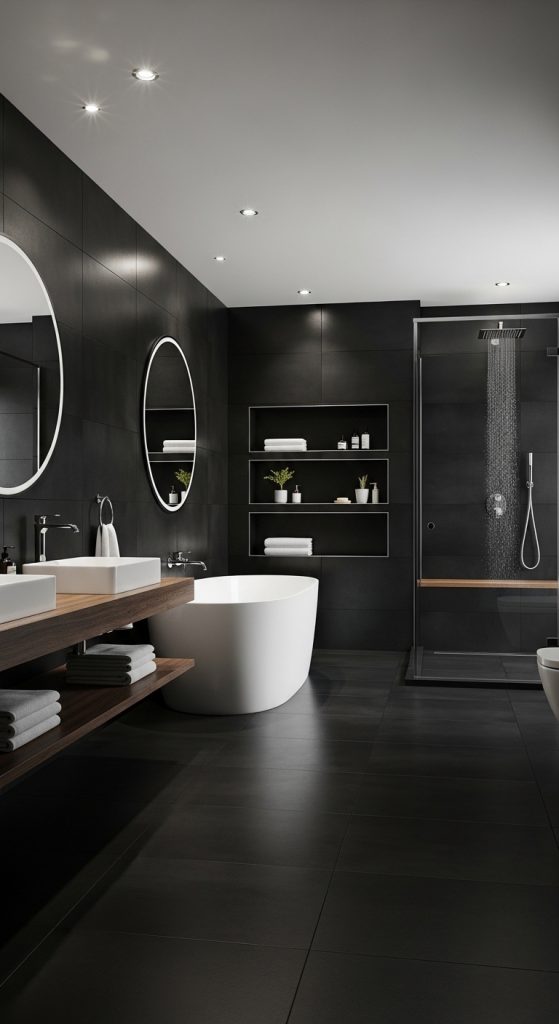
Showers are natural places for black tile because they are self-contained zones. Black tile defines the shower clearly and makes it feel like a destination rather than an afterthought.
In walk-in showers, black tile on the back wall creates depth. On floors, slip-resistant finishes are essential. Matte or textured tiles reduce risk without sacrificing style.
Niches and benches benefit from contrast. Lining a niche with a lighter tile within a black shower adds function and visual relief.
Proper ventilation is critical. Black tile can show mineral buildup over time if moisture lingers. A quiet, effective exhaust fan extends the life and appearance of the installation.
Cost Considerations and Smart Budget Choices
Black tile is available at nearly every price point. Porcelain tiles offer durability and affordability, making them ideal for most homes. Natural stone, such as slate or marble, brings depth but requires sealing and maintenance.
Budget-conscious homeowners can use black tile selectively to control costs. A black tiled floor paired with simple white walls achieves impact without excess expense.
Installation costs vary by tile size and layout. Large-format tiles cost more to install but reduce grout lines and maintenance.
Planning where to spend and where to simplify ensures the bathroom feels intentional rather than compromised.
Common Mistakes and How to Avoid Them
Several recurring mistakes appear in black tile bathrooms:
- Using black tile everywhere without contrast
- Ignoring lighting needs
- Choosing glossy finishes for high-traffic floors
- Overlooking maintenance realities
Avoiding these issues requires stepping back and evaluating the bathroom as a whole rather than focusing on individual materials.
Black tile rewards clarity and patience. When chosen and placed thoughtfully, it creates bathrooms that feel grounded, calm, and enduring.
Creating a Bathroom That Lasts
Black tile is not a trend when it is used with understanding. It has endured because it offers clarity, contrast, and quiet confidence. A well-designed black tile bathroom does not try to impress. It simply works, day after day, year after year.
By respecting scale, choosing appropriate finishes, and planning light and materials carefully, homeowners can create spaces that feel both personal and timeless. Black tile becomes not a risk, but a reliable foundation for a bathroom that supports real life with grace and intention.