What Is Transitional Style? The Complete Guide
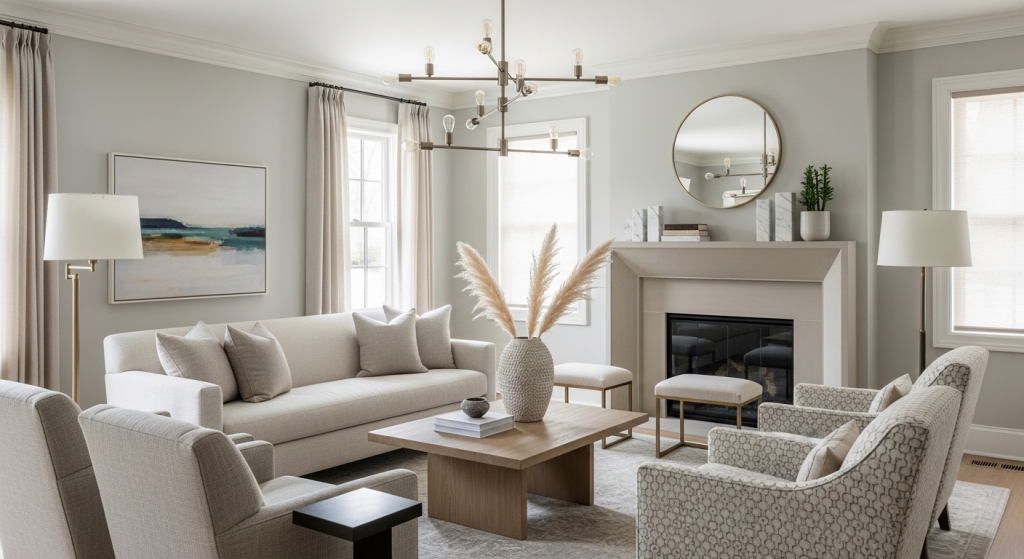
If you’ve ever walked into a room that felt both elegant and comfortable, polished yet welcoming, there’s a good chance you were looking at transitional style. This popular design approach has become a favorite among homeowners because it blends the warmth of traditional interiors with the simplicity of modern design. The result is a space that feels balanced, timeless, and easy to live in.
Unlike trends that quickly feel dated, transitional interiors are designed to evolve gracefully over time. They combine soft sophistication with practical comfort, making them especially appealing for busy households that still want a refined look. One of the biggest reasons people love transitional design is that it doesn’t feel overly formal or overly stark. Instead, it creates harmony between old and new.
In this guide, you’ll learn exactly what transitional style means, where it came from, how it differs from other design styles, and how you can bring this beautifully balanced look into every room of your home.
What Transitional Style Actually Means
Transitional style is a blended aesthetic that combines elements of traditional design and contemporary design into one cohesive look. Think of it as the perfect middle ground between ornate classic interiors and sleek modern spaces.
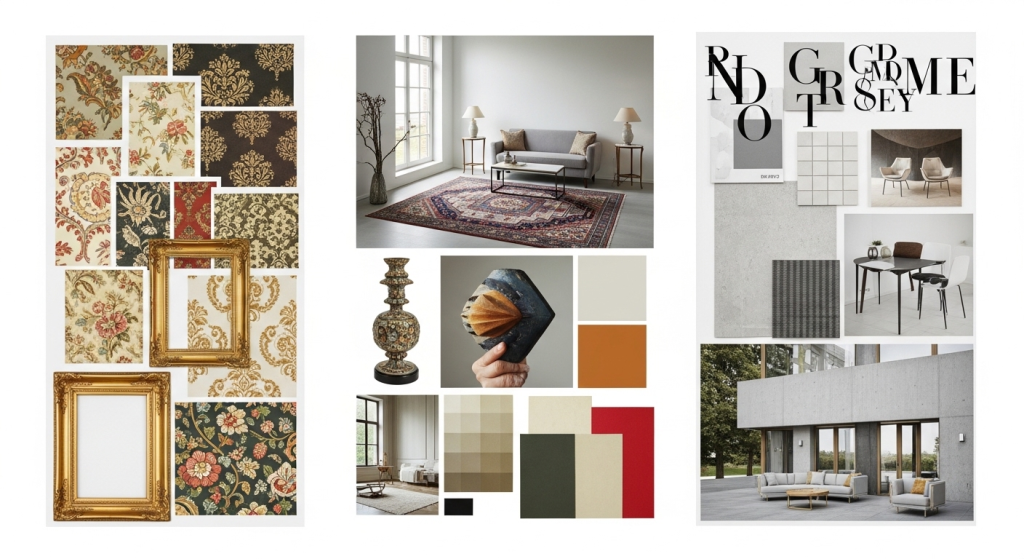
Traditional interiors often feature decorative details, rich wood tones, and formal furniture arrangements. Contemporary interiors, on the other hand, lean toward minimalism, sharp edges, and simplicity. Transitional style softens both extremes. It keeps the elegance and comfort of traditional design while introducing the simplicity and openness of modern spaces.
At its core, transitional design focuses on balance. You’ll often see classic silhouettes paired with clean lines, soft neutral palette choices mixed with subtle contrast, and layered mixed textures that add warmth without visual clutter.
A transitional room might include a tailored sofa with modern metal lighting, or a traditional-style upholstered bed paired with streamlined nightstands. Nothing feels too ornate, but nothing feels cold either.
This balance is what gives transitional interiors their reputation for timeless design. Instead of chasing trends, the style creates spaces that remain beautiful and functional for years.
Origins & History of Transitional Style
Transitional style began gaining popularity in the late 20th century as homeowners started moving away from heavily decorated traditional interiors. People wanted homes that still felt elegant but also reflected a more relaxed and modern lifestyle.
During the 1980s and 1990s, designers began blending classic furniture shapes with cleaner finishes and softer color palettes. Instead of formal rooms filled with ornate carvings and heavy fabrics, interiors became lighter, simpler, and more livable.
As open-concept homes became more common, transitional style evolved even further. Homeowners needed spaces that felt cohesive across large connected rooms. The balanced nature of transitional design made it ideal for creating flow between living rooms, kitchens, and dining spaces.
Today, transitional style remains one of the most popular interior design approaches because it adapts easily to changing tastes while still feeling sophisticated and approachable.
Key Characteristics of Transitional Style
1. Neutral Color Palettes
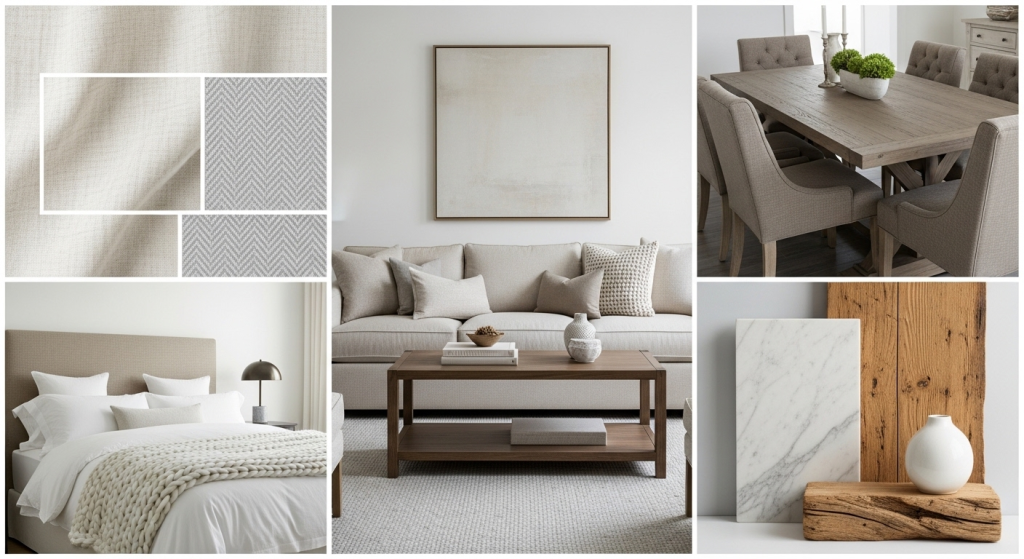
Transitional interiors often rely on a calming neutral palette filled with warm whites, soft taupes, beige tones, greige, charcoal, and muted earth colors.
These shades create a peaceful backdrop that allows furniture and textures to stand out without overwhelming the space.
2. Clean Lines With Soft Edges
Unlike ultra-modern spaces that can feel sharp or rigid, transitional rooms use clean lines softened by curves and comfortable upholstery.
You might see a streamlined sofa with gently rounded arms or a sleek dining table paired with upholstered chairs.
3. Classic Furniture Silhouettes
One defining feature of transitional design is the use of classic silhouettes in updated ways.
For example, a traditional wingback chair may be reimagined in a simple linen fabric instead of ornate patterns.
4. Mixed Textures
Texture plays a huge role in preventing neutral spaces from feeling flat.
Transitional interiors often combine wood, linen, metal, glass, velvet, leather, and woven materials to create depth through mixed textures.
5. Minimal Ornamentation
Decorative details are present but restrained.
Instead of heavily carved furniture or excessive accessories, transitional spaces favor subtle elegance and refined simplicity.
6. Layered Lighting
Lighting in transitional interiors often combines traditional and modern influences.
You may see a classic chandelier paired with sleek sconces or contemporary table lamps.
7. Balanced Symmetry
Many transitional rooms use symmetry to create calmness and order.
Matching lamps, balanced seating arrangements, and centered artwork help spaces feel harmonious.
8. Comfortable Yet Refined Spaces
Transitional interiors are designed to be lived in.
Furniture feels inviting and practical while still maintaining a polished appearance.
Transitional vs. Traditional vs. Contemporary
| Feature | Transitional Style | Traditional Style | Contemporary Style |
|---|---|---|---|
| Overall Feel | Balanced and timeless | Formal and elegant | Sleek and minimal |
| Color Palette | Soft neutrals | Rich warm tones | High contrast neutrals |
| Furniture | Simplified classic forms | Ornate and decorative | Streamlined and geometric |
| Decor | Minimal but layered | Decorative accessories | Sparse accessories |
| Textures | Layered mixed textures | Heavy fabrics | Smooth surfaces |
| Lines | Soft clean lines | Curved detailing | Sharp edges |
| Mood | Comfortable sophistication | Formal luxury | Modern simplicity |
How to Achieve Transitional Style Room by Room
Transitional Living Room
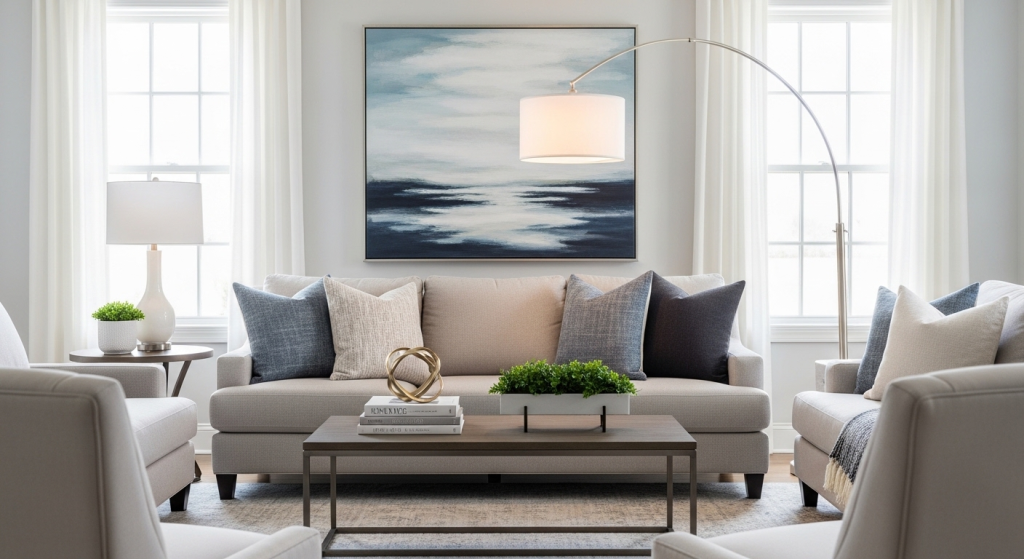
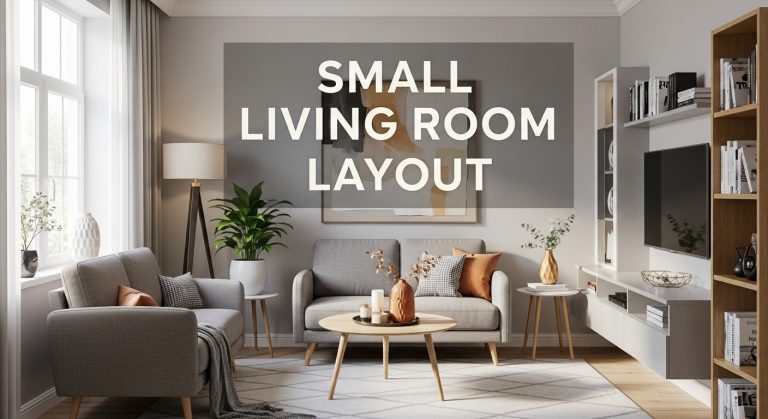
A transitional living room should feel welcoming, polished, and balanced. Start with a neutral foundation using warm whites, soft beige tones, or greige walls. Choose a comfortable sofa with tailored lines rather than overly ornate details.
Layer in texture through linen curtains, woven rugs, velvet pillows, and wood furniture. Add contrast with black metal lighting or modern coffee tables to keep the room from feeling overly traditional.
Furniture arrangements should encourage conversation and comfort while maintaining symmetry where possible. Avoid overcrowding the room with too many accessories.
Must-Have Elements
- Neutral upholstered sofa
- Layered textures
- Balanced lighting
- Simple artwork
- Wood and metal accents
- Large area rug
Transitional Bedroom
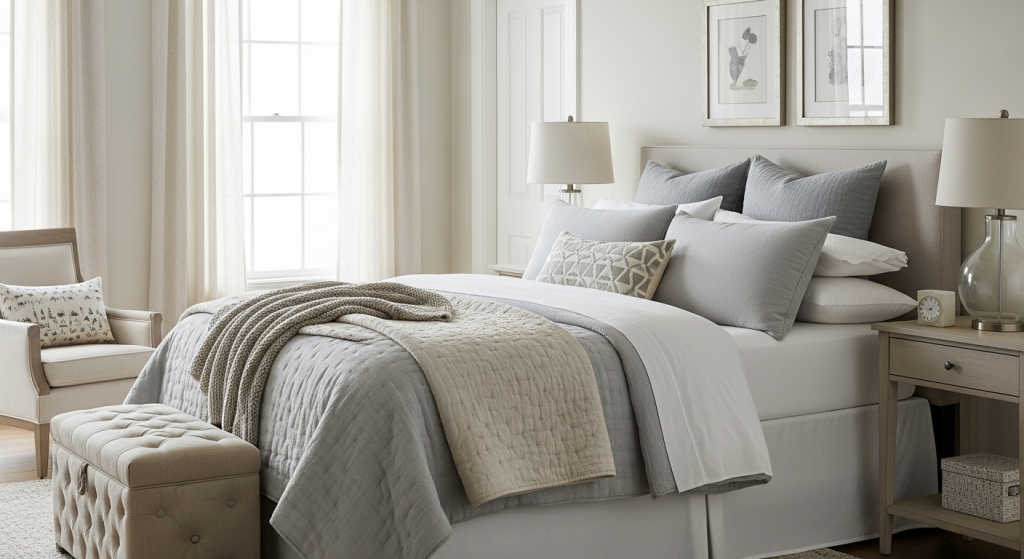
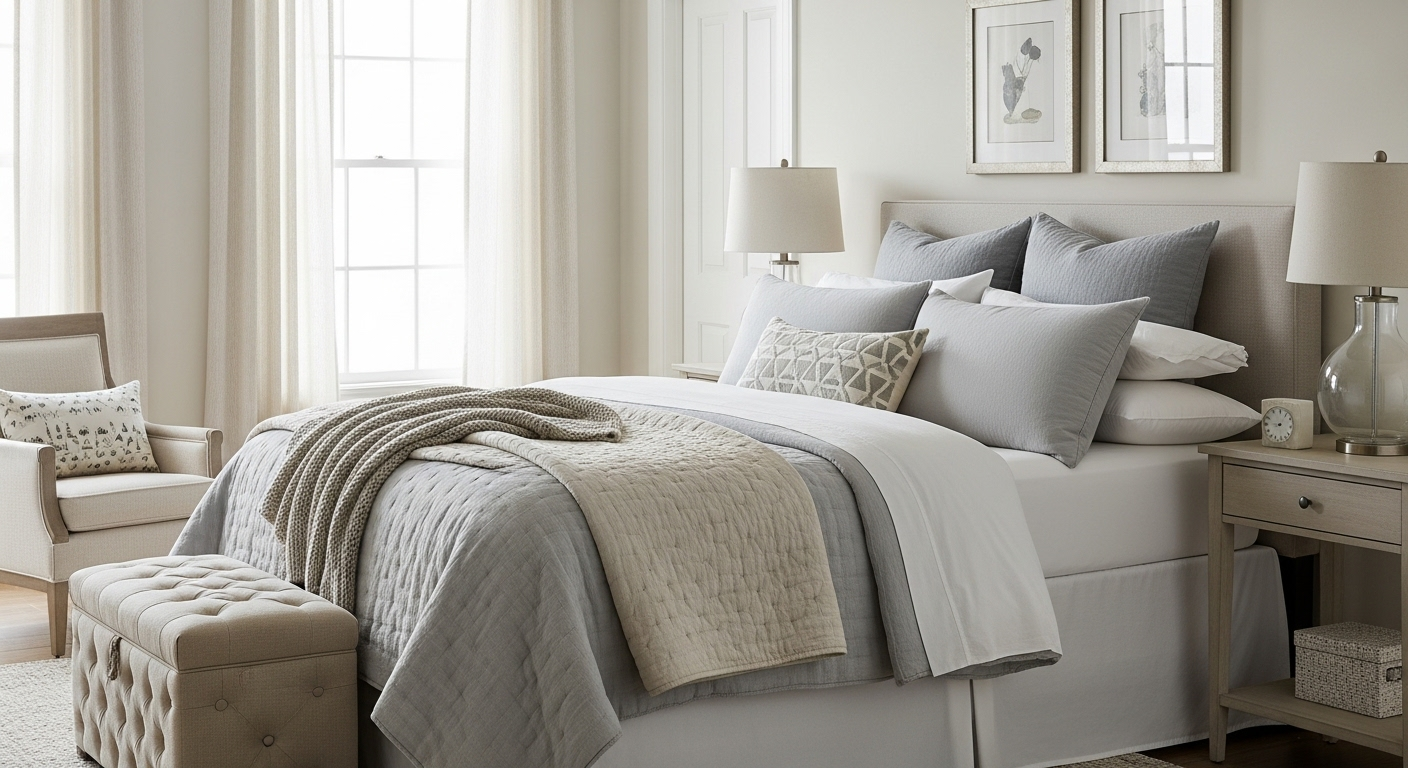
A transitional bedroom should feel calm and restful while still looking sophisticated. Upholstered headboards work beautifully in this style because they blend softness with structure.
Stick to calming neutrals for bedding and walls. Add subtle contrast through darker nightstands or black-framed lighting fixtures.
Use layered textiles to create warmth without visual clutter. Crisp white bedding combined with textured throws creates a luxurious hotel-inspired feeling.
Must-Have Elements
- Upholstered bed
- Neutral bedding
- Soft lighting
- Minimal decor
- Mixed fabric textures
- Streamlined furniture
Transitional Kitchen
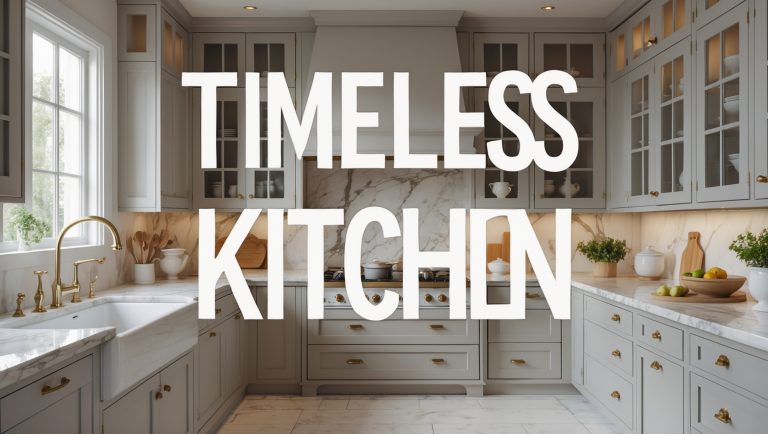
Transitional kitchens blend classic design details with updated finishes. Shaker cabinets are especially popular because they bridge traditional and modern aesthetics beautifully.
Use simple cabinetry paired with sleek hardware and understated countertops. Warm wood tones mixed with marble or quartz surfaces help create balance.
Pendant lighting can introduce a slightly modern touch while still feeling timeless.
Must-Have Elements
- Shaker cabinets
- Neutral countertops
- Mixed metal finishes
- Understated backsplash
- Warm wood accents
- Clean-lined bar stools
Transitional Bathroom
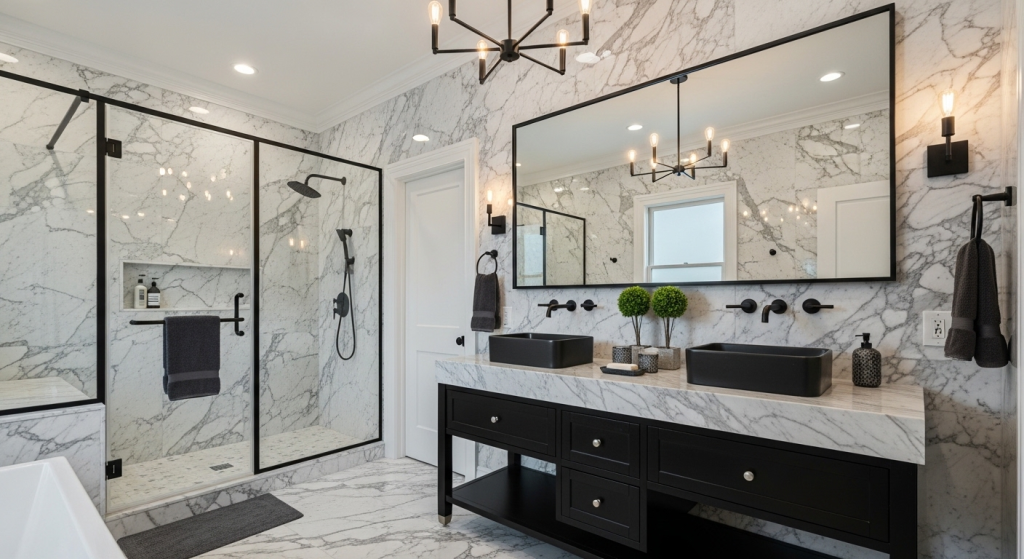
A transitional bathroom should feel spa-like and refined. Neutral stone finishes work especially well in this style.
Pair classic materials like marble with simple modern fixtures. Frameless mirrors and sleek lighting can modernize the space while still maintaining warmth.
Avoid overly trendy finishes that may quickly feel outdated.
Must-Have Elements
- Neutral tile palette
- Simple vanity design
- Mixed metal accents
- Frameless mirrors
- Soft lighting
- Layered textures through towels and rugs
Color Palette Guide for Transitional Interiors
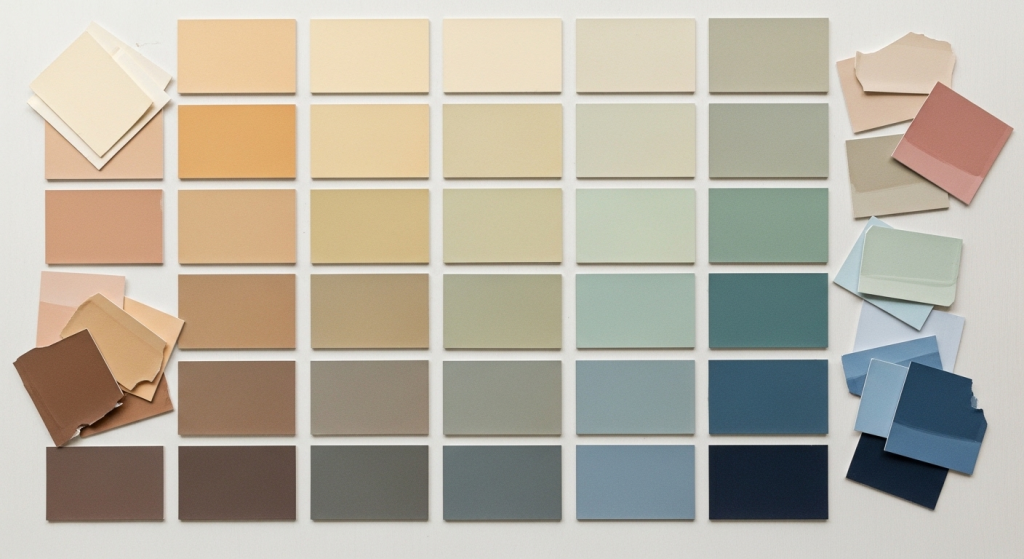
Transitional interiors typically rely on soft, sophisticated neutrals that create flexibility and timelessness.
Popular colors include:
- Warm white
- Cream
- Greige
- Taupe
- Soft gray
- Charcoal
- Muted sage green
- Dusty blue
Accent colors are usually subtle and grounded rather than bold or overly vibrant.
The goal is to create calm continuity throughout the home.
Common Mistakes to Avoid
One of the biggest mistakes is leaning too heavily toward either traditional or modern design. Transitional style works best when there’s balance between both influences.
Another mistake is using too many matching furniture sets. Transitional spaces feel more collected and layered rather than overly coordinated.
Avoid excessive decor clutter. Accessories should feel intentional and refined.
Finally, don’t ignore texture. Without layered materials and fabrics, neutral rooms can feel flat and lifeless.
Shopping Guide: What to Look for When Buying Transitional Furniture
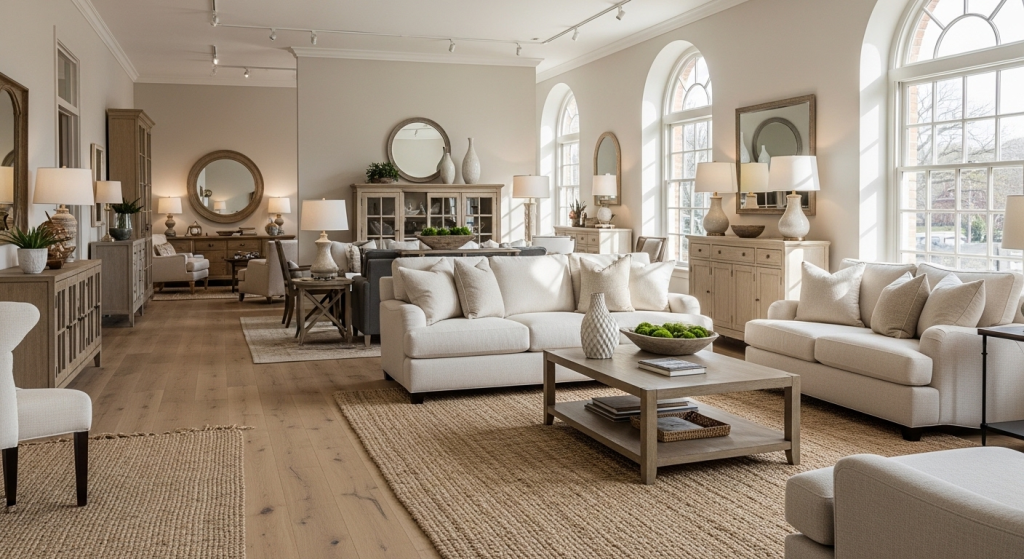
When shopping for transitional furniture, focus on pieces with timeless shapes rather than trendy details.
Look for:
- Tailored upholstery
- Neutral fabrics
- Simple wood finishes
- Soft curves combined with clean lines
- Quality craftsmanship
- Versatile silhouettes
Avoid overly ornate carvings or ultra-modern futuristic shapes.
Choose furniture that feels elegant but approachable.
FAQ
Is transitional style going out of style?
No. Transitional style remains popular because it focuses on timeless balance rather than fast-changing trends.
What colors work best in transitional interiors?
Neutral tones like warm whites, taupe, beige, soft gray, and muted earthy shades work best.
Can you mix modern and traditional furniture?
Yes. In fact, that balance is the foundation of transitional design.
Is transitional style good for small homes?
Absolutely. Its clean lines and restrained decor help smaller spaces feel calm and uncluttered.
What’s the difference between transitional and modern farmhouse?
Modern farmhouse includes more rustic elements and country-inspired details, while transitional style feels more refined and balanced.
Conclusion
Transitional style succeeds because it creates harmony between elegance and comfort, tradition and simplicity, beauty and practicality. It’s a design approach that feels sophisticated without becoming intimidating and timeless without feeling boring.
By focusing on balanced furniture shapes, layered textures, neutral tones, and thoughtful contrasts, you can create a home that feels polished, welcoming, and deeply livable. Best of all, transitional style gives you flexibility. You don’t need to follow strict rules or hire an expensive designer to achieve it.
With the right mix of classic comfort and modern simplicity, your home can feel effortlessly timeless for years to come.