How to Arrange Furniture in a Living Room?
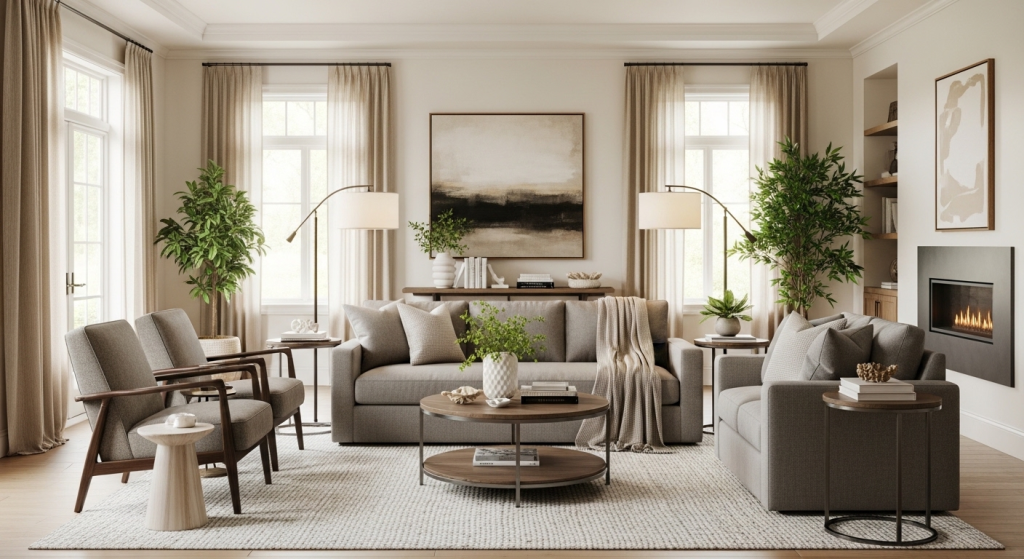
Arranging furniture in a living room can feel surprisingly overwhelming. You know the room has potential, but somehow the layout feels awkward, cramped, or disconnected no matter how many times you move things around. The truth is, furniture arrangement has less to do with buying expensive decor and more to do with understanding flow, balance, and function.
In fact, thoughtful furniture placement is one of the most powerful free upgrades you can make in your home. The right layout can improve conversation, make a room feel larger, create better traffic flow, and even make your furniture look more expensive. When designers walk into a room, they immediately assess movement patterns, focal points, and how people will naturally interact within the space.
This guide will walk you through exactly how to arrange furniture in every type of living room layout. Whether you have a tiny apartment living room, a long rectangular space, or a challenging open-plan layout, you’ll learn practical designer strategies that make your room feel intentional, comfortable, and beautifully balanced.
Section 1 — The Golden Rules of Furniture Arrangement
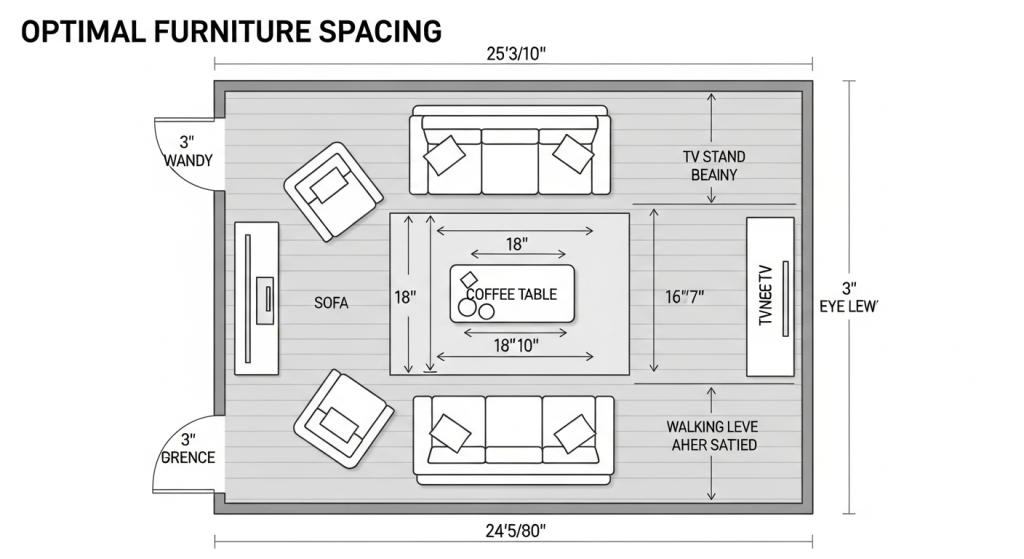
Before you start pushing furniture around, it helps to understand the foundational design rules professionals use in every space.
1. Start With an Anchor Piece
Every successful living room needs an anchor piece that grounds the design. In most cases, this is the sofa because it’s typically the largest furniture item in the room.
Place your main seating piece first before arranging anything else. Once the sofa position is established, the rest of the room becomes much easier to organize logically.
2. Create a Clear Conversation Area
A good living room encourages connection. Your seating should feel close enough for comfortable conversation without people needing to raise their voices.
Ideally, keep seating pieces within 3 to 8 feet of each other. If chairs are too far apart, the room starts to feel disconnected rather than cozy.
3. Respect Traffic Flow
One of the biggest layout mistakes is blocking natural walking paths. People should be able to move through the room easily without weaving around furniture.
Leave at least 30 to 36 inches for major walkways. In smaller spaces, you can reduce this slightly to 24 inches if necessary.
4. Pay Attention to Scale and Proportion
Scale and proportion matter more than most people realize. Oversized furniture can overwhelm a small room, while tiny furniture in a large room can feel lost and awkward.
Match furniture size to the room dimensions instead of trying to cram in too many pieces.
5. Float Furniture When Possible
Pushing every piece against the wall often makes rooms feel smaller and less intentional. Floating furniture inward creates better balance and improves intimacy.
Even moving a sofa forward by a few inches can make the room feel more professionally designed.
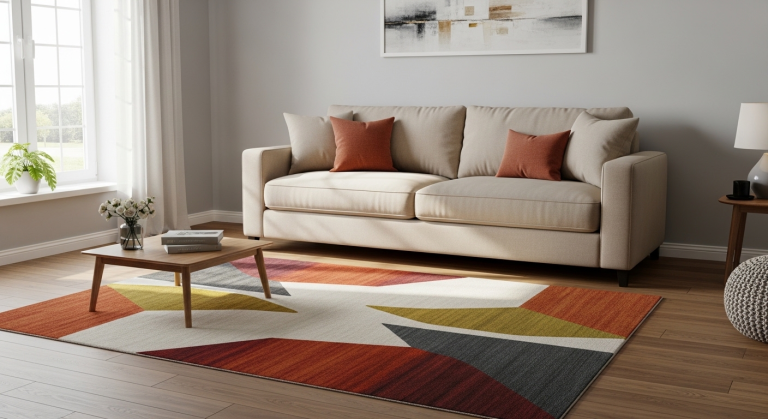
6. Use Area Rugs Correctly
Improper area rug sizing can instantly throw off a room. A rug that’s too small makes furniture feel disconnected.
At minimum, the front legs of all major seating pieces should sit on the rug. Ideally, all furniture legs should fit comfortably on it.
7. Maintain Strong Sight Lines
Good sight lines help a room feel open and organized. When entering the room, your eye should move naturally without visual obstacles blocking important focal points.
Avoid placing tall furniture directly in front of windows or pathways.
8. Balance the Room Visually
A room shouldn’t feel visually heavy on one side. If your sofa is large and dark, balance it with substantial visual weight elsewhere through chairs, shelving, or lighting.
Balance creates harmony even in eclectic spaces.
Section 2 — How to Arrange Furniture by Room Shape
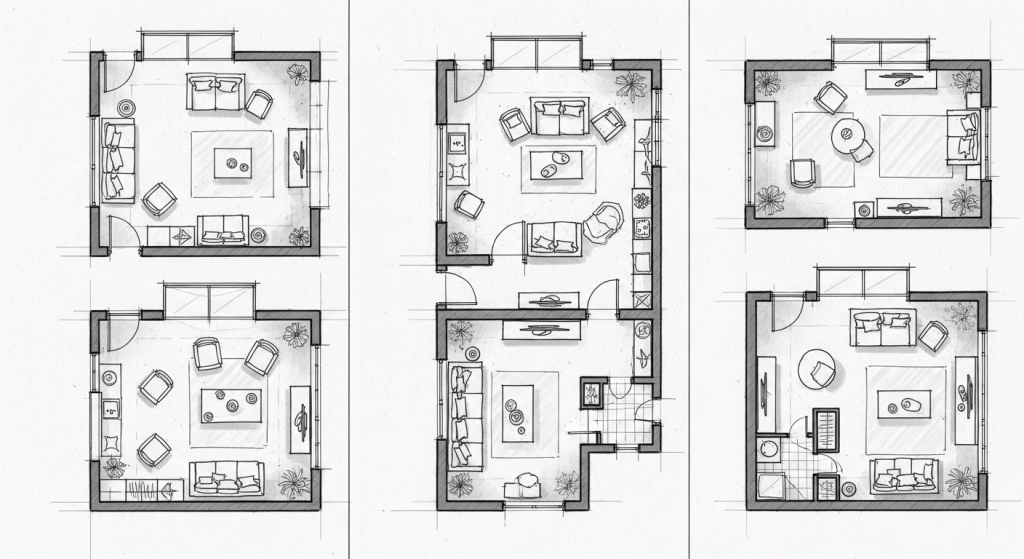
Every room shape requires a different strategy. Instead of fighting your layout, work with the architecture you already have.
How to Arrange Furniture in a Square Living Room
Square rooms can feel balanced but sometimes awkward because all sides compete equally for attention.
Step-by-Step Layout Strategy
Start by identifying the strongest focal point, whether it’s a fireplace, TV, or large window.
Place the sofa facing the focal point. Then position two chairs opposite or adjacent to create a balanced conversation area.
Use a square or round coffee table to reinforce the room’s symmetry.
Anchor everything with a properly sized rug.
Common Mistakes to Avoid
Avoid placing all furniture against the walls because this creates empty dead space in the center.
Don’t use too many bulky pieces that compete visually.
How to Arrange Furniture in a Rectangular Living Room
Rectangular rooms are common but can feel like bowling alleys if arranged poorly.
Step-by-Step Layout Strategy
Divide the room into functional zones instead of treating it as one long corridor.
Position the sofa along the longer wall when possible.
Use chairs across from the sofa to create intimacy and shorten the visual length of the room.
If the room is very long, create two seating zones instead of one oversized arrangement.
Common Mistakes to Avoid
Avoid lining all furniture along the walls.
Don’t leave the center of the room completely empty while crowding the perimeter.
How to Arrange Furniture in an L-Shaped Living Room
L-shaped spaces often confuse homeowners because of the unusual layout.
Step-by-Step Layout Strategy
Use the larger section as the primary seating area.
Turn the smaller section into a secondary function zone such as a reading nook or workspace.
Use rugs to visually define each area.
Position sectional sofas carefully so they enhance rather than block movement between zones.
Common Mistakes to Avoid
Avoid trying to force one giant seating arrangement across both sections.
Don’t ignore the smaller portion of the room entirely.
How to Arrange Furniture in an Open-Plan Space
Open-plan layouts need thoughtful zoning to prevent everything from blending together.
Step-by-Step Layout Strategy
Use furniture placement to define spaces naturally.
Float the sofa to act as a divider between the living room and dining area.
Use rugs to visually separate functional zones.
Keep color palettes cohesive for smooth visual flow.
Common Mistakes to Avoid
Avoid pushing all furniture to the edges.
Don’t let the room feel like one giant undefined space.
Section 3 — Focal Points: How to Identify and Design Around Them
[Suggested image placement: Living room with fireplace as focal point]
Every living room needs a visual center that anchors the layout.
Fireplace as the Focal Point
If you have a fireplace, it usually becomes the natural focal point automatically.
Arrange seating to face or partially face it. Even if you also have a TV, try to create a balanced relationship between both elements.
TV as the Focal Point
If the television is your main focus, position seating directly across from it for comfortable viewing.
The ideal viewing distance is generally 1.5 to 2.5 times the screen size.
Avoid mounting the TV too high, which strains the neck.
Window as the Focal Point
Large windows deserve attention rather than obstruction.
Arrange seating to appreciate the view while preserving natural light and open sight lines.
Avoid placing bulky furniture directly in front of windows whenever possible.
Section 4 — Traffic Flow 101: Leaving the Right Amount of Space
[Suggested image placement: Diagram with spacing measurements between furniture]
Proper spacing is what separates cramped rooms from comfortable ones.
Ideal Furniture Spacing Measurements
- Leave 18 inches between the sofa and coffee table
- Leave 30–36 inches for major walkways
- Leave 24 inches minimum for smaller pathways
- Place side tables within 1–3 inches of seating arms
- Keep TV viewing distance approximately 7–10 feet for medium screens
- Allow at least 36 inches between furniture and doorways
- Leave around 14–18 inches between chairs and side tables
These measurements improve comfort and make the room feel naturally functional.
Section 5 — Small Living Room Arrangement Hacks
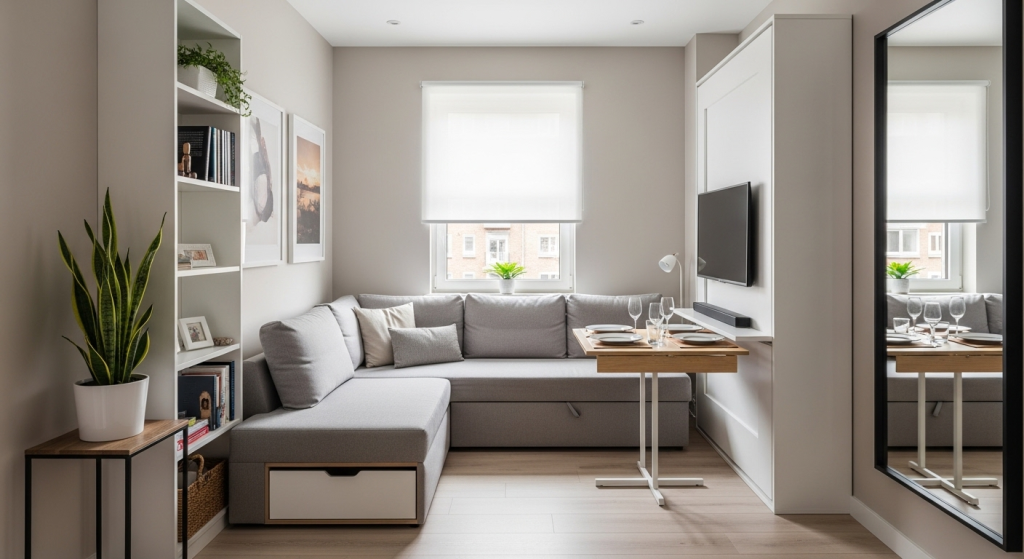
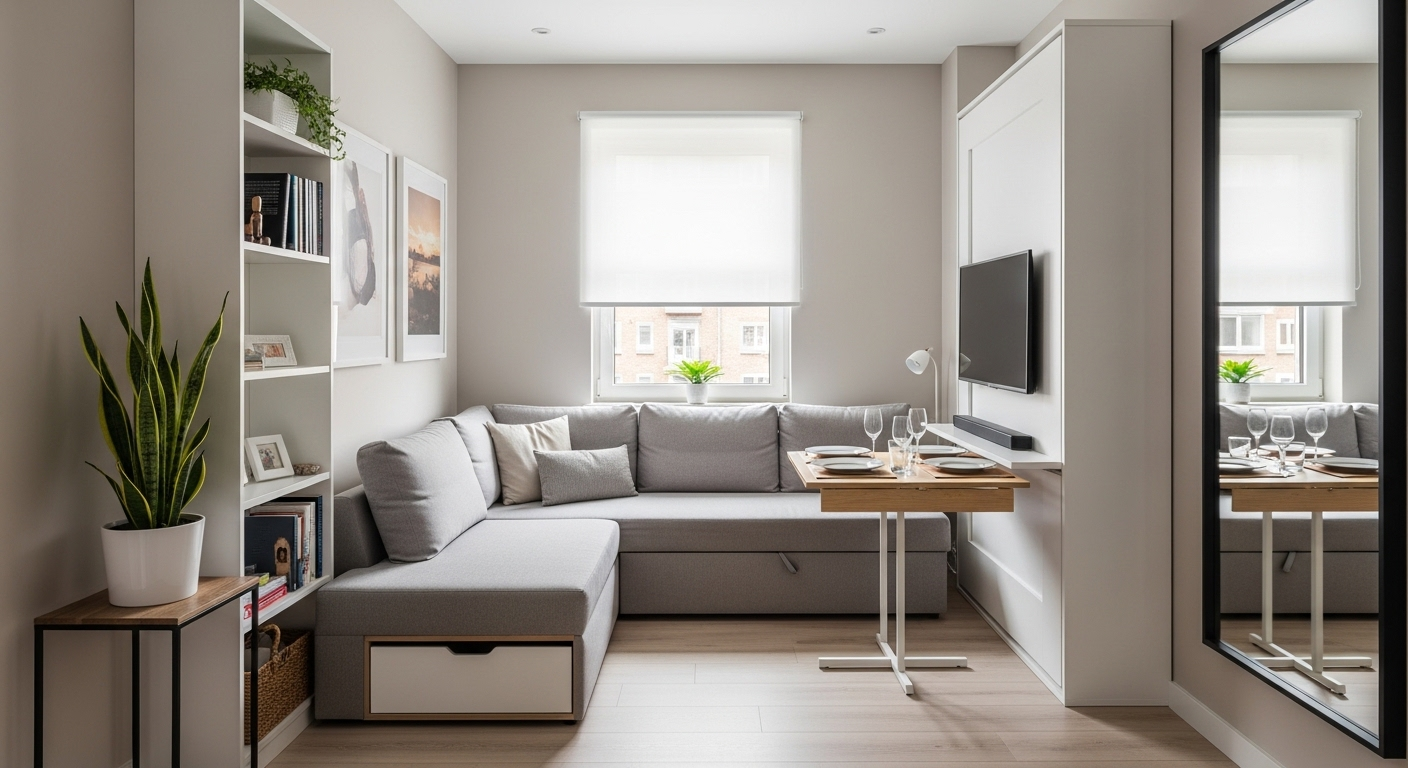
Small living rooms require smart editing and intentional layouts.
Use Multifunctional Furniture
Choose ottomans with storage or nesting tables that can expand when needed.
Keep Furniture Visually Light
Furniture with exposed legs helps maintain openness.
Use Vertical Space
Tall shelving draws the eye upward and frees floor space.
Choose the Right Rug Size
Small rugs actually make rooms feel smaller. Go larger whenever possible.
Limit Furniture Quantity
Sometimes removing one unnecessary chair dramatically improves flow.
Float Key Pieces
Even in small rooms, floating furniture slightly away from walls can create better depth perception.
Printable Checklist: Before You Move a Single Piece of Furniture, Check These 10 Things
Before Rearranging Your Living Room
- Identify the room’s focal point
- Measure the room dimensions
- Measure all furniture pieces
- Plan clear traffic paths
- Check walkway spacing
- Choose the correct rug size
- Create a defined conversation area
- Balance visual weight across the room
- Test sight lines from entrances
- Remove unnecessary furniture first
FAQ
How far should a coffee table be from the sofa?
Ideally, leave about 18 inches between the sofa and coffee table. This gives enough room for leg movement while keeping items within easy reach.
Should furniture always go against walls?
No. Floating furniture inward often creates a more intimate and professionally designed layout. Pushing everything against walls can make the room feel disconnected.
What is the biggest mistake in living room layouts?
One of the biggest mistakes is ignoring traffic flow. When people can’t move comfortably through the room, the entire space feels awkward and cramped.
How do you arrange furniture in a small awkward living room?
Focus on functionality first. Use fewer furniture pieces, maintain open pathways, and prioritize scale and proportion carefully.
What size rug should go under living room furniture?
Ideally, at least the front legs of all seating should sit on the rug. Larger rugs generally make rooms feel bigger and more cohesive.
Conclusion
The best living room layouts don’t happen by accident. They’re created through thoughtful placement, balanced proportions, and an understanding of how people naturally move and interact within a space. Once you learn the core principles of furniture arrangement, even difficult layouts become much easier to solve.
Start with your anchor piece, define your conversation area, protect your traffic flow, and always pay attention to scale. Small adjustments can completely transform how your living room feels. With the right arrangement, your space can become more functional, welcoming, and effortlessly beautiful—without buying a single new piece of furniture.