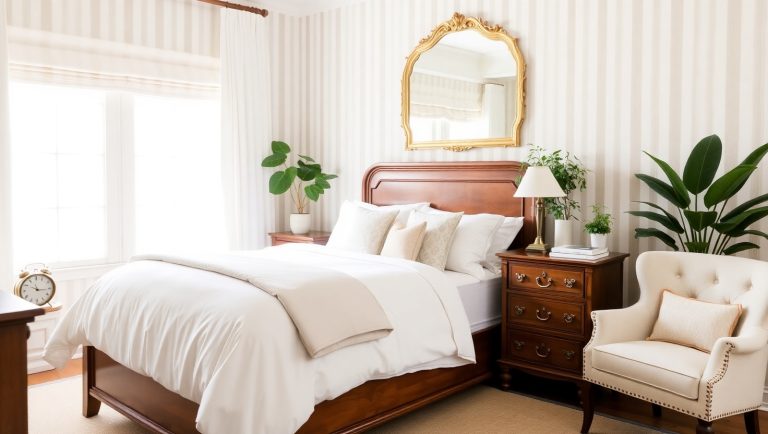
Yellow Bedroom Ideas for Warm, Balanced, and Livable Homes
Yellow has been used in sleeping spaces for centuries, long before it became associated with trends or seasonal palettes. As a color rooted in natural light, earth pigments, and handcrafted dyes, yellow has always played a role in how homes felt rather than how they looked. In bedrooms, it has traditionally been used to counter darkness, lift heavy architecture, and bring emotional warmth into private spaces. When handled with restraint and understanding, yellow becomes grounding rather than energizing, and comforting rather than loud.
Understanding Yellow as a Bedroom Color
Yellow behaves differently from most colors in interior spaces because it is highly responsive to light. Natural daylight can make it feel soft and creamy, while artificial lighting can either warm it beautifully or push it into harsh territory if chosen poorly. In bedrooms, this sensitivity means yellow must be selected with the room’s orientation, window size, and ceiling height in mind.
From a spatial perspective, yellow tends to visually advance rather than recede. This makes it excellent for rooms that feel cold or withdrawn, but risky in spaces that are already tight. Muted yellows, ochres, and clay-based tones have more visual weight control, while lemon or high-chroma yellows can compress a room if overused.
Common mistakes include choosing yellow from a paint chip without testing it in evening light, or assuming all yellows are cheerful by default. In reality, yellow can feel anxious or flat if it lacks undertones that connect it to natural materials.
Soft Yellow Walls for Restful Interiors
When yellow is used on bedroom walls, softness matters more than saturation. Pale butter, straw, or parchment-inspired shades work because they reflect light gently without overstimulating the senses. These tones support rest while still offering warmth that whites and cool neutrals often lack.
Wall color works best when paired with matte or eggshell finishes, which diffuse light instead of bouncing it sharply. In bedrooms with low ceilings, keeping yellow slightly lighter than expected prevents visual heaviness. For larger rooms, a deeper yellow can add intimacy without darkening the space.
Yellow as an Accent Rather Than a Base
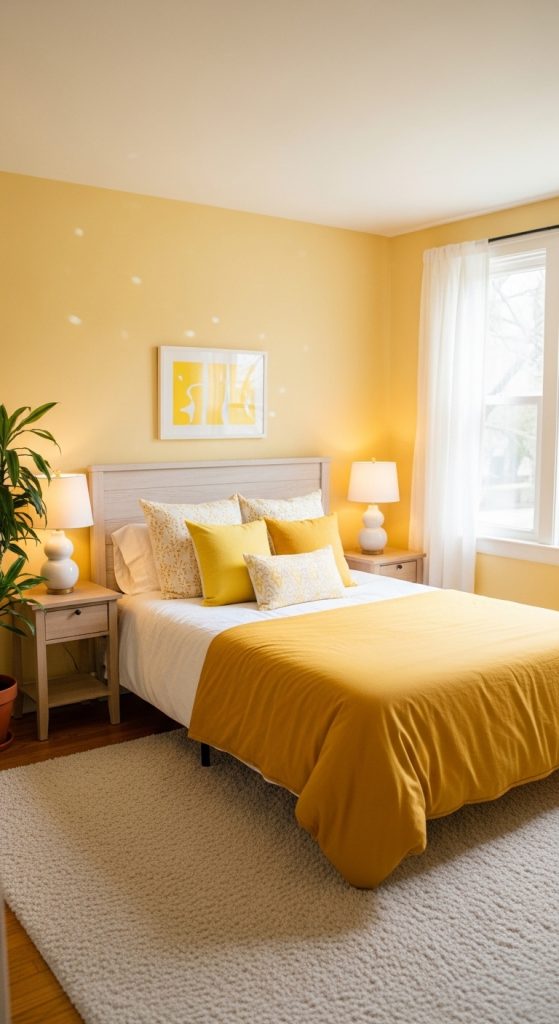
Not every bedroom benefits from yellow on the walls. In many homes, especially rentals or smaller spaces, yellow works better as an accent color layered through textiles and decor. This approach allows flexibility and avoids long-term commitment.
Accent use works best when yellow appears in at least three locations within the room, such as bedding, a chair, and artwork. This repetition creates cohesion without dominance. The key is to keep the base palette calm and neutral so yellow feels intentional rather than scattered.
Bedding Choices That Use Yellow Thoughtfully
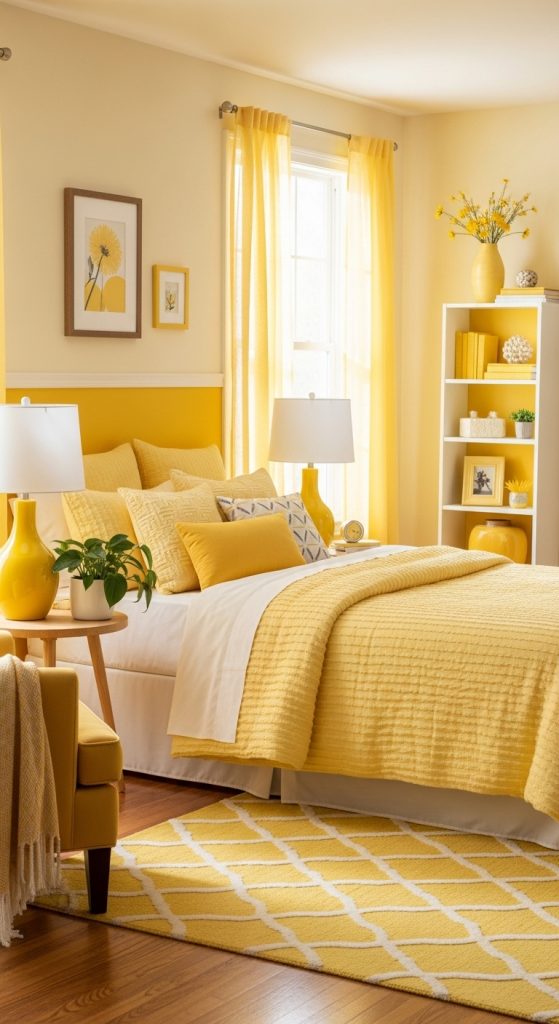
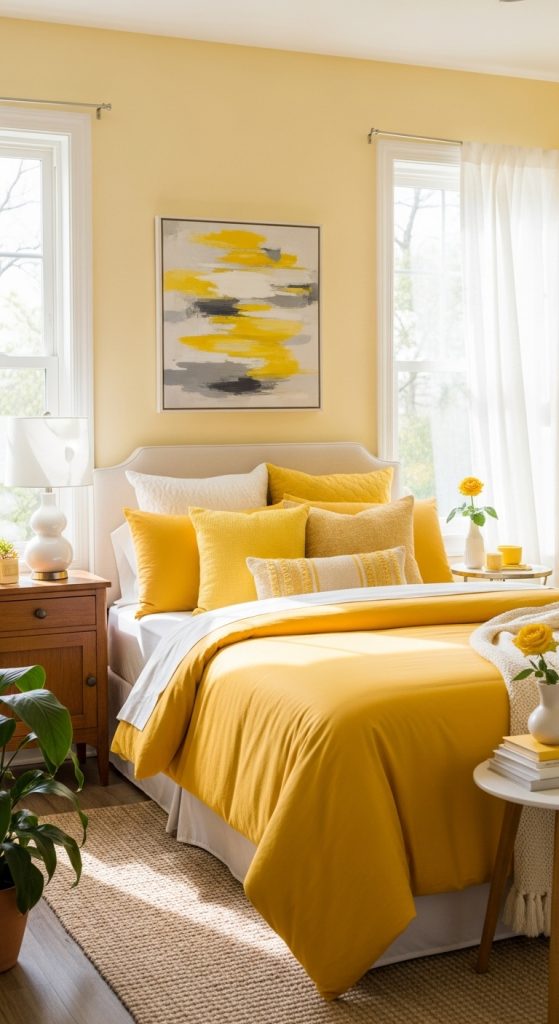
Bedding is one of the safest and most effective ways to introduce yellow into a bedroom. Because it occupies the visual center of the room, it has impact without permanence. Natural fabrics like cotton, linen, and wool soften yellow and prevent it from feeling synthetic.
Yellow duvets or quilts work best when paired with white, cream, or light gray sheets. This layering breaks up color blocks and maintains a sense of calm. In warmer climates, lighter yellow bedding reflects heat visually, making the room feel cooler despite the warm hue.
Yellow and Natural Light Interaction
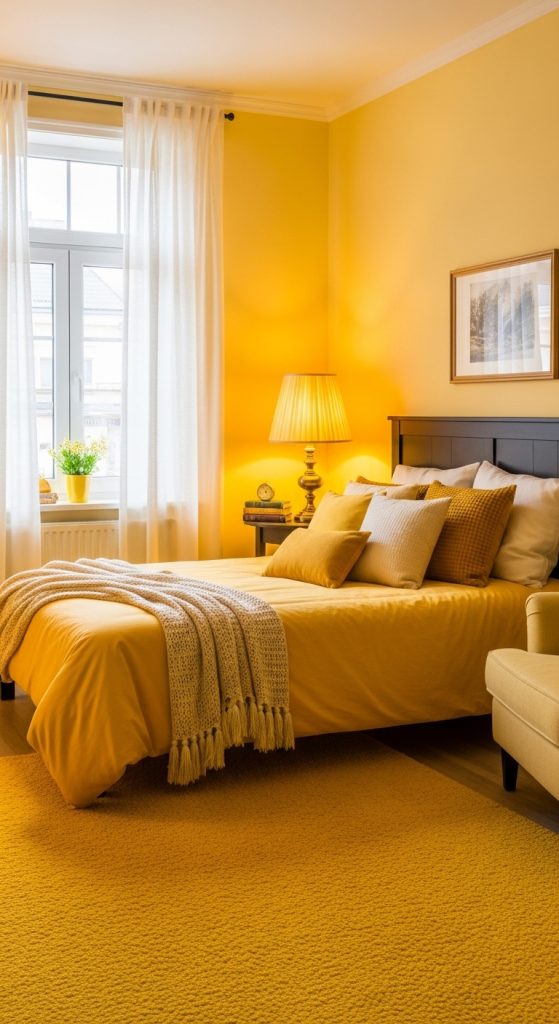
The success of yellow in a bedroom is closely tied to how light enters the space. North-facing rooms benefit from yellow’s warmth, compensating for cool, indirect light. South-facing rooms require more restraint, as sunlight can intensify yellow beyond comfort.
A common oversight is ignoring evening lighting. Yellow that feels perfect during the day can become dull or greenish at night if bulbs are too cool. Warm LED lighting with a consistent color temperature preserves yellow’s integrity.
Pairing Yellow With Complementary Materials
Yellow thrives when paired with materials that ground it. Wood, stone, clay, and woven fibers give yellow a natural context and prevent it from feeling artificial. In bedrooms, this often means incorporating wooden bed frames, jute rugs, or ceramic lamps.
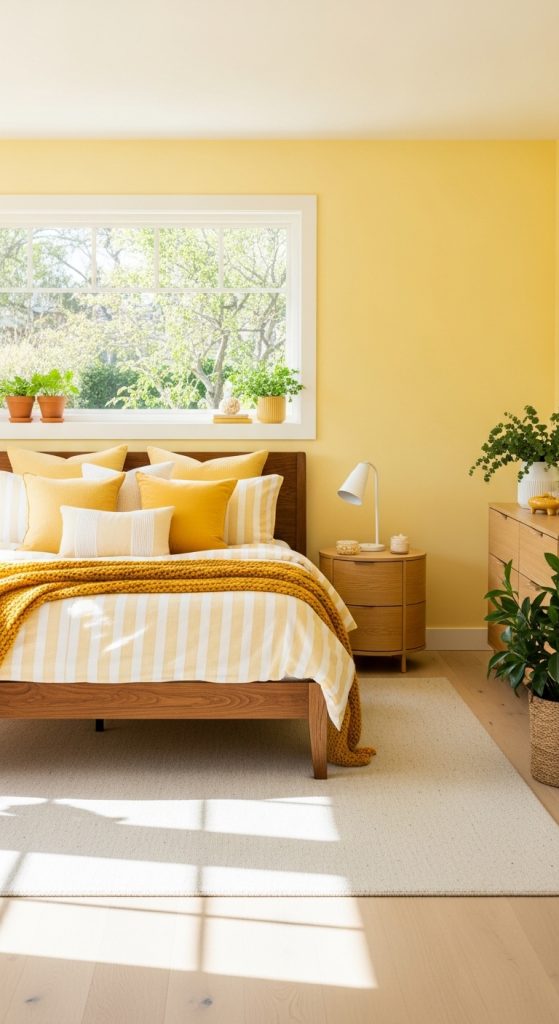
A frequent design mistake is pairing yellow with overly cool materials like stark marble or blue-toned grays. This clash can make the room feel unsettled rather than harmonious.
Yellow in Small Bedrooms
In compact bedrooms, yellow must be used with precision. Lighter, muted yellows can visually expand a space by reflecting light, while darker yellows should be limited to accents. Vertical elements like tall headboards or curtains help draw the eye upward and reduce the sense of crowding.
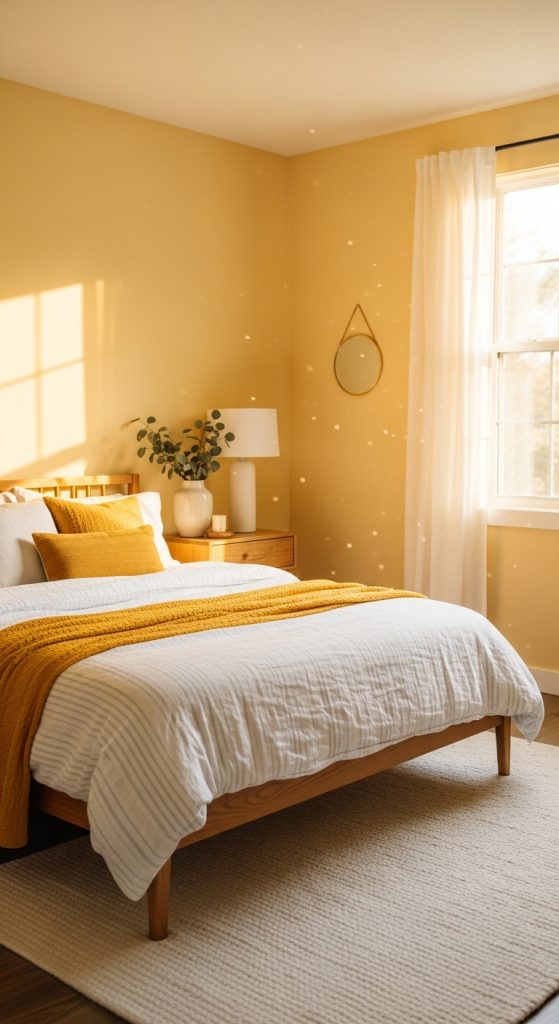
Many homeowners assume small rooms require white walls only. In reality, a well-chosen pale yellow can make a small bedroom feel warmer and more welcoming without sacrificing openness.
Yellow for Rental-Friendly Bedrooms
Renters often shy away from color due to restrictions, but yellow can be introduced without paint. Textiles, removable wallpaper, artwork, and lighting all offer reversible ways to bring yellow into a bedroom.
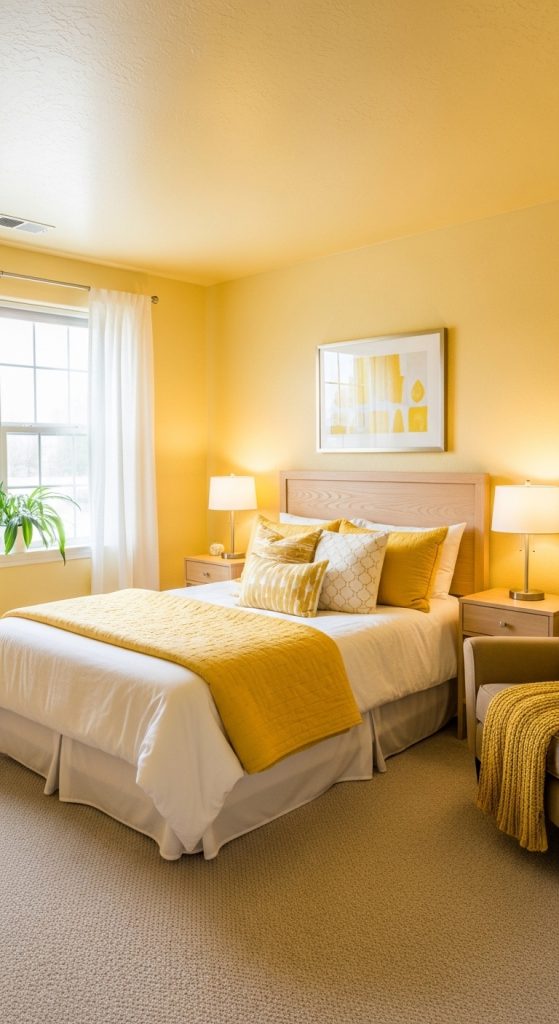
A common mistake in rentals is overcompensating with too many accessories. A few well-chosen yellow elements are more effective than filling the room with color in every corner.
Balancing Yellow With Neutrals
Neutral colors are essential partners to yellow in bedrooms. Cream, taupe, warm gray, and soft beige temper yellow’s energy and make it livable long-term. The ratio matters more than the exact shade.
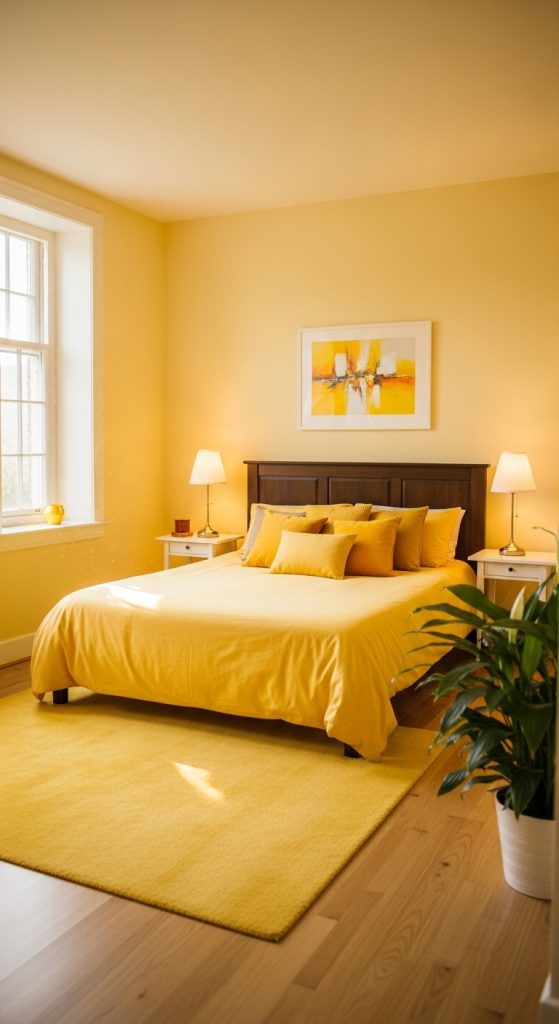
Homeowners often default to black accents for contrast, but in bedrooms this can feel harsh. Softer neutrals create a calmer, more cohesive environment.
Lighting Strategies for Yellow Bedrooms
Lighting determines whether yellow feels inviting or overwhelming. Layered lighting is essential, combining ambient, task, and accent sources. Soft, indirect light enhances yellow’s warmth without flattening the room.

One of the most common mistakes is using cool white bulbs. These can make yellow appear sickly or dull. Warm bulbs with consistent color temperature preserve the richness of the palette.
Yellow and Bedroom Mood
Despite its association with energy, yellow can support rest when chosen thoughtfully. Muted yellows with earthy undertones promote comfort and emotional stability, especially when balanced with tactile materials.
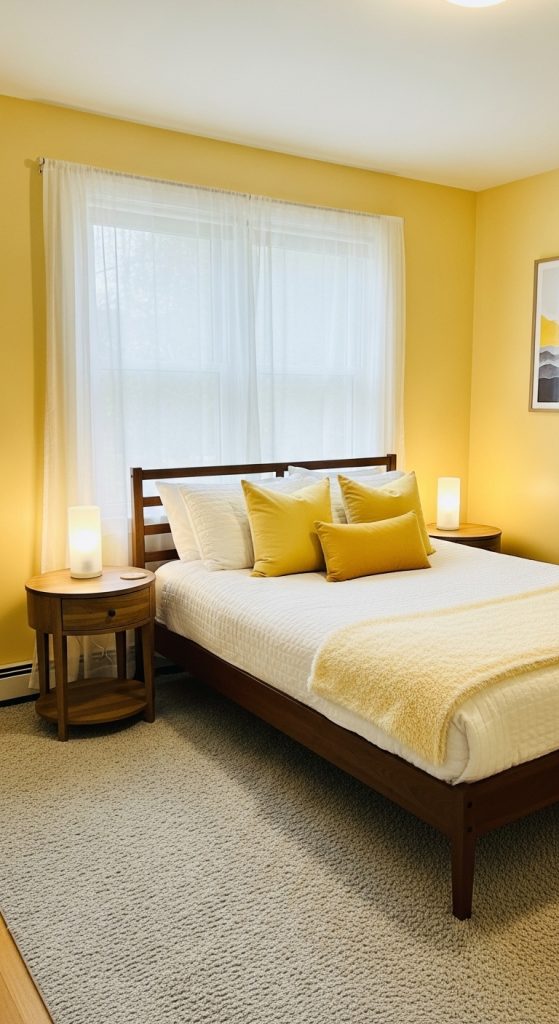
Overusing bright yellow, however, can increase restlessness. Bedrooms should prioritize emotional calm over visual excitement.
Common Yellow Bedroom Mistakes to Avoid
Many yellow bedrooms fail not because of the color itself, but because of poor planning. Choosing paint without testing, ignoring lighting, and mismatching undertones are the most frequent errors.
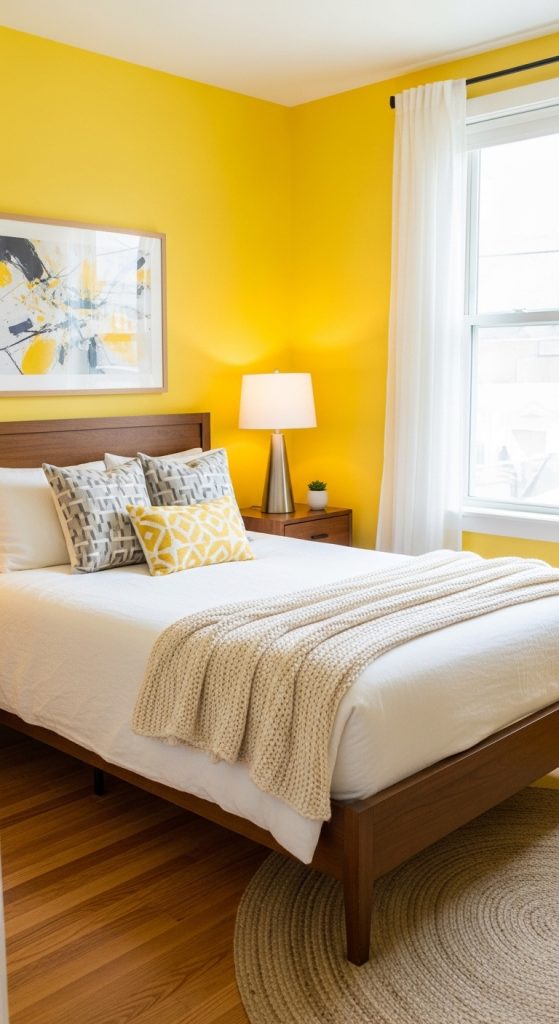
Finally, committing to bold yellow everywhere limits flexibility. Bedrooms evolve over time, and color choices should allow for that change.
Long-Term Value of Yellow Bedrooms
A well-executed yellow bedroom ages gracefully. Unlike trend-driven palettes, muted yellows rooted in natural tones remain relevant as furnishings and styles change. They adapt easily to new textiles, artwork, and layouts.
Ultimately, yellow succeeds in bedrooms when it supports daily living rather than dominating it. Thoughtful choices lead to spaces that feel warm, steady, and genuinely restful for years to come.