Basement Laundry Room Ideas For Function and Comfort
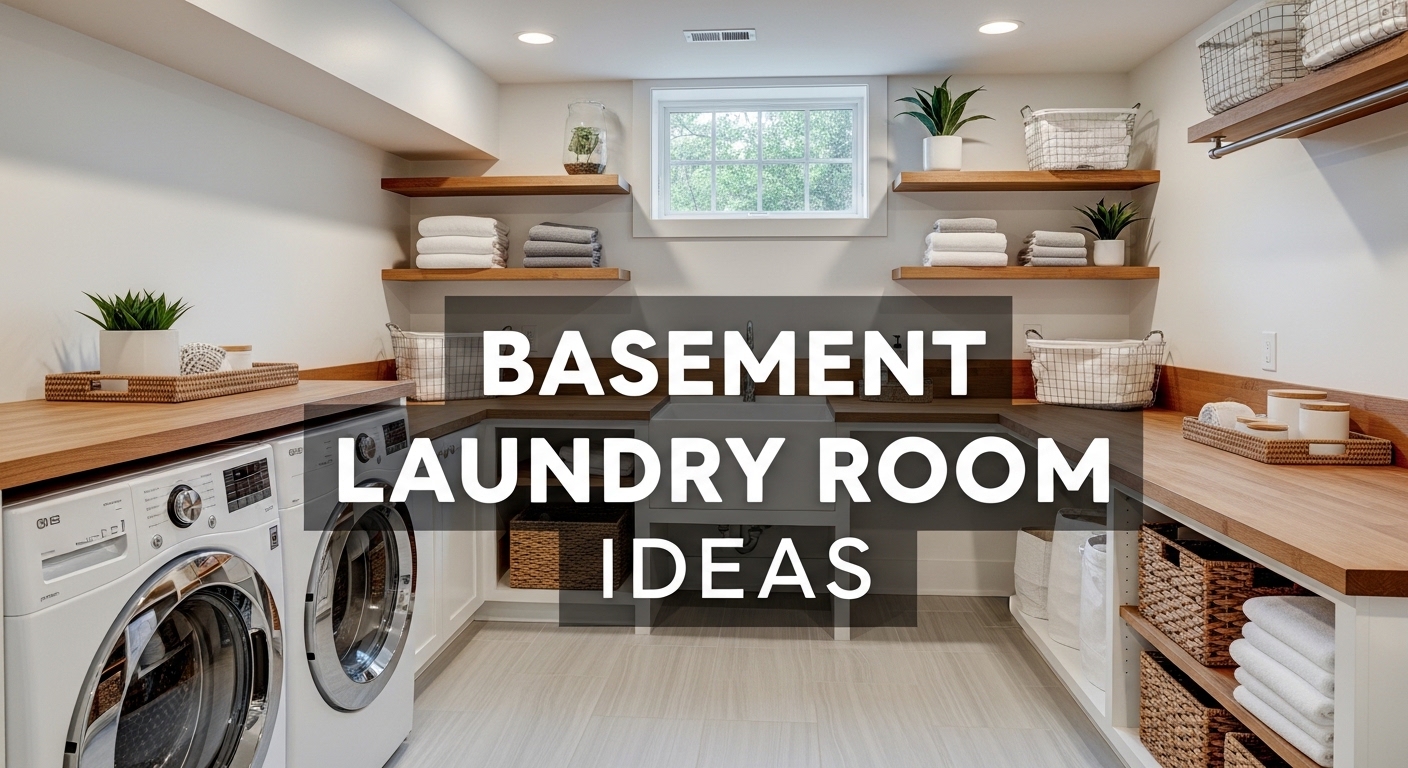
A basement laundry room has always been more than a place for machines. Historically, it was a utilitarian zone kept out of sight, designed purely for labor. In well-considered homes, however, this space has evolved into a hardworking service room that supports daily life quietly and efficiently. When planned with care, a basement laundry room can reduce household friction, protect the structure of the home, and even become one of the most dependable spaces in the house. Experience shows that when homeowners treat this room with the same respect as kitchens or baths, the payoff is long-lasting comfort and ease.
A basement location presents unique challenges and opportunities that are not found on upper floors. Gravity, moisture behavior, ceiling height, and limited daylight all influence how this room should be shaped. Thoughtful planning at the beginning prevents common regrets later, especially in homes where renovations are expected to last decades rather than a few years.
Understanding the Basement Environment First
Every strong laundry room begins with respect for the basement itself. Below-grade spaces behave differently from the rest of the house, particularly in how they manage moisture, temperature, and sound. Ignoring these realities often leads to peeling finishes, persistent odors, or mechanical problems that could have been avoided.


Concrete walls and floors tend to absorb and release moisture slowly. This means finishes must tolerate humidity without warping or trapping dampness. Painted drywall without proper vapor control is a common mistake, as it can conceal mold growth behind finished surfaces.
Ceiling height also dictates layout decisions. In basements with low headroom, stacking machines or overhead cabinetry can create a cramped feeling and interfere with ductwork. Maintaining clear vertical space around machines improves ventilation and makes routine maintenance easier.
Planning Layouts That Reduce Daily Effort
A basement laundry room should minimize unnecessary movement. Over years of use, even small inefficiencies become tiring. The most successful layouts follow a simple sequence: sort, wash, dry, fold, store.

In wider basements, U-shaped or L-shaped layouts create dedicated zones without increasing walking distance. These layouts allow homeowners to separate clean and dirty tasks, which helps keep the space organized during busy weeks.
Common layout mistakes include placing storage too far from machines and underestimating the space needed to open appliance doors fully. These issues often feel minor at first but quickly become daily frustrations.
Choosing Flooring That Handles Moisture and Movement
Flooring is one of the most important decisions in a basement laundry room. It must withstand water exposure, vibration from machines, and frequent foot traffic. Durability matters more here than softness or visual warmth.

Luxury vinyl flooring is another practical choice, especially in finished basements where warmth underfoot is desired. It handles moisture well when installed correctly and offers flexibility for homeowners working within tighter budgets.
Avoid hardwood or laminate products not rated for below-grade use. Even minor leaks can cause irreversible damage, leading to costly replacements that disrupt the home.
Storage That Adapts to Changing Households
Laundry needs change as families grow, shrink, or shift routines. Storage should be designed with flexibility in mind rather than fixed assumptions. Adjustable shelving and modular cabinets allow homeowners to reconfigure the room without major renovations.

A common oversight is neglecting space for bulky items such as hampers, drying racks, or pet supplies. Planning for these from the beginning prevents the room from becoming a catch-all storage zone.
Lighting That Compensates for Limited Daylight
Basement laundry rooms rarely benefit from generous natural light. Artificial lighting must therefore be layered and intentional. Relying on a single ceiling fixture often results in shadows that make tasks harder than necessary.

Color temperature also plays a role. Neutral white lighting helps with stain detection and color sorting, while overly warm bulbs can distort fabric colors. Lighting mistakes are difficult to correct later, so careful planning upfront is essential.
Ventilation and Airflow as Structural Protection
Proper ventilation is not optional in a basement laundry room. Moisture from washing machines and dryers can accumulate quickly, affecting not just the room but the surrounding structure of the home.
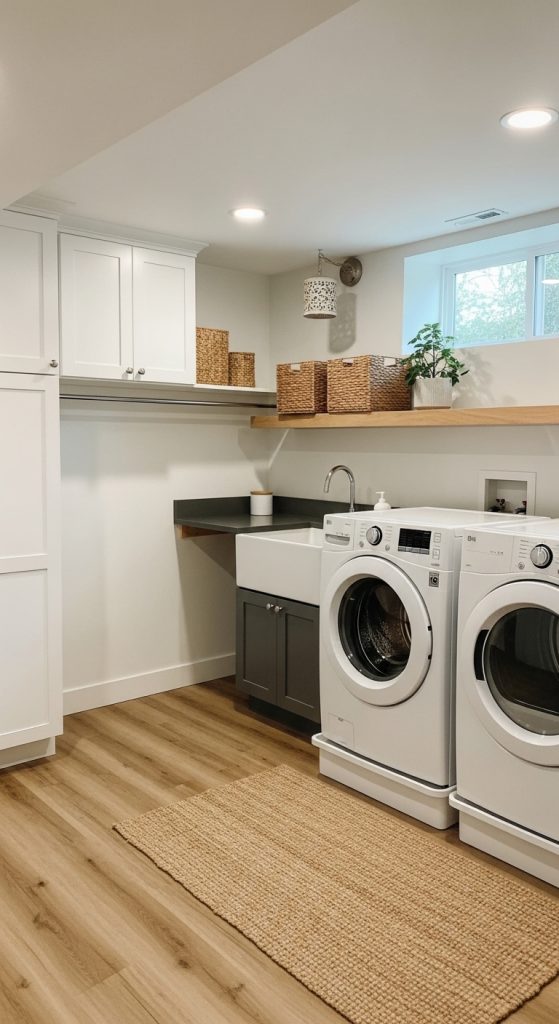
Supplemental ventilation, such as an exhaust fan or dehumidifier, adds an extra layer of protection. These systems help maintain stable humidity levels and extend the life of finishes and appliances alike.
Sound Management for Shared Living Spaces
Basement laundry rooms often sit below bedrooms or living areas. Without sound control, machine noise can travel through floors and walls, disrupting daily routines. Addressing acoustics early prevents long-term annoyance.

Avoid placing machines directly against shared walls whenever possible. Even small separations can make a noticeable difference in how sound moves through the house.
Material Choices That Age Gracefully
Laundry rooms experience frequent wear, spills, and cleaning. Materials should be chosen for longevity rather than novelty. Finishes that look appealing but require constant upkeep often become burdensome over time.

Countertops made from laminate, solid surface, or sealed stone offer durability without excessive cost. Porous materials require diligent maintenance and may not be practical for all households.
Utility Sinks and Work Surfaces That Earn Their Space
A utility sink remains one of the most useful elements in a basement laundry room. It supports handwashing, soaking, and cleaning tasks that would otherwise spill into bathrooms or kitchens.

Folding counters should be uninterrupted where possible. Seams and gaps interrupt workflow and collect lint. A continuous surface simplifies tasks and improves efficiency.
Budget-Conscious Upgrades With Lasting Impact
Not every laundry room renovation requires a full remodel. Strategic upgrades can dramatically improve function without excessive expense. Prioritizing infrastructure over aesthetics often delivers the best return.
Improving lighting, adding storage, and upgrading flooring typically provide the most noticeable benefits. These changes enhance daily use and protect the home from moisture-related damage.
Below is a practical comparison of common budget choices and their long-term value:
| Upgrade Area | Lower-Cost Option | Long-Term Benefit |
|---|---|---|
| Flooring | Luxury vinyl | Moisture resistance, easy replacement |
| Storage | Open shelving | Flexibility, lower installation cost |
| Lighting | LED flush mounts | Energy efficiency, low heat output |
| Ventilation | Dehumidifier | Structural protection, air quality |
Avoid spending heavily on decorative elements that do not improve function. In service rooms, practicality always outperforms ornamentation.
Safety and Maintenance Considerations
Basement laundry rooms must meet safety standards to protect both occupants and the home. Proper electrical grounding, accessible shut-off valves, and leak detection systems reduce risk significantly.

Routine maintenance should be simple. Clear access to machines, filters, and vents ensures that homeowners can address small issues before they become major repairs.
Accommodating Small Basements and Low Ceilings
Limited space does not eliminate the possibility of a well-functioning laundry room. Careful scaling and thoughtful layout choices make even compact basements workable.

Avoid overcrowding walls with cabinetry. In small rooms, negative space improves comfort and usability more than additional storage.
Temporary and Rental-Friendly Solutions
Not all homeowners plan to stay long-term. For temporary situations or rental properties, reversible upgrades make the most sense. Freestanding storage, removable lighting, and surface-mounted solutions preserve flexibility.

These solutions respect the constraints of temporary living while still improving daily routines.
Designing for Long-Term Use and Resale Value
A basement laundry room that functions well appeals to future buyers, even if it is not immediately visible. Quality infrastructure and thoughtful planning signal a well-maintained home.

Ultimately, the goal is not to impress but to endure. A laundry room that quietly supports daily life, protects the home, and adapts over time is always worth the investment.
By grounding decisions in experience, respecting the realities of basement spaces, and focusing on function over fashion, homeowners can create laundry rooms that serve them reliably for years to come.