Designing a Home Entryway That Makes a Lasting First Impression
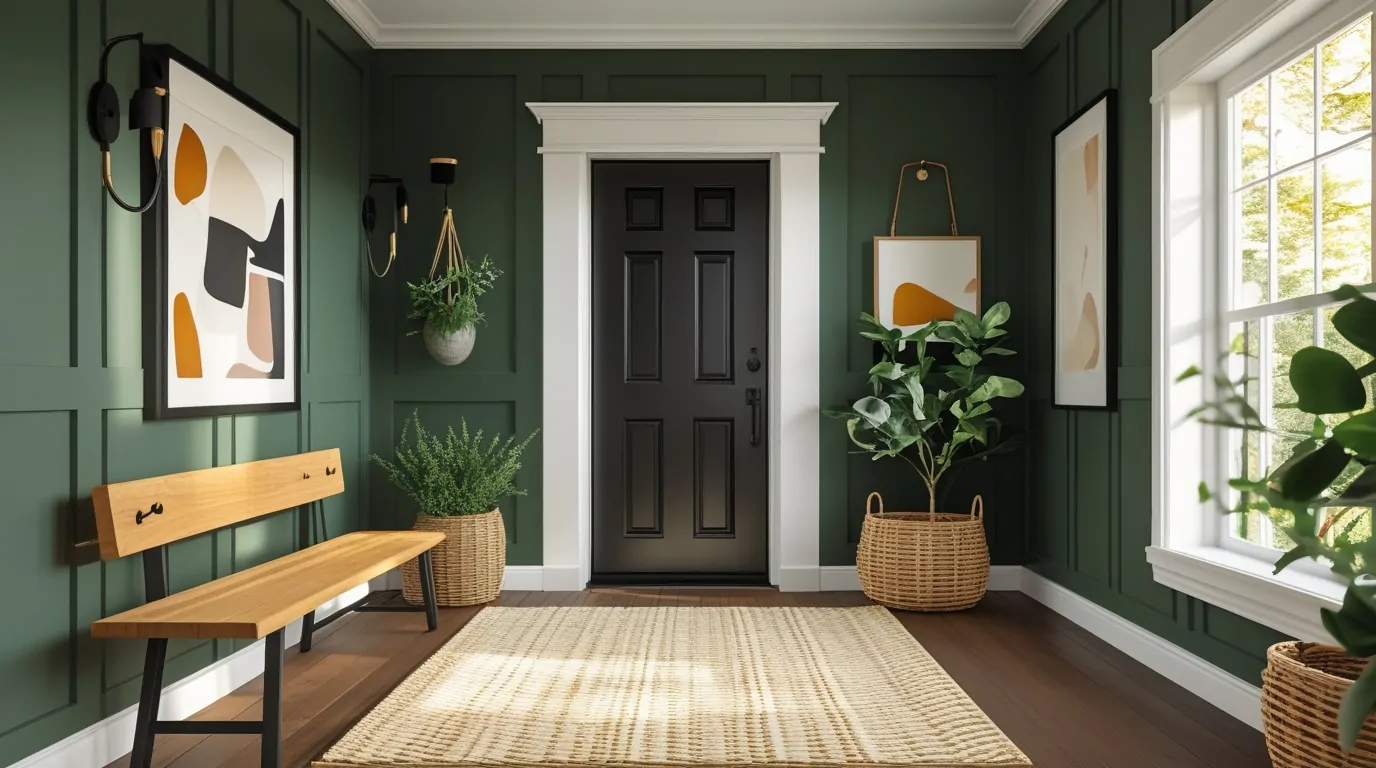
The entryway is the first glimpse of your home’s soul. It’s where design meets function, where style sets the tone, and where every guest — and every day — begins and ends. Despite its importance, this transitional space is often overlooked, treated more like a pass-through than a destination. But a well-designed entryway does more than welcome — it anchors your entire home.
Whether you’re working with a grand foyer or a narrow hallway, the principles of great entryway design remain the same: blend beauty with practicality, invite calm and clarity, and communicate who you are before you say a word.
Let’s explore how to thoughtfully design a functional and beautiful entryway that makes a lasting impression — and sets the emotional tone for everything that follows.
The Role of the Entryway: More Than Just a Doorway
The entryway is your home’s handshake. It greets, guides, and grounds — offering a preview of the aesthetic, energy, and function that lie beyond. It’s not just about curb appeal or clever styling; the entryway manages both the flow of traffic and the mood of arrival.
From a psychological perspective, walking into a well-organized, visually harmonious space immediately tells the brain: You’re home. You can breathe now. In contrast, a chaotic or poorly lit entryway can feel disorienting, rushed, or even stressful.
So, whether it’s large or small, your entryway should be a space of transition — a soft landing and a graceful launchpad. Design it to carry you inward with ease.
Layout and Flow: Designing for Movement and Comfort
Every successful entryway starts with thoughtful layout. The goal is to guide movement intuitively while avoiding clutter or visual confusion.
In larger foyers, consider the room in zones. Anchor the space with a central console table or bench, create breathing room between pieces, and use rugs to define entry boundaries. Allow space for natural movement — nothing should block the flow from door to deeper interior.
In smaller or narrow entryways, maximize every square inch. Wall-mounted hooks, slimline benches, floating shelves, and vertical storage can transform tight spaces into hardworking entry points. Keep walkways open and avoid oversized furniture that restricts circulation.
When possible, offer a natural place to pause: to drop keys, hang coats, or take off shoes. These transition rituals help establish the habit of organization and visual order — which matters more in entryways than almost anywhere else.

Furniture Selection: Function with Style
Entryway furniture has to work hard without overwhelming the space. The key is selecting pieces that are scaled to the room, practical in use, and cohesive in style with the rest of the home.
A console table is the classic choice for a reason — it provides surface space for keys, mail, or decorative objects without dominating the room. Look for one with drawers if hidden storage is needed, or go minimalist with an open-base style to keep things airy.
Benches are another excellent staple. Not only do they signal a place to pause, but they encourage a sit-down-and-slow-down moment, especially for putting on or removing shoes. Add a few soft cushions or a woven basket beneath for shoes, scarves, or pet leashes.
Hooks, wall shelves, and storage cabinets round out the entryway furniture toolkit. In small spaces, opt for vertical solutions. In larger ones, incorporate a mix of concealed and open storage to balance beauty with utility.

Lighting: The Silent Ambassador
Lighting in the entryway should be as functional as it is emotional. It sets the tone for the space, casting the first impression and shaping how the room feels — calm, bright, intimate, or dramatic.
Natural light is always a win. If your entryway has a transom window or sidelights, keep treatments minimal to maximize brightness. If it’s a windowless hallway, use mirrors to bounce ambient light and open up the space visually.
For artificial lighting, start with a central ceiling fixture. A semi-flush mount or pendant light offers personality and presence — a chandelier in a high-ceiling foyer or a sculptural flush mount in a hallway. Always choose warm bulbs in the 2700K–3000K range to create an inviting, not sterile, glow.
Layer in accent lighting with table lamps on consoles, sconces on the wall, or even under-shelf lighting for added depth and softness. Lighting should feel like a warm welcome — never harsh or utilitarian.

Material Choices: Texture Meets Durability
Entryways must strike a balance between style and strength. This is a high-traffic zone — exposed to shoes, weather, pets, and everyday comings and goings — so materials matter.
Flooring should be durable and easy to clean. Hardwood, tile, or stone are top choices. In rainy or snowy climates, consider a water-resistant mat or runner rug to protect the surface and contain dirt. Layering rugs — a washable runner over tile, for example — adds both texture and practicality.
Wall finishes should also hold up to use. Paint with a washable finish (like satin or eggshell) is ideal for scuffs. Add beadboard, wainscoting, or textured wallpaper to bring visual interest without clutter.
Furniture finishes should age gracefully. Choose wood with character, metals that patina well, and baskets or fabrics that complement your home’s palette. Natural materials like cane, linen, clay, and jute bring warmth and depth — while also signaling that this is a space meant to be lived in.
Storage: Containing Clutter Without Losing Beauty
The best entryways hide their utility in plain sight. That’s the magic of smart storage — it supports the rhythm of life while allowing the space to remain visually calm.
Baskets under benches, drawers in consoles, and wall-mounted cubbies all offer hidden homes for the daily mess. Use labeled containers for mail, keys, sunglasses, or pet gear. If space permits, consider a small closet outfitted with hooks, shelves, and trays.
In family homes, entryways often double as mudrooms. Built-ins with cubbies, closed cabinets, and lockers keep clutter off the floor and create dedicated zones for each member of the household.
Keep surfaces as clear as possible. One bowl or tray for small items is fine — but beyond that, let beauty arise from restraint.
Personal Style and Emotional Impact
The entryway is your home’s emotional handshake — and it should reflect who you are. After you’ve handled the functional layers, elevate the space with design touches that create emotional resonance.
A gallery wall of black-and-white family photos. A curated trio of ceramic vases. A large mirror that expands the space and offers one last glance before heading out. A candle with your signature home scent. A piece of abstract art in warm tones. These elements tell a story, subtly setting the tone for what lies beyond.
Your entryway doesn’t need to scream personality. It needs to whisper it — clearly, calmly, and beautifully.

Inviting Color Schemes: From Subtle to Statement
Color plays a powerful role in how your entryway feels — whether you want it to ground, uplift, energize, or soothe. Timeless, welcoming entryways often lean toward earthy neutrals, muted blues, soft greiges, or deep greens for an enveloping, cozy vibe.
White or ivory walls keep things airy and let furniture shine. A painted door in a rich hue — slate blue, forest green, or matte black — adds contrast and drama. Accent walls in textured wallpaper or darker tones can define small spaces and add intimacy.
Balance color with texture. A monochrome palette becomes interesting with varied materials — like a black console, woven basket, brass mirror, and warm wood floors all within a neutral scheme.

Conclusion: Designing for Welcome, Flow, and Identity
A thoughtfully designed entryway is so much more than a stylish corner — it’s a tone-setter, a traffic hub, and a mood-shaper. Whether your space is compact or expansive, your entryway deserves to function beautifully, reflect your style, and invite both you and your guests to slow down and feel at home.
Start with the layout, honor the need for storage, choose materials with care, and layer in lighting and personality. The result will be a space that doesn’t just make a good first impression — it makes a lasting one.
Final Words
Ready to transform your entryway into a space that greets with grace and functions with ease? Subscribe to our newsletter for weekly design tips, seasonal styling ideas, and behind-the-scenes room transformations — starting right at your front door.