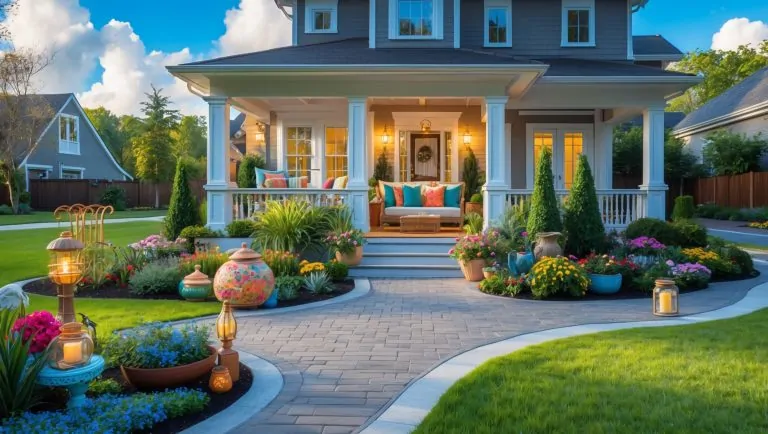
Front Yard Flower Bed Ideas
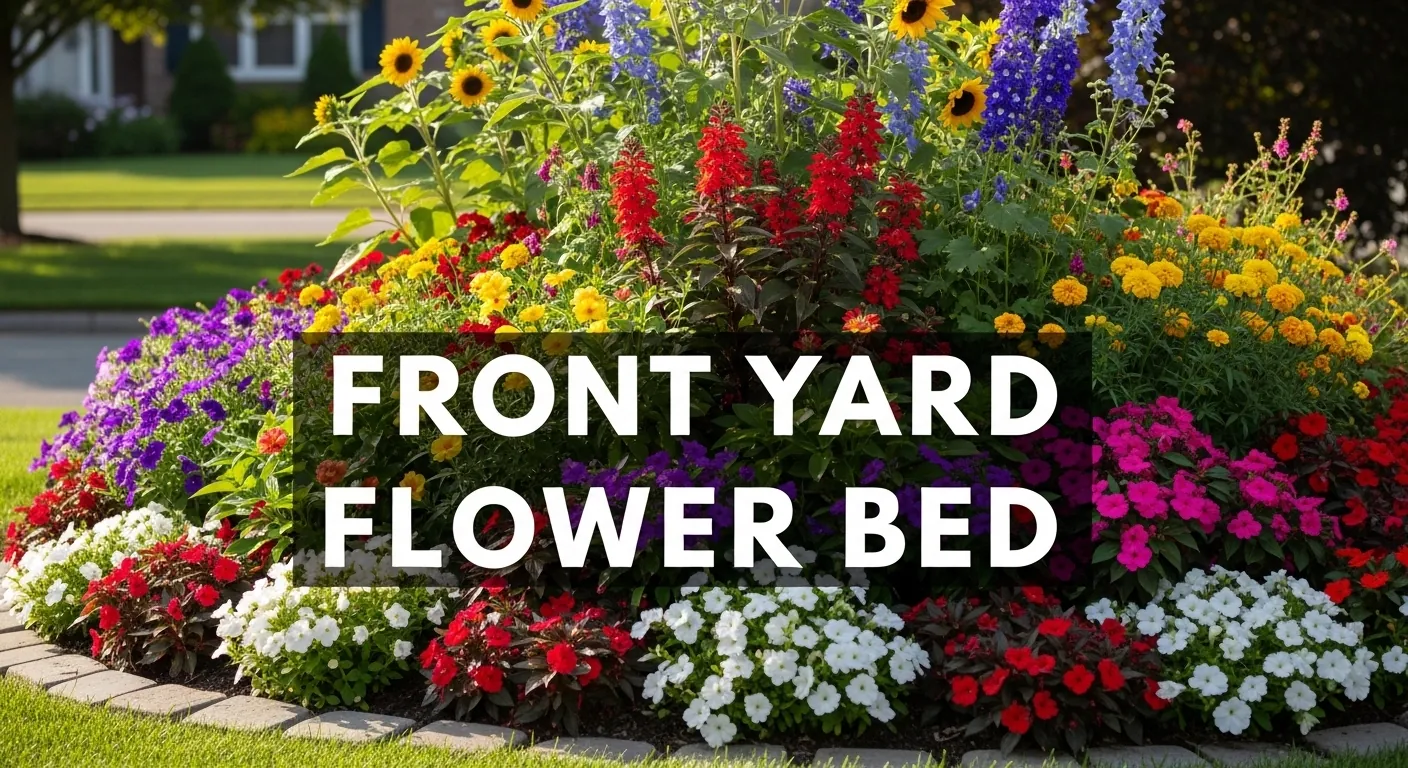
Front yard flower beds are more than decorative borders. They shape how a home greets the street, how pathways feel underfoot, and how architecture settles into its landscape. When thoughtfully planned, they provide structure in winter, softness in spring, and a sense of care that neighbors quietly notice.
A well-composed flower bed begins with restraint. Too many plant varieties or scattered shapes often create visual noise rather than beauty.
Classic Border Arrangements for Balanced Curb Appeal
A traditional border along the front façade or walkway remains one of the most reliable front yard flower bed ideas. It works because it mirrors architectural lines and frames the home without overpowering it. Clean edges create order, allowing plantings to feel contained rather than scattered.
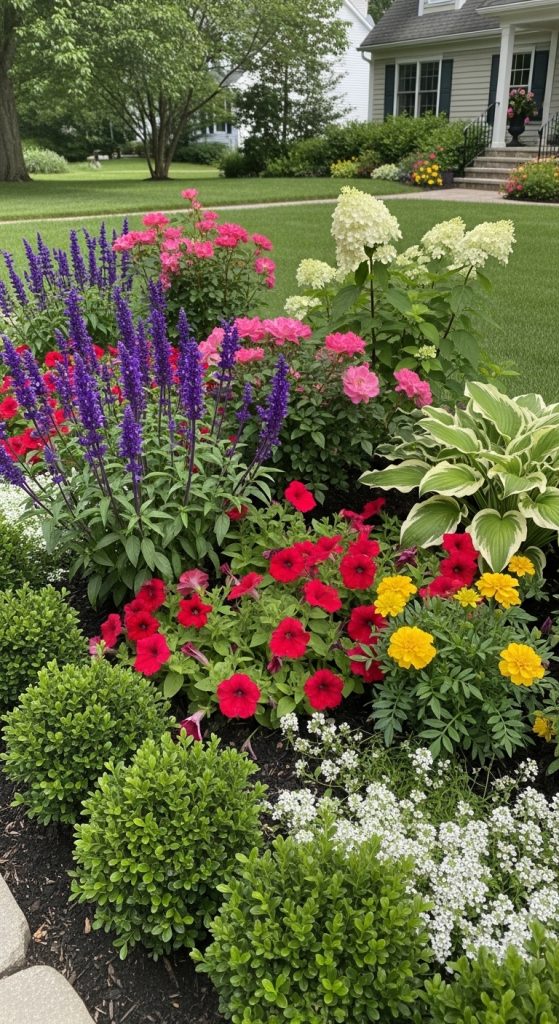
Proportion is essential. Beds should generally be deep enough to layer plants in three tiers: low ground cover at the edge, mid-height perennials in the center, and taller shrubs toward the back. A bed that is too narrow limits this layering and often looks flat.
Brick, stone, or metal edging helps maintain clarity. Avoid overly ornate borders that compete with the house. A common mistake is planting tall species too close to windows, blocking light and views from inside.
Layered Planting for Depth and Year-Round Interest
Layered planting brings dimension to a front yard without increasing square footage. By staggering heights and textures, the bed feels fuller and more intentional throughout the seasons.
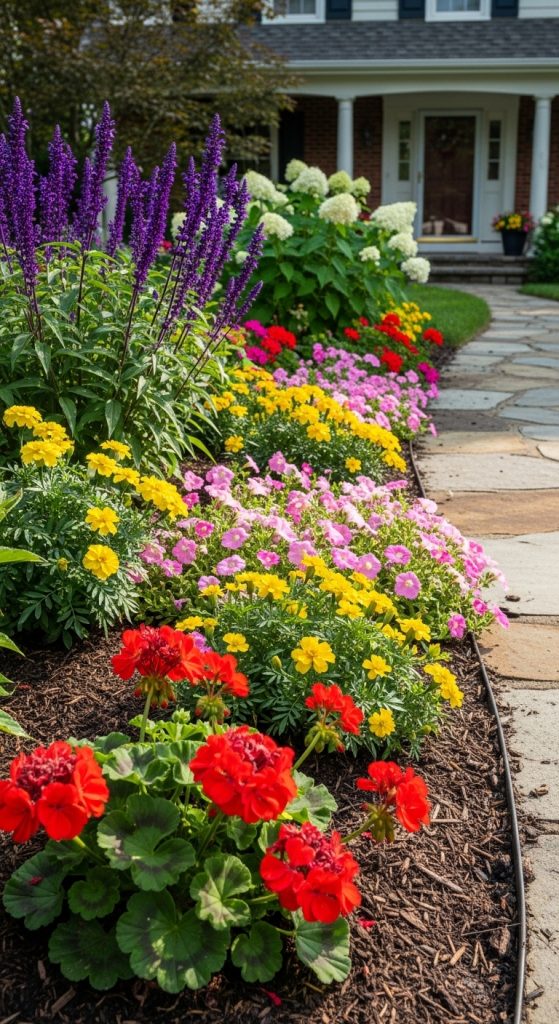
Homeowners often plant only for spring and early summer. This leads to dull, bare patches later in the year. Selecting plants with staggered bloom times keeps the bed visually active without constant replanting.
Foundation Plantings That Complement Architecture
Foundation beds should support the house rather than compete with it. The shape of the flower bed can echo rooflines, porch columns, or window placements, creating visual harmony.
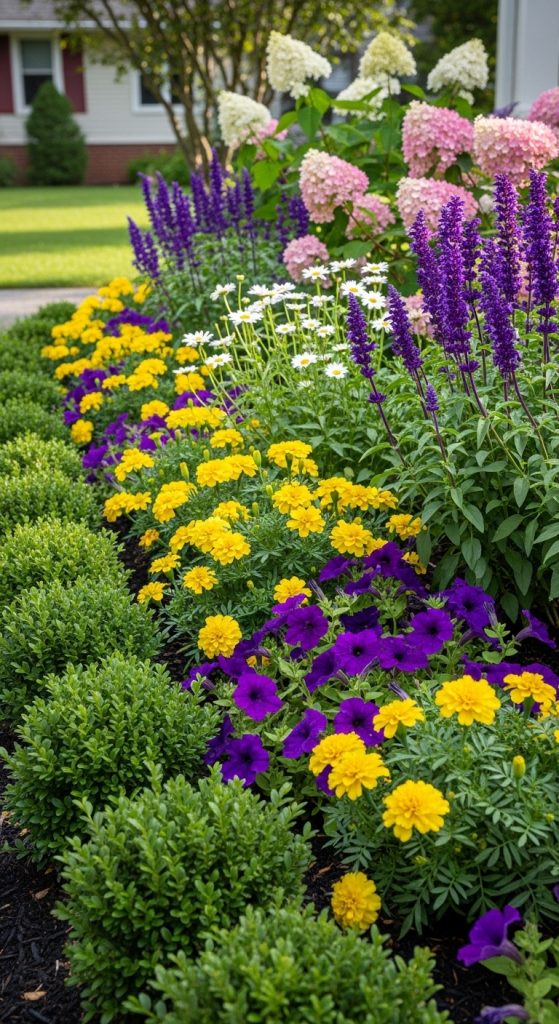
A frequent mistake is placing fast-growing shrubs too close to the foundation. This causes crowding within a few years. Always plan for mature size rather than nursery size.
Low-Maintenance Approaches for Busy Households
Not every homeowner has time for daily upkeep. A low-maintenance front yard flower bed idea relies on hardy perennials, mulch for weed control, and thoughtful spacing to reduce overcrowding.
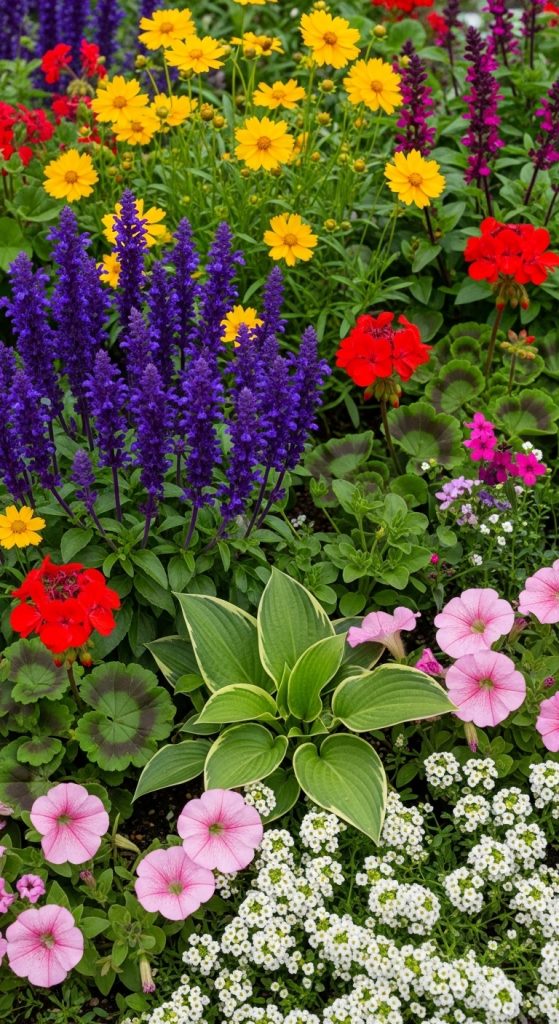
Avoid tightly packed annuals that demand frequent watering and deadheading. Instead, choose durable plants suited to your climate. Grouping similar water and sunlight needs together simplifies care routines.
Budget-Conscious Flower Bed Solutions
Creating a beautiful front yard does not require a large budget. Many effective flower beds begin with dividing existing perennials, starting plants from seed, or purchasing smaller nursery stock.
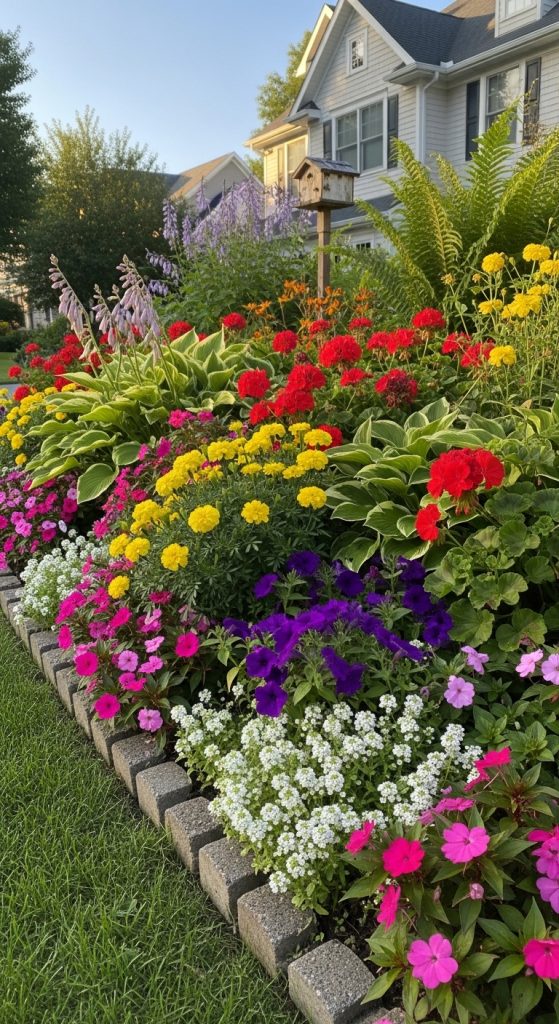
Below is a simple comparison of common flower bed edging materials:
| Material | Cost Level | Durability | Maintenance |
|---|---|---|---|
| Plastic edging | Low | Moderate | Can shift over time |
| Metal edging | Moderate | High | Minimal upkeep |
| Brick or stone | Moderate to High | Very High | Long-lasting, stable |
| Wood border | Low to Moderate | Moderate | May require replacement |
A common mistake is neglecting proper edging. Without clear boundaries, beds slowly blend into the lawn and lose definition.
Small Front Yard Layout Strategies
Compact yards require discipline. Overplanting in small spaces often makes the home appear crowded rather than charming.
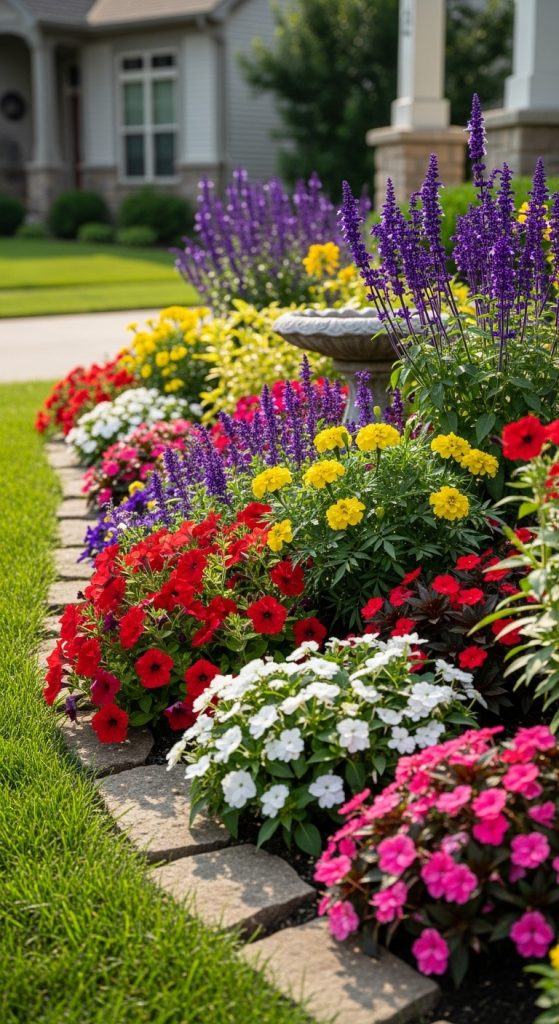
Scale is critical. Choose compact shrubs and dwarf varieties to avoid constant pruning. Maintaining open space around the bed allows the home’s façade to remain the focal point.
Natural and Informal Garden Styles
An informal flower bed can feel welcoming when structured correctly. Instead of rigid lines, gentle curves and mixed plant heights create a relaxed atmosphere.
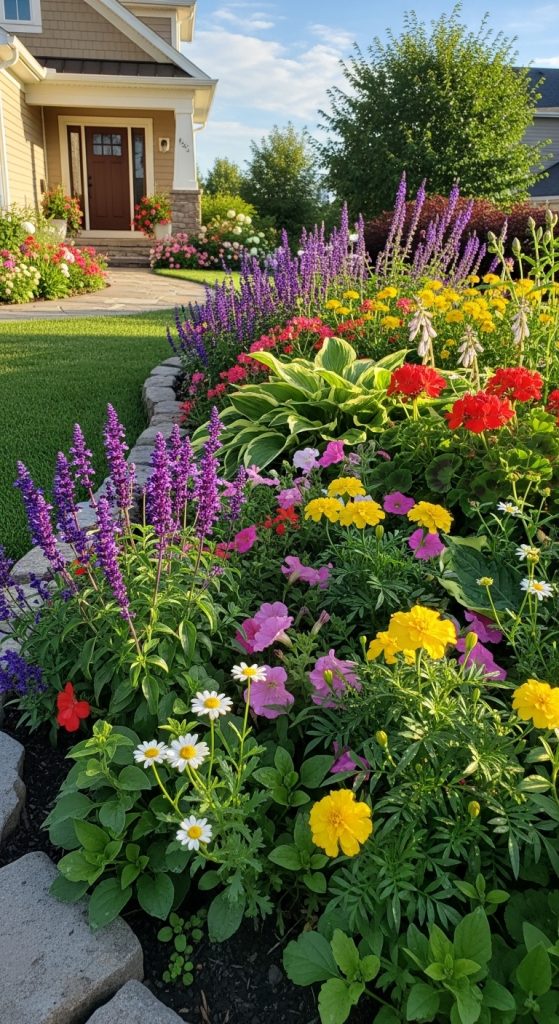
The mistake many homeowners make is abandoning structure altogether. Without a clear boundary or height progression, informal beds quickly look untidy rather than charming.
Symmetrical Designs for Formal Homes
Homes with balanced façades often benefit from symmetrical flower beds. Mirroring plant types and heights on both sides of an entry creates order and refinement.

Avoid overcomplicating symmetrical beds with too many plant varieties. Limiting the palette reinforces the calm, formal tone that symmetry is meant to achieve.
Pollinator-Friendly and Eco-Conscious Planting
A front yard flower bed can support local ecosystems while remaining attractive. Selecting native plants suited to regional conditions reduces water consumption and improves resilience.
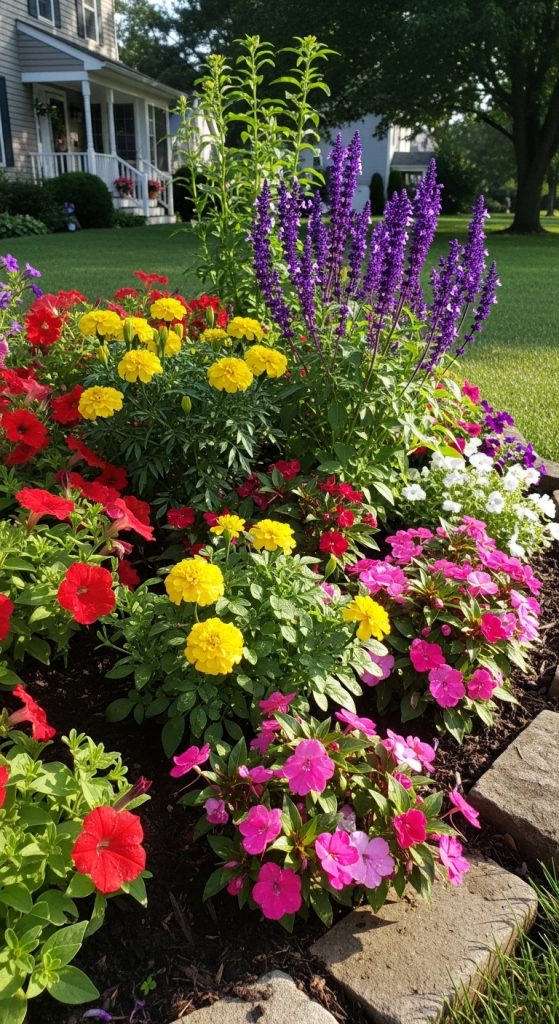
Do not sacrifice structure for ecological goals. Maintain clear pathways and defined edges so the garden feels intentional rather than neglected.
Lighting Integration for Evening Appeal
Outdoor lighting extends the enjoyment of a front yard flower bed into the evening. Subtle uplighting on shrubs or soft path lighting along borders enhances depth and safety.
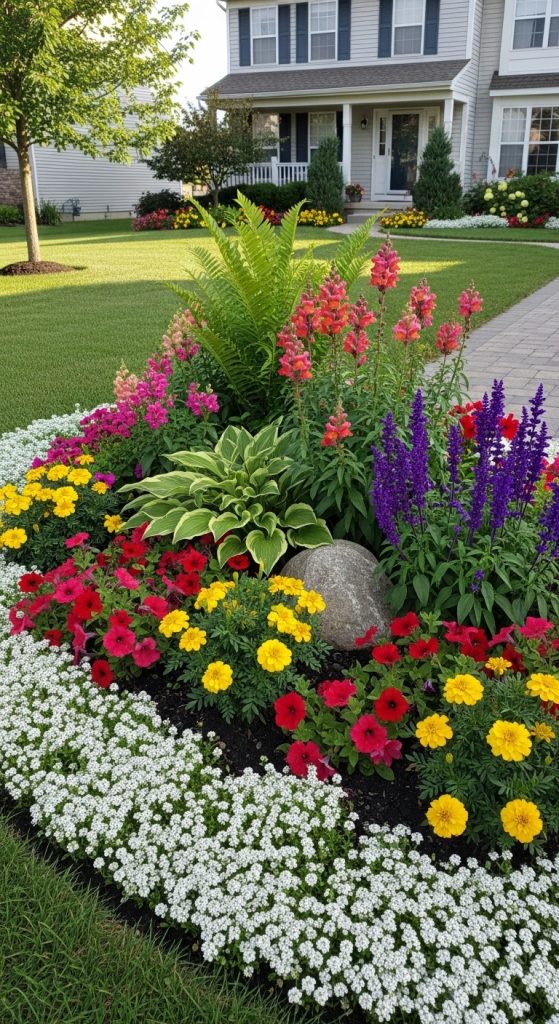
A common oversight is installing overly bright lighting. Harsh illumination flattens textures and disrupts the natural mood of plantings.
Personalized Flower Beds That Reflect Home Character
Every home has architectural cues worth honoring. A cottage-style house may welcome layered blooms and soft colors, while a modern façade may benefit from restrained palettes and bold foliage.
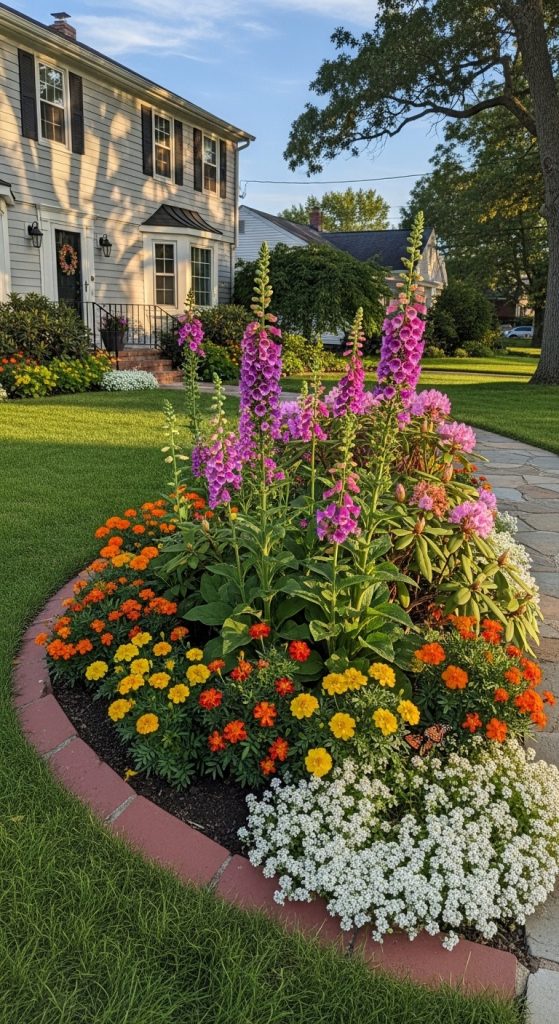
Personalization should never override practicality. Plants must suit climate and soil conditions. A beautiful concept fails quickly when maintenance demands exceed available time.
Below is a practical guide to plant selection priorities:
- Choose plants suited to your climate zone
- Consider mature size before planting
- Prioritize soil health over decorative accessories
- Maintain clear edging for long-term definition
- Balance evergreen structure with seasonal color
Front yard flower beds succeed when they blend thoughtful planning with realistic expectations. They frame a home, soften hard surfaces, and provide daily enjoyment without overwhelming the space.
When structure, scale, and material choices are handled with care, even modest yards can feel polished and welcoming. The most enduring landscapes are not those chasing novelty, but those grounded in proportion, durability, and respect for how people truly live.