
Surprising Features of the Garden of Eden
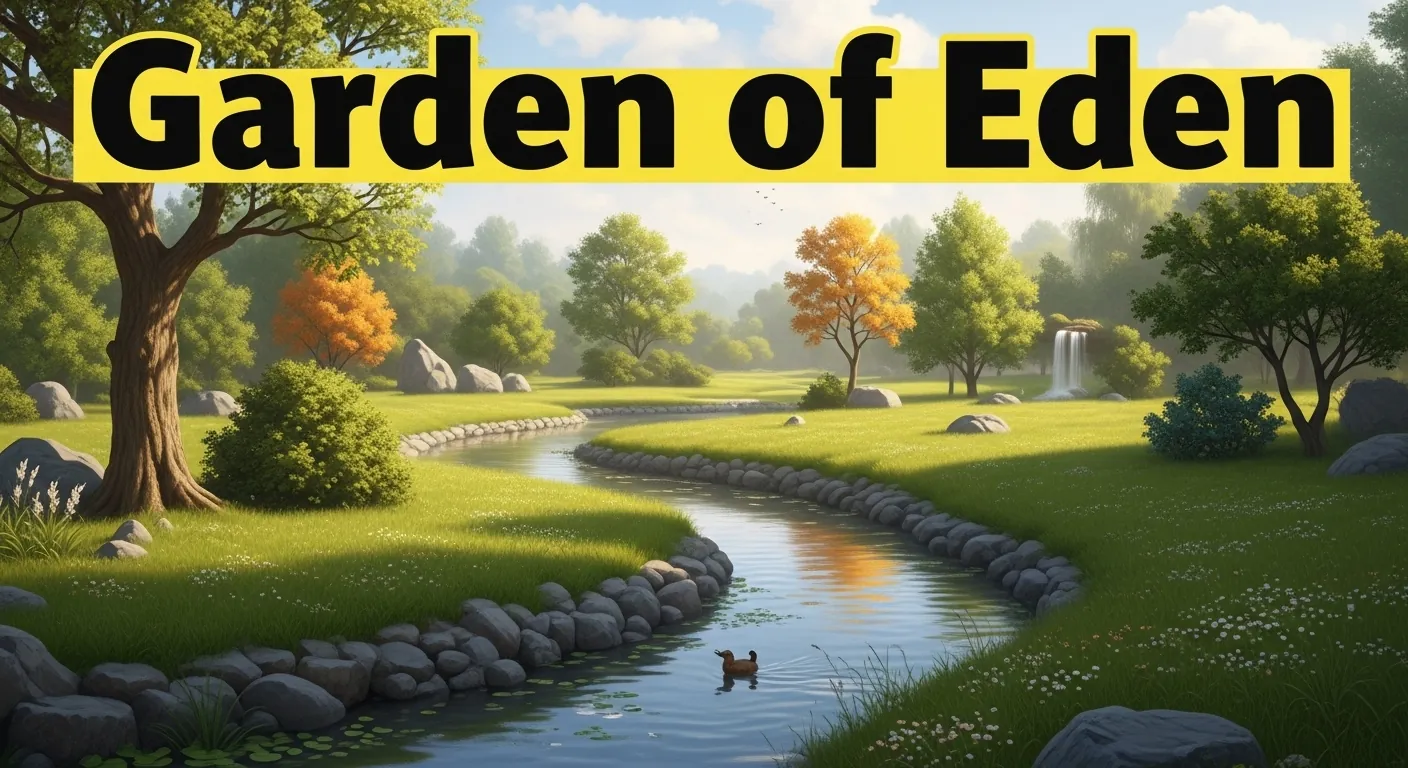
The Garden of Eden, a captivating symbol from religious texts, represents an idyllic paradise where humanity’s story begins. Often depicted as a lush, serene haven, it’s filled with vibrant flora and fauna, and serves as the backdrop for the intriguing tale of creation, temptation, and loss. This mythical garden invites exploration and reflection on themes of innocence and moral choice, making it a timeless topic in literature and art.
The Significance of the Forbidden Fruit
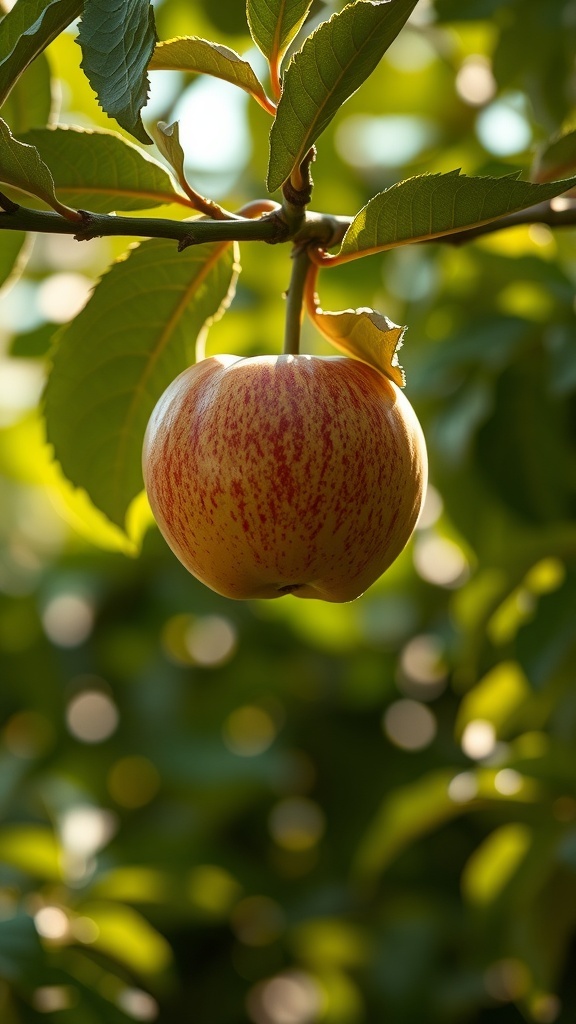
The image of a ripe apple hanging from a tree captures the essence of temptation and choice. This fruit, often associated with the Garden of Eden, symbolizes the allure of the forbidden. Its vibrant colors and glossy surface invite curiosity, making it hard to resist.
In the story of Adam and Eve, the forbidden fruit represents knowledge and the consequences of disobedience. Eating it led to a significant change in their lives and the world around them. This moment highlights the struggle between desire and morality.
The apple also serves as a reminder of human nature. We often find ourselves drawn to what we cannot have. This theme resonates through various cultures and stories, making the forbidden fruit a powerful symbol of temptation and the choices we face.
The Garden as a Symbol of Hope
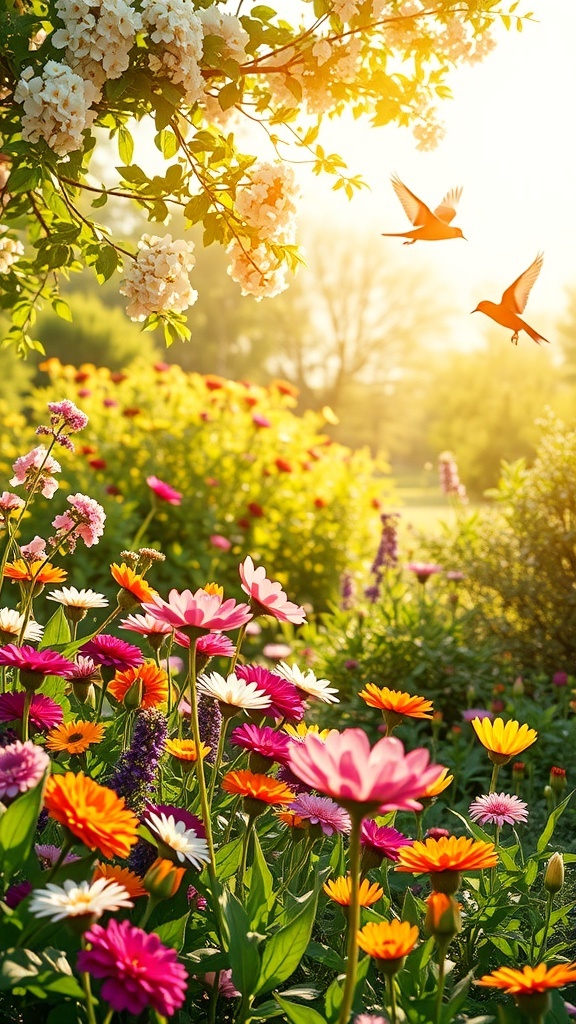
The image of a vibrant garden filled with colorful flowers and birds in flight captures the essence of hope beautifully. Each bloom represents new beginnings and the promise of brighter days ahead. The sight of flowers in full bloom can lift our spirits, reminding us that life is full of potential and beauty.
In this garden, the interplay of colors from pinks to yellows creates a lively atmosphere. It’s a reminder that even in tough times, nature continues to thrive. The birds soaring above add a sense of freedom and joy, symbolizing the possibility of change and growth.
Gardens have long been seen as places of refuge and renewal. They encourage us to pause, breathe, and appreciate the little things. Just like the garden, hope can blossom in unexpected places, urging us to keep moving forward. Whether it’s through nurturing our own gardens or simply enjoying the beauty around us, we can find inspiration in nature’s resilience.
The Concept of Innocence in Eden

The image of a serene figure standing in a lush garden captures the essence of innocence found in Eden. Surrounded by vibrant flowers and gentle sunlight, it reflects a world untouched by the complexities of life. This scene invites us to think about the purity and simplicity that the Garden of Eden represents.
In this paradise, the figure embodies a state of natural innocence. There are no worries or fears, just a sense of peace and harmony with nature. The flowers and greenery symbolize growth and vitality, reinforcing the idea that innocence thrives in a nurturing environment.
The warm light filtering through the trees adds a magical touch, suggesting a divine presence. It reminds us that innocence is often linked to a deeper understanding of ourselves and our surroundings. In Eden, everything is interconnected, and the figure stands as a part of this beautiful tapestry.
Ultimately, the concept of innocence in Eden serves as a reminder of what it means to live freely and authentically. It encourages us to seek moments of simplicity and joy in our lives, much like the figure in this enchanting garden.
The Role of Adam and Eve in Eden’s Story
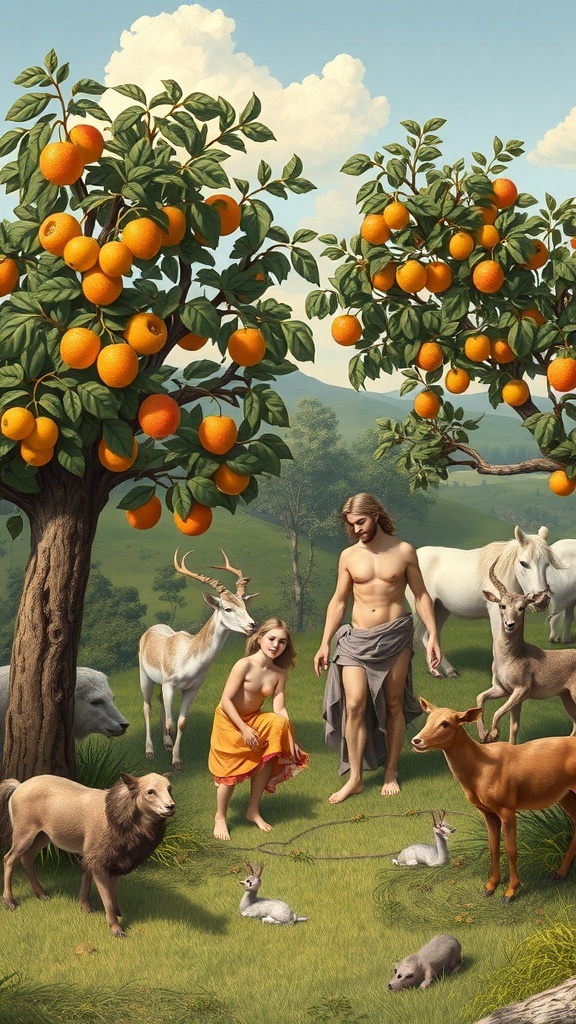
In the Garden of Eden, Adam and Eve play central roles in a tale that resonates through time. This image captures their essence, surrounded by lush trees and friendly animals. The vibrant oranges hanging from the branches symbolize abundance and the beauty of creation.
Adam stands confidently, embodying strength and curiosity. Eve, with her playful demeanor, reflects innocence and wonder. Together, they explore their paradise, interacting with the animals that seem to live in harmony with them. This scene illustrates a time of peace, where nature and humanity coexist without conflict.
The presence of various animals, from gentle deer to a curious lion, highlights the interconnectedness of all living beings in Eden. This harmony is a significant theme in their story, emphasizing the balance that existed before the fall.
As we reflect on Adam and Eve’s journey, we see more than just their choices; we see the potential for unity and understanding in our own lives. Their experience in Eden serves as a reminder of the beauty and simplicity that can exist when we nurture our relationships with nature and each other.
Symbolism of Paradise in the Garden of Eden
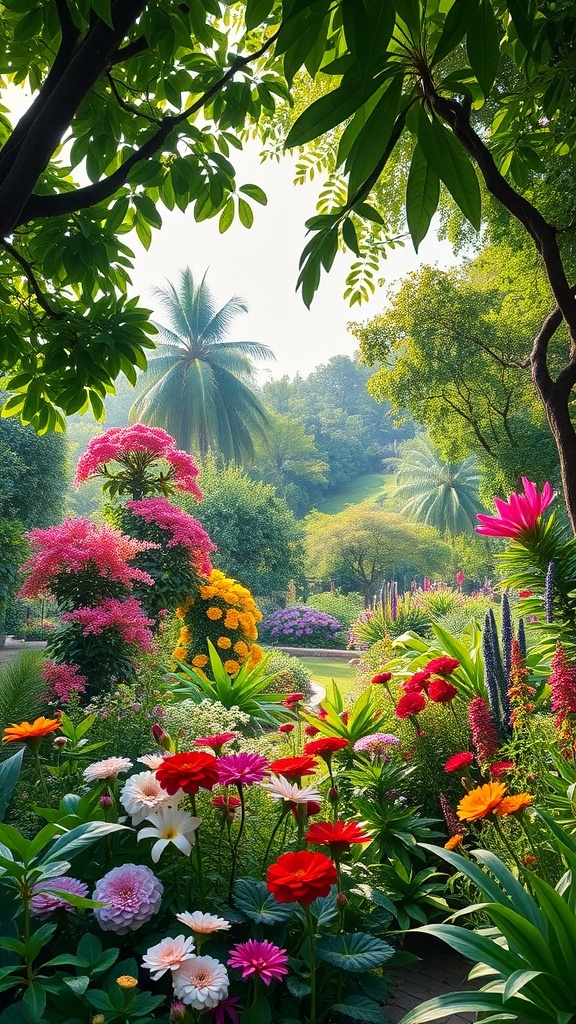
The Garden of Eden represents the ultimate paradise, a place of beauty and harmony. The vibrant flowers and lush greenery in the image reflect this idea. Each bloom symbolizes life, growth, and the joy of nature.
In many cultures, gardens are seen as sacred spaces. They offer a connection to the divine and remind us of the simplicity of existence. The colors in the garden evoke feelings of happiness and peace, enhancing the idea of paradise.
The palm trees and varied flora suggest abundance and diversity. This richness can be interpreted as a metaphor for the blessings of life. Just like the Garden of Eden, it invites us to appreciate the beauty around us and to find joy in the little things.
Ultimately, the image captures the essence of paradise. It encourages us to reflect on our own lives and the beauty we can cultivate in our surroundings. The Garden of Eden is not just a story; it’s a reminder of the paradise we can create in our own lives.
The Serpent’s Temptation
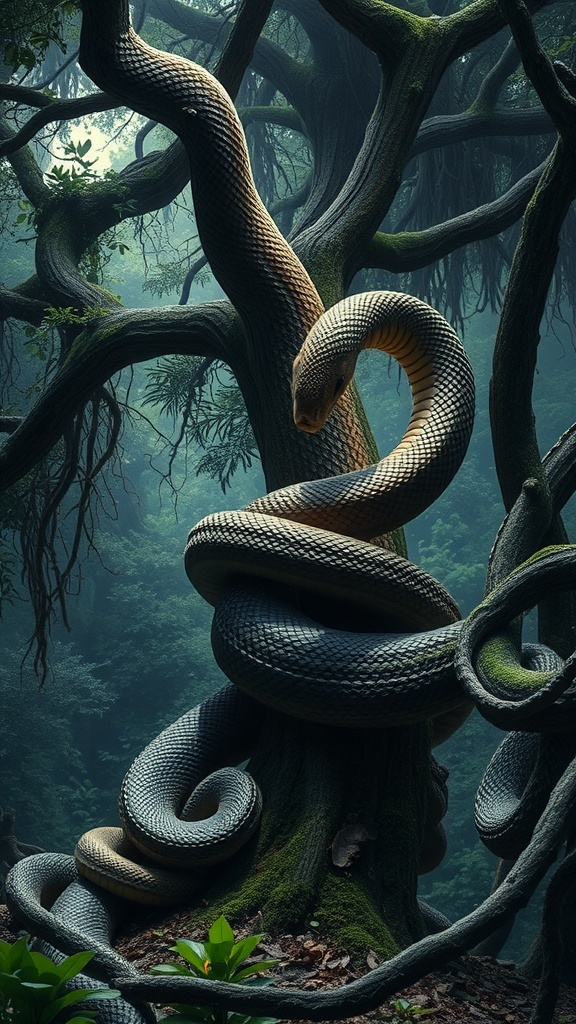
The image captures a striking serpent entwined around a gnarled tree in a lush, green forest. The serpent’s scales glisten in the soft light filtering through the leaves, creating a sense of mystery and allure. This scene evokes the timeless tale of temptation, where the serpent plays a pivotal role.
In the story of the Garden of Eden, the serpent symbolizes temptation and the choice between innocence and knowledge. It whispers promises that lead to a pivotal moment in humanity’s history. The vibrant surroundings contrast with the dark undertones of the serpent’s intentions, making the scene both enchanting and foreboding.
As we reflect on this image, it reminds us of the choices we face in life. The serpent’s presence is a reminder that temptation can come in many forms, often wrapped in beauty. It challenges us to think about our own decisions and the paths we choose to follow.
Cultural Interpretations of the Garden
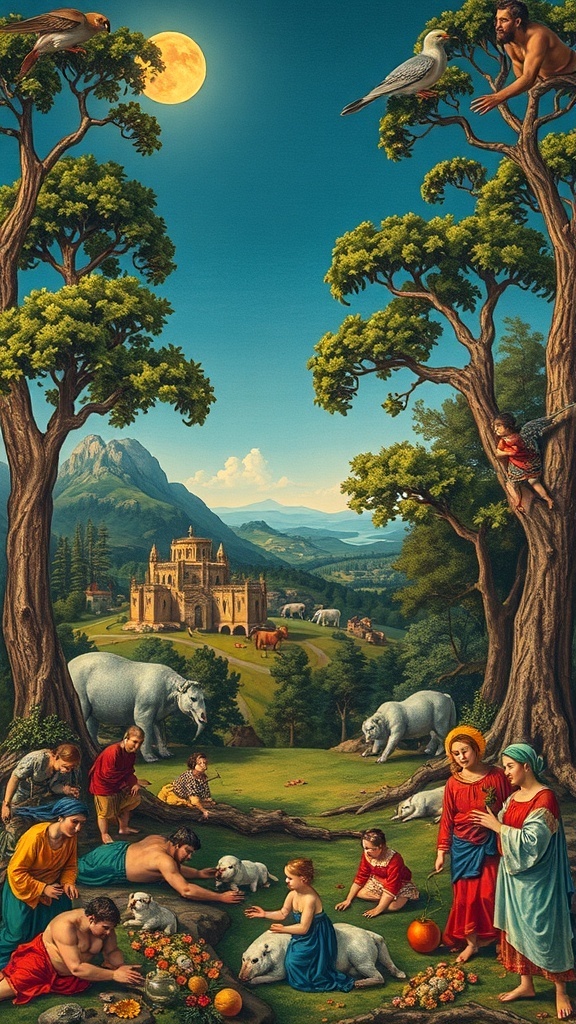
The Garden of Eden has inspired countless interpretations across cultures. This image beautifully captures a serene scene filled with life and harmony. In the foreground, people engage with animals and nature, showcasing a sense of community and peace.
The lush greenery and vibrant colors symbolize abundance and the beauty of creation. The presence of animals, like the bears and birds, highlights the connection between humanity and nature. This reflects many cultural beliefs that emphasize living in harmony with the environment.
In various traditions, the Garden represents a paradise lost, a place of innocence before the fall. This idea resonates in art and literature, where the Garden often serves as a backdrop for themes of temptation and redemption. The figures in the image seem to embody simplicity and joy, reminding us of a time when life was uncomplicated.
Overall, this depiction of the Garden of Eden invites viewers to reflect on their relationship with nature and the ideals of peace and community. It serves as a reminder of the beauty that can exist when we live in balance with the world around us.
Eden’s Flora and Fauna
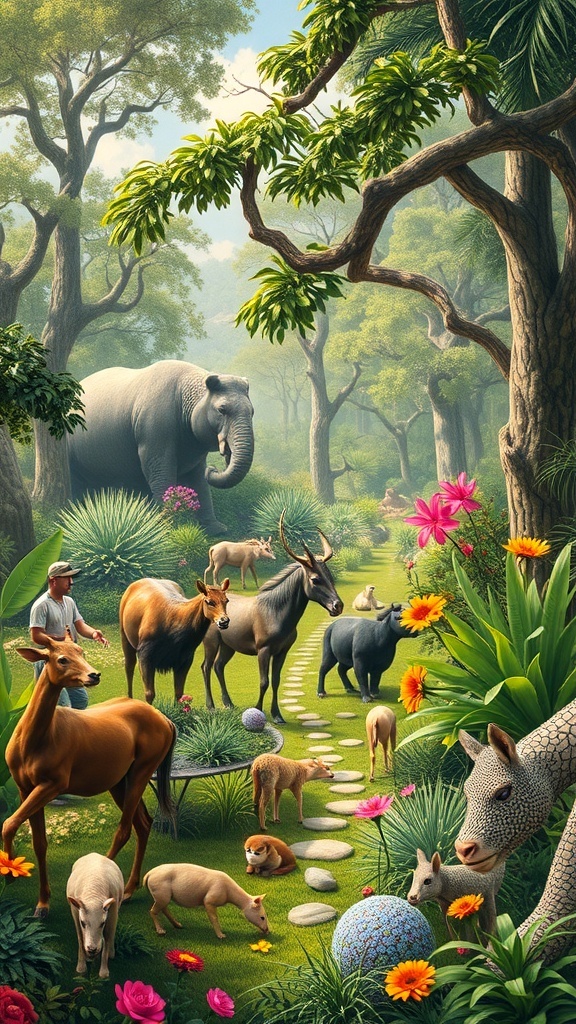
The Garden of Eden is often depicted as a paradise filled with vibrant life. In this lush setting, we see a variety of animals coexisting peacefully. An elephant stands majestically in the background, symbolizing strength and wisdom. Nearby, a mix of deer, goats, and playful smaller animals create a sense of harmony.
The flora is just as captivating. Bright flowers bloom in a riot of colors, adding beauty to the scene. The greenery is rich and diverse, showcasing the abundance of nature. This setting invites us to appreciate the balance between flora and fauna, reminding us of the importance of preserving such environments.
A person tending to the animals suggests a nurturing relationship between humans and nature. This connection is vital for maintaining the health of our ecosystems. The image captures a moment of tranquility, where every creature and plant plays a role in the garden’s story.
Eden in Literature and Art
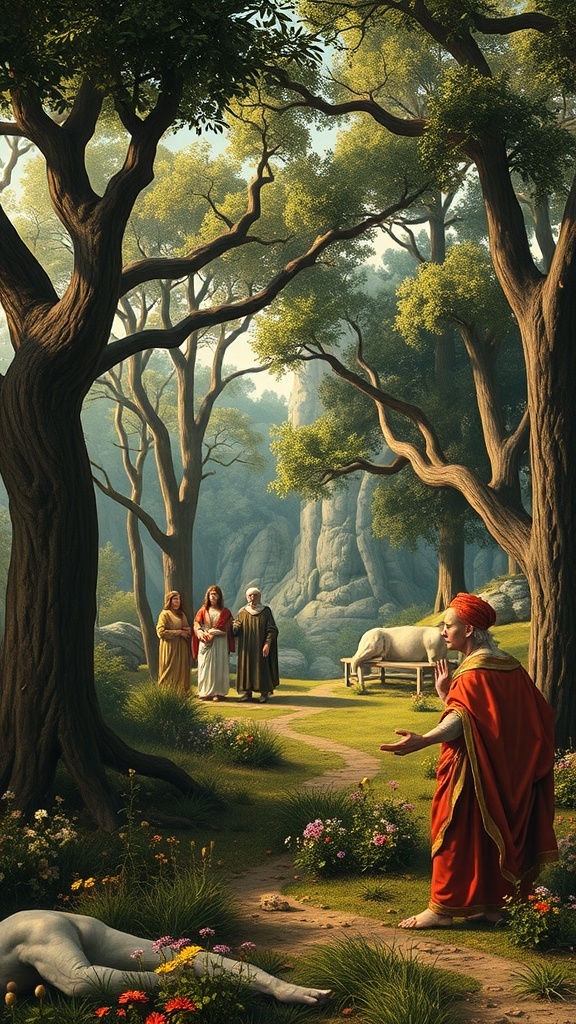
The Garden of Eden has inspired countless works in literature and art. This image captures a serene moment in a lush, vibrant setting, reminiscent of the paradise described in ancient texts. The trees are tall and majestic, creating a sense of peace and tranquility.
In the foreground, a figure gestures animatedly, perhaps sharing a story or a lesson. The presence of others in the background suggests a gathering, highlighting the importance of community in this idyllic space. The colors are rich and inviting, drawing the viewer into this enchanting scene.
Artists often depict Eden as a place of beauty and harmony, reflecting humanity’s longing for a simpler, more perfect existence. This image embodies that spirit, inviting us to reflect on themes of innocence, knowledge, and the human experience.
Theological Implications of Eden’s Existence
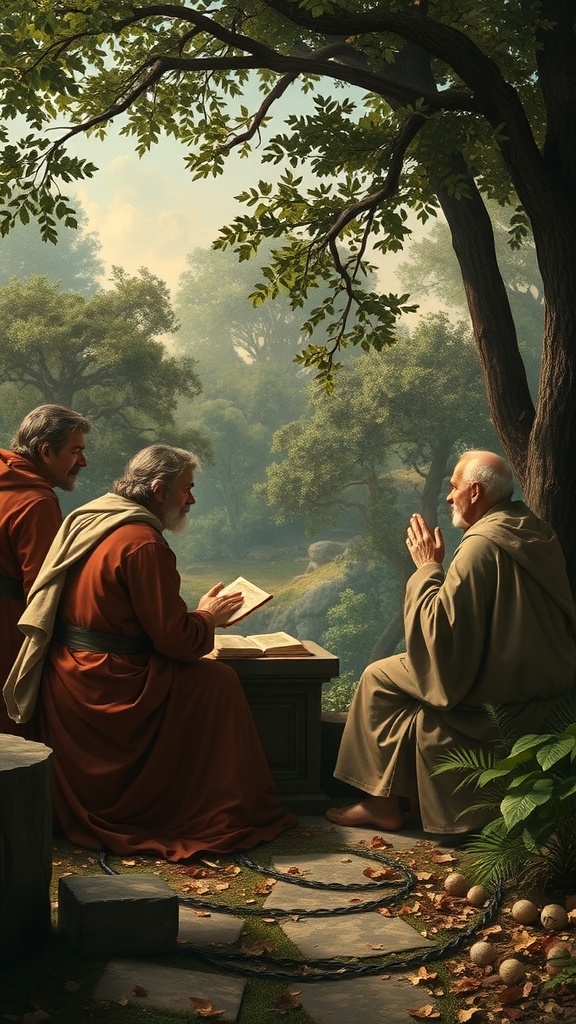
The Garden of Eden is often seen as a symbol of paradise and innocence. In this image, three figures are deep in conversation, likely discussing the significance of Eden. The lush greenery surrounding them adds to the serene atmosphere, suggesting a connection to nature and spirituality.
This scene invites us to think about what Eden represents in various religious contexts. Many believe it embodies the ideal relationship between humanity and God. The discussions among the figures hint at the importance of understanding our origins and the moral lessons that come from the story of Eden.
Moreover, the image encourages reflection on the consequences of choices made in Eden. The narrative often serves as a reminder of the balance between free will and divine guidance. It raises questions about human nature and the quest for knowledge, which can lead to both enlightenment and challenges.
In essence, the Garden of Eden is not just a physical place; it symbolizes deeper theological themes. The conversations depicted in this image remind us of the ongoing exploration of faith, morality, and the human experience in relation to the divine.