Small Bathroom Interior Designs That Maximize Style and Space
Small Bathroom Interior Designs
Designing a small bathroom is an exercise in restraint, proportion, and intention. When space is limited, every surface, fixture, and finish must work harder. Yet small bathrooms often hold the greatest design potential. With thoughtful planning, they can feel refined, functional, and surprisingly spacious.
A well-designed compact bathroom is never about squeezing everything in. It is about editing carefully, choosing elements that visually expand the room, and creating a layout that flows naturally. When proportion, light, and storage are handled wisely, even the smallest bathroom can feel elevated and comfortable.





Embracing Light and Airiness
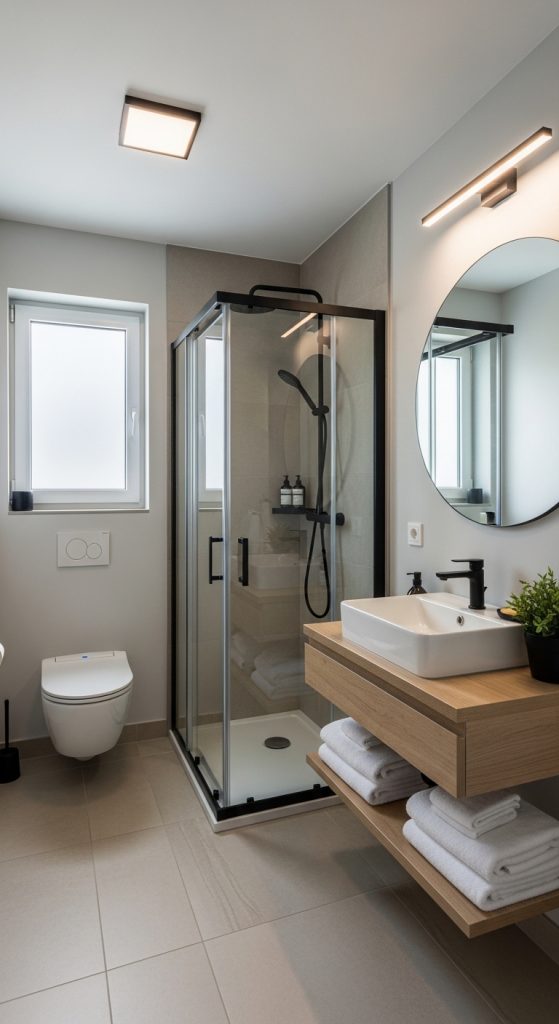
In compact interiors, light is your most powerful design tool. Natural light, when available, should be maximized through sheer window treatments or frosted glass that maintains privacy without blocking brightness. If natural light is limited, layered artificial lighting becomes essential.
Wall sconces placed at eye level reduce shadows and create a more flattering glow. A softly illuminated mirror can add depth and dimension. Choosing lighter wall colors — soft whites, warm creams, pale grays, or muted pastels — helps reflect light and create the illusion of openness.
Mirrors also play a transformative role. A large mirror spanning above the vanity visually doubles the room’s depth. Frameless designs feel sleek and contemporary, while thin metal frames add subtle definition without heaviness.
Smart Layout Planning
The layout determines how spacious a bathroom feels, regardless of square footage. In small spaces, clear pathways are crucial. A floating vanity can create valuable visual breathing room by exposing more floor area. Wall-mounted toilets serve a similar purpose, offering a streamlined profile.
Corner sinks or compact vanities help utilize awkward areas efficiently. Sliding or pocket doors are often preferable to traditional swinging doors, as they eliminate clearance conflicts and free up usable space.
Glass shower enclosures are particularly effective. Clear glass maintains uninterrupted sight lines, making the room appear larger compared to opaque curtains or frosted panels.
Floating Fixtures for Visual Space
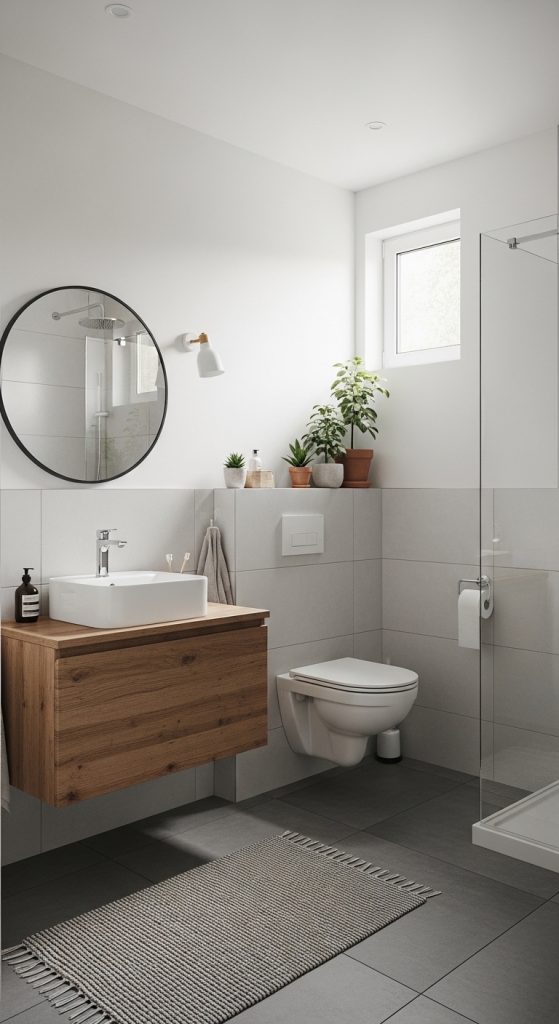
Wall-mounted elements consistently make small bathrooms feel less crowded. Floating vanities, shelves, and toilets reveal more flooring, which naturally expands the visual footprint of the room.
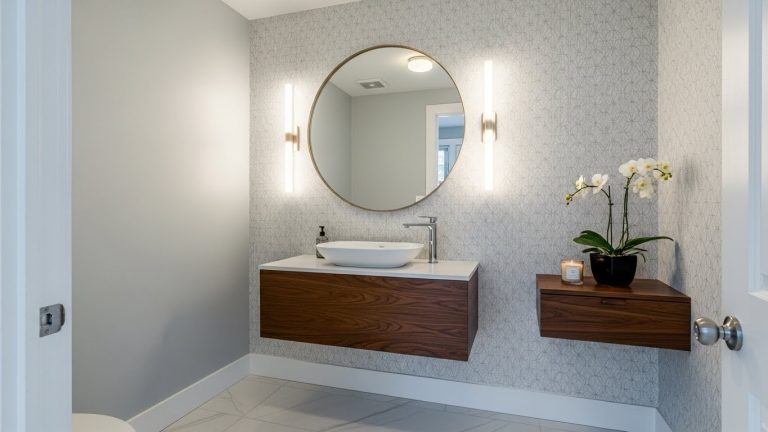
A floating vanity in warm wood tones introduces warmth while maintaining a modern silhouette. Pairing it with an integrated sink keeps the design seamless and clutter-free. Under-cabinet lighting adds depth and elevates the overall ambiance.
This approach not only enhances aesthetics but also improves practicality, making cleaning easier and encouraging better organization.
Vertical Storage Solutions
In compact bathrooms, horizontal space is limited, but vertical space often goes underutilized. Tall cabinets, open shelving above the toilet, and recessed niches inside showers maximize storage without overwhelming the room.
Recessed medicine cabinets maintain a clean profile while offering hidden storage. Built-in wall niches in the shower eliminate the need for bulky corner racks. Ladder-style towel racks add both storage and visual interest without feeling heavy.
The key is maintaining balance. Too many visible items can make a small bathroom feel cluttered. Closed cabinetry or neatly organized baskets help preserve a calm aesthetic.
Cohesive Material Choices
Consistency in materials helps small bathrooms feel unified rather than fragmented. Using the same tile on floors and walls can blur boundaries and visually expand the space. Large-format tiles reduce grout lines, creating a smoother, less busy appearance.
Glossy surfaces reflect light and contribute to brightness, while matte finishes offer a more contemporary and grounded feel. Natural materials such as wood accents or stone countertops introduce warmth and texture, preventing the room from feeling sterile.
When working with patterns, subtlety is often more effective than bold contrast. Soft veining in marble or delicate geometric tiles can add character without overwhelming the space.
Shower Design for Compact Spaces
The shower often occupies a significant portion of a small bathroom, so its design should feel integrated rather than intrusive. Walk-in showers with frameless glass panels maintain openness. Curbless entries enhance continuity and eliminate visual breaks at floor level.
Light-colored tiles inside the shower keep the space feeling cohesive. A built-in bench or recessed niche adds functionality without sacrificing square footage.
For extremely small layouts, a combined bathtub and shower may be necessary. In such cases, a clear glass panel instead of a full curtain preserves sight lines and reduces visual bulk.
Color Strategies for Depth
Color influences perception dramatically. While white remains a popular choice for small bathrooms, it is not the only option. Soft grays, muted blues, sage greens, and warm neutrals can add depth without shrinking the space.
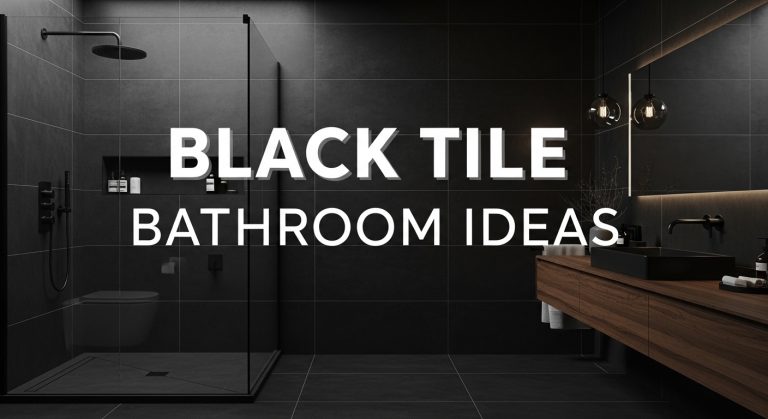
Darker tones can also work when used thoughtfully. Painting the vanity in a rich hue while keeping walls light creates contrast and visual interest. Alternatively, applying a deeper shade to a single accent wall can introduce dimension.
Monochromatic schemes are particularly effective. When walls, cabinetry, and tiles share similar undertones, the room feels cohesive and more expansive.
Compact Yet Impactful Vanities
The vanity should be proportional to the room. Slim-depth designs offer necessary storage without intruding into walking space. Drawers are often more efficient than doors, allowing easier access to essentials.
Integrated sinks minimize countertop seams and create a streamlined look. Wall-mounted faucets free up counter space and add a modern touch. Even in small bathrooms, thoughtful detailing such as elegant hardware or a textured backsplash can elevate the design.
When space is extremely limited, pedestal sinks or minimalist consoles maintain openness while providing essential function.
Thoughtful Accessories and Styling
In small bathrooms, restraint in styling is essential. A few well-chosen accessories make a stronger statement than numerous decorative items. Coordinated towels, a simple plant, or a framed artwork can add personality without clutter.
Storage baskets, if visible, should match in color or material to maintain harmony. Countertops should remain as clear as possible, preserving the sense of space.
Even small design details, such as matching hardware finishes across faucets, towel bars, and cabinet pulls, contribute to a polished and intentional appearance.
Creating a Sense of Luxury
A small bathroom can feel luxurious when attention is given to texture, lighting, and finish quality. Heated floors, rainfall showerheads, or elegant sconces introduce comfort and sophistication.
High-quality materials, even in limited quantities, make a difference. A marble countertop, a custom mirror, or a beautifully crafted vanity can elevate the entire space.
Luxury in a small bathroom is less about size and more about refinement. When every element is chosen deliberately, the space feels curated rather than constrained.
Designing for Everyday Comfort
Ultimately, successful small bathroom interior design balances aesthetics with practicality. Storage must support daily routines. Lighting must serve both task and ambiance. Surfaces must withstand humidity while remaining visually pleasing.
By focusing on thoughtful layouts, cohesive materials, and smart storage solutions, small bathrooms can feel both efficient and inviting. The limitations of space often inspire more creative, refined solutions — resulting in interiors that feel intimate, elegant, and surprisingly spacious.
When design decisions are guided by clarity and intention, even the most compact bathroom becomes a beautifully crafted retreat.