Plant Shelf Wall Ideas to Create Your Own Indoor Jungle
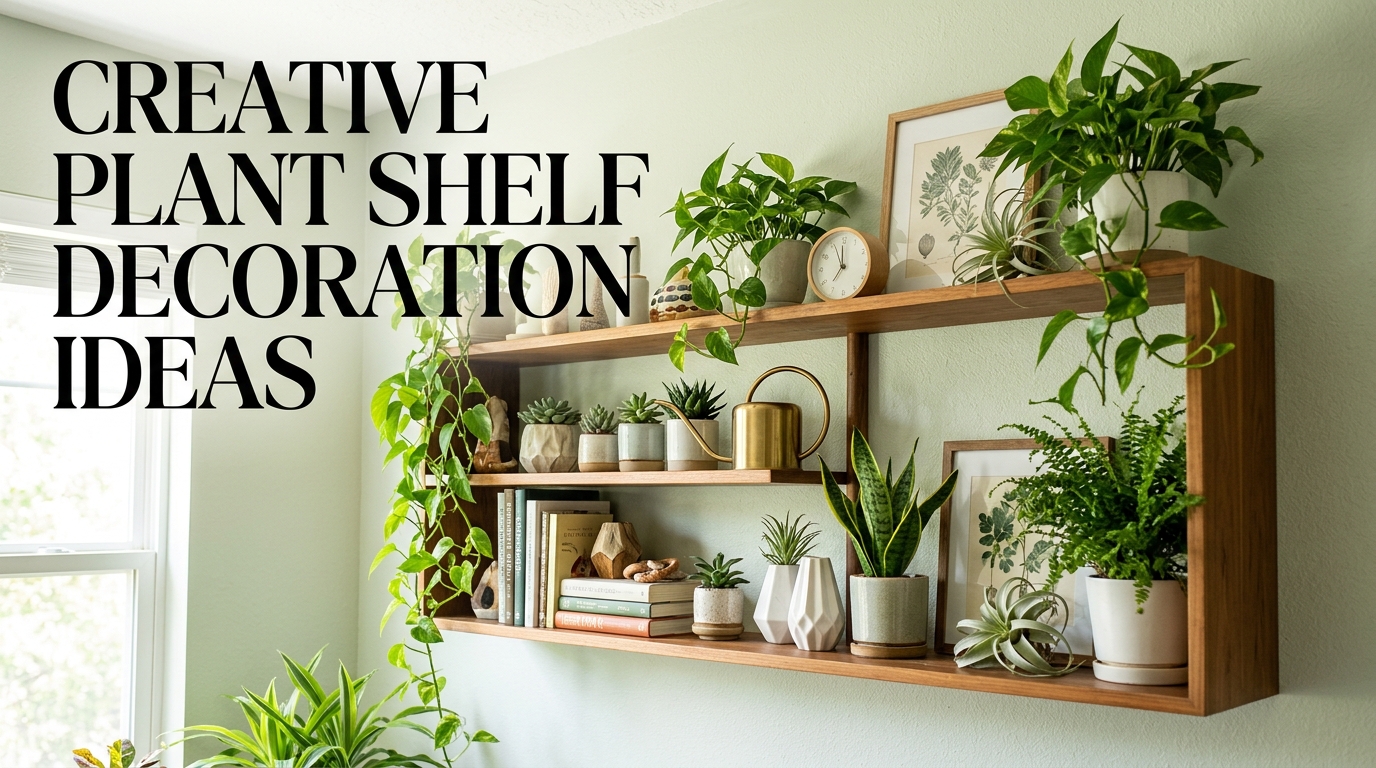
Over the past couple of years, I’ve gradually expanded my houseplant collection, and creating a dedicated plant shelf wall has become one of my absolute favorite projects at home. There’s a wonderful sense of peace that comes from having a wall brimming with lush greenery—it truly breathes life into your living space and establishes a stunning, organic focal point.
If you’re considering designing your very own plant display, I’ve put together some suggestions and advice to help you craft something that’s both visually appealing and highly practical.

Why a Plant Shelf Wall?
Having a specific wall for your plants serves several great purposes. It allows you to gather all your plants in one spot, making it easier to manage their light exposure, and simplifies watering and general upkeep since everything is conveniently located together. Plus, it creates an impressive visual statement that a few scattered plants simply can’t match.
What’s more, homes often have unused vertical areas, so a plant wall is a clever way to make the most of the space you have.

Choosing Your Wall Location
Selecting the ideal spot is really important for both the well-being of your plants and the overall look.
Natural light: If possible, pick a wall that’s close to windows. Most houseplants need plenty of light, and a wall facing south or west usually gets the best sun for them.
Consider the view: Put your plant wall somewhere you’ll see it and enjoy it every day. A plain living room wall, a dining room background, or a bedroom accent wall can all look fantastic.
Humidity considerations: Bathrooms with windows are perfect for plants that love moisture. Kitchens can also work, but just be mindful of cooking grease.
Practical access: Make sure you can easily get to your plants for watering and general care. A wall behind a sofa might look nice, but it can make access tricky.
Structural support: Double-check that your wall can safely hold the weight of the shelves, plants, pots, and damp soil. Always use the correct anchors and mounting hardware.

Shelving Options
The kind of shelving you pick will influence both how your plant wall looks and how well it functions.
Floating shelves: These offer a sleek, contemporary appearance and give the impression that your plants are suspended against the wall. Just be sure to use strong brackets that can support the weight.
Industrial pipe shelves: Combining metal pipes with wooden planks creates a cool, urban industrial vibe. They’re incredibly sturdy and can hold a lot of weight.
Ladder shelves: These leaning, ladder-style units are easy to move around and don’t need to be mounted to the wall, which is great if you’re renting.
Mounted brackets with wood: Using individual brackets at different heights with wooden planks allows you to create a personalized, staggered arrangement.
Picture ledge shelves: These shallow shelves, typically used for photo frames, are ideal for holding smaller plant pots.
Glass shelves: They provide a light and airy feel, letting light pass through to plants on lower shelves, but they do tend to show dust more readily.
Vintage or reclaimed wood: This option adds character and warmth. You can find old shelves at thrift stores or use reclaimed barn wood for a charming, rustic touch.

Arrangement Patterns
The way you arrange your shelves can create distinct visual effects.
Symmetrical rows: Shelves spaced evenly in horizontal lines give a neat, organized look, which is perfect for modern interiors.
Staggered heights: Placing shelves at varying levels adds visual interest and accommodates plants of different sizes.
Corner focus: Extending shelves around a corner creates a wraparound plant display, making good use of often-overlooked corner space.
Floor to ceiling: Maximize your wall area by installing shelves from near the floor up to the highest point you can comfortably reach.
Asymmetrical clusters: Grouping three to five shelves of different lengths at various heights can achieve an artistic, curated appearance.
Single long shelf with risers: Use one extended shelf and add smaller stands or risers to create multiple levels for your plants.
The arrangement you select should complement the existing style of your room.

Plant Selection
Choosing the right plants for your wall is just as crucial as the shelving itself.
Variety in size: Combine trailing plants that will cascade downwards, upright plants that add height, and bushy plants to fill out the space.
Trailing plants: Pothos, string of pearls, string of hearts, philodendrons, and ivy are all excellent choices for gracefully draping over shelf edges.
Upright plants: Snake plants, ZZ plants, dracaena, and palms will bring vertical interest to your display.
Statement plants: Consider a Monstera, a fiddle leaf fig (if you have enough room), or a bird of paradise to serve as eye-catching focal points.
Texture variety: Mix plants with smooth leaves alongside those with textured foliage, and combine large leaves with more delicate ones.
Similar care needs: Group plants that have similar light and watering requirements on the same shelf to make care much simpler.
Consider growth: Remember that your plants will grow over time, so leave them enough room to expand.

Pot and Container Ideas
Your choice of containers can either create a unified look or add a charming, eclectic touch.
Matching pots: Using all white ceramic, all terracotta, or all black pots will give your display a cohesive, gallery-like feel.
Mix and match: Feel free to use a variety of pots, but stick to a consistent color palette, such as all earth tones, all pastels, or all neutrals.
Varying sizes: Different pot sizes help create visual rhythm and can accommodate the diverse needs of various plants.
Texture variety: Combine different materials like ceramic, terracotta, concrete, and even woven baskets for added interest.
Drainage consideration: Always use pots that have drainage holes and saucers, or be extremely careful with your watering if you’re using pots without them.
Hanging elements: Incorporate small hanging planters at different heights between your shelves to add another dimension.
Color coordination: Select pot colors that either blend seamlessly with your wall color for a monochromatic effect or provide a pleasing contrast.

Styling Your Plant Wall
Thoughtful styling goes beyond just placing plants; it’s what makes your wall truly special.
Layer front to back: Position smaller plants towards the front of your shelves and larger ones towards the back to create a sense of depth.
Create height variation: Utilize plant stands or risers on your shelves to introduce different levels, even on a single shelf.
Include non-plant items: Add small sculptures, crystals, candles, or cherished objects among your plants to personalize the space.
Books and plants: Integrate a few attractive books with your plants for a sophisticated, well-curated aesthetic.
Add lighting: String lights, small LED spotlights, or picture lights can beautifully illuminate your wall in the evenings.
Consider negative space: Avoid cramming every shelf. A bit of empty space allows each plant to stand out and gives the eye room to breathe.
Play with color: Choose pot colors that complement your plants’ foliage—think dusty pink with green, terracotta with trailing plants, or classic white with everything.

Lighting Solutions
If your wall doesn’t receive enough natural light, you can supplement it with grow lights.
LED grow light strips: These can be installed underneath shelves to provide light for the plants below them.
Clip-on grow lights: Individual lights that easily clip onto shelves, directing light precisely where it’s needed.
Grow light bulbs: Simply use these in regular lamps positioned close to your plant wall.
Aesthetic grow lights: Look for grow lights that are designed to be visually appealing, not just functional.
Timer system: Connect your grow lights to timers so your plants receive consistent light exposure without you having to remember to turn them on and off.
Proper lighting is essential for plants to truly flourish, not just survive.

Watering Strategies
To water your plants effectively without causing damage to your wall or floors, you’ll need a good plan.
Remove plants to water: Carry your plants to a sink or bathtub to water them thoroughly, allow them to drain completely, and then return them to their shelves.
Saucers under pots: These will catch any excess water, but remember to empty them so that plant roots aren’t left sitting in standing water.
Self-watering pots: These can reduce how often you need to water and help prevent any overflow.
Watering schedule: Keep a record of each plant’s watering requirements and establish a regular routine.
Moisture meter: Use one to check the soil’s moisture level before watering, which helps prevent overwatering.
Misting bottle: Keep one handy for plants that appreciate a boost of humidity.

Maintenance Considerations
A plant wall needs consistent care to maintain its beauty.
Dusting leaves: Periodically wipe the leaves gently with a damp cloth. Dust can hinder light absorption.
Pruning: Regularly trim away dead leaves and overgrown sections to keep your plants healthy and looking neat.
Rotating plants: Turn your plants occasionally so that all sides receive light, ensuring even growth.
Pest checks: Inspect your plants regularly for any signs of pests. Catching problems early makes them much easier to manage.
Fertilizing: Feed your plants during their growing season, following their specific nutritional needs.
Accessibility: Design your shelving in a way that allows you to easily reach all your plants without having to move furniture around.

Budget-Friendly Approach
You don’t have to spend a fortune to create a stunning plant wall.
Start small: Begin with just one or two shelves and a few plants, then gradually add more over time.
Propagate plants: Grow new plants from cuttings you take from existing plants or get from friends.
DIY shelves: Construct simple shelves using basic lumber and inexpensive brackets.
Thrift pots: Look for affordable containers at thrift stores, garage sales, or discount retailers.
Budget-friendly plants: Pothos, spider plants, and philodendrons are generally inexpensive and quite easy to care for.
Trade with friends: Exchange plant cuttings or pots with other plant enthusiasts.

Different Aesthetic Styles
You can easily tailor your plant wall to complement your home’s existing decor.
Modern minimalist: Opt for sleek white floating shelves, matching white pots, sculptural plants, and plenty of open space.
Bohemian: Mix colorful pots, macramé hangers, various plant types, and weave in elements like dreamcatchers or beads.
Industrial: Use metal pipe shelves, concrete or terracotta pots, an exposed brick wall, and Edison bulb lighting.
Scandinavian: Choose light wood shelves, simple white or light gray pots, clean lines, and ensure ample natural light.
Jungle maximalist: Fill your wall from floor to ceiling with plants, pack every shelf, and let trailing plants cascade everywhere for a lush, abundant look.
Vintage cottage: Go for distressed wood shelves, use vintage teacups and containers, include flowering plants, and aim for a soft, romantic feel.

Small Space Solutions
Even if you have limited space, you can still create a beautiful plant wall.
Single vertical shelf: A tall, narrow shelving unit makes the most of vertical space without occupying much floor area.
Corner shelves: Utilize those often-unused corner spaces effectively.
Floating corner shelves: Arrange these to create a triangular display in a corner.
Over furniture: Install shelves above a desk, dresser, or couch to save space.
Bathroom wall: Even a small bathroom can accommodate a few moisture-loving plants on simple shelves.

Combining with Other Elements
Your plant wall can seamlessly blend with other design features in your home.
Gallery wall mix: Integrate framed artwork with plants on shelves to create a dynamic mixed-media wall display.
Bookshelf integration: Intersperse plants throughout a bookshelf for a cozy, lived-in, and curated appearance.
Mirror backdrop: Hang a large mirror behind floating shelves; it will reflect light and make the entire wall feel more expansive.
Wallpaper accent: Use botanical-themed wallpaper behind your shelves to enhance the natural aesthetic.
Lighting features: Combine your plant shelves with decorative sconces or string lights for added ambiance.
The Living Art
A plant wall is truly a piece of living art that continuously evolves and grows. Some plants will flourish, while others might need to be relocated or replaced. That’s part of its charm—it changes right along with you.
Take your time as you build your plant wall. Choose plants that bring you joy, arrange them in a way that makes you happy, and delight in watching your own little indoor jungle come alive.