How to Make a Small Living Room Look Bigger?
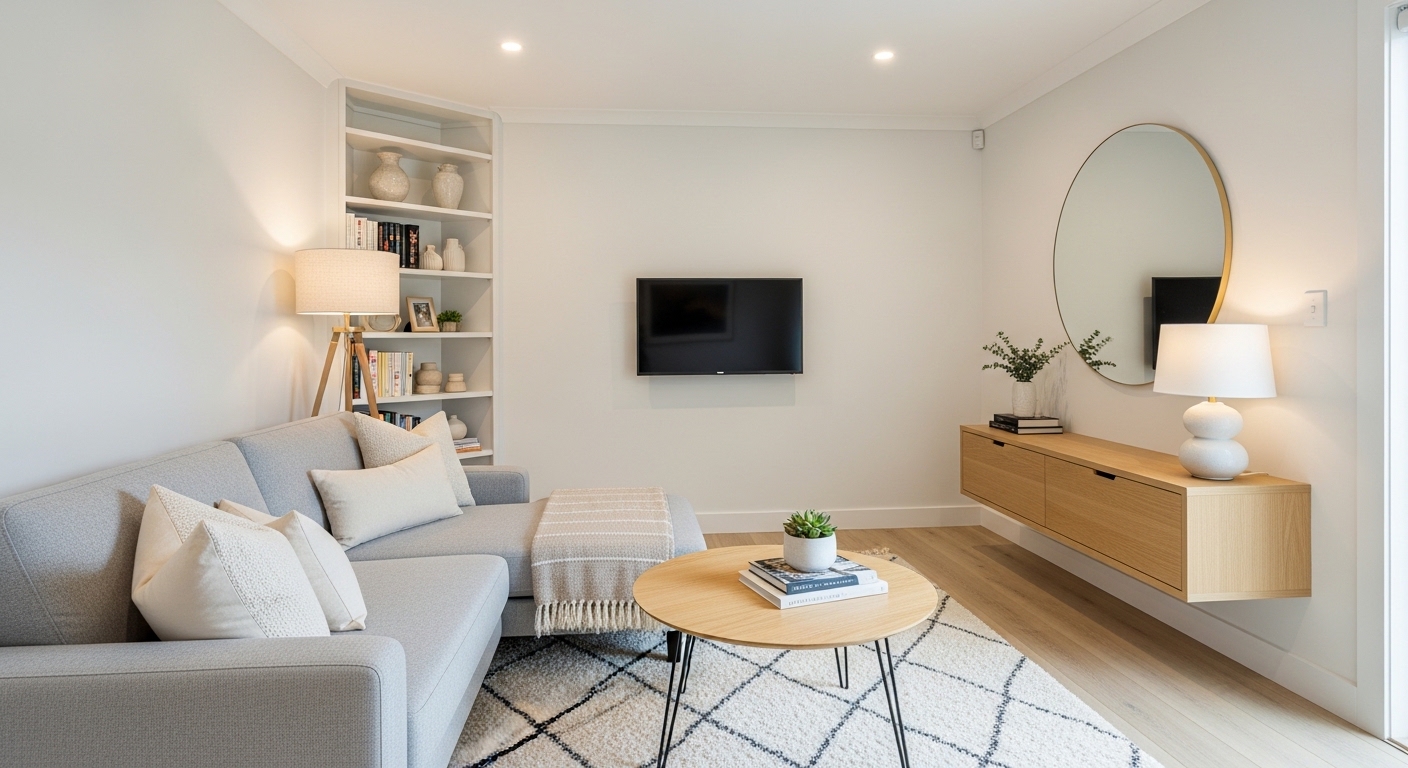
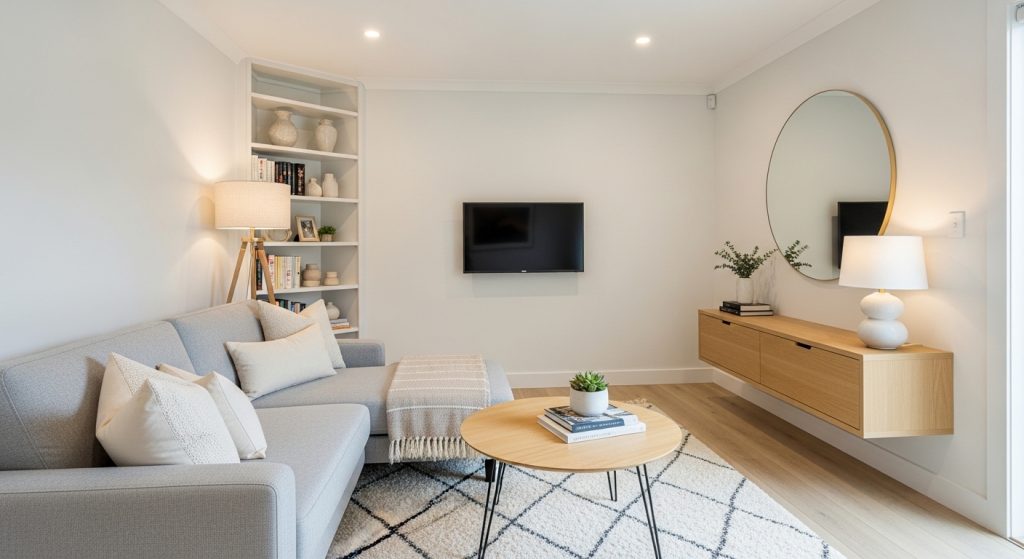
If your living room feels cramped no matter how often you tidy it, you’re not alone. Small living rooms can quickly start to feel crowded, dark, and visually overwhelming—especially when you’re trying to fit real life into a limited footprint. From bulky furniture to poor lighting and awkward layouts, even beautiful rooms can feel smaller than they actually are.
The good news is that you don’t need a major renovation or a huge budget to create the illusion of more space. Designers use smart visual tricks every day to make compact rooms feel open, airy, and inviting. With the right color choices, furniture placement, lighting, and styling techniques, you can dramatically expand your room’s perceived size while still keeping it cozy and functional.
In this guide, you’ll discover 21 designer-approved ways to make your small living room look bigger. These ideas are practical, Pinterest-worthy, and achievable whether you rent, own, or simply want a fresh new feel without knocking down walls.
Colour & Paint Tricks That Instantly Expand Visual Space
1. Use a Light Neutral Palette
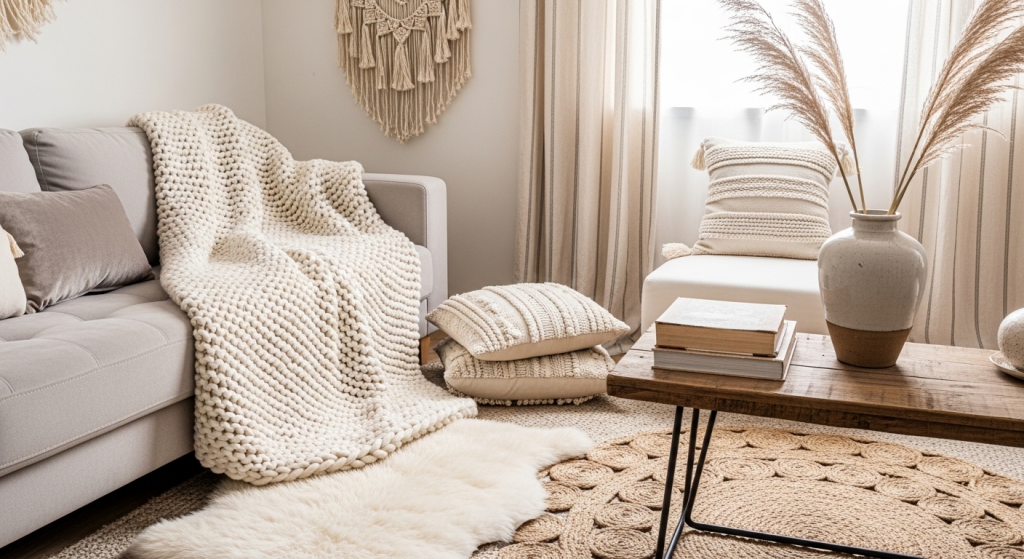
A neutral palette reflects more light and creates a soft, seamless look that visually expands the room. Shades like warm white, soft beige, pale greige, and light taupe help walls recede rather than close in around you. Keeping colors light also reduces harsh visual breaks that make a room feel boxed in.
For example, paint your walls a creamy white and pair them with light linen curtains and a pale area rug to create a calm, airy backdrop.
2. Paint Walls and Trim the Same Color
Contrasting trim can visually chop up a small room. When walls, trim, and even doors are painted the same tone, your eye moves smoothly through the space without interruption.
Try using a soft off-white on walls, crown molding, and baseboards for a seamless designer look that makes ceilings feel taller.
3. Choose Satin or Eggshell Finishes
Flat paint absorbs light, while satin and eggshell finishes softly bounce it around the room. This subtle reflection can help create more perceived depth.
For instance, use eggshell paint in a pale greige shade to brighten dim corners without creating too much shine.
4. Add Vertical Lines to Draw the Eye Upward
Strategic vertical lines naturally make ceilings appear higher. Vertical paneling, striped curtains, or tall bookshelves guide the eye upward and enhance the sense of height.
A practical example would be hanging floor-to-ceiling curtains with subtle vertical texture to elongate the walls.
5. Paint the Ceiling Slightly Lighter Than the Walls
A lighter ceiling creates the illusion of height and openness. This small shift tricks the eye into seeing more vertical space.
If your walls are soft beige, choose a ceiling paint that is one or two shades lighter for a lifted effect.
Furniture Choices That Make Small Rooms Feel Open
The furniture you choose can either crowd your room or completely transform how spacious it feels. The goal is to maximize comfort without visually overwhelming the room.
6. Choose Furniture with Exposed Legs
Furniture that sits directly on the floor can feel heavy and bulky. Pieces with visible legs allow light and sightlines to pass underneath, creating more openness.
For example, swap a chunky sofa for a mid-century style couch with raised wooden legs.
7. Use Multifunctional Furniture
In a small space, every piece should work harder. Multifunctional furniture reduces clutter while increasing functionality.
A storage ottoman that holds blankets while doubling as a coffee table is a perfect example for small living rooms.
8. Scale Furniture to the Room
Oversized furniture instantly overwhelms compact spaces. Instead of trying to squeeze in a massive sectional, choose pieces proportionate to your room dimensions.
A loveseat paired with two slim accent chairs often feels more spacious than one bulky couch.
9. Use Glass or Acrylic Tables
Transparent furniture visually disappears, which helps preserve visual openness. Glass and acrylic surfaces create function without visual heaviness.
Try replacing a dark wood coffee table with a clear acrylic version to instantly lighten the room.
10. Float Furniture Away from the Walls
It may seem counterintuitive, but pushing everything against the wall can actually emphasize the room’s small size. Floating furniture slightly inward creates breathing room and improves flow.
For instance, place your sofa a few inches from the wall with a narrow console table behind it.
Lighting Tricks That Brighten and Expand
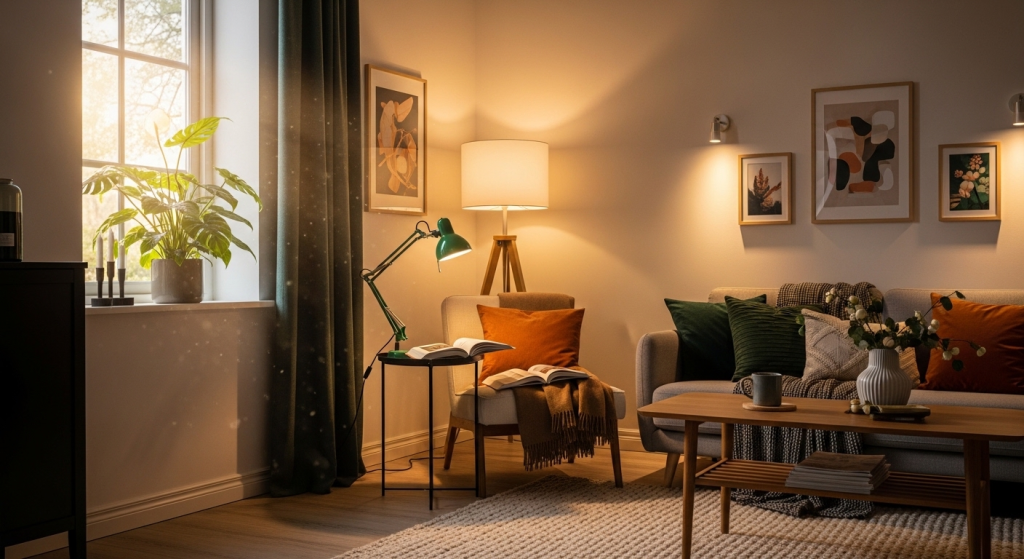
Lighting dramatically affects how spacious a room feels. Dark corners shrink a room, while layered lighting creates depth and warmth.
11. Maximize Natural Light
Natural light is one of the most powerful ways to create a bigger-feeling room. Heavy curtains can block valuable brightness and make the space feel closed in.
Use sheer curtains or light-filtering drapes that allow sunlight to fill the room while maintaining privacy.
12. Layer Multiple Light Sources
Relying on a single overhead fixture creates flat lighting. Layered lighting adds dimension and makes the room feel larger and more inviting.
Combine a floor lamp, table lamp, and wall sconces to spread light evenly throughout the space.
13. Use Wall Sconces Instead of Floor Lamps
Bulky floor lamps take up valuable square footage. Wall-mounted lighting frees up floor space while keeping the room visually uncluttered.
Install slim sconces beside the sofa to create cozy lighting without sacrificing walking space.
14. Choose Oversized Lighting Carefully
A common mistake is using tiny fixtures in small rooms. One well-proportioned statement light can actually make the room feel grander.
For example, a medium-sized pendant light with clean lines can create a bold focal point without overwhelming the space.
Mirrors & Reflection Tricks Designers Swear By
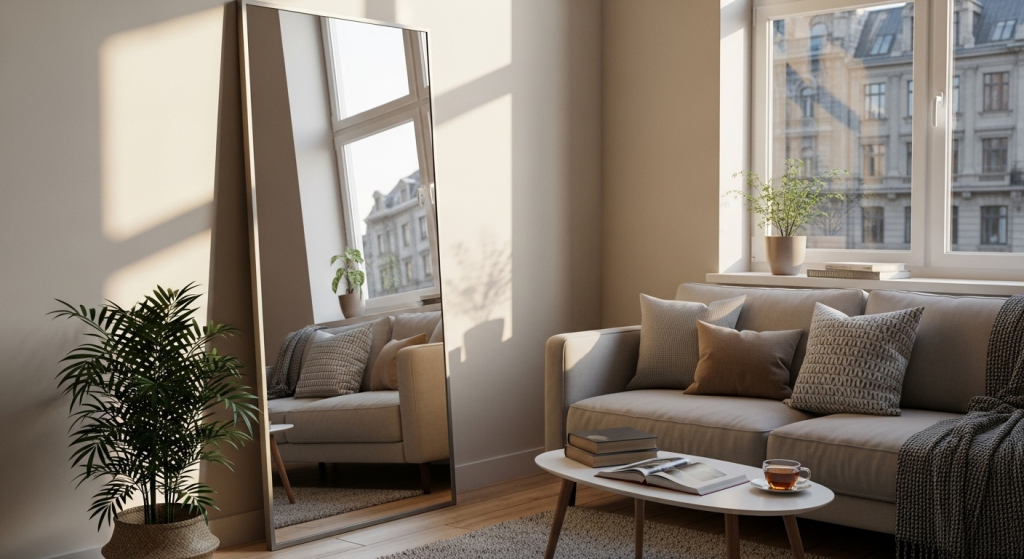
Mirrors are one of the oldest designer tricks for making rooms feel bigger—and when used correctly, they work beautifully.
15. Place a Mirror Opposite a Window
Mirrors reflect natural light and outdoor views, instantly increasing brightness and depth. This creates the illusion of another window.
Hang a large mirror directly across from your biggest window to double the light effect.
16. Use Oversized Mirrors Instead of Small Ones
One large mirror creates a stronger illusion of space than several small mirrors that can feel visually busy.
A full-length leaning mirror behind a side chair can dramatically open up a narrow living room.
17. Choose Reflective Decor Accents
Reflective materials help bounce light around the room and contribute to a brighter atmosphere.
Consider metallic frames, mirrored trays, or glossy ceramic decor to subtly enhance visual space.
Layout & Decluttering Strategies for an Open Feel
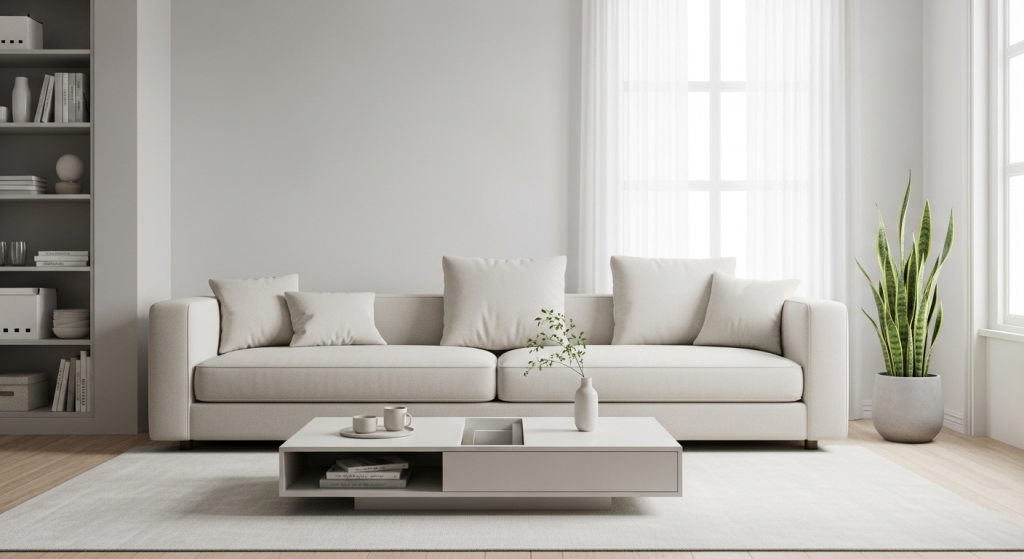
Even the best-designed room will feel cramped if it’s cluttered. Thoughtful organization and layout choices are essential for creating flow.
18. Create Clear Walking Paths
A cramped layout interrupts movement and makes a room feel chaotic. Clear pathways improve flow and make the room appear more open.
Arrange furniture so you can easily walk through the room without squeezing around obstacles.
19. Use Vertical Storage
When floor space is limited, think upward. Tall shelving draws the eye higher while freeing up valuable floor area.
Install floating shelves above your sofa for books and decor instead of using bulky cabinets.
20. Limit Small Decorative Objects
Too many accessories create visual clutter. A few intentional decor pieces feel calmer and more sophisticated.
Instead of displaying dozens of small items, style one large vase with stacked books on your coffee table.
21. Embrace an Open Floor Plan Feel
Even if your home doesn’t have a true open floor plan, you can create a similar feeling by maintaining visual continuity between spaces. Consistent colors and materials help rooms flow together.
For example, use the same rug tone and wood finishes between your living room and dining area to visually connect them.
Quick-Win Changes That Instantly Make a Small Living Room Feel Bigger
Quick-Win Box
1. Swap heavy curtains for sheer panels to maximize natural light instantly.
2. Add one oversized mirror opposite a window to double brightness and depth.
3. Remove one bulky piece of furniture to immediately improve flow and visual breathing room.
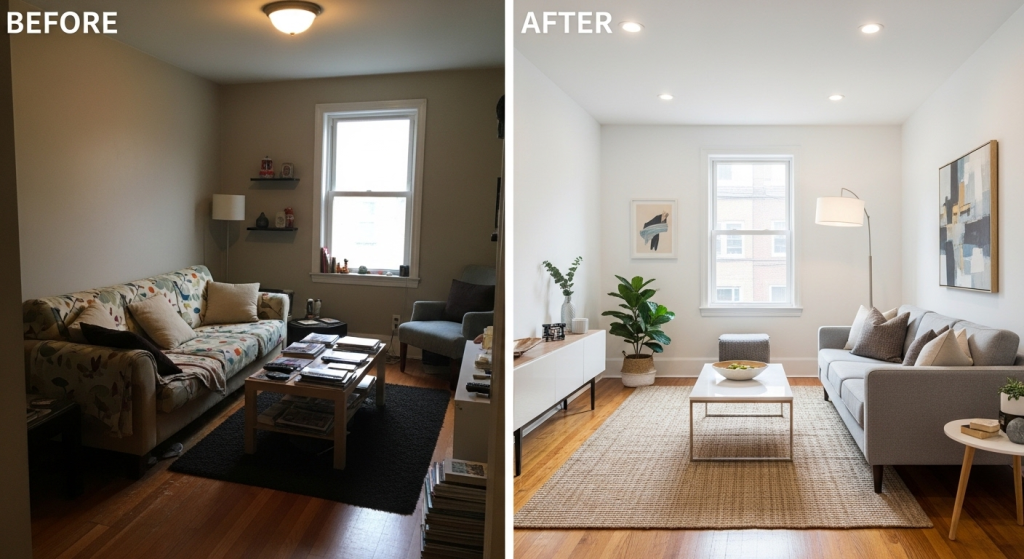
FAQ: How to Make a Small Living Room Look Bigger
How do you arrange furniture in a small living room?
Start by prioritizing flow and functionality. Avoid blocking pathways and choose furniture scaled appropriately for the room. Floating furniture slightly away from walls often creates better balance than pushing everything outward. Focus on leaving some open floor space visible to create a more spacious appearance.
What colors make a small living room look bigger?
Light neutrals work best because they reflect light and create visual continuity. Soft whites, warm beige tones, pale gray, and muted greige shades are especially effective. Using similar tones throughout the room also reduces visual breaks that can make the space feel smaller.
Do dark colors always make a room look smaller?
Not always. Deep colors can add depth when used strategically, especially in well-lit rooms. However, for most small living rooms, lighter shades tend to create a more open and airy feeling. If you love dark colors, try using them as accents instead of covering every wall.
What type of sofa works best in a small living room?
Look for sofas with slim arms, exposed legs, and a lower profile. Avoid overly stuffed or bulky designs that dominate the room visually. Multifunctional options with hidden storage can also help reduce clutter while maximizing functionality.
Can rugs make a small living room feel bigger?
Yes, the right rug can visually expand the room. A rug that is too small can make the space feel disconnected and cramped. Choose a larger rug that allows at least the front legs of your furniture to sit on it for a more cohesive and spacious look.
Final Thoughts
A small living room doesn’t have to feel limiting. With thoughtful design choices, you can create a space that feels brighter, more open, and far more comfortable than its square footage suggests. The key is focusing on visual flow, light, scale, and smart organization rather than trying to fit in too much.
Start with one or two easy changes—like adding mirrors, lightening your color palette, or choosing multifunctional furniture—and build from there. Small adjustments often create the biggest transformation. Before long, your living room can feel stylish, welcoming, and surprisingly spacious without requiring a complete remodel.