Flower Bed Design Layouts to Beautify Your Garden
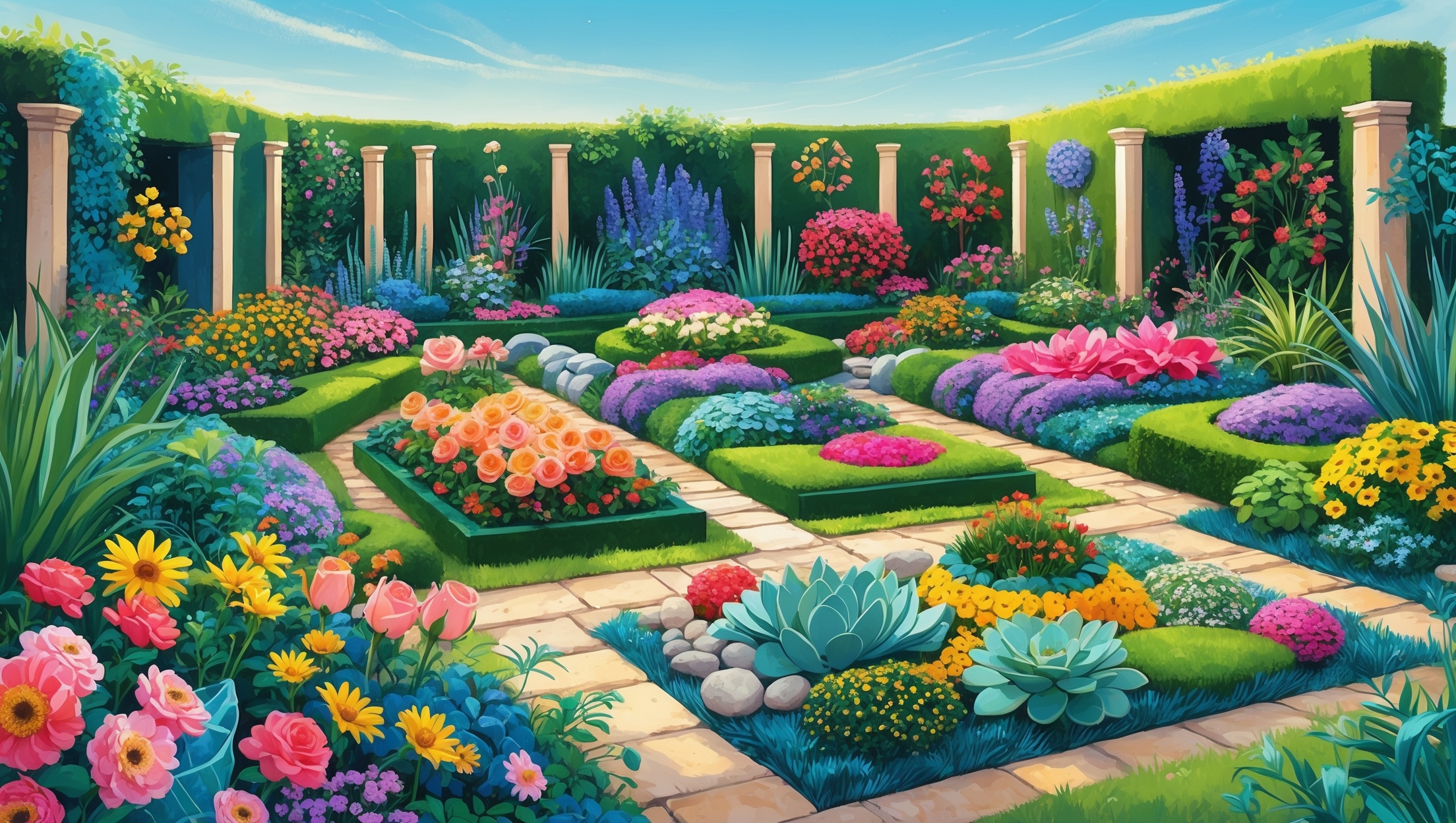
Flower beds are the heart of any beautiful garden. With the right layout, you can create stunning visual interest, support pollinators, and turn even the smallest space into a blooming paradise. Whether you’re going for symmetry or a natural flow, these flower bed ideas will help you bring your garden vision to life.
Curved Border Flower Bed
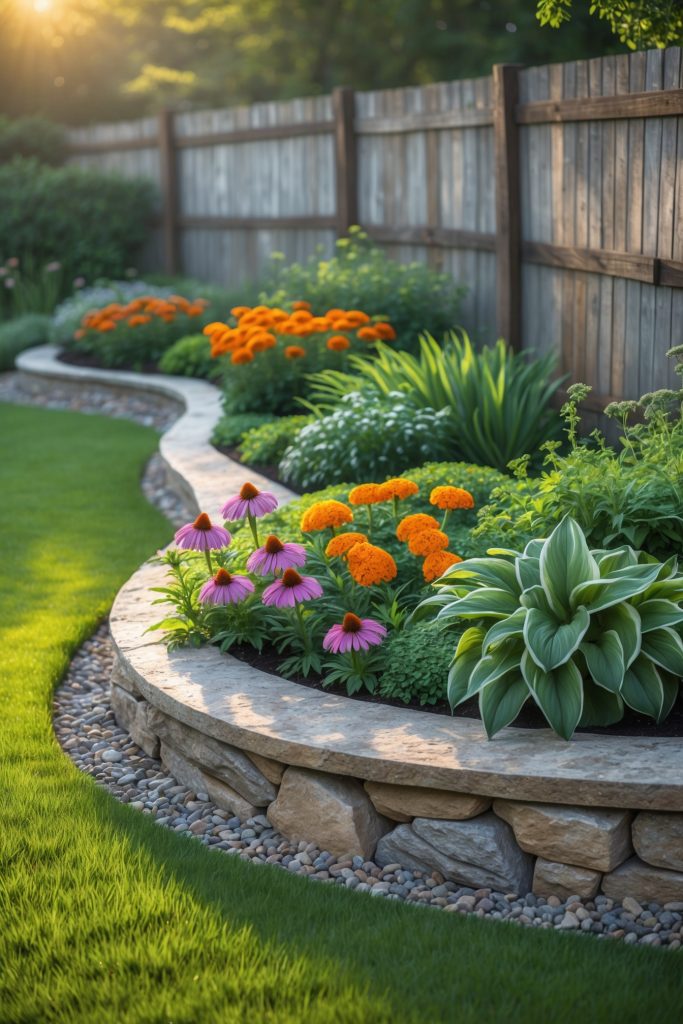
A curved border flower bed is an elegant way to soften the edges of your landscape and bring a sense of movement to your garden. Whether it’s along a walkway, fence, or lawn edge, this flowing shape draws the eye and creates a more organic feel compared to rigid, straight lines. Planting a mix of annuals and perennials in various heights adds depth, while repeating color patterns can help guide the visual flow.
This layout works particularly well with cottage-style gardens or more natural landscapes, offering a touch of whimsy without sacrificing cohesion. Mulch the bed for definition and moisture retention, and consider edging the curves with bricks or stones for a tidy finish. With careful layering, you can maintain color and texture throughout the seasons, making it a standout feature year-r
Raised Brick Flower Bed
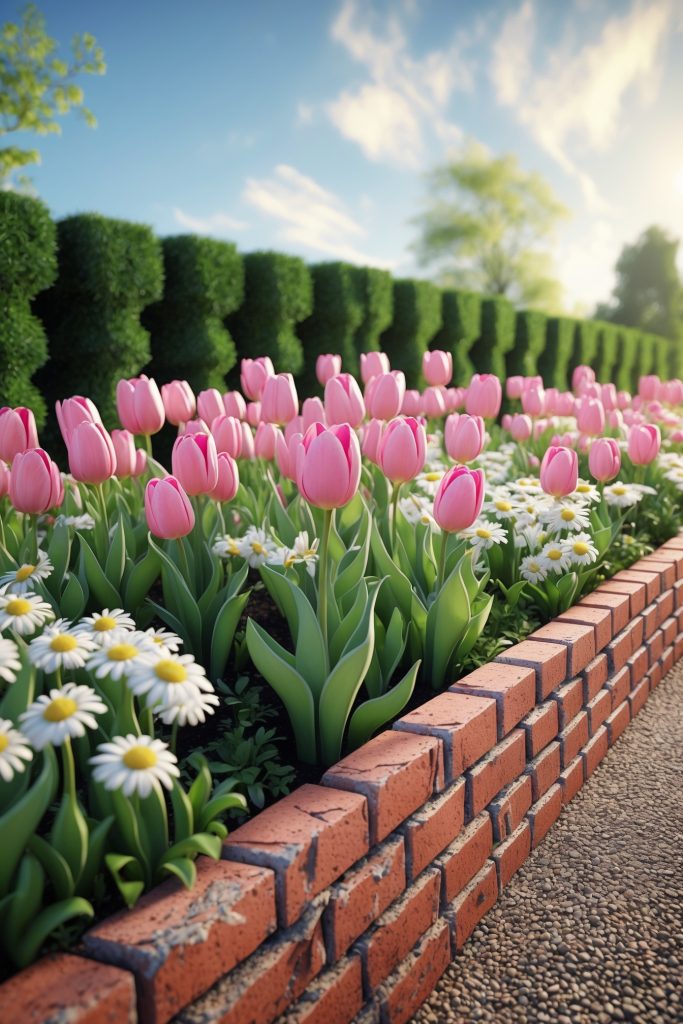
A raised brick flower bed brings timeless charm and structure to your outdoor space. The use of brick adds architectural interest, and its raised form helps to define garden boundaries while improving drainage. It’s an excellent choice for homeowners who want a neater, more formal appearance.
This type of bed works beautifully in both traditional and modern landscapes. Fill it with your favorite flowers, herbs, or even small shrubs, and you’ll enjoy easier maintenance and less back strain while gardening. You can further personalize the look by choosing red, gray, or weathered bricks to match the overall theme of your yard.
Circular Island Flower Bed
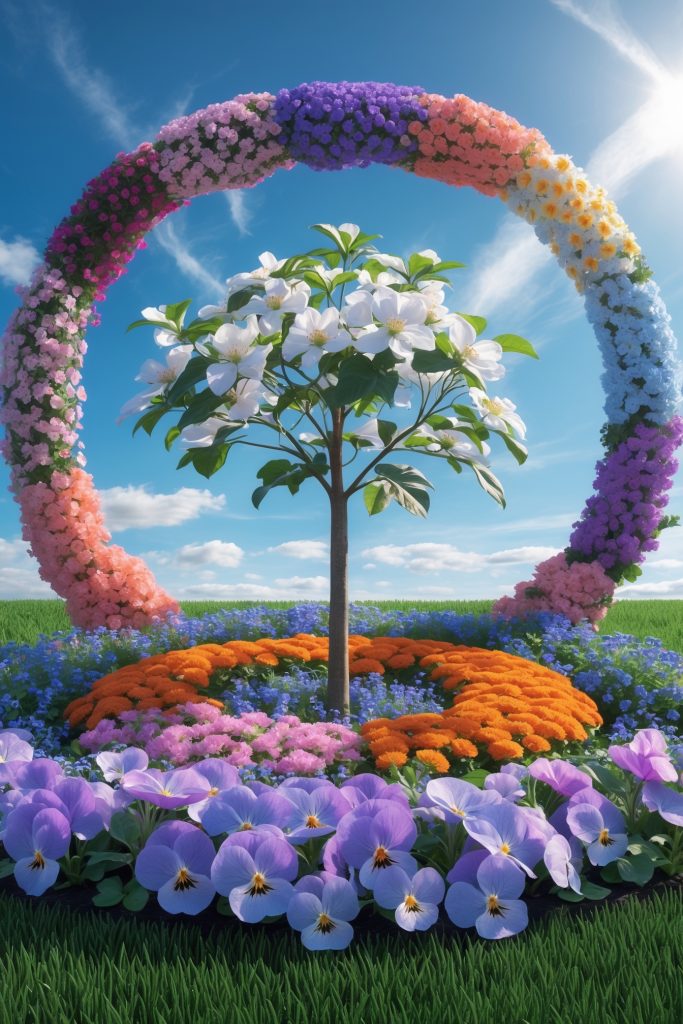
A circular island flower bed creates a striking focal point in the middle of a lawn or open space. Its symmetrical shape naturally draws attention, making it ideal for showcasing a specimen tree, flowering shrub, or an ornamental feature like a birdbath or statue.
You can ring the center with concentric layers of flowers in various heights and colors, creating a tiered visual effect that radiates beauty from every angle. This layout offers 360-degree viewing pleasure, and it’s particularly effective in large, flat yards where you want to break up open space with visual interest.
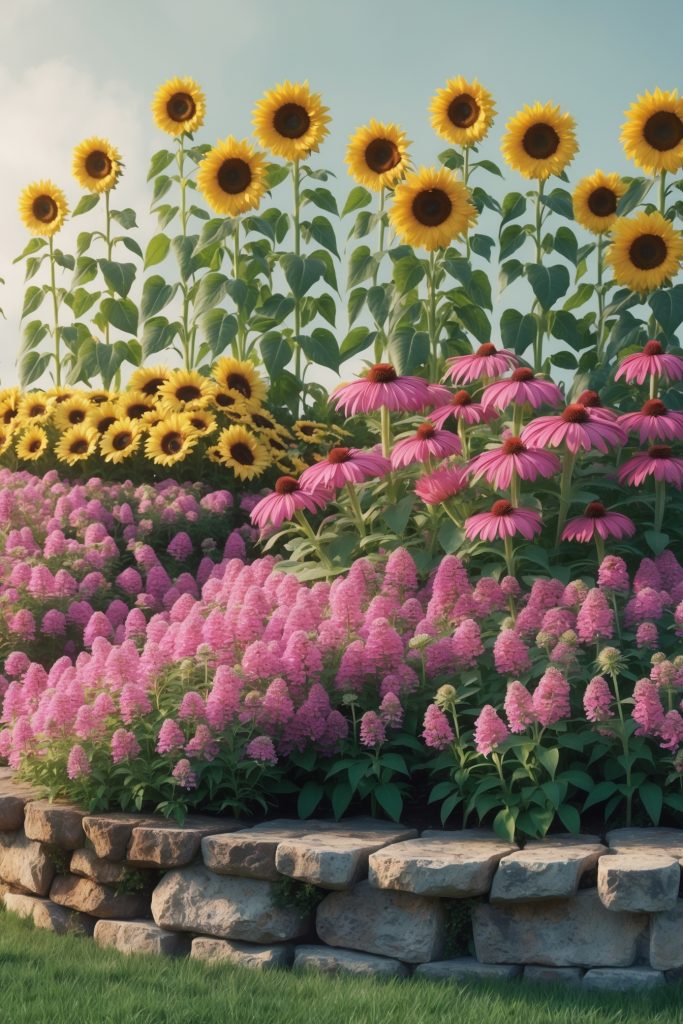
Tiered Flower Bed on a Slope
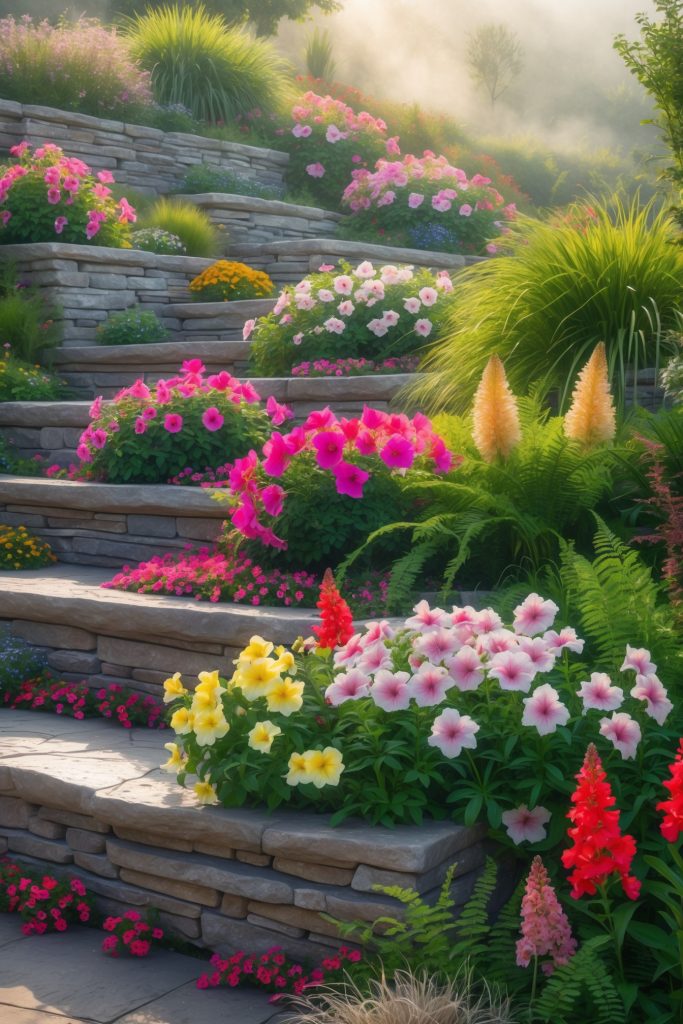
Turn a sloped yard into a floral masterpiece with a tiered flower bed. By building terraced levels or using retaining walls, you can prevent erosion while showcasing your plants in distinct, elevated layers. This design takes advantage of the natural topography, allowing for dramatic plant displays and easy maintenance.
Use cascading plants like creeping phlox or sweet alyssum on the edges to soften the tiers, and anchor each level with bold, upright blooms or ornamental grasses. Not only does this solution add depth and structure to uneven land, but it also gives each flower its time in the spotlight.
Rectangular Formal Garden Bed
For a clean and classic garden look, a rectangular formal flower bed delivers symmetry and order. This layout suits front yards, walkways, or any area where you want a more polished appearance. The rectangular shape makes it easy to organize symmetrical planting rows or mirrored color patterns.
Pair the design with traditional flowers such as roses, tulips, or boxwood borders to enhance its timeless appeal. Gravel or mulch pathways around the bed add to the crisp aesthetic and allow for easy access. It’s a smart choice for homeowners who appreciate low-maintenance elegance.
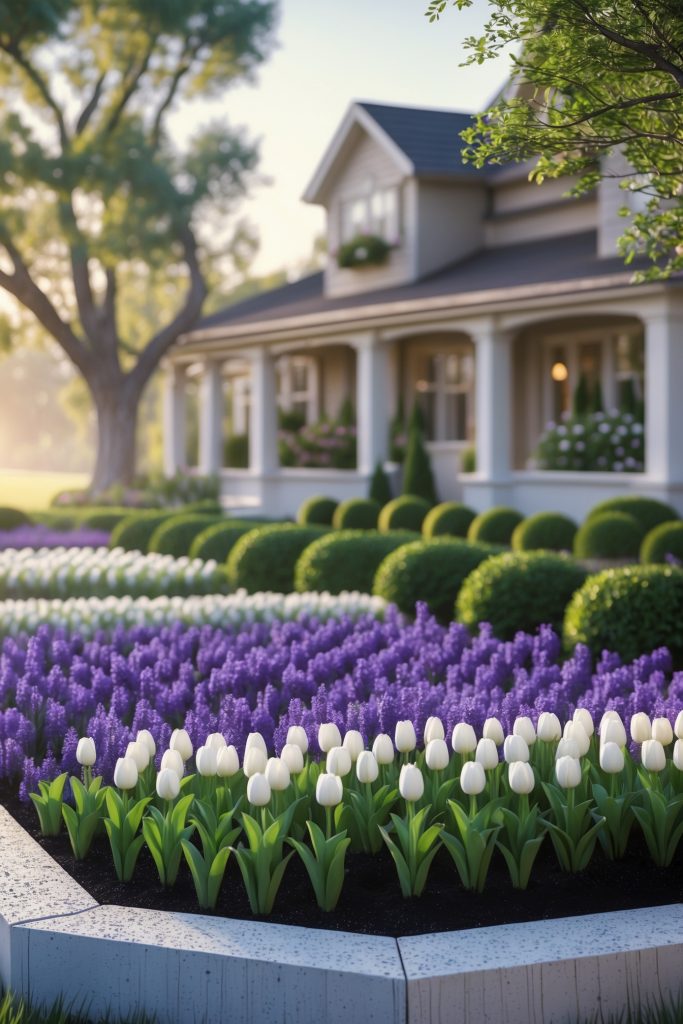
Cottage-Style Overflowing Bed
Channel the romantic charm of the English countryside with a cottage-style overflowing bed. This relaxed, unstructured layout features a variety of flowering perennials that bloom in overlapping waves, creating a lush and abundant appearance.
Plant your bed with classic cottage blooms like delphinium, foxglove, hollyhock, and lavender, letting the plants mingle freely and spill over the edges. This type of bed works well along fences, walls, or house foundations, softening hardscapes and encouraging pollinators to visit.
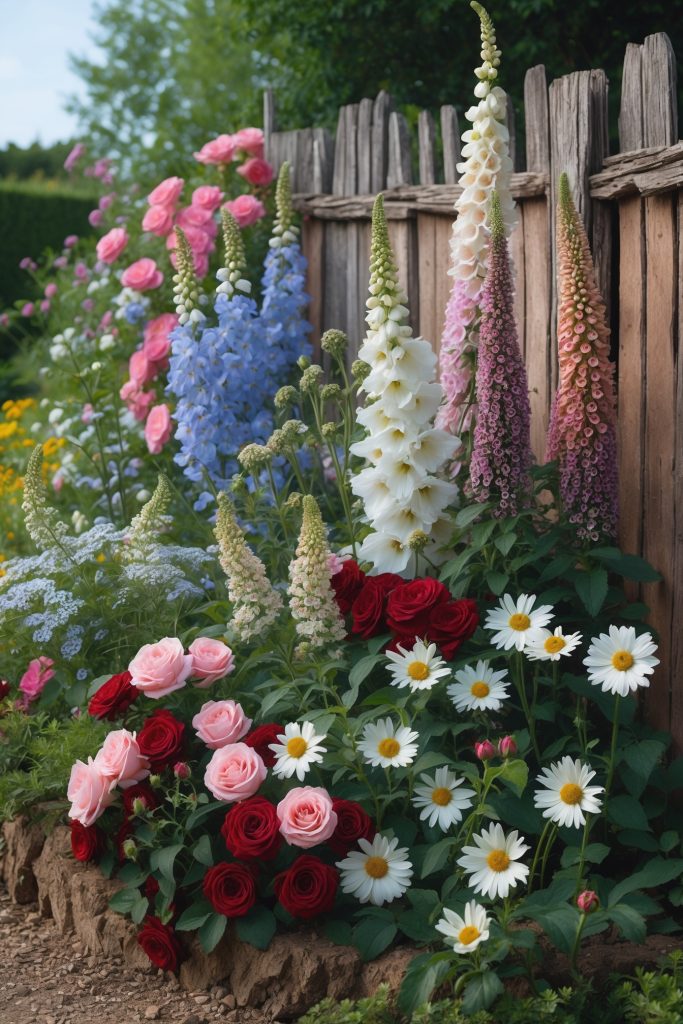
Butterfly and Pollinator Bed
Support your local ecosystem with a flower bed specifically designed to attract butterflies, bees, and other pollinators. Choose nectar-rich, native plants such as coneflowers, milkweed, bee balm, and black-eyed Susans, arranging them in loose clusters to help pollinators locate them easily.
Avoid pesticides and incorporate a water source like a shallow birdbath to make your garden even more inviting. This type of bed not only brings ecological benefits but also rewards you with lively activity and vibrant color throughout the growing season.

L-Shaped Corner Flower Bed
Maximize unused corners in your yard by installing an L-shaped flower bed. These designs are perfect for wrapping around the edge of a patio, fence, or house, making the most of limited space while providing visual cohesion.
Use the long arms of the “L” to layer taller plants in the back and medium to low growers in front, creating a cascading effect. This layout is highly versatile and works equally well with formal or casual planting styles.
9. Zen-Inspired Minimalist Flower BedMaximize unused corners in your yard by installing an L-shaped flower bed. These designs are perfect for wrapping around the edge of a patio, fence, or house, making the most of limited space while providing visual cohesion.
Use the long arms of the “L” to layer taller plants in the back and medium to low growers in front, creating a cascading effect. This layout is highly versatile and works equally well with formal or casual planting styles.
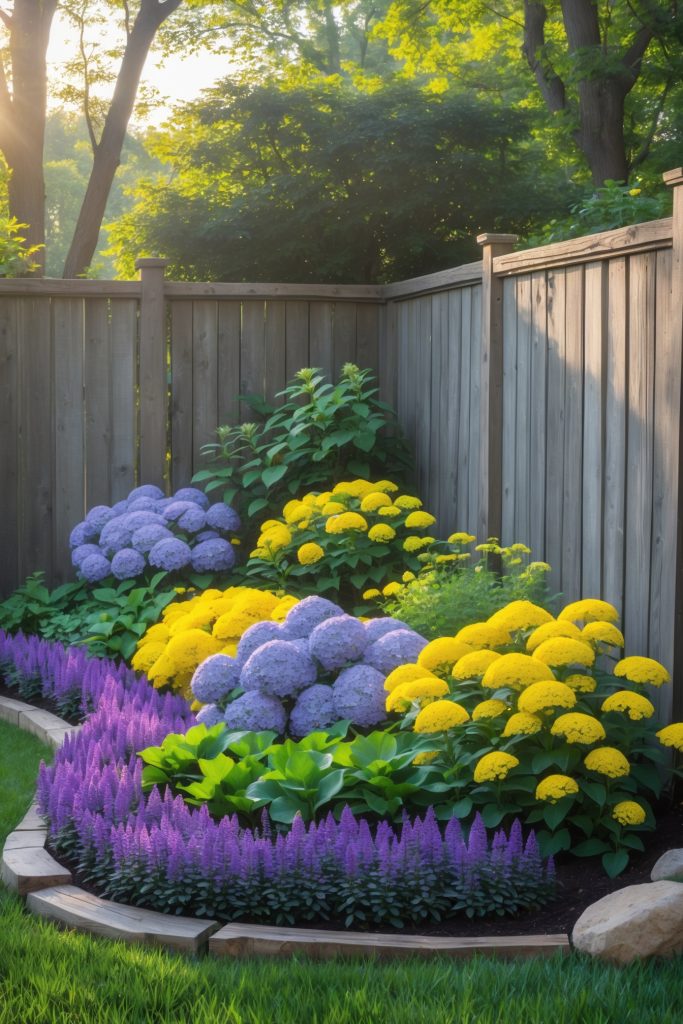
Zen-Inspired Minimalist Flower Bed
Embrace simplicity and tranquility with a Zen-inspired minimalist flower bed. This design typically features clean lines, a limited color palette, and well-chosen elements such as ornamental grasses, monochrome flowers, and decorative stones or gravel.
The focus here is on space, balance, and serenity, making it ideal for modern homes or meditative garden corners. Keep plants neatly spaced and prune regularly to maintain the minimal aesthetic, and consider incorporating a small stone lantern or bamboo accent for added ambiance.
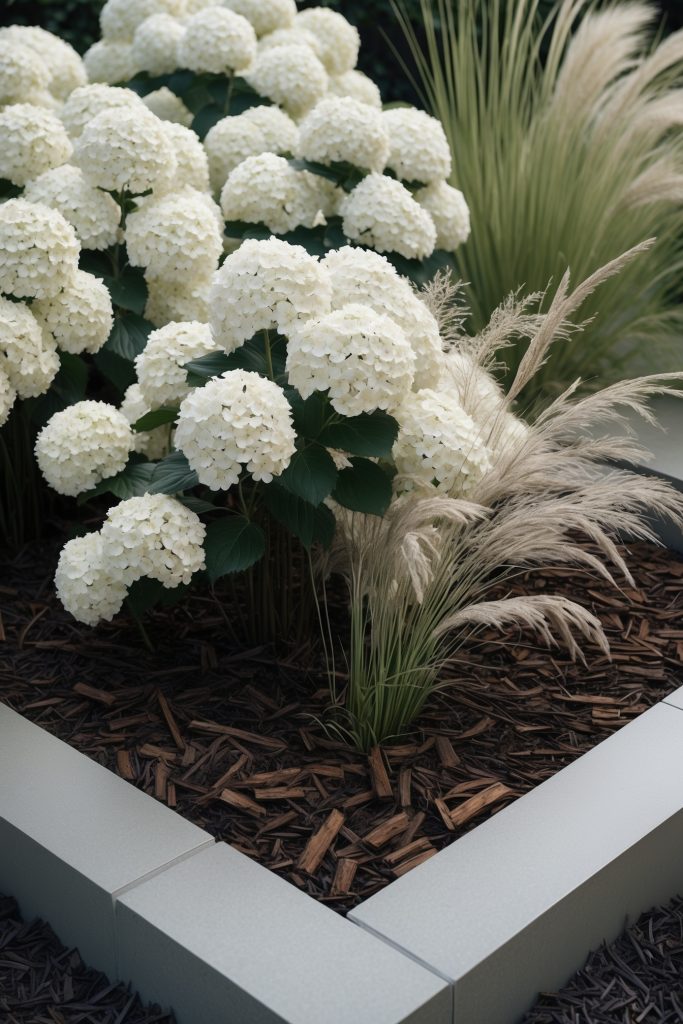
Mixed Height Layered Bed
A mixed-height layered bed brings visual depth and dynamic structure to your garden. By arranging plants according to their height—from tall in the back to low-growing ground cover in front—you create a multi-dimensional layout that feels lush and full.
This design is perfect for border areas along fences or the side of a house. Include a variety of textures and bloom times to ensure the bed looks attractive throughout the seasons. The layered approach also helps each plant get the sunlight it needs.
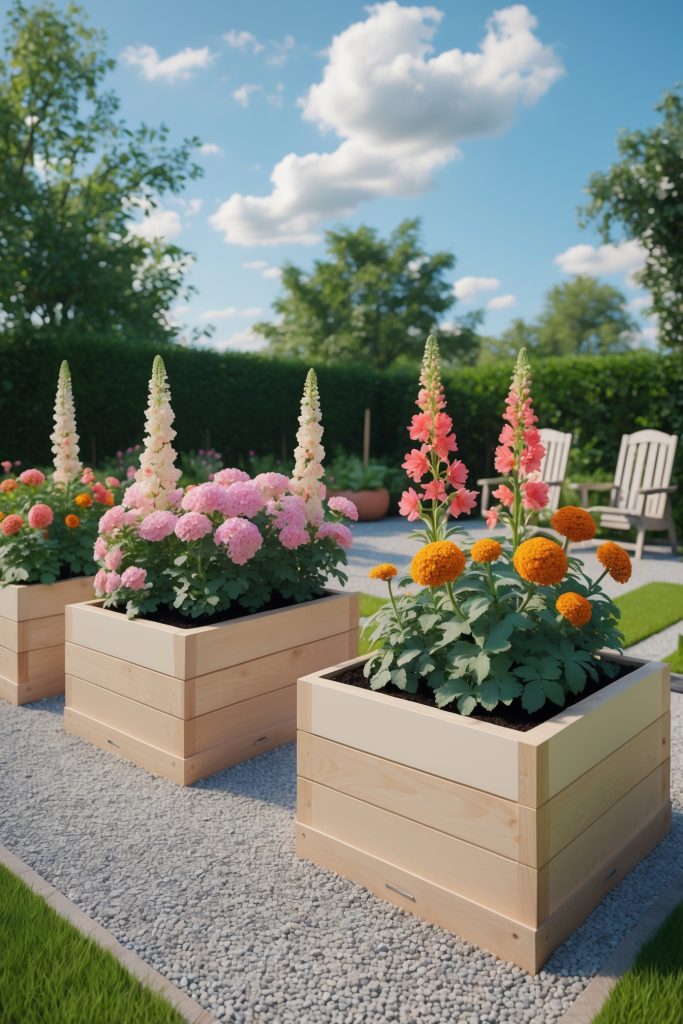
Raised Wooden Flower Boxes
Raised wooden flower boxes offer a stylish and practical way to define your garden space. Ideal for patios, balconies, or tight urban areas, these boxes provide excellent drainage and easy access for maintenance.
You can customize their size and stain or paint them to match your exterior décor. Fill them with seasonal flowers, herbs, or even small shrubs, and move them around as needed to refresh your layout throughout the year.
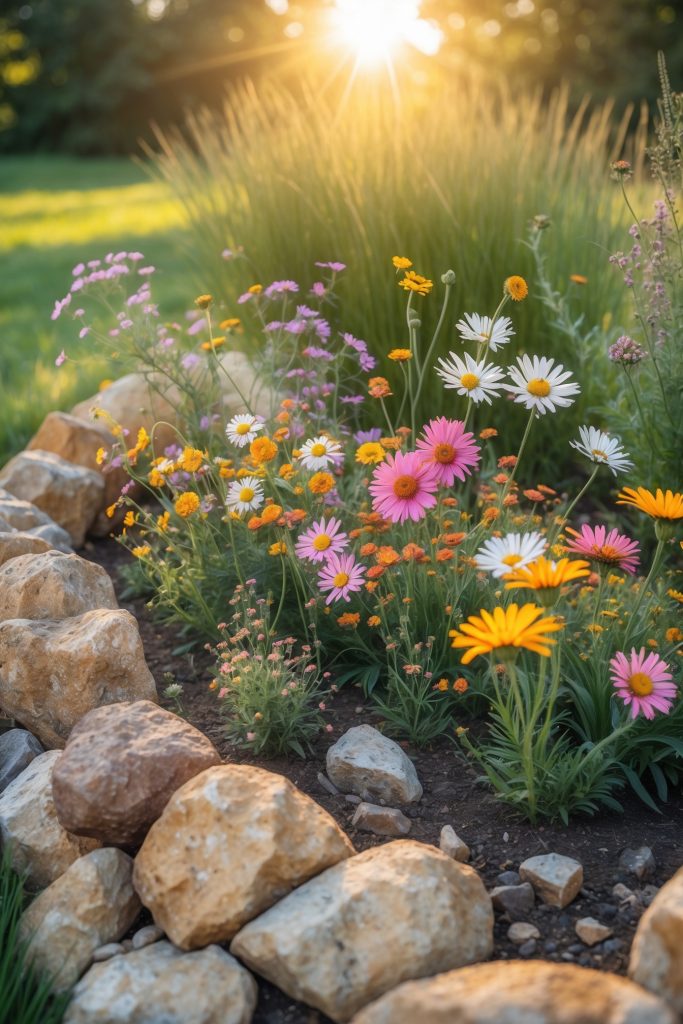
Rock Border Flower Bed
Give your flower bed a rustic touch by outlining it with natural stones. A rock border is not only aesthetically pleasing but also functional, helping to keep mulch in place and discourage grass encroachment.
Choose stones of varying sizes and shapes for a natural look, or opt for uniform edging stones for a more structured finish. The rocks pair well with drought-tolerant plants and wildflower mixes, enhancing the overall low-maintenance vibe.
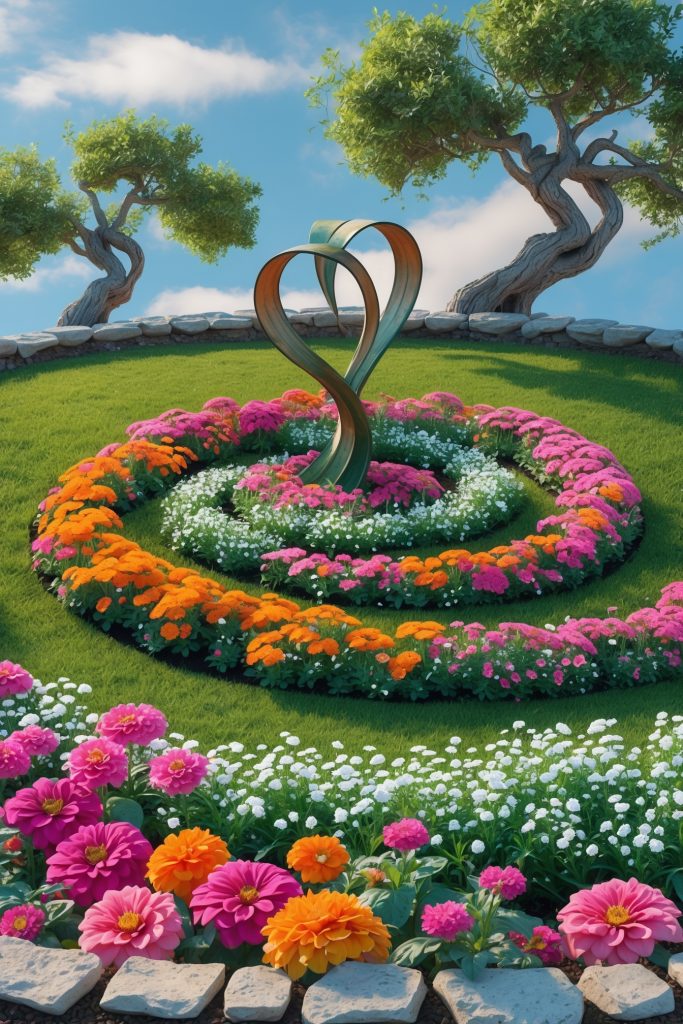
Spiral or Snail-Shaped Bed
A spiral-shaped flower bed adds a creative twist to your garden layout. Inspired by the Fibonacci sequence, this design is both artistic and space-efficient, making it great for smaller yards or herb gardens.
Start with taller plants in the center and gradually taper down to shorter blooms or ground covers as you move outward. This arrangement allows easy access to every plant and creates an eye-catching focal point that sparks conversation.
Patio-Adjacent Bed with Pavers
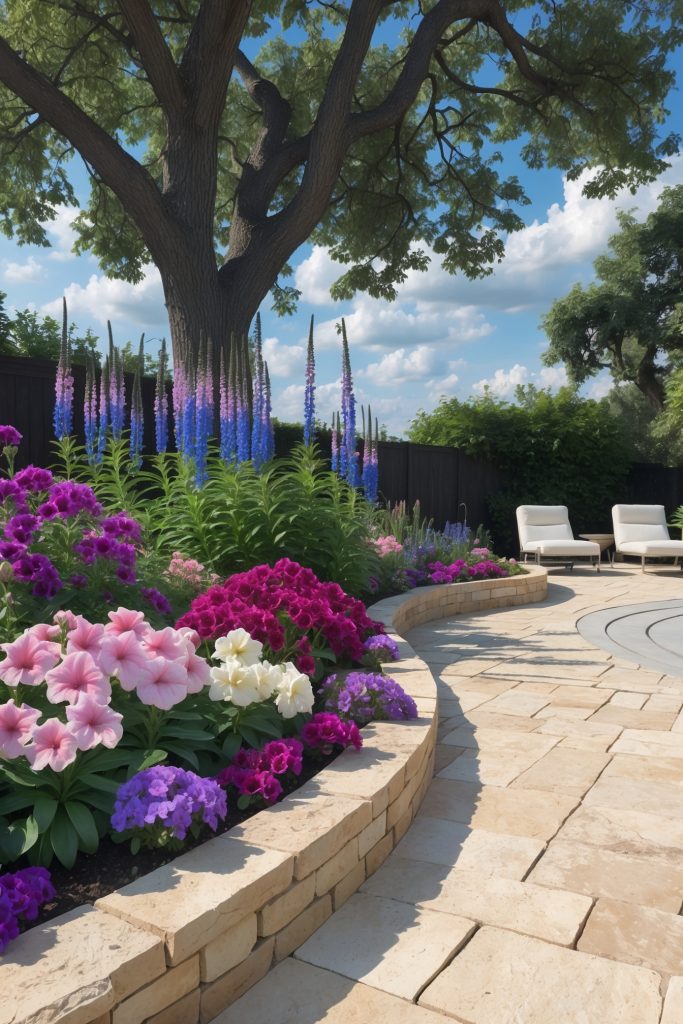
Add color and charm to your patio area by lining it with a flower bed framed by pavers. The hard edge keeps soil and mulch neatly in place while offering a defined boundary that blends seamlessly with patio flooring.
Select low-maintenance flowers or fragrant varieties like lavender and petunias to enhance the ambiance of your outdoor entertaining space. This layout helps unify your hardscape and softscape, turning your patio into a true extension of your home.
Shade Garden Flower Bed
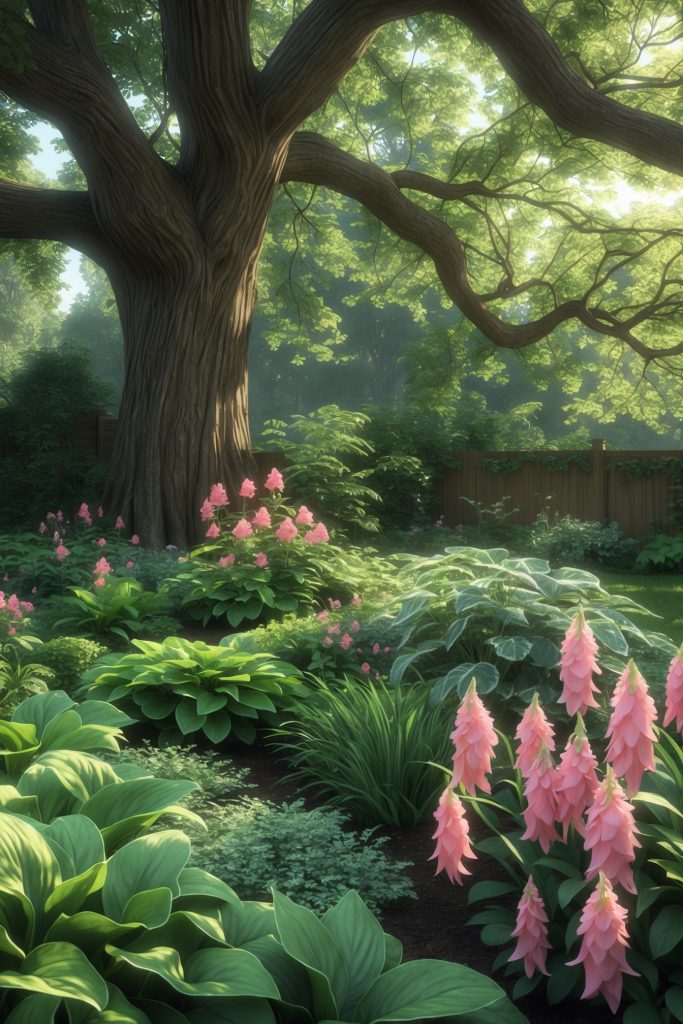
Transform dark corners of your yard with a flower bed designed for shade. Choose plants that thrive in low light, such as hostas, ferns, astilbe, and impatiens, and group them according to their height and spread.
Incorporate elements like moss, decorative rocks, or a bench to enhance the peaceful woodland vibe. This is a great option for areas under large trees or along the shady side of your home.
Front Entry Symmetrical Beds
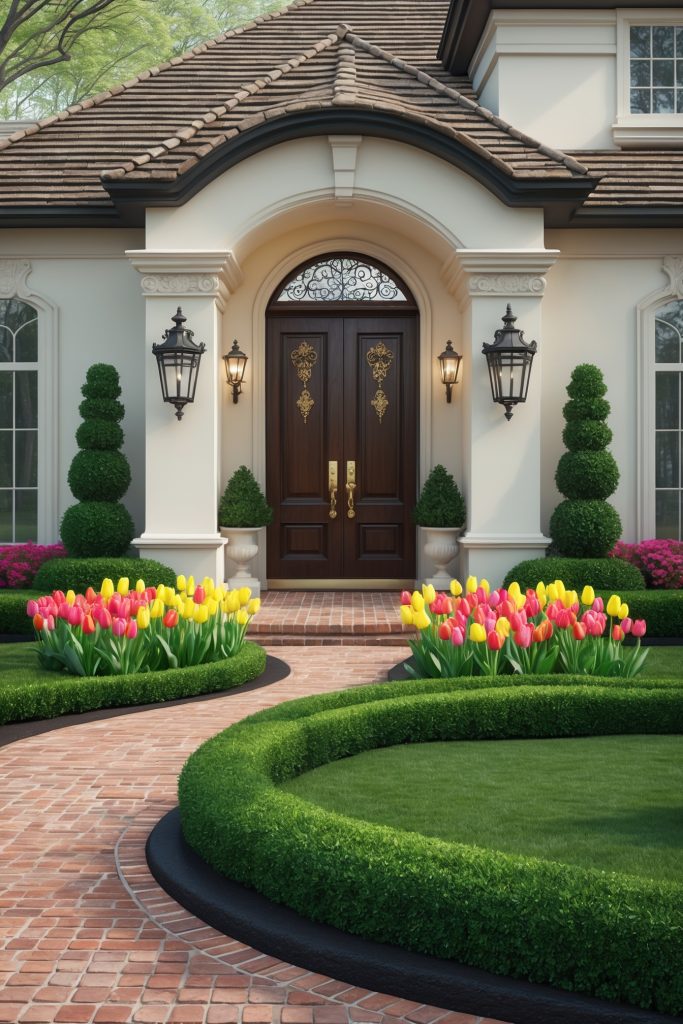
Boost curb appeal with symmetrical flower beds flanking your front door or walkway. This layout emphasizes balance and structure, offering a formal and welcoming entrance to your home.
Use matching plants and mirror the arrangement on each side for maximum impact. Boxwoods, hydrangeas, or seasonal blooms all work well in these beds. Add a pathway or small border to tie everything together and make your entryway truly inviting.
Final Thoughts
Whether you’re designing a peaceful retreat or adding vibrant curb appeal, a well-planned flower bed can dramatically elevate your outdoor space. These 16 flower bed design layouts range from structured to freeform, minimalist to abundant, giving you the flexibility to match your garden vision, skill level, and climate.