Summer Blonde Hair Color 2027: 26 Warm Looks Worth Booking This Season – November Update
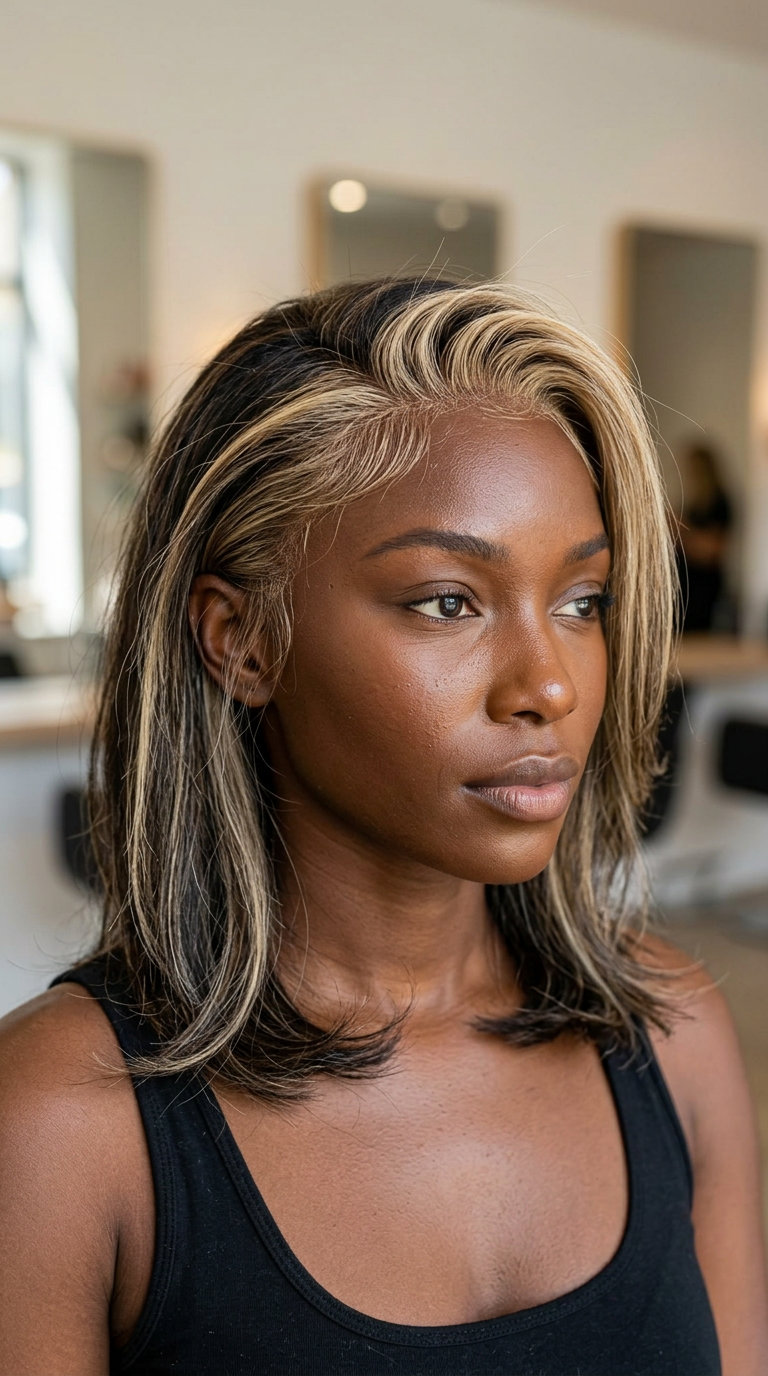
Buttercream Blonde, Mushroom Blonde 2.0 and Apricot Blonde are suddenly all over my feed. Every colorist I follow seems to be chasing the same look for 2027: warm, light-catching tones that make it seem like you spent the summer outdoors, not under salon lights. Sofia Richie Grainge’s Linen Blonde aesthetic got everyone’s attention, and Beyoncé’s Cécred launch leaned hard into the idea of “healthy blonde.” The shift is real. People are stepping back from high-maintenance platinum and moving toward what stylists now call Solar Blondes, the kind that brighten your skin tone instead of draining it.
Summer blonde hair color for 2027 is less about chasing platinum and more about finding the undertone that suits you. You might go for creamy, almost edible Buttercream, cool Mushroom Blonde with earthy brown hints, or Champagne Toast with a rose-gold shimmer. None of these are one-note. They’re multi-tonal and lived-in, and they work on fair, medium and olive skin alike, as long as you’re willing to book a gloss every six weeks or so.
For three years I kept chasing the platinum dream until my colorist finally told me, “Your skin is warm. Stop fighting it.” After one Apricot Blonde session, I stopped looking worn out in natural light. That’s the whole idea in a nutshell.
25 looks in this post
- Icy Birch Blonde Hair
- Mushroom Blonde Hair Color
- Strawberry Blonde Face Framing Highlights
- Platinum Pixie Cut
- Apricot Blonde Hair Color
- Scandi Hairline Blonde
- Strawberry Blonde Ends
- Champagne Blonde Color Melt
- Icy Blonde Highlights
- Apricot Blonde Foilyage
- Golden Blonde Ombré
- Strawberry Blonde Balayage Ideas
- Smoked Vanilla Hair Color
- Golden Beige Balayage Long Hair
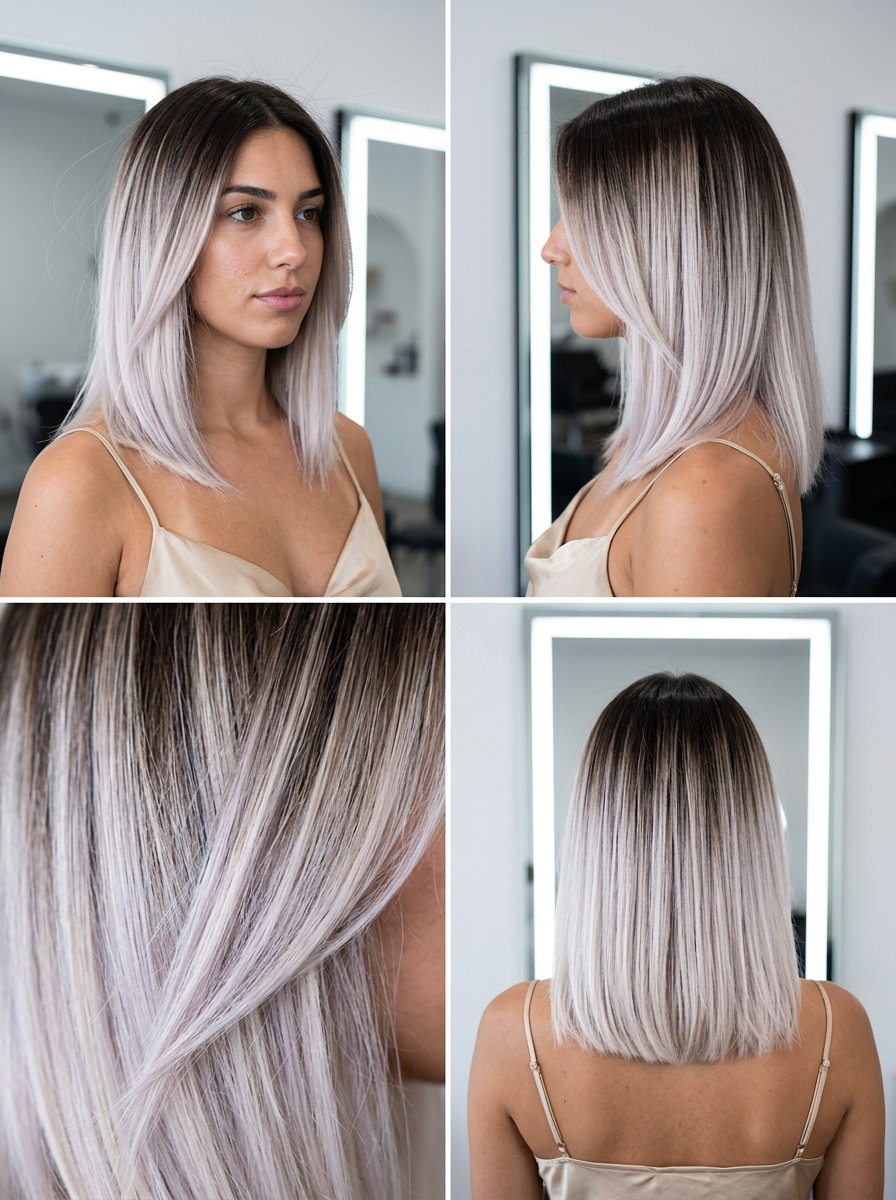
- Ash Blonde Root Smudge
- Buttercream Blonde Balayage
- Ash Blonde Reverse Ombre
- Honey Blonde Money Pieces Summer
- Luminous Summer Blonde
- Platinum Blonde Undercut
- Nectar Blonde Balayage
- Dark Honey Blonde Balayage
- Platinum Dip Dye Blonde Ends
- Linen Blonde Hair Color
- Apricot Ribbons Balayage
01. Icy Birch Blonde Hair
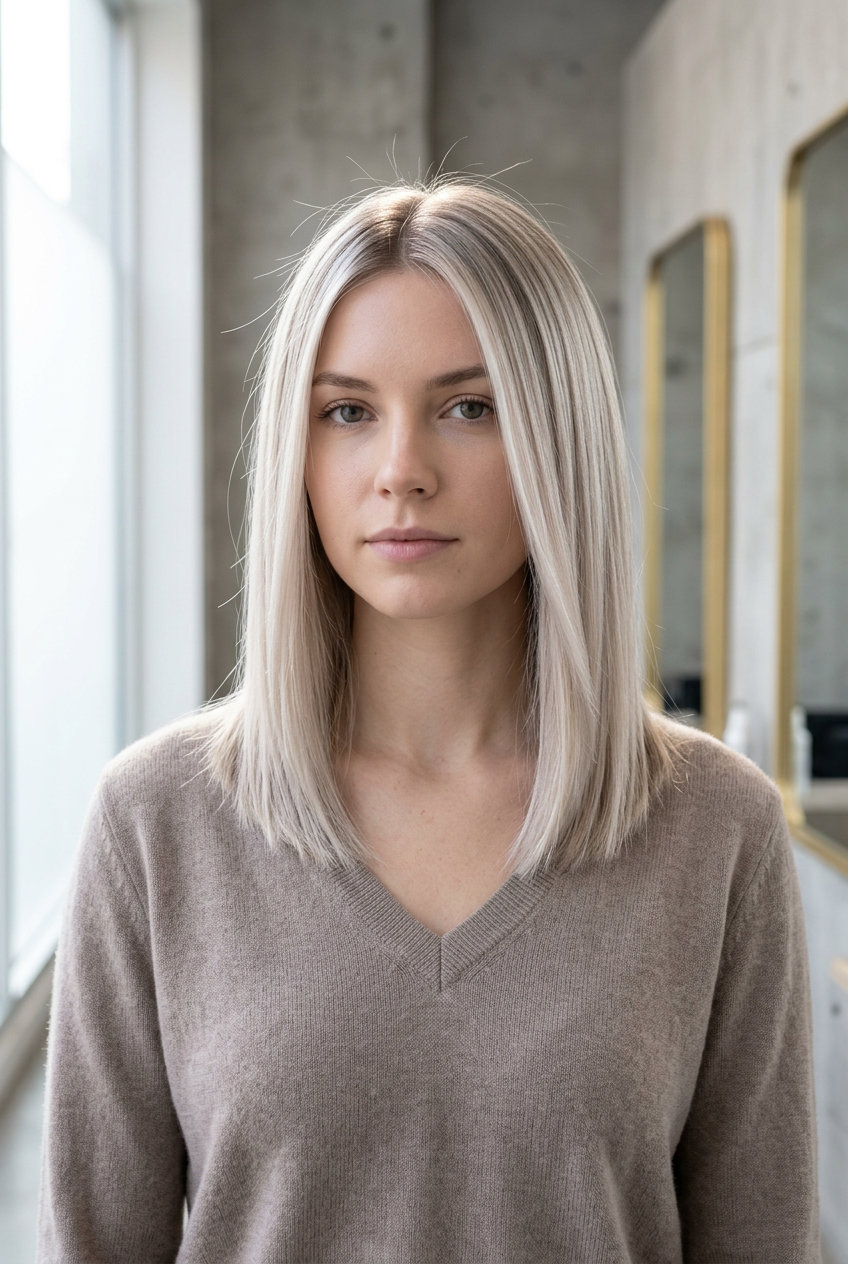
There’s a difference between blonde and blonde that looks like you planned it. Icy birch blonde is the second kind: a cool, translucent shimmer that sits between platinum and silver without reading as either. The method combines micro-fine babylights with a deliberate root smudge in a cool ash tone. Together they blend new growth into the dimensional structure, so salon visits can be spaced out. It isn’t one flat blonde. It’s depth that doesn’t demand monthly appointments.
The real test: the icy birch tone stayed free of brassiness for five weeks with purple shampoo, so the technique really works. Reaching level 10 to 11 usually takes several sessions and often costs $300 or more each time, so this isn’t a one-and-done purchase. It’s worth it if you’re committed to cool tones. In sunlight the result looks almost translucent. Fine hair gets more drama, while thick hair reads as subtly dimensional, and both work. The root smudge does most of the work by hiding regrowth, so you don’t feel pressure to book on a tight schedule. Translucent blonde at its best.
02. Mushroom Blonde Hair Color
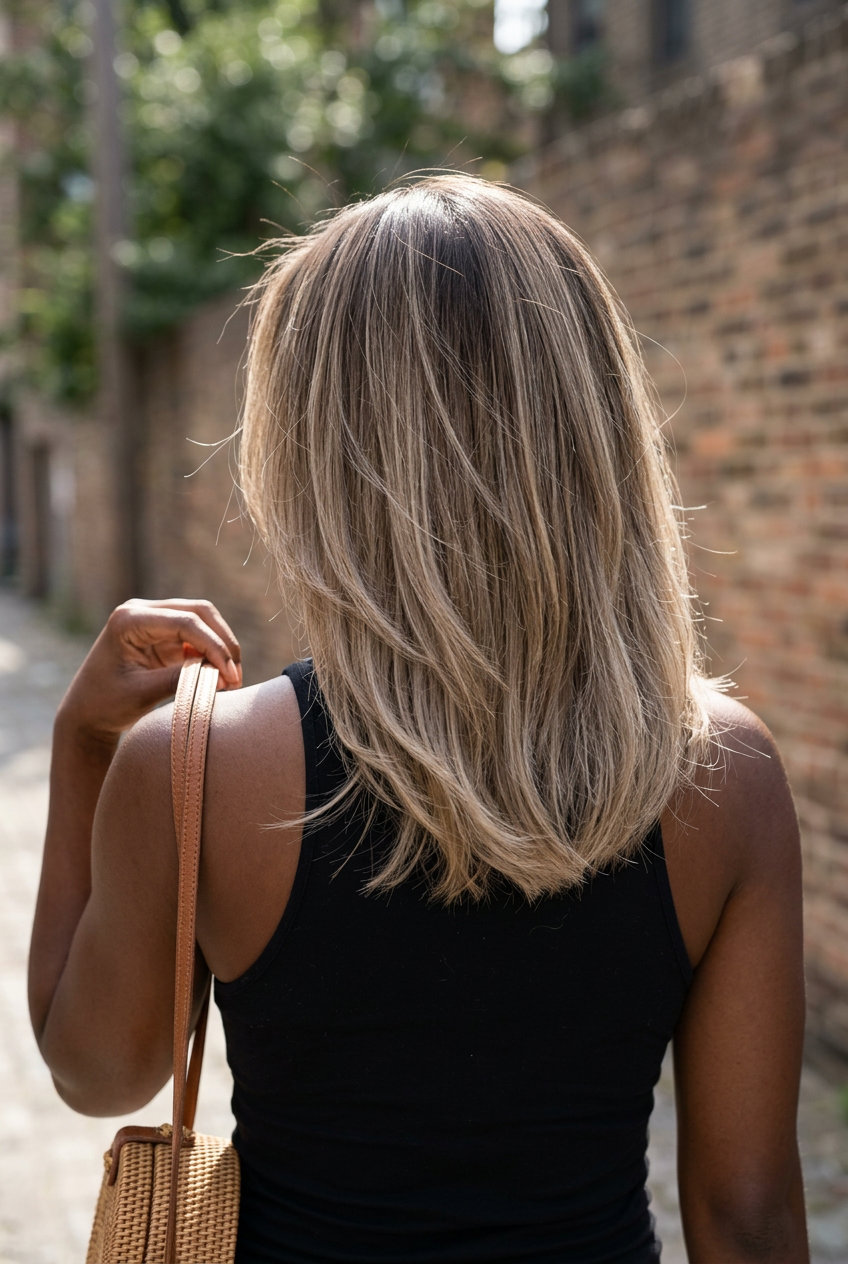
Mushroom blonde is what platinum would look like if it were colder. A cool root smudge, fine babylights and a silver-beige gloss combine into a multi-dimensional ash blonde with no warmth in it. It’s the hair version of quiet luxury. It doesn’t demand attention; it hints at it. The technique depends on a skilled colorist who can layer cool tones without making the hair look gray or aged. The gloss is custom-mixed to sit between silver and beige, which adds dimension without the look of brassy regrowth.
Ash blonde held its cool tone for six weeks and resisted brassiness with good care, so the technique really performs. Keeping true ash tones takes a highly skilled colorist and a specific aftercare routine, so this isn’t a DIY-friendly color. Purple shampoo twice a week is essential, and some colorists suggest a blue-toning mask every other week. The payoff is a blonde that suits cool, olive and neutral skin and makes blue and green eyes stand out. It’s my favorite blonde for anyone whose undertones reject warmth. The root smudge hides regrowth for seven to eight weeks if you stay consistent with maintenance. Mushroom blonde takes commitment, but the result looks styled on purpose rather than accidentally cooled out. Cool, calm and collected.
03. Strawberry Blonde Face Framing Highlights
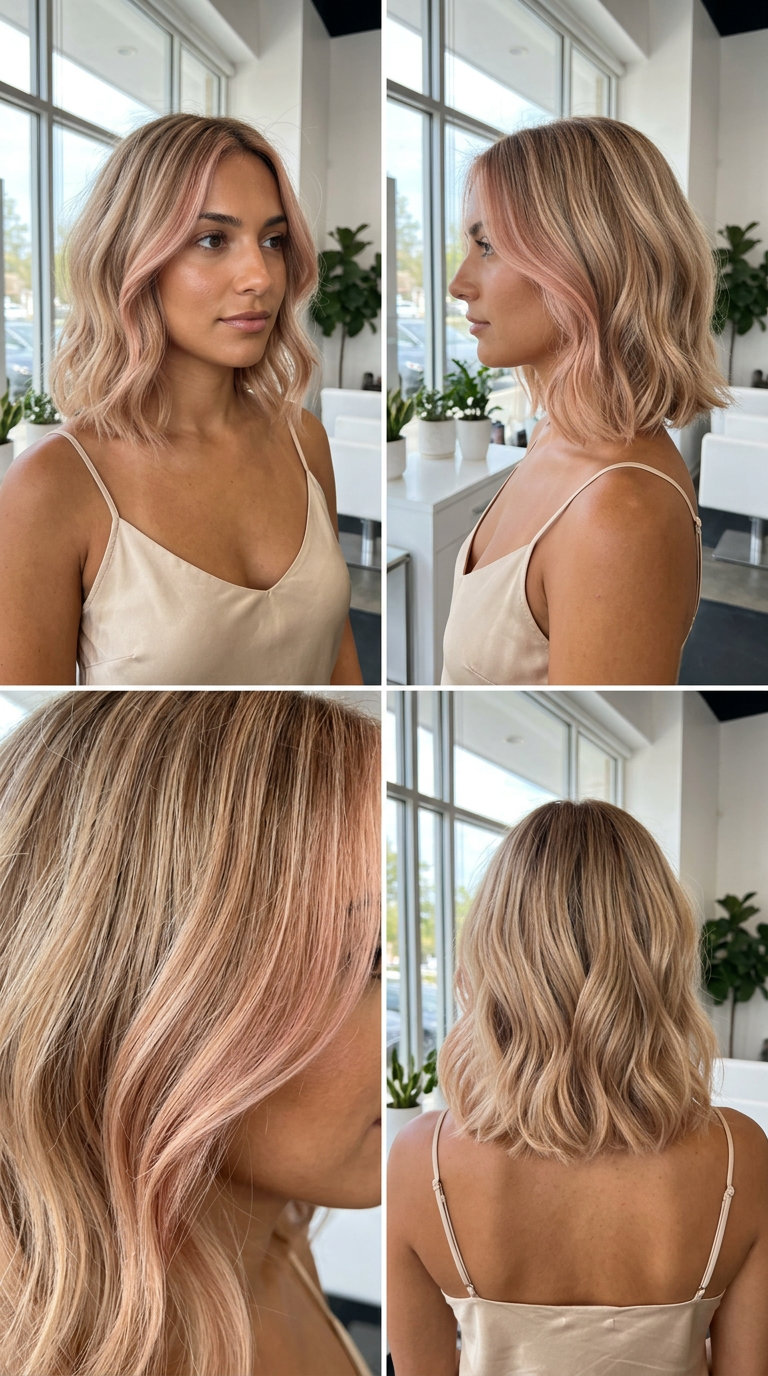
Face-framing highlights in strawberry blonde are the quickest glow-up. You don’t have to lighten your whole head to look brighter. Just frame your face with warm, rosy tones that catch the light where it counts. Strawberry blonde face frames lasted four weeks before needing a toner refresh. Rose gold fades faster than cooler blondes, but the effect is worth the upkeep. Toned with rose gold, face-framing highlights brighten your complexion instantly without a full commitment, which is why they’re a good test for anyone trying blonde for the first time. The technique is also easy to customize: narrow ribbons for subtle dimension or wider pieces for drama.
Skip this if you dislike frequent toning, since rose gold fades quickly. If you love the warmth, though, toning becomes part of the routine rather than a chore. Placement matters most. Pieces should start at the cheekbone or just below and run down the length, creating a frame that flatters most face shapes. Thick hair holds these tones beautifully. Fine hair needs fewer pieces so the dimension shows instead of disappearing into the base. The cost is lower than full balayage, which makes it a good entry point for anyone nervous about commitment. It may be worth the upkeep for the brightness boost alone. It isn’t about changing your whole hair identity. It’s about placing light strategically. Strawberry blonde face frames deliver the glow-up in a simpler form.
04. Platinum Pixie Cut
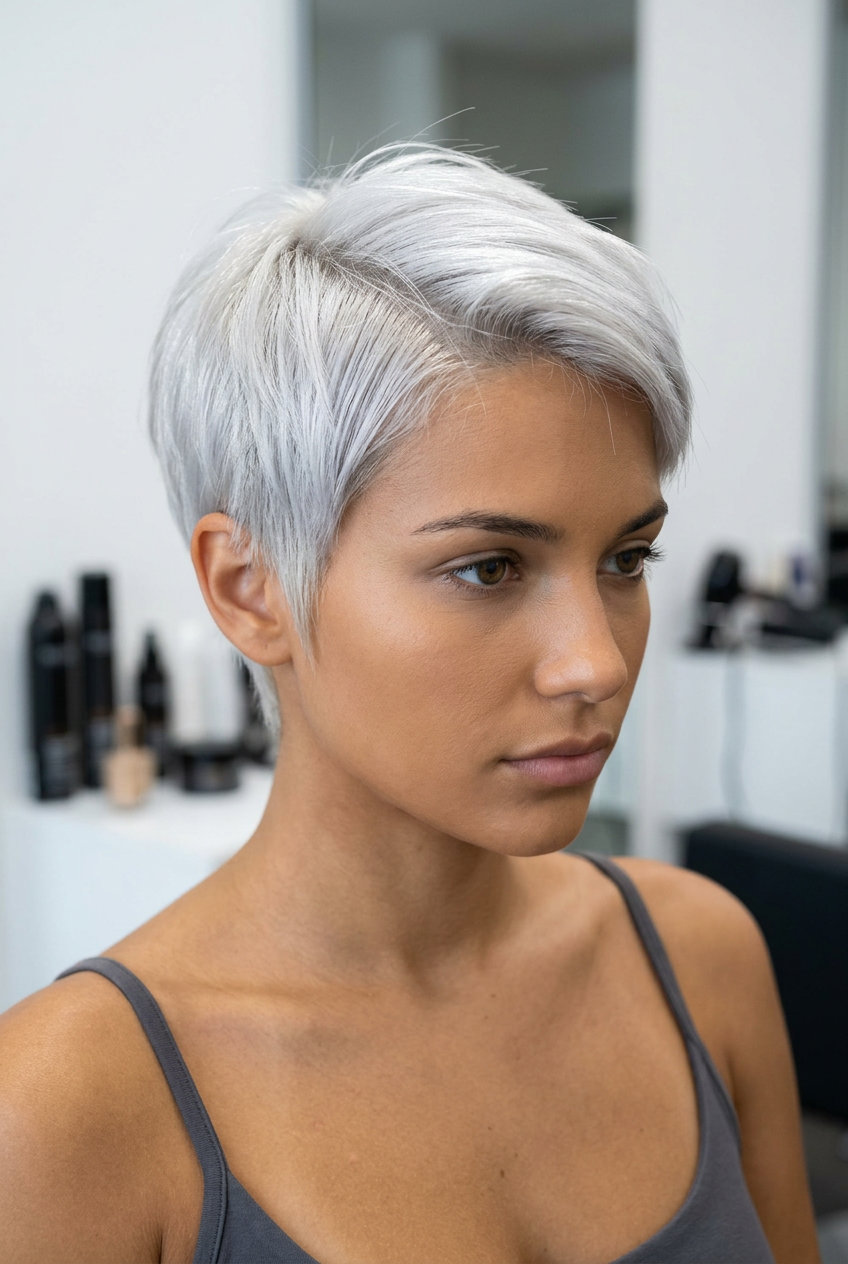
This is the blonde that commits, not just to color but to a lifestyle, to salon appointments and to checking your banking app with resignation, because the cost is real. A platinum pixie cut needs lifting to the palest yellow, then a violet-blue toner to neutralize warmth. The result is a crisp, cool platinum that reads as intentional rather than damaged. It’s the quickest route to looking like you’ve got things figured out.
A root touch-up was needed every three weeks to avoid visible regrowth lines, so this isn’t a set-it-and-forget-it style. Platinum can cost $300 or more a month to maintain and can damage fragile hair, and that’s the honest part salons rarely lead with. People keep doing it anyway, because short hair shows off the color’s real dimension without the weight longer lengths carry. The cut does half the work by creating movement that a flat blonde would lose. High commitment, high reward.
05. Apricot Blonde Hair Color
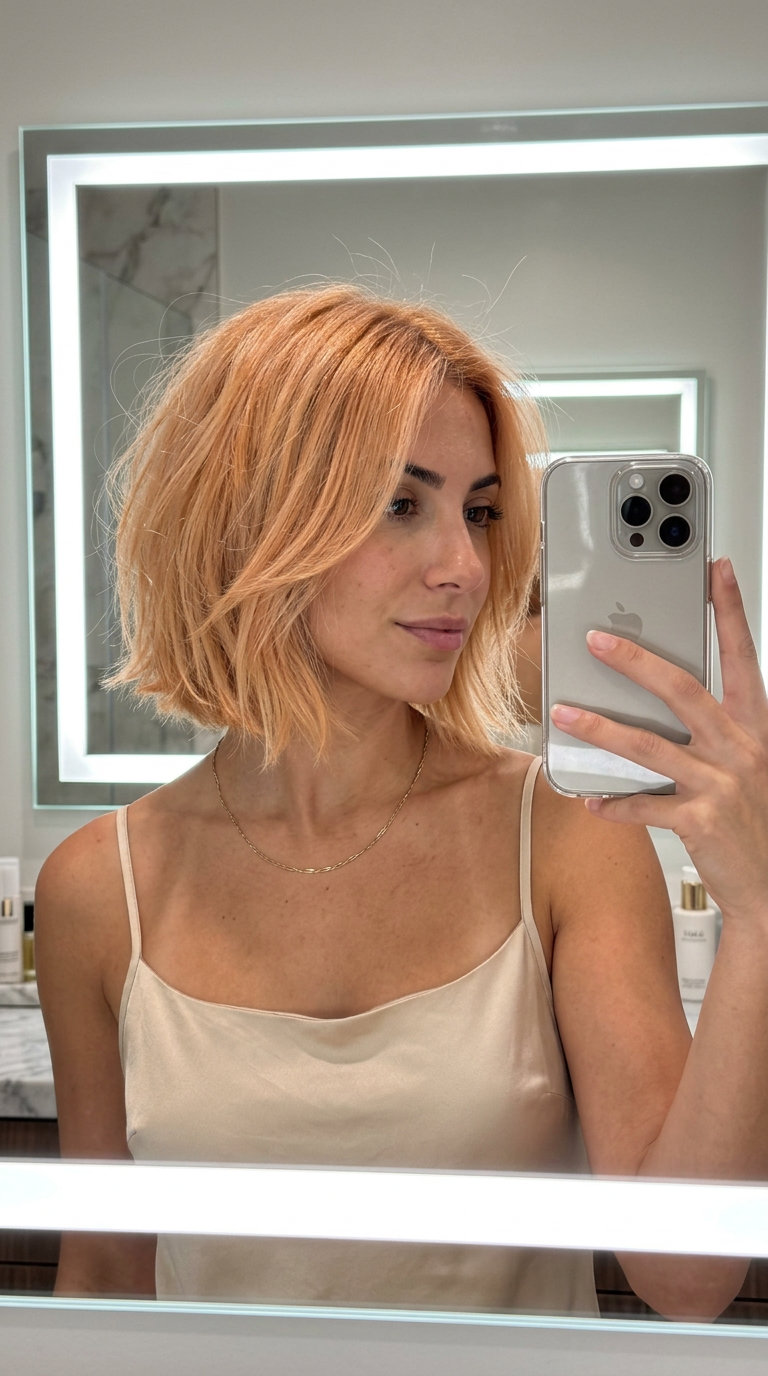
This one is for people who want their hair to do the talking. A custom copper-gold demi-permanent gloss over a lifted base creates a vibrant, multi-dimensional peachy shade that can look almost tropical in the right light. Vibrant apricot tones faded noticeably after four weeks and needed a gloss refresh, which is normal for bright shades. The fade is almost part of the plan, though. Week one is saturated, week three is softer and more elegant, and by week four you’re ready to book the refresh anyway.
The color works best on medium to deeper skin, where the warmth doesn’t get lost in the undertone. Skip it if you dislike frequent salon visits, since this shade fades fast and you’ll notice once it starts shifting toward brassy orange. A gloss refresh costs less than a full recolor, usually $40 to $75, so maintenance stays manageable if you keep to the timing. This is the apricot blonde that looks like summer decided to live in your hair. Pure joy in color.
06. Scandi Hairline Blonde
Scandi hairline blonde is face-framing highlights stripped to the bare minimum: pale blonde applied only to the baby hairs around the face, including the hairline, temples and the first inch of bangs if you have them. It’s the “barely trying” version of blonde that somehow creates the most noticeable brightening. The pale blonde halo is subtle, and it works because light concentrated around the face makes your whole complexion look brighter and more awake, even though you’ve colored maybe 5% of your hair. Face-framing highlights kept the complexion brightened for eight weeks before needing a refresh, which is a two-month cycle instead of a six-week scramble.
This is the entry point for anyone wary of commitment. It isn’t the choice for a dramatic change, since it’s a very subtle brightening technique. The application requires precision, because your stylist is painting roughly 15 to 20 thin strands, not panels. Regrowth doesn’t look like regrowth because the placement is so minimal. Pale blonde hairline highlights brighten by proximity on any skin tone and eye color. The refresh happens in the salon and takes about 20 minutes. It works for dark roots, light roots, textured hair and straight hair alike. You aren’t fighting your base. You’re just adding light where it matters most. The ultimate glow-up.
07. Strawberry Blonde Ends
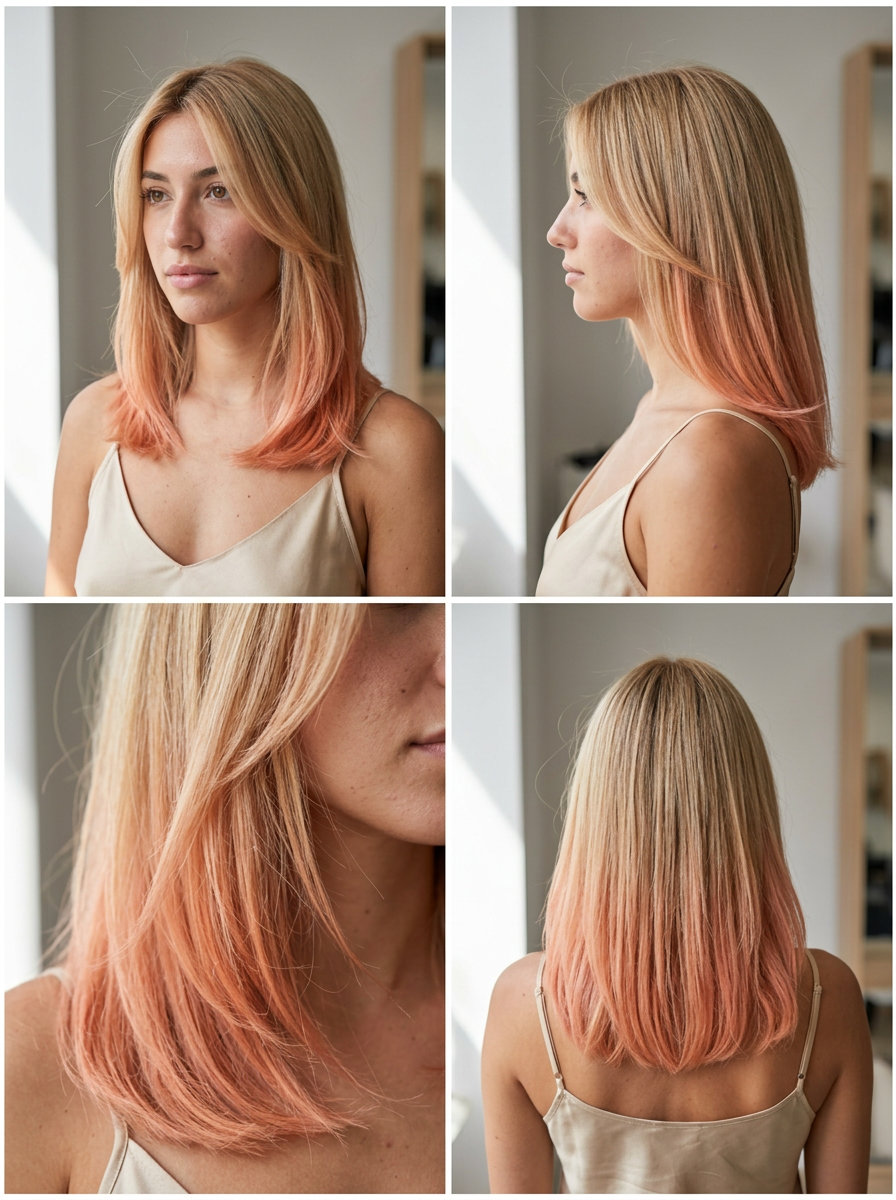
Strawberry blonde as an ends-only application is a summer color that turns heads without making you answer “Is that natural?” every time. The technique isolates warm, vibrant reds and golds to the bottom two inches. Your natural color or a neutral blonde then fades into something that looks like you spent three weeks at the beach and picked up color, not damage. It works because it reads as intentional highlighting rather than a full service, which means less pressure.
Strawberry blonde ends stayed vibrant for three weeks with color-safe shampoo used twice a week. Applying the color only to the ends gives a low-commitment pop that fades gracefully, which suits my fine hair. The fade happens in stages: brilliant in week one, a little more muted in week two and softer and more peachy by week three. That progression is part of the appeal, since you aren’t chasing one static shade. Skip it if you want something subtle, because this color is meant to be bright and saturated. It asks to be noticed. The strawberry tones work on most skin, though they really sing on fair and medium complexions. Summer in a shade.
08. Champagne Blonde Color Melt
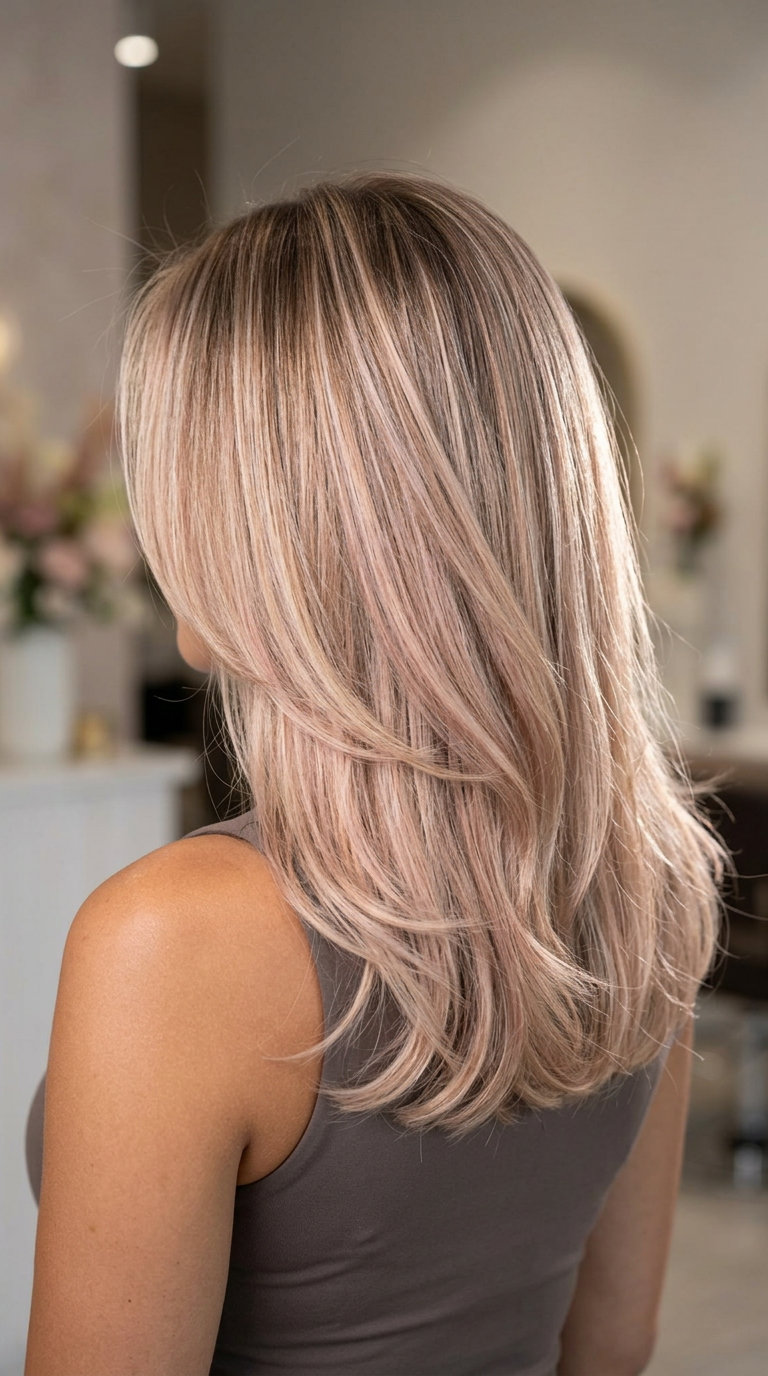
This isn’t just basic highlights, and I want to be clear about that. Iridescent micro-highlights blend with a dark vanilla root to create a shimmering, low-maintenance champagne effect that looks good whether you’re at a desk under fluorescent lights or outside in real sunshine. The micro-placement adds enough dimension that regrowth doesn’t look neglected, and that’s the real secret to how long champagne blonde lasts. It’s expensive-looking blonde that won’t require you to remortgage your house every eight weeks.
Root grow-out stayed soft and blended for ten weeks before needing a refresh, which is genuinely solid for any multi-tonal technique. The method needs a highly skilled colorist, which pushes up the cost. Expect $250 or more for the first appointment and $150 or more for refreshes. The champagne melt works because it relies on restraint. Not every strand is lifted and not every reflection catches the light at once, but the ones that do create an almost liquid effect. Sparkling, not brassy.
09. Icy Blonde Highlights
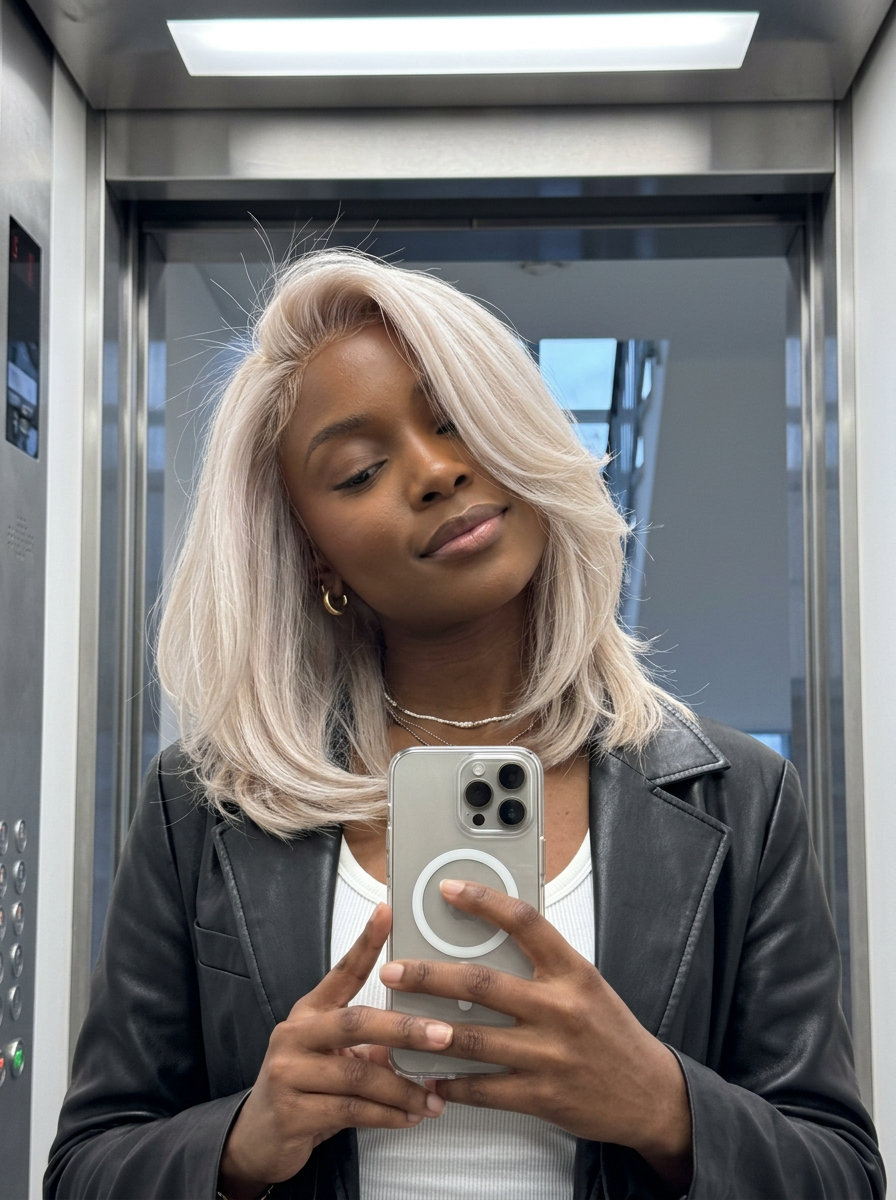
Cool enough to stop time. This is the blonde that lives at the very edge of what skin tone can support: pale, ashy and leaning slightly purple-pink in certain light. It isn’t warm, and it isn’t trying to be. The icy tone stayed vibrant for four weeks with a professional purple conditioner used once a week, so the second month turned into a champagne-silver transition rather than the brassy look most people fear.
The formula is built on a violet-based pearl toner over a pale yellow base. It neutralizes warmth and creates a translucent, shimmering cool that photographs the way you wish your real hair looked. Strategic placement through face-framing sections and mid-lengths catches the light as you talk, move and go about your day. Reaching level 10+ with minimal root shadow takes expert bleaching and can be damaging, so this is salon-only territory for anyone whose hair isn’t in good health. It flatters fair to medium skin with cool or neutral undertones, and olive, ashy and deeper cool-toned skin too. Blue and gray eyes practically glow against it. The ultimate cool girl blonde.
10. Apricot Blonde Foilyage
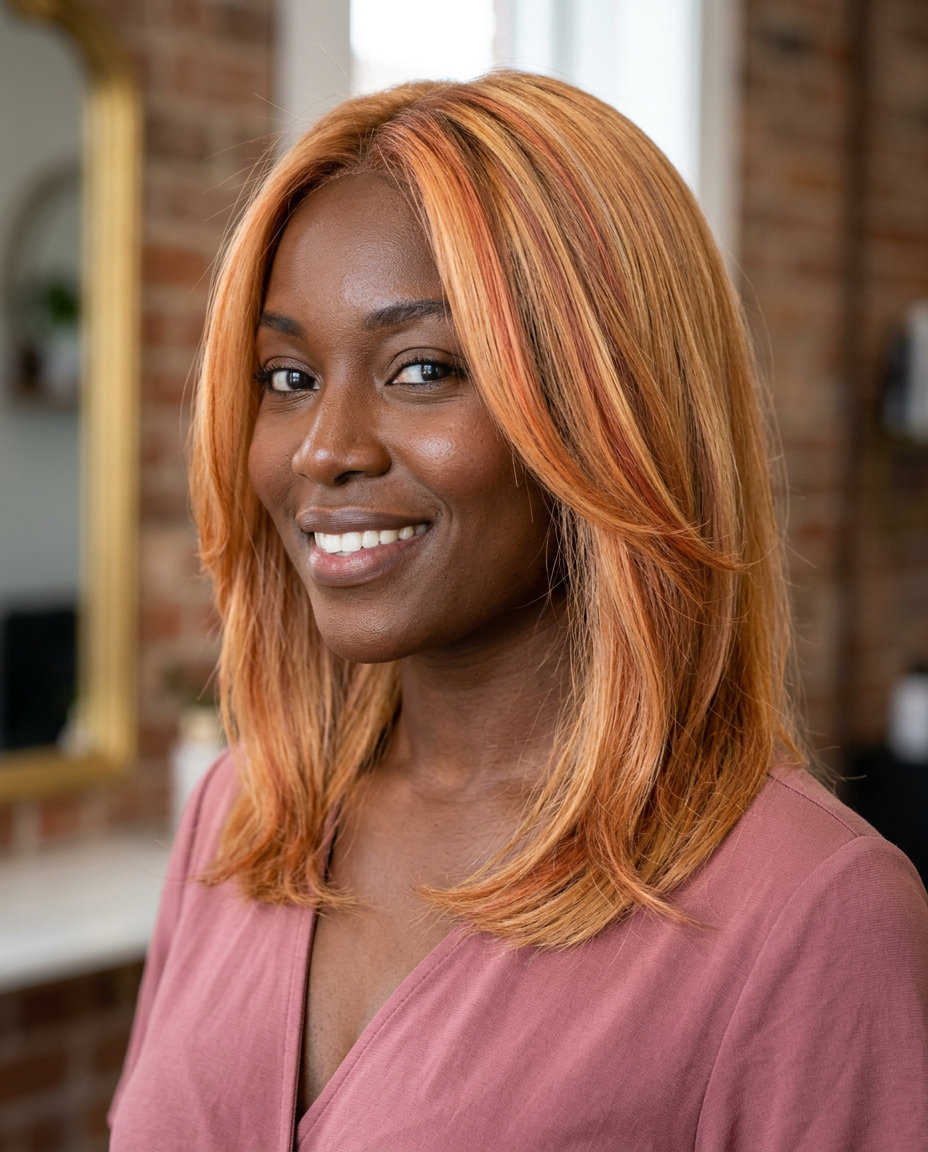
Apricot blonde isn’t a new idea, but foilyage, the hybrid of foils and balayage, is having a real moment. The method uses hand-painted placement combined with thin foil sections, so it lands somewhere between precision and softness. A warm golden base with peachy-orange ribbons gives apricot its unique glow, and a clear gloss pulls everything together for serious shine. It suits fair to medium skin, especially with golden or neutral undertones, and it looks sun-kissed without the damage that comes with traditional full foils.
Yes, the upkeep is real. Apricot blonde stayed vibrant for four weeks with sulfate-free shampoo before it needed a gloss refresh, which matches what most colorists quote. Plan on monthly glossing and budget at least $100 for it. Between visits, a purple or brass-correcting shampoo used twice a week helps the color last. Many people find it worth the effort because the grow-out is forgiving: the placement lets roots blend in rather than leaving a harsh line. Pure summer joy.
11. Golden Blonde Ombré
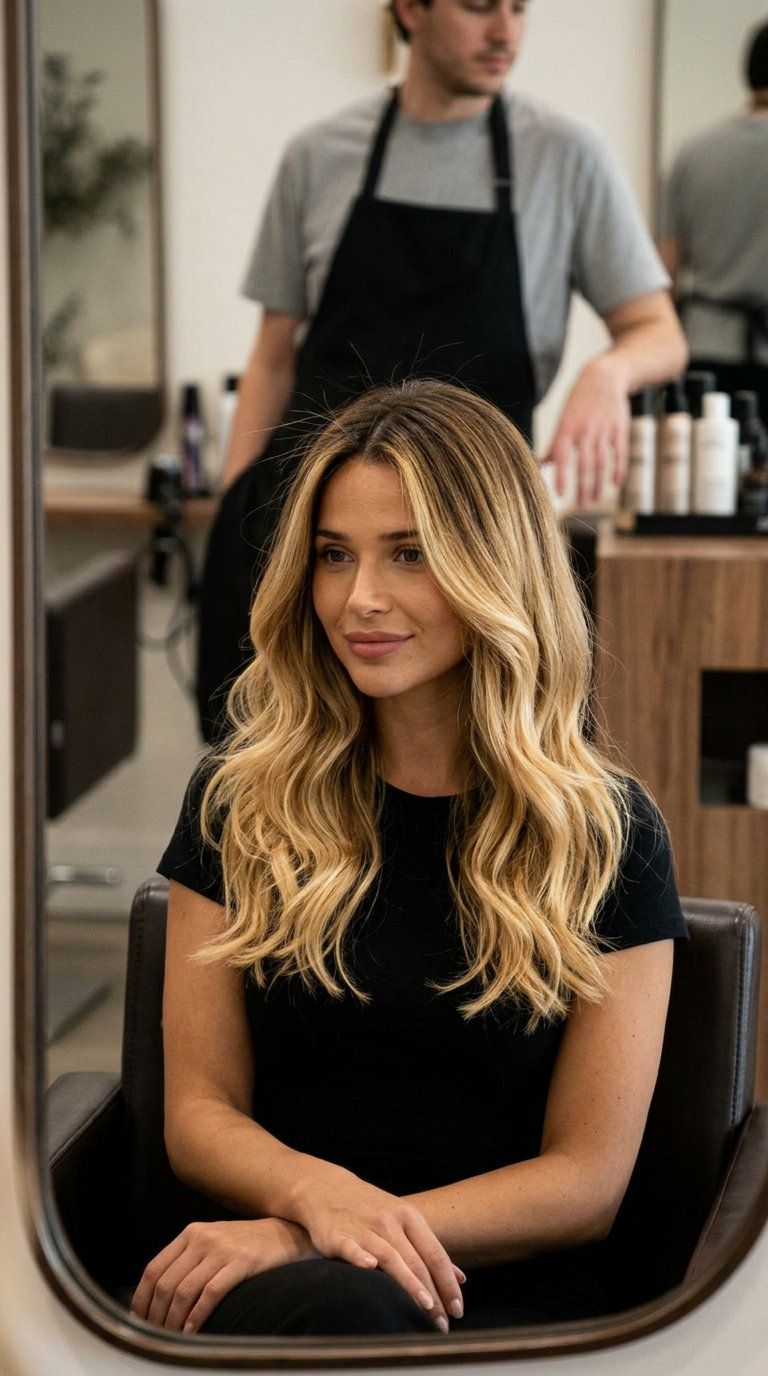
This is a gradient that actually works. It isn’t one color pretending to be two. It’s a deliberate shift from deeper roots into luminous mids and ends. The contrast is clear enough to matter but soft enough that you won’t have to explain your hair to strangers every week. The golden tones stayed vibrant for five weeks with sulfate-free shampoo and showed no brassiness, which makes the initial investment worth it if you use the right wash routine.
What sets this apart is the ombré technique with a natural root blend. It creates a seamless gradient and allows a longer grow-out without the harsh line that ruins most faded color. You get dimension without quite as much commitment, though not none. A high-contrast ombré takes four or more hours and a significant salon budget, so bring photos and a realistic timeline. The upkeep isn’t small, but it isn’t punishing if your colorist knows what they’re doing. Golden hour, always.
12. Strawberry Blonde Balayage Ideas
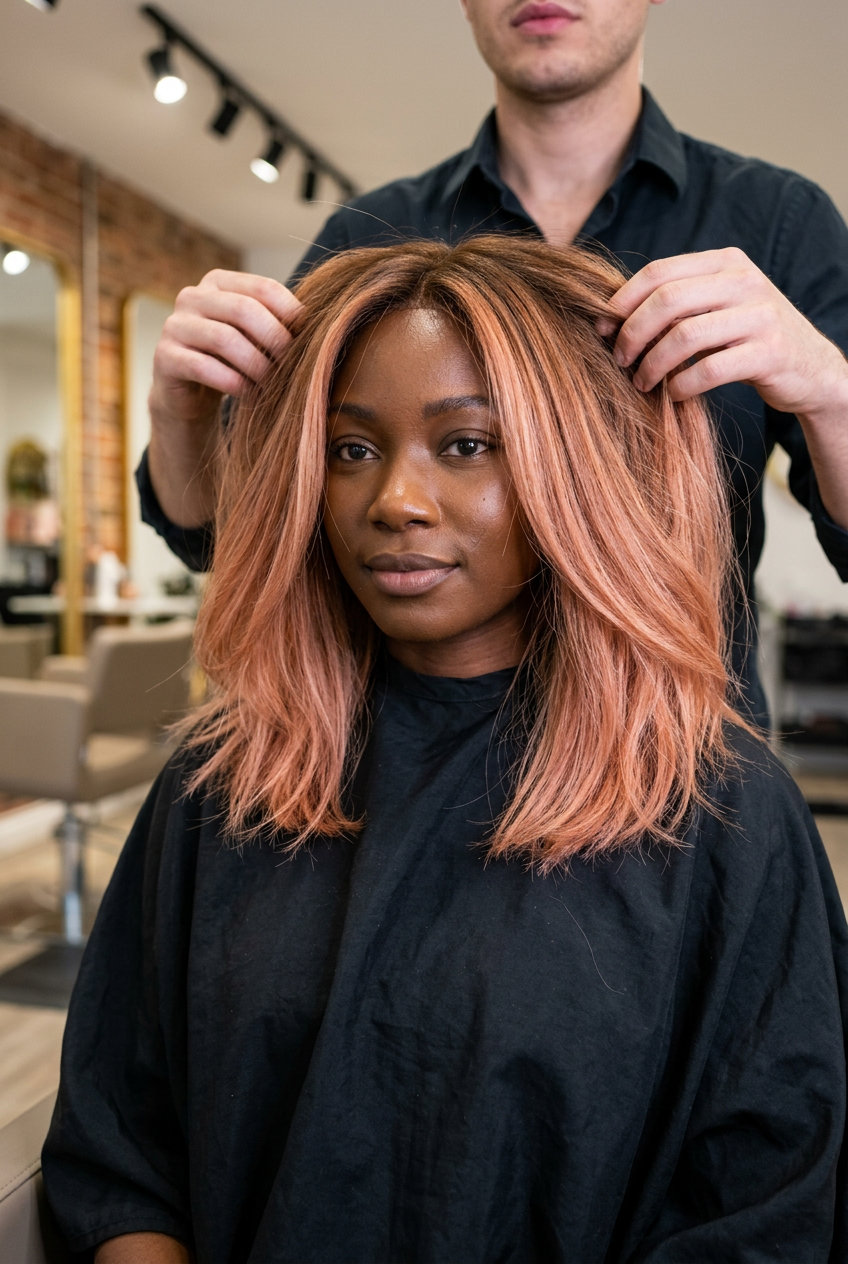
Rosy and warm without tipping into cotton-candy territory. This balayage lands between honey and rose, with enough depth in the base that it never looks like a costume. The rosy undertones faded softly over six weeks and left a pretty peachy hue. That gentle fade means you don’t have to panic-book a toner appointment in week two.
The technique is what matters here. Balayage with a natural root melt creates a soft transition, so grow-out looks graceful instead of jarring. Hand-painted placement means no stripes, just dimension that looks like you’ve been in the sun or simply had a good life. A demi-permanent gloss keeps the commitment lower, though it fades faster than permanent color, so how much upkeep you need depends on your philosophy. This suits warm skin, especially if you have brown or amber eyes that echo the honey-rosy blend. Sweet, but with an edge.
13. Smoked Vanilla Hair Color
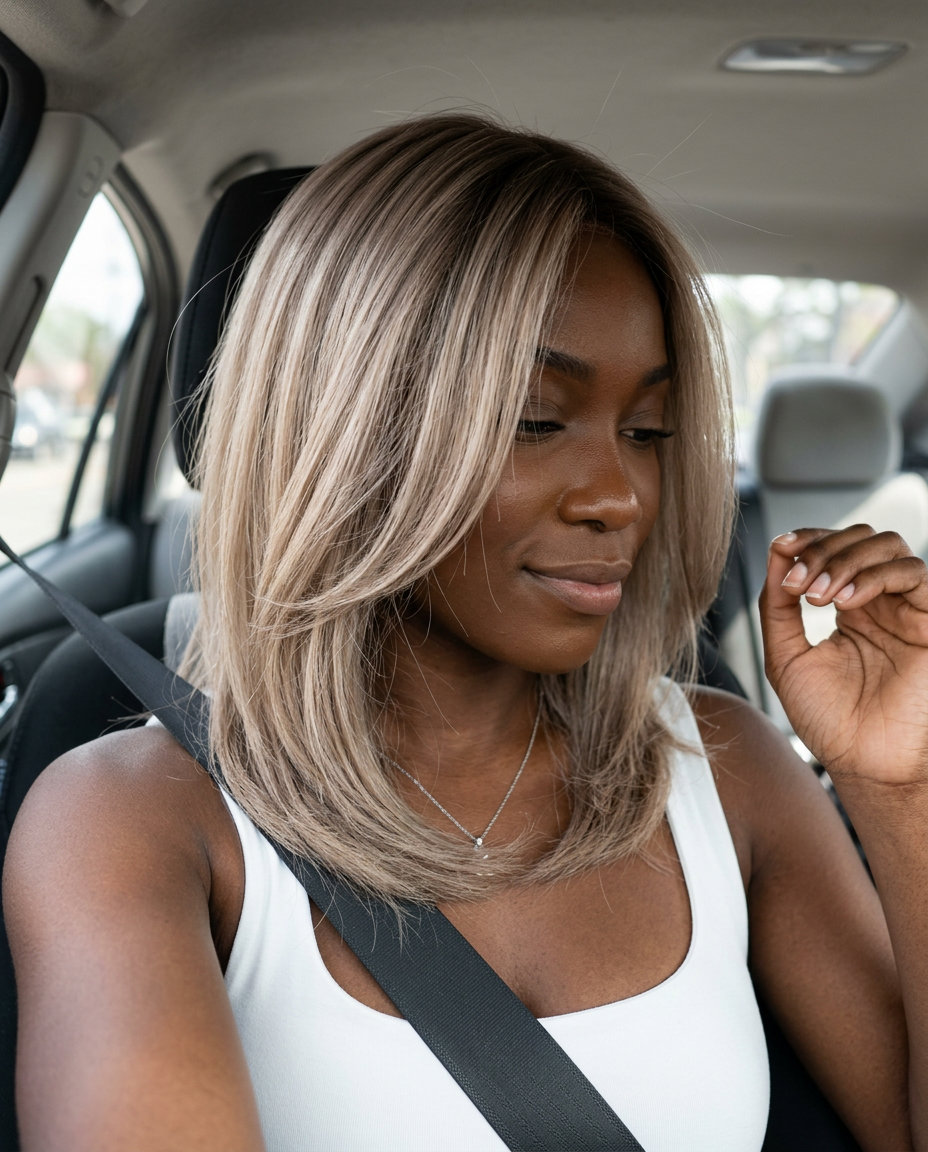
Smoked vanilla lives between true blonde and strategic greige. A root smudge with a custom ash and clear demi-permanent mix creates a muted, dimensional blonde that doesn’t look flat. It’s deliberately moody. This is the color for people who find standard blonde too bright but aren’t ready for full ash. It needs a colorist who can mix custom formulas, and not every salon offers that. You’re paying for precision here: the ratio of ash to warmth, the depth of the root and the intensity of the gloss. The root smudge blended in beautifully for eight weeks and held the cool beige tone, so you aren’t chasing brassiness every month.
Custom color mixes require an experienced colorist, and not every salon can do them, which is worth knowing before you book. The vanilla base keeps the color from reading cold or ashy on skin that has some warmth. The smoky effect comes from the custom gloss and the root smudge together, and it looks expensive because it is. The longevity makes up for the initial cost. If you want that exact shade, plan on toning every four to five weeks. That schedule is the key to keeping it looking right. The payoff is a blonde that photographs well in any light and looks intentional rather than accidental. Smoked vanilla reads as sophisticated, subtle and striking.
14. Golden Beige Balayage Long Hair
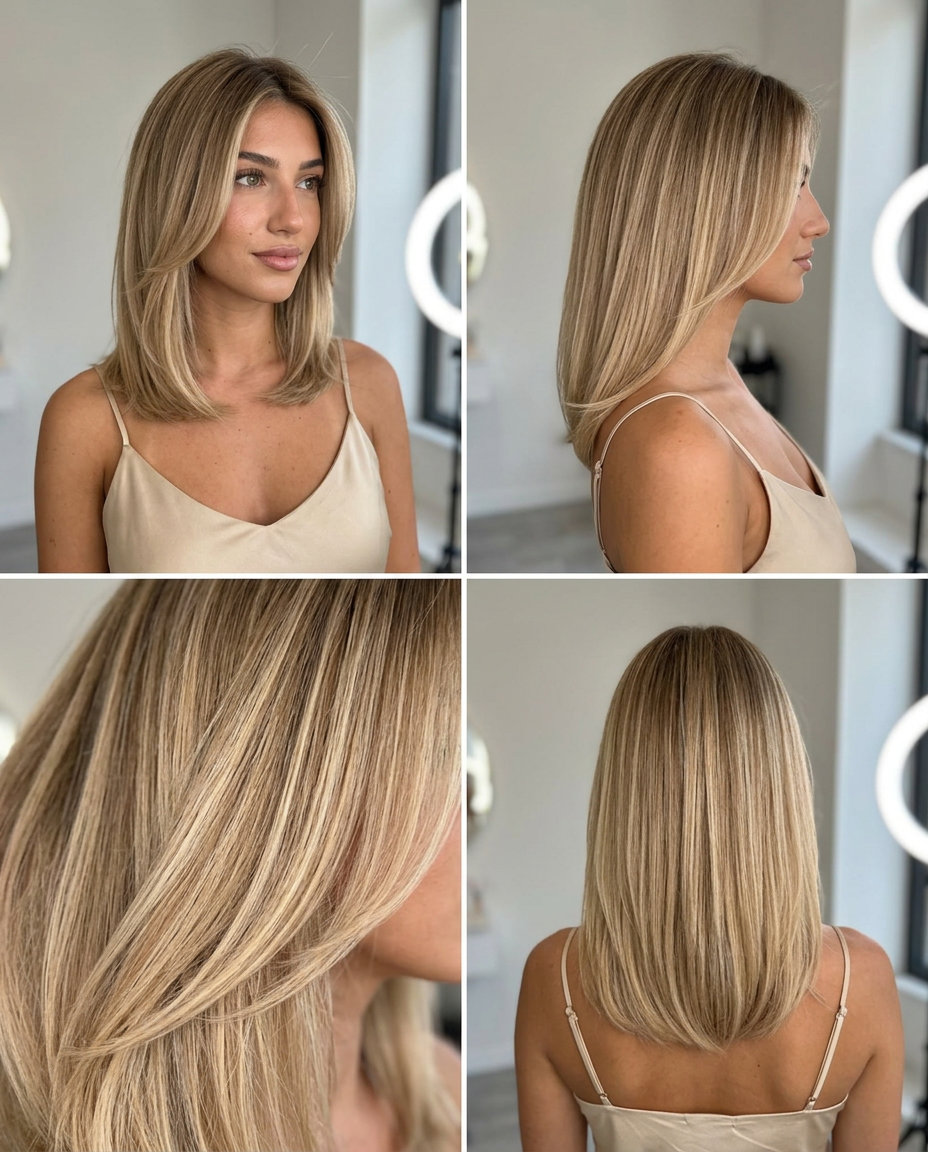
Golden beige balayage is what you get when you want blonde that doesn’t announce itself. Freehand balayage paired with a demi-permanent gloss gives a soft, creamy, non-brassy blend that looks natural, with no stripes and no regrets. The technique sits in the middle ground between highlight and shadow, which is where most people feel most comfortable. Hand-painted placement lets the colorist follow your natural dimension and work with your face shape. Long hair takes these tones especially well, because the weight of the length diffuses the color and makes it look sun-kissed rather than processed.
Golden beige balayage grew out gracefully for three months before needing a refresh, and sometimes four if your hair takes the gloss well. Skip it if you have very cool undertones, because the warmth can clash with your complexion and look muddy instead of luminous. The demi-permanent gloss is the key. It isn’t a permanent commitment, which helps if you’re testing how warm you want to go. Refresh the gloss every four to six weeks without lifting the hair again, which keeps the cost lower than a full rebalayage. People notice this blonde, and not just because of your hair. You look brighter overall. Sun-kissed, not fried.
15. Ash Blonde Root Smudge
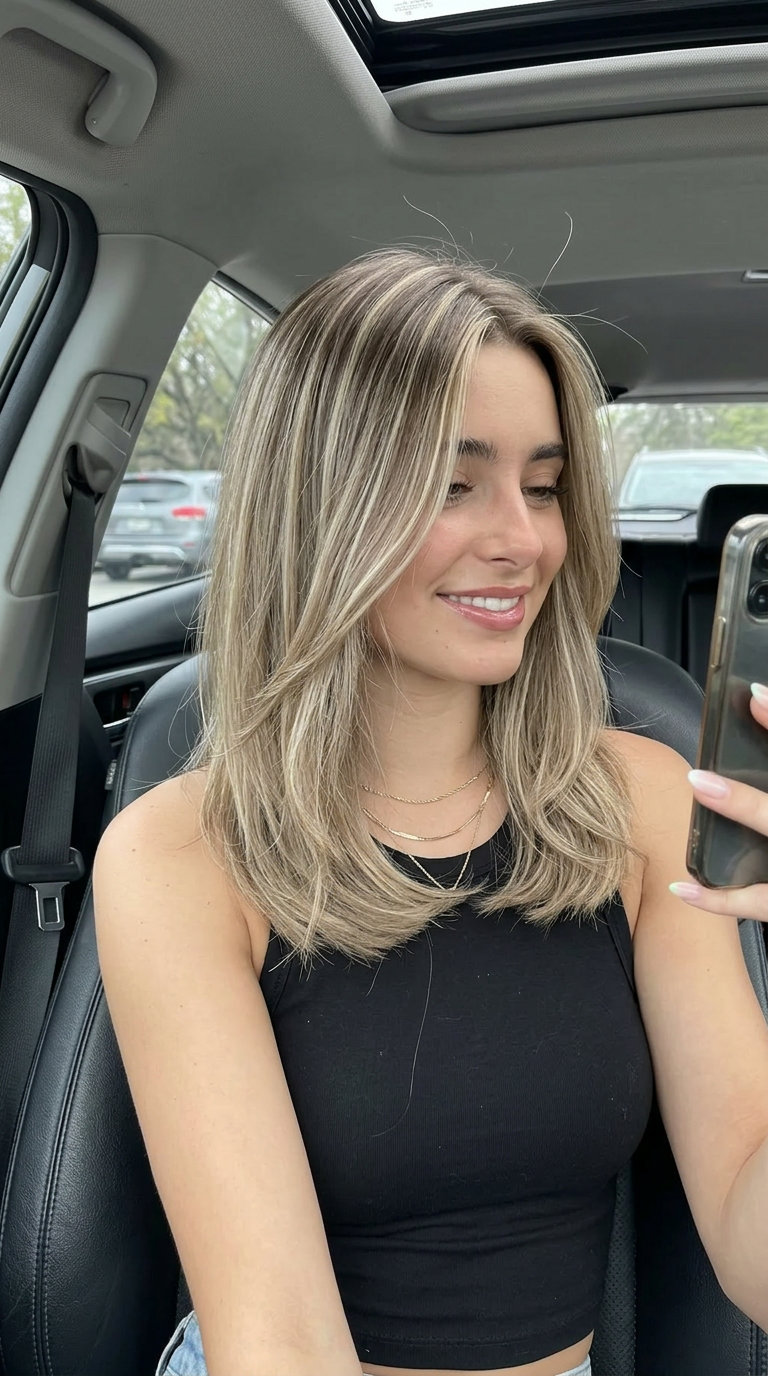
Ash blonde with a heavy root smudge is the low-maintenance play dressed up as intentional design. Here’s how it works: you commit to a cool, ashy blonde through the mid-lengths and ends, but instead of a hard line at the roots, your stylist blends two to three inches of cooler shadow down from your natural color. The gradient looks like it was meant to be there, so regrowth doesn’t read as regrowth. It reads as part of the plan. A heavy ash-brown root smudge gives a seamless, low-maintenance grow-out and extends time between salon visits. It stayed fine for ten weeks before needing a touch-up, which changes the math on blonde maintenance.
The strategy works because ash tones are cool enough to look intentional even where they blend into darker bases. You’re basically saying, “This fade is on purpose.” The trade-off is real, though. Cool ash tones need purple shampoo weekly to stop brassiness, and a consultation is probably worth it. Purple shampoo becomes non-negotiable, but a $15 bottle that lasts eight to ten weeks is cheaper than $200 salon visits every four weeks. It’s the lived-in summer blonde for people who would rather invest in a product routine than salon frequency. Effortless sophistication.
Still Deciding? Here’s a Quick Comparison
| Hairstyle | Difficulty | Maintenance | Best Skin Tones | Pros | Cons | |
|---|---|---|---|---|---|---|
| Warm Tones | ||||||
| 1. Apricot Blonde Foilyage | Moderate | Medium — every 10-12 weeks | fair to medium skin tones, especially those with golden or neutral undertones, and individ | Works on multiple textures | Not ideal for very curly hair |
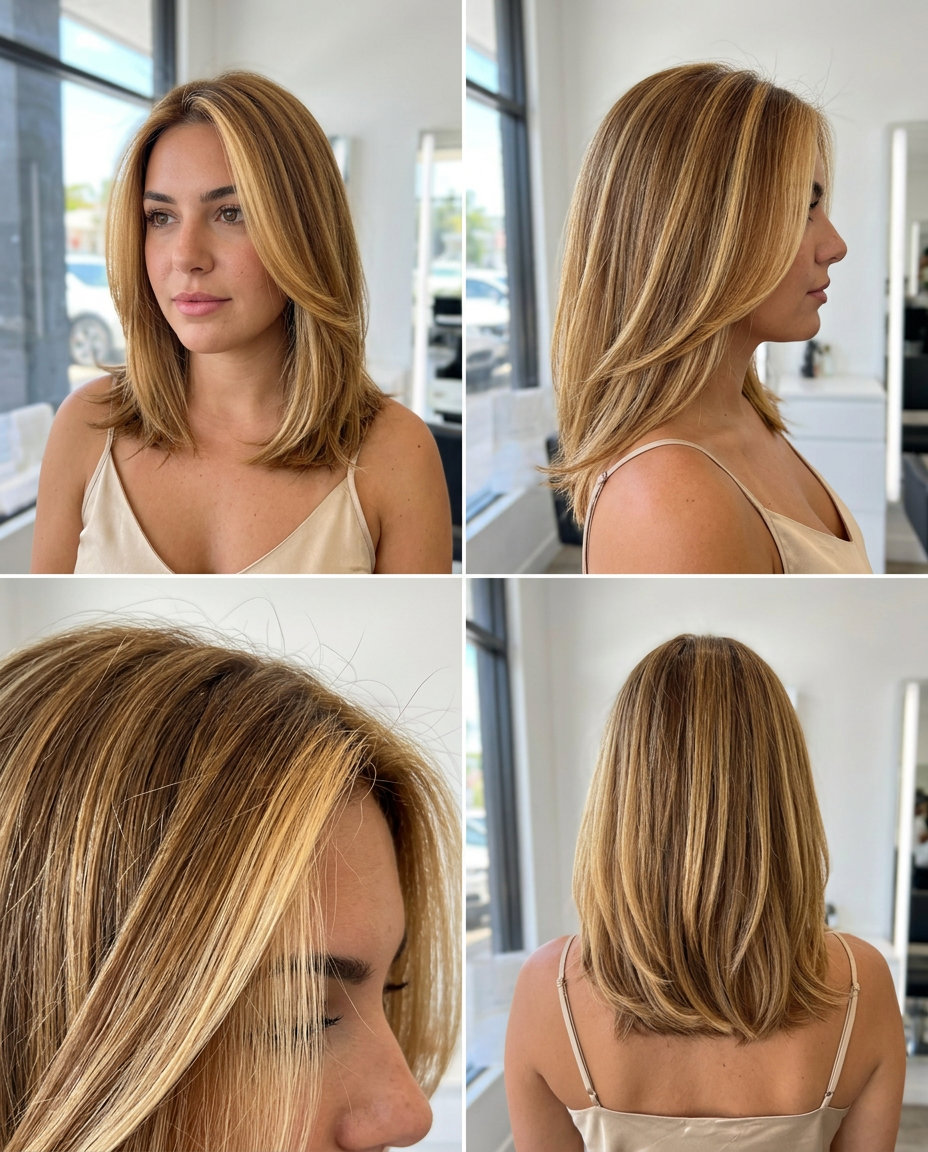 | 3. Honey Blonde Money Pieces | Easy | Low — every 8-10 weeks | warm fair, medium, and olive skin tones | Low maintenanceEasy to style at homeSuits most face shapes | Not ideal for very curly hair |
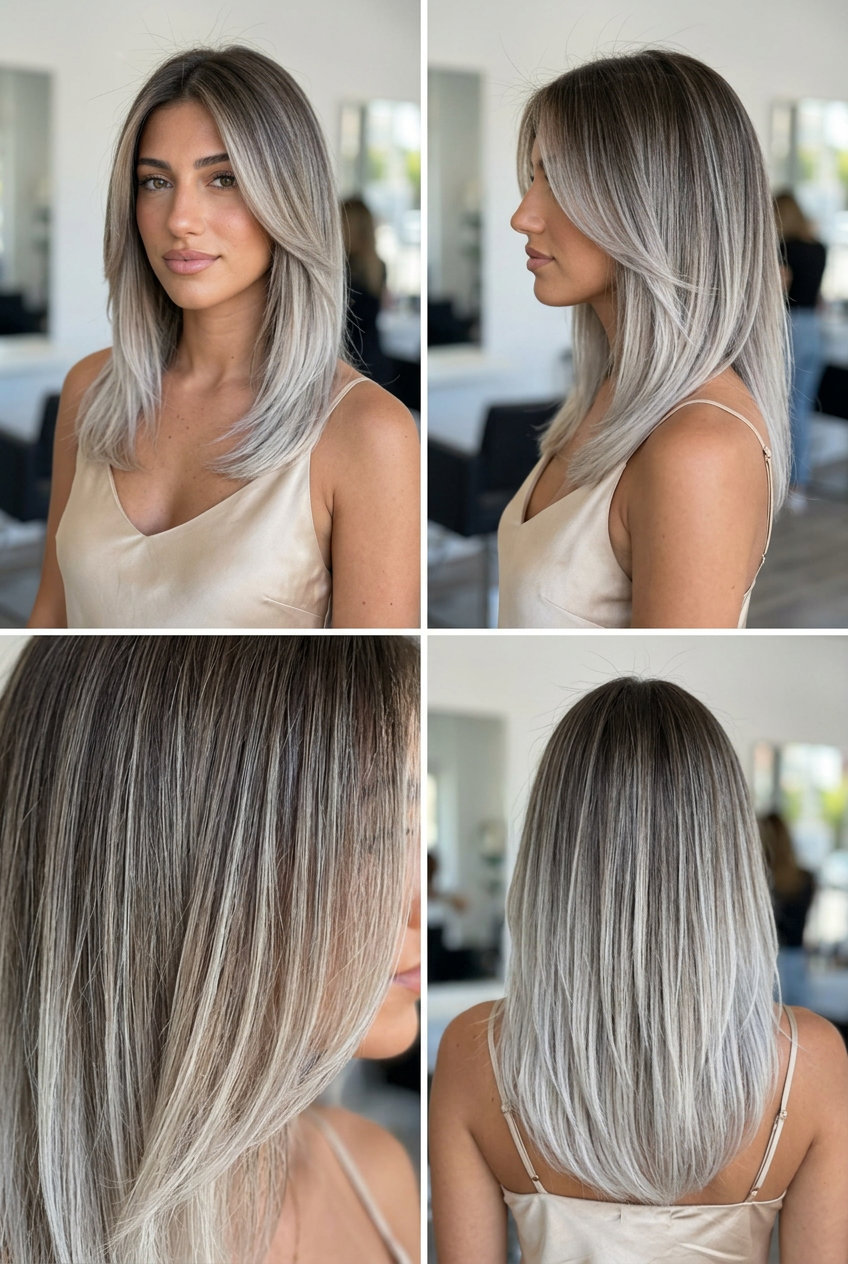 | 4. Ash Blonde Reverse Ombré | Moderate | Medium — every 6-8 weeks | cool, neutral, and olive skin tones | Suits most face shapesWorks on multiple textures | Not ideal for very curly hair |
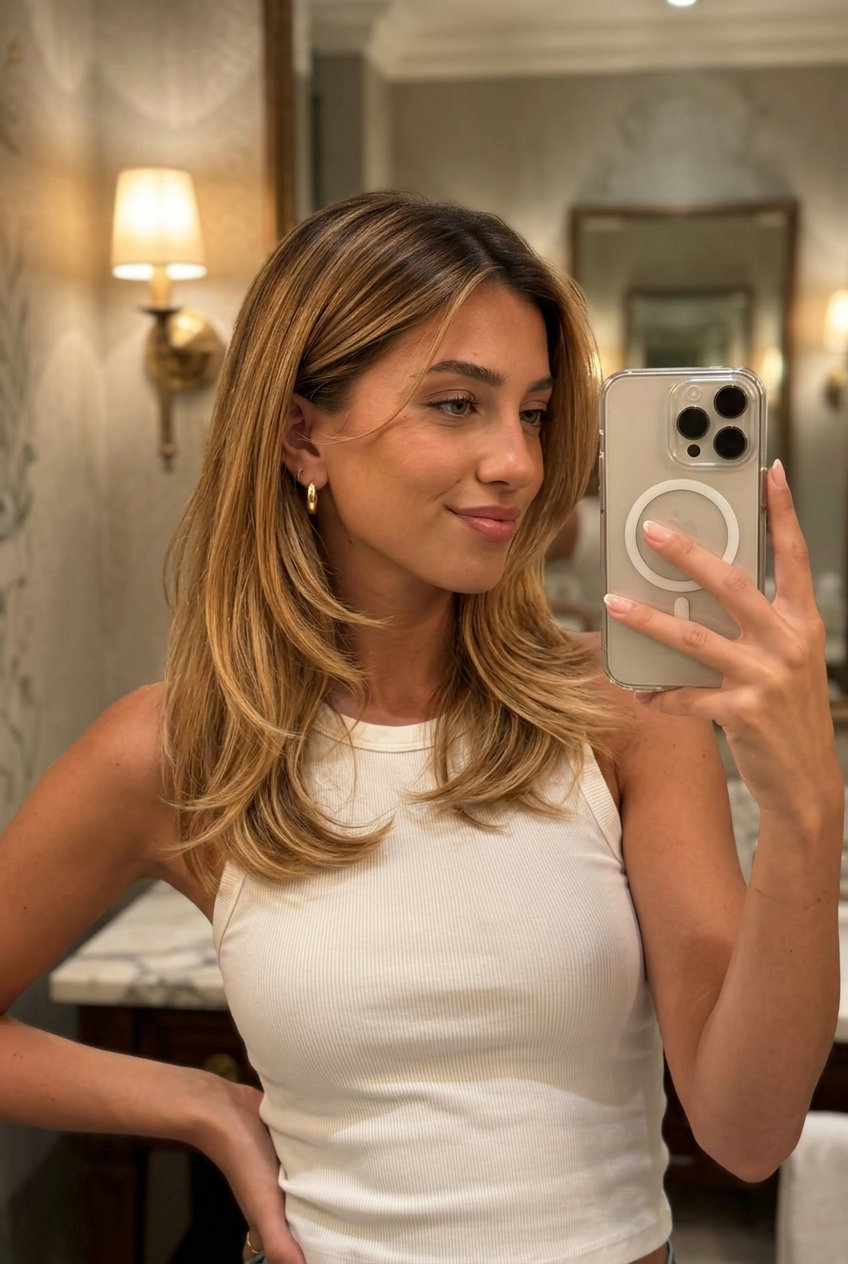
 | 5. Buttercream Blonde Balayage | Moderate | Medium — every 8-10 weeks | fair skin with warm undertones, medium skin tones, and those with a slight tan | Suits most face shapesWorks on multiple texturesNatural-looking dimension | Not ideal for very curly hair |
| 7. Golden Beige Balayage | Moderate | Low — every 12-16 weeks | warm fair to medium skin, olive skin | Low maintenanceSuits most face shapesWorks on multiple textures | Not ideal for very curly hair |
| 9. Strawberry Blonde Face-Framing | Moderate | Medium — every 5-6 weeks | fair and pale skin tones, especially those with freckles or a tendency to flush | Suits most face shapesWorks on multiple textures | Not ideal for very curly hair |
| 10. Mushroom Blonde 2.0 Root Smudge | Moderate | Medium — every 10-12 weeks | cool, olive, and neutral skin tones | Suits most face shapesWorks on multiple texturesSubtle sun-kissed effect | Not ideal for fine hair |
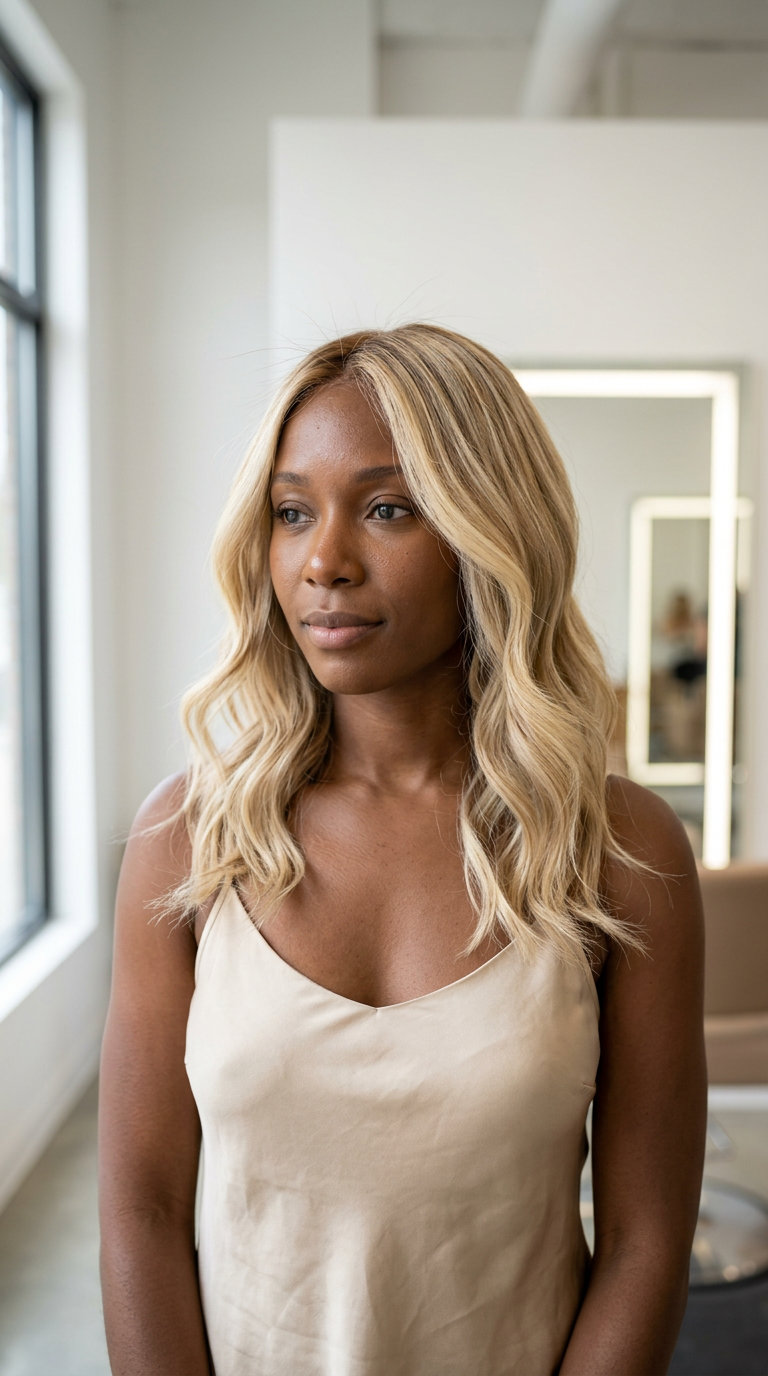
 | 11. Nectar Blonde Balayage | Moderate | Low — every 8-10 weeks | medium to deep skin tones with warm or neutral undertones, olive skin | Low maintenanceWorks on multiple textures | Not ideal for fine hair |
| 12. Platinum Blonde Sculpted Pixie | Salon-only | High — every 3-4 weeks | cool fair to medium skin | Suits most face shapesWorks on multiple textures | Requires professional styling |
| 13. Apricot Blonde Textured Bob | Moderate | Medium — every 5-6 weeks | fair skin with warm undertones, pale skin with freckles | Suits most face shapesWorks on multiple textures | Not ideal for very curly hair |
| 14. Champagne Toast Color Melt | Moderate | Medium — every 8-10 weeks | fair to medium skin tones, especially those with neutral or cool-neutral undertones | Suits most face shapesWorks on multiple textures | Not ideal for very curly hair |
| 16. Dramatic Golden Blonde High Contrast Ombré | Moderate | Medium — every 8-12 weeks | warm medium, olive, and deeper skin tones | Suits most face shapesWorks on multiple textures | Not ideal for very curly hair |
| 18. Diffused Strawberry Blonde Balayage | Moderate | Medium — every 12-16 weeks | fair, pale skin tones with warm undertones or freckles | Suits most face shapesWorks on multiple texturesNatural-looking dimension | Not ideal for very curly hair |
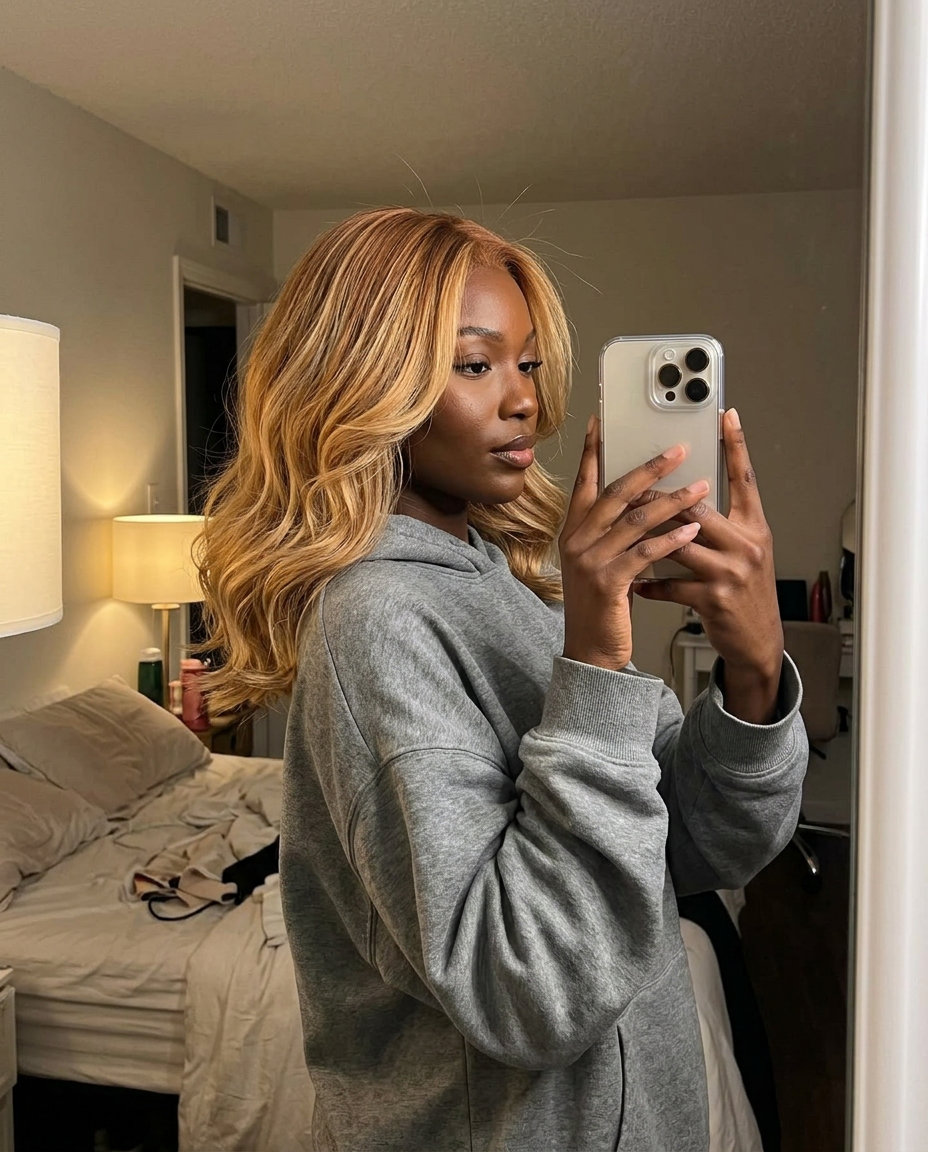 | 19. Dark Honey Blonde Color Melt | Moderate | Medium — every 10-14 weeks | medium to dark skin with warm/neutral undertones | Works on multiple textures | Not ideal for very curly hair |
| 20. Icy Blonde Foilayage | Salon-only | High — every 4-6 weeks | fair to medium skin with cool or neutral undertones | Suits most face shapesWorks on multiple texturesLow-maintenance roots | Requires professional styling |
| 22. Strawberry Blonde Dip-Dye | Moderate | Medium — every 4-6 weeks | fair to medium skin with warm/neutral undertones | Works on multiple textures | Not ideal for very curly hair |
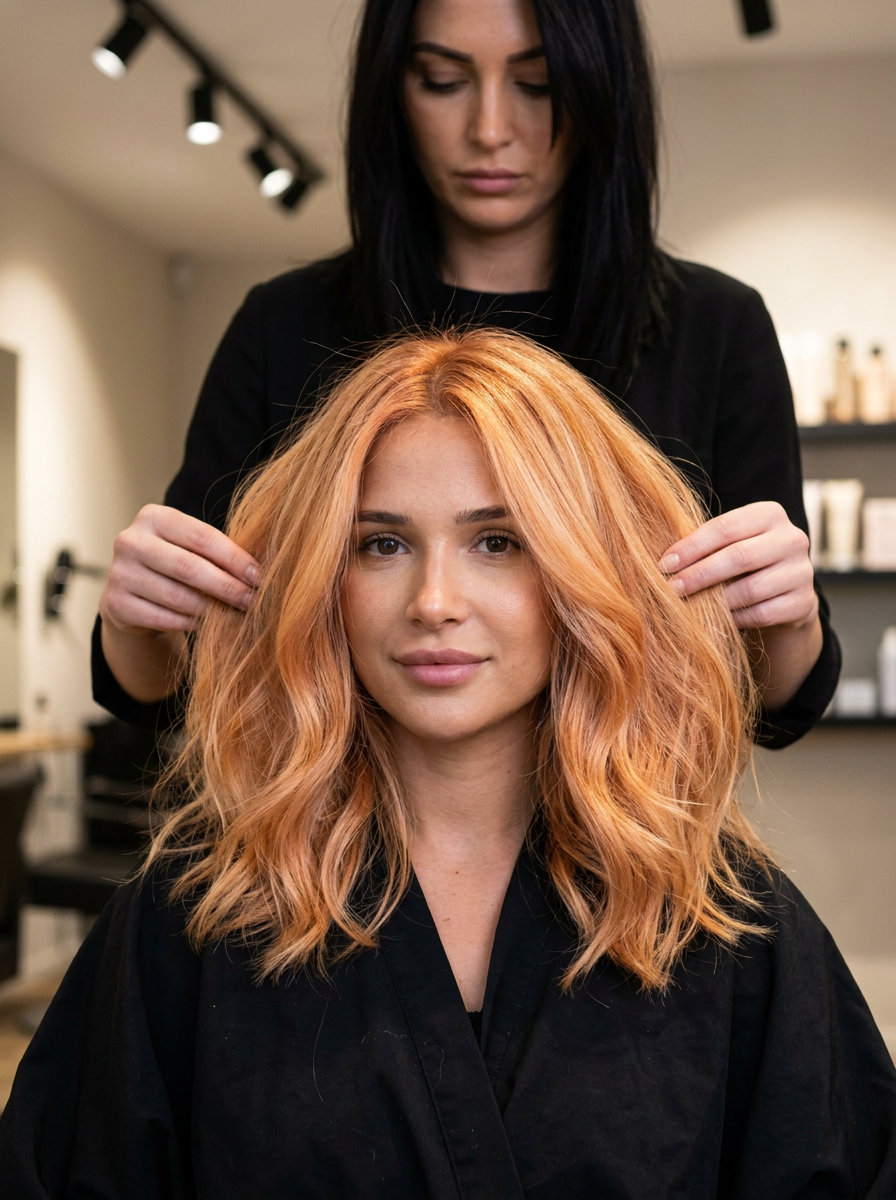 | 23. Playful Apricot Blonde Tousled | Moderate | Medium — every 8-10 weeks | fair skin, pale skin with freckles, or those with warm/neutral undertones | Works on multiple textures | Not ideal for fine hair |
| Cool Tones | ||||||
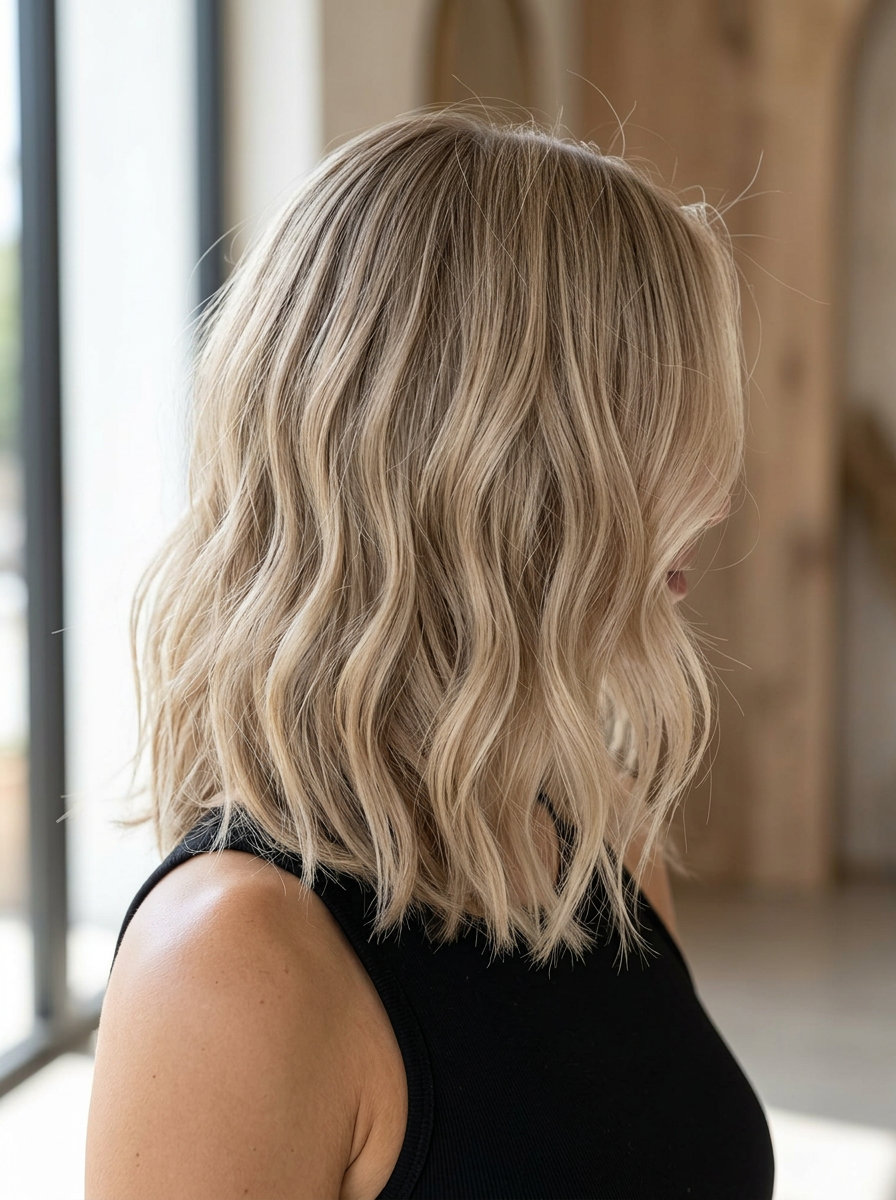 | 2. Linen Blonde All-Over | Moderate | Medium — every 8-10 weeks | all skin tones due to its perfectly neutral balance | Suits most face shapesWorks on multiple textures | Not ideal for very curly hair |
| 6. Icy Birch Babylights | Salon-only | High — every 4-5 weeks | cool skin tones, especially fair to light-medium complexions | Suits most face shapesSubtle sun-kissed effect | Requires professional styling |
| 8. Smoked Vanilla Blonde | Salon-only | Medium — every 6-8 weeks | cool and neutral skin tones, olive complexions | Suits most face shapesWorks on multiple textures | Requires professional styling |
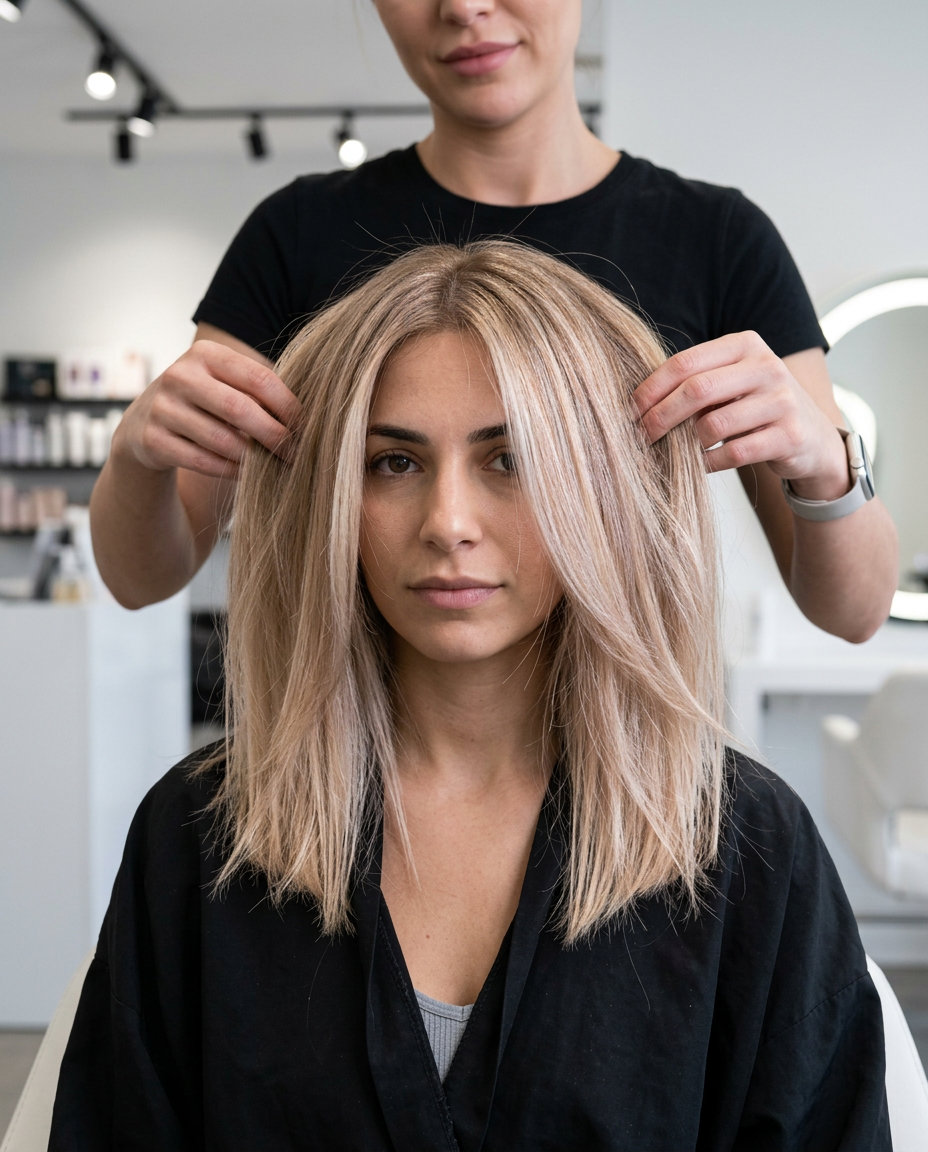 | 15. Luminous Champagne Blonde Color Melt | Salon-only | High — every 4-6 weeks | fair to medium-neutral skin tones | Suits most face shapesWorks on multiple textures | Requires professional styling |
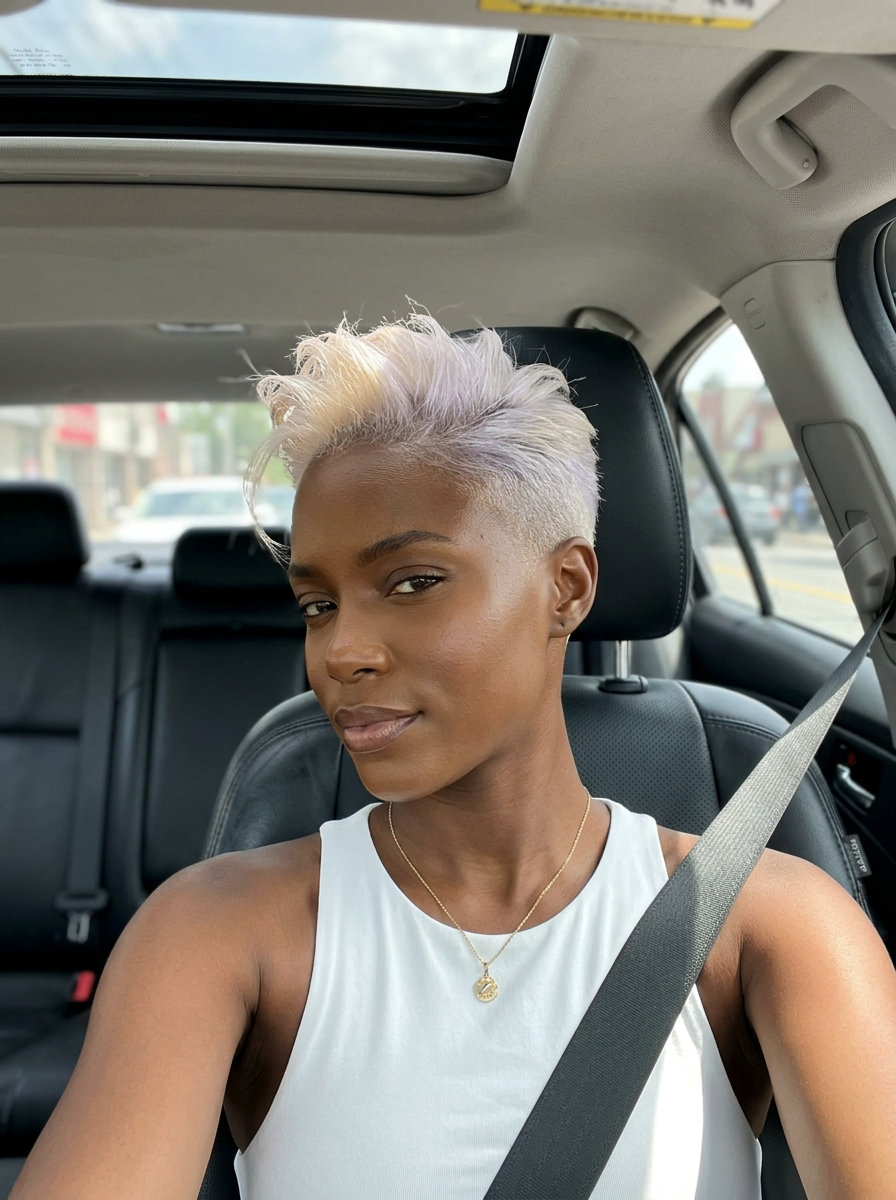 | 17. Platinum Blonde Clipper Fade | Salon-only | High — every 3-4 weeks | cool and neutral skin tones | Suits most face shapesWorks on multiple textures | Requires professional styling |
 | 21. Platinum Pearl Dip-Dye | Salon-only | High — every 3-4 weeks | cool undertones in fair to medium skin | Works on multiple textures | Requires professional styling |
| 24. Subtle Mushroom Blonde Babylights | Moderate | Medium — every 10-12 weeks | cool, olive, and neutral skin tones | Suits most face shapesWorks on multiple texturesSubtle sun-kissed effect | Not ideal for very curly hair |
| 25. Creamy Blonde Scandi Hairline | Salon-only | Low — every 8-10 weeks | all skin tones | Low maintenanceSuits most face shapesWorks on multiple textures | Requires professional styling | |
16. Buttercream Blonde Balayage
Balayage with soft, warm tones feels especially right in summer. Buttercream blonde balayage uses hand-painted placement to build creamy, warm shades that blend seamlessly. Subtle babylights and lowlights add dimension and a soft root blend that makes grow-out easy. Lighter sections run through the mid-lengths and ends while the roots stay a little deeper, which gives you dimension that looks lived-in rather than maintained. Fair to medium skin with warm or neutral undertones gets the most natural result, and this warm palette suits a wider range of skin tones than cooler blondes.
Balayage grew out seamlessly for three months with no harsh line, needing only a gloss, so a consultation is probably worth it. That’s the real advantage: the soft root blend means you aren’t chasing regrowth lines. The initial placement costs $150 to $200, and a gloss refresh every six to eight weeks runs $50 to $80, which makes it one of the more sustainable blonde investments. You’ll want a color-depositing shampoo that corrects yellow, not purple, to keep the warmth, but you don’t need to follow a strict weekly routine. Pool time, salt water and chlorine happen in summer, and this blonde handles them better than precision techniques do. Creamy and easy.
17. Ash Blonde Reverse Ombre
Reverse ombre flips the usual dark-to-light gradient. Here a deeper cool root melts into icy ash blonde ends. It’s bold, it reads younger, and it fully commits to a cool-toned look. The deep root transitions into icy ends, which adds depth and brightness without any unwanted warmth. Most skin tones can pull it off, but cool undertones get the most polished result. It photographs beautifully because the contrast is intentional and designed to stand out, not to blend in.
The icy ash tone stayed cool and free of brass for seven weeks with blue shampoo, even in hard water, which is impressive for a light blonde. It isn’t a good fit for warm skin, since the cool gradient will wash you out. The technique depends on a skilled colorist, because the ombre placement has to be precise. A muddy transition ruins the effect. Maintenance means a blue-depositing shampoo each week, which some people love and others find fussy. Initial placement runs about $200 to $250, and touch-ups every eight to ten weeks cost $100 to $150. It’s a statement, and it asks you to show up for it. Strikingly cool.
18. Honey Blonde Money Pieces Summer
Money pieces are bold, golden highlights that frame the face, and they aren’t trying to be subtle. The technique places warm honey-blonde sections right at the temples and around the perimeter of the face, which creates instant contrast against a natural base. The effect is high-impact brightness that still sits on a natural foundation. This suits anyone who wants a visible change without committing to full blonde. Fair to medium skin shows them off most, but anyone with warm undertones can wear them. It’s quick and flattering, and you can keep it light with just a few foils or go bolder if you feel like it.
Golden money pieces brightened the face right away and held their pop for five weeks before needing a tone. They require precise application and can get pricey to maintain. A money-piece touch-up runs $60 to $120 depending on the salon, which adds up if you book every four to six weeks. The upside is that the rest of your hair stays natural, so you aren’t fighting brassiness across your whole head. Because the highlights sit where they’re most visible, they frame your face exactly where you want them. An instant face brightener.
19. Luminous Summer Blonde
This is blonde ambition in its final form. A seamless color melt from a natural base to high-lift ends creates luxurious depth and shine without harsh lines. It’s the kind of look that makes people ask whether you’re naturally blonde, which is both the goal and the trap of this color. The luminous finish held for six weeks with good at-home care before it needed a gloss, which means part of the work is yours: purple shampoo twice a week, a hydrating mask every other wash and heat protectant before you style. It isn’t suited to very damaged hair, because luminosity needs healthy strands. Dull, compromised texture will kill the effect, however skilled your colorist is.
The technique matters more than any single product here, but the result is arguably the most expensive-looking blonde in the summer lineup. It works on fair to medium-neutral skin, and it complements blue, green and hazel eyes with almost unfair precision. Everything about the luminous summer blonde looks like a deliberate investment, and a consultation is probably worth it to get the placement right. This is what expensive blonde looks like.
20. Platinum Blonde Undercut
Maximum impact, maximum demand. This is the cut and color combo that stops conversations because it refuses to blend in. A sharp, clean undercut meets a neutral platinum that doesn’t apologize for itself. Platinum held its cool tone for three weeks with purple shampoo used twice a week. Yes, that’s a real commitment, and it’s a lot to ask of a trend.
Here’s the science: an intense violet toner on level 10+ lift neutralizes yellow and produces a stark, uniform platinum. Your stylist is doing more than toning. They’re creating a shade that sits at the edge of what hair can handle without serious damage. Skip it if you can’t commit to toning every two weeks and touch-ups every month, because root shadow will read as gray rather than intentional contrast. The undercut sides grow fast, so trim every four to six weeks to keep the lines sharp. Bold. Unapologetic. Platinum.
21. Nectar Blonde Balayage
This is the blonde that doesn’t fight for attention. It glows quietly from within. Multi-tonal application starting from a natural base builds depth and a soft, blended grow-out that doesn’t scream “touch-up needed” the moment week five arrives. The warmth sits somewhere between honey and apricot and flatters medium to deep skin with warm or neutral undertones, olive skin especially. Think of it less as a color choice and more as insurance against bad blonde decisions.
The color kept its warmth for eight weeks with a single gloss refresh at week four, which feels like winning the lottery in blonde maintenance terms (it’s the perfect vacation hair). The multi-dimensional effect means your hair catches light differently depending on the angle. Sunlight hits one way and indoor light another, and both look intentional rather than like you forgot to book. It isn’t ideal for very cool skin, though, since the warmth can clash with silver or ash undertones. The key is to ask your stylist for hand-painted placement starting at mid-lengths and let your natural regrowth anchor the look. Sun-kissed perfection.
22. Dark Honey Blonde Balayage
A warm blonde that works on deeper base tones. This isn’t a light blonde with darker roots. It’s a medium brown painted with honey and gold, landing somewhere between natural color and real shine. Root shadow stayed acceptable for ten weeks between salon visits before it needed a refresh, so you can live your life between appointments instead of camping in the chair.
The root melt gives you seamless, natural-looking grow-out, and it stretches the time between appointments because the progression looks deliberate rather than neglected. Balayage on darker hair needs thicker sections and warmer tones to show up. Thin, bright pieces will disappear into the base, so a skilled colorist is essential and a consultation is probably worth it. It isn’t for cool skin, because strong warm undertones will clash and leave you looking muddy rather than luminous. The balayage softens everything, including your face, your features and the way light moves through your hair. Liquid gold hair.
23. Platinum Dip Dye Blonde Ends
Platinum goes extreme when you dip only the bottom third in heavy toning. This isn’t a subtle technique. It’s a statement about commitment. A dip-dyed blonde end takes standard platinum and pushes the cool, metallic finish even harder by putting intense pearl gloss exactly where it shows. The result is ends that catch the light like real metal. You get a deliberate visual break between your roots or midtones and a shimmering platinum base that refuses to yellow.
Here’s what happens in practice: heavy toning with iridescent pearl gloss prevents yellowing and gives an opalescent, shimmering platinum finish. The pearl gloss kept platinum ends free of yellow for four weeks with sulfate-free shampoo, which is solid real-world hold without extra work. But platinum costs $300 or more up front and needs monthly toning, so budget for it. It’s a serious commitment. The dip requires a skilled hand, since your stylist has to blend the transition so it looks intentional rather than damaged. This is salon-only work. No at-home toning paste will get you there safely.
The visual payoff is undeniable. Against sun-bleached midtones or darker roots, the dipped platinum adds depth instead of flatness, and it photographs like real jewelry. But this is maximum-commitment hair, the kind you need to book every four weeks or else accept a slow fade into champagne. Not for the faint of heart.
24. Linen Blonde Hair Color
Linen blonde is the understated choice. It’s still blonde, but it’s quiet: cool, neutral and close to greige. Fine babylights create even lift, and a custom beige toner removes the yellow for that soft linen shade. The result looks sophisticated and a bit muted, which sounds dull until it catches the light. Fair and medium skin with neutral undertones suits it best, though it works on a wider range of skin than warmer blondes do. This is the blonde that makes people ask what you did, because it changes your whole look, not just your hair.
The linen tone stayed neutral, without brassiness, for six weeks with weekly purple shampoo, though that also means more trips to the chair. Skip it if you dislike frequent salon visits, because the multi-step process demands precise technique and regular toner upkeep. Babylights take longer than standard highlights, usually three to four hours, and the toning needs a stylist who really understands cool neutrals. Once it’s in, though, it’s less fussy than apricot. No gloss is needed if you stay on top of the purple shampoo. Sophisticated, understated blonde.
25. Apricot Ribbons Balayage
Apricot ribbons are how you get summer depth without looking flat. Instead of one blonde, you weave warm peach, soft gold and pale cream through the mid-lengths and ends. The result mimics sun exposure that built up gradually over months rather than hours. The technique places ribbons of color, not panels, through the hair so they catch movement. Peach and apricot ribbons woven through a warm blonde base create multi-dimensional, sun-drenched vibrancy. It feels intentional without looking overdone, and the execution matters more than the label.
Apricot ribbons stayed bright for five weeks with a weekly color-depositing conditioner, which extends vibrancy beyond what you’d get without it. Warm shades like apricot fade faster and need a gloss refresh every four to six weeks. That’s the price of warmth: the color fades, but the upkeep is predictable. You’re buying a five- to six-week window rather than a ten-week shade. The payoff is real dimension. Photos show movement instead of a flat wall of blonde. Against skin, apricot ribbons warm the face without the heaviness of full warm blonde. Part of the tousled summer effect comes from placement and part from the natural texture variation these ribbons create. Pure sunshine.
Frequently Asked Questions
How can I get a sun-kissed blonde look at home without permanent dye?
Temporary color like hair chalk works beautifully for mimicking sun-kissed effects on specific strands—think Apricot Blonde Foilyage or Honey Blonde Money Pieces. Apply chalk to face-framing sections or scattered ribbons, then style with loose waves to blend the effect. For a longer-lasting approach without full-color commitment, ask your stylist about demi-permanent glosses that refresh existing blonde tones between salon visits.
What DIY styling tips enhance cool or neutral blonde tones?
Sleek, polished styling amplifies cool tones like Linen Blonde All-Over and Ash Blonde Reverse Ombré by emphasizing uniformity and shine. Use a color-safe, sulfate-free shampoo to prevent stripping, and apply an at-home in-shower gloss every 2–3 weeks to refresh cool pigments. For Ash Blonde specifically, avoid purple shampoo if your tone leans warm; instead, let the gloss do the toning work.
Can I really mimic balayage or foilyage effects at home with styling?
Yes—styling creates the illusion. For Buttercream Blonde Balayage, loose waves and curls blend existing highlights seamlessly and hide regrowth. For Apricot Blonde Foilyage or Strawberry Blonde Dip-Dye, temporary hair chalk on specific strands mimics painted-on color without commitment. The key is understanding that balayage and foilyage are about dimension, not perfection—your styling either emphasizes or softens that contrast.
What’s the easiest summer blonde style for beginners?
Honey Blonde Money Pieces is the most beginner-friendly because it focuses on brightening just the face-framing sections. You can enhance this with temporary color, simple styling (loose waves or a sleek ponytail), and minimal maintenance between salon visits. It’s forgiving because regrowth blends naturally into the darker base.
How often do these blonde techniques need salon touch-ups?
It depends on the technique. Balayage (Buttercream, Golden Beige) can stretch 8–10 weeks because regrowth blends naturally. Money Pieces and face-framing highlights need refreshing every 4–6 weeks. Platinum and Ash Blonde shades fade faster and need toning every 3–4 weeks. Root smudge techniques (like in Mushroom Blonde or Warm Honey Blonde) buy you 10 weeks by design, but cool tones always fade quicker than warm ones.
Final Thoughts
So here’s the thing about summer blonde hair color for 2027: it isn’t about chasing one perfect shade. It’s about understanding how light moves through your hair, whether you go for Honey Blonde Money Pieces, Apricot Blonde Foilyage or Platinum Pearl, and letting your stylist build from there. The brilliance comes from the technique, not the bleach.
Remember what we said about not fighting your base? That’s the whole game. Pick your technique, whether that’s balayage, babylights or a root smudge, commit to the maintenance and let the sun do the rest. Your hair will thank you.
- Mix