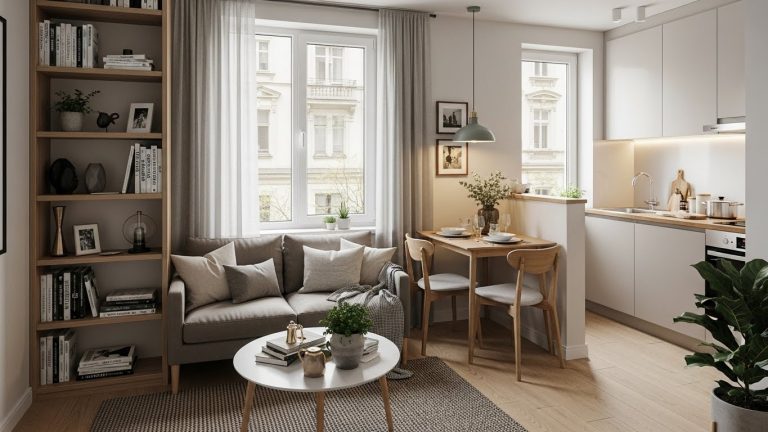
How to Maximize Storage in Small Apartments
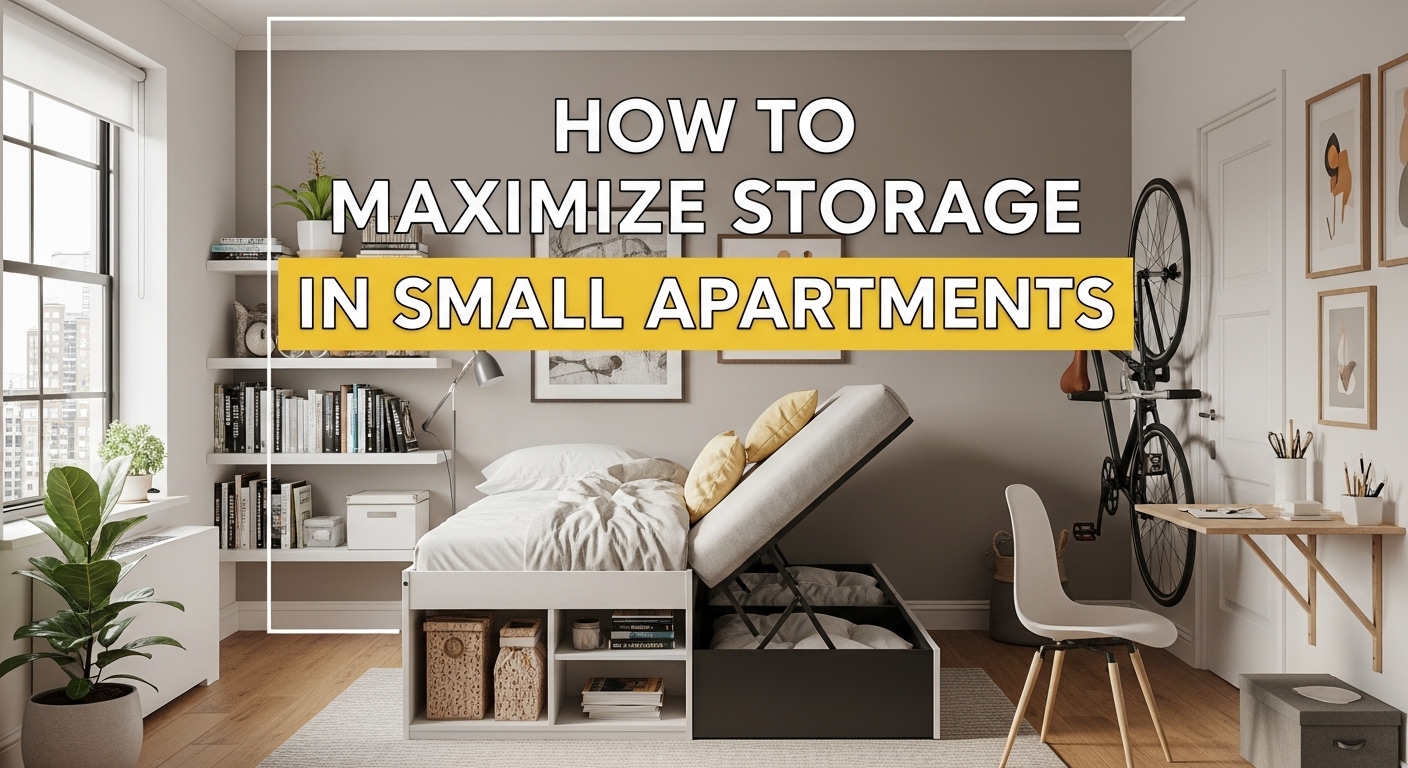
Living in a small apartment has its charm—intimacy, lower cost, often better location—but storage is one of the biggest challenges. When space is limited, disorganization can make things feel even smaller. Smart storage solutions don’t just declutter; they improve usability, comfort, and even mental clarity. By learning tricks for maximizing storage—both visible and hidden—you can make a modest apartment feel functional and spacious. This article explores the science and design strategies behind storage maximization, practical tips, and inspiring ideas.
Why Storage Matters: The Science & Psychology
Good storage contributes to more than just physical organization. Psychologically, clutter has been shown to increase anxiety and reduce concentration. A 2019 study found that people in cluttered homes reported higher stress and reduced ability to focus. Well-organized surroundings help reduce decision fatigue, making everyday tasks smoother.
A spatial layout study reveals that when items are easy to find and stored out of sight, time spent tidying drops sharply, improving satisfaction with one’s home. Also, well-planned storage can improve perceived space: open sight-lines, fewer visual interruptions, and fewer items at eye-level create an impression of roominess even in tight quarters.
Architectural behavior research supports vertical storage and multifunctional furniture: using walls, ceiling height, and furniture with dual purposes increases usable volume without increasing footprint.
Key Principles for Maximizing Storage
- Use vertical space: Think up, not just out. Walls, high shelves, over-doors, and tall cabinets help.
- Hidden or dual-purpose storage: Furniture that hides storage (beds with drawers, ottomans, benches) keeps rooms tidy and visually calm.
- Declutter regularly: Fewer items = less required storage and more space.
- Make every space count: Under-bed, above doors, corners, behind furniture—these are often unused but valuable.
- Modular & flexible solutions: Systems that adapt to changing needs are better long term. Adjustable shelves, stackable bins, foldable furniture are useful.
Practical Storage Solutions
Vertical Storage & Wall Solutions
Use floating shelves above the bed, TV, desk, or doors. Install tall cabinets, floor-to-ceiling shelving units, or narrow racks to draw the eye upward and reclaim wall height. Over the door organizers can store shoes or cleaning supplies. Hooks or pegboards on walls or inside cabinets free up drawer and counter space. Coohom notes that vertical storage, including modular wall units and shallow shelves above closet doors, can increase storage capacity by a significant margin. Coohom
Multifunctional Furniture
Furniture that serves dual roles is key. Storage ottomans, benches with lift-up tops, sofas with hidden compartments, platform beds with built-in drawers, fold-down tables, or Murphy beds are examples. Houz Design highlights lift-up coffee tables, platform beds with drawers, fold-down desks, and storage benches as particularly helpful in small homes. Houz Design
Hidden & Underused Spaces
Never underestimate the area under your bed, behind sofas, or above high cabinets. Use storage bins, vacuum-sealed bags, or rolling drawers under beds. Roll-out drawers or trays under kitchen units or inside cabinets make use of corners and deep spaces. Even the space above your fridge, cabinets or doors can be used for lighter, less frequently used items. 积玉工作室+2Coohom+2
Closet & Wardrobe Optimization
Closet doors can be used for extra storage (over-the-door hooks, organizers). Shelves inside closets should be extended vertically; shelf dividers and stacking bins help. Use spacing wisely: hang clothes by frequency of use (everyday at easy-reach height, seasonal at top). Drawers can be divided for small items. SelfStorage advice emphasizes devising zones: what you reach every day should be easiest to access. SelfStorage.com Moving Blog+1
Kitchen and Bathroom Hacks
Kitchens and bathrooms often have small drawers or tight cupboards. Use magnetic strips, hanging racks, under-sink organizers, slim rolling carts between fixtures. Wall-mounted baskets and shelves keep counters clear. Adhesive hooks or rails help for utensils, towels, or cleaning tools. Coohom and Ten-Home mention pegboards, hanging storage and compact solutions in plumbing or sink areas. Coohom+1
Furniture Choice & Layout Decisions
Choose furniture with storage built in; avoid bulky pieces with deep profiles that take up floor space. Narrow but tall furniture is often better than wide but low. Make sure pathways are clear so furniture doesn’t block movement. If possible, raise furniture a bit off the floor so small items can slide underneath. Folding chairs/tables can be stored when not in use. RentCafe+1
Real Examples & Case Studies
One example: a studio apartment converted a small laundry or utility area with floor-to-ceiling modular storage, including wall-mounted shelves above appliances and a narrow rolling cart tucked beside them. This increased usable space without expanding the footprint. Real Simple
Another: using under-bed storage baskets made of woven materials (seagrass, canvas) to hide away bedding or off-season clothes, keeping bedrooms or living rooms tidy. Homes and Gardens
Video Resource
Here’s a YouTube video with many creative, visual before-and-after examples that show how small apartments can be transformed using storage hacks:
SMALL SPACE ORGANIZATION + STORAGE IDEAS | SPACE SAVING HACKS YouTube
References
- “Small Space Storage Ideas: 10 Ways to Store When You Have No Space”, Homes and Gardens. Homes and Gardens
- “Small Apartment Storage Solutions: Maximize Every Inch of Space”, Coohom. Coohom
- “Smart Storage & Space-Saving Ideas for Small Homes”, Houz Design. Houz Design
- “9 Space-Saving Ideas for Small Spaces”, KunstLoft Magazine. KunstLoft
- “9 Big Ideas for Small Apartment Organization”, Cort Furniture Rental Blog. CORT Furniture Rental Blog
Conclusion
Maximizing storage in small apartments is about creativity, prioritization, and making the most of all space—especially vertical and hidden areas. Multifunctional furniture, smart layout, decluttering, and using modular or flexible storage allow even very compact homes to feel organized and roomy. With thoughtful design and clever habits, storage becomes less of a limitation and more of an opportunity for functional and beautiful living.