How Did I Design My Backyard for Entertaining!
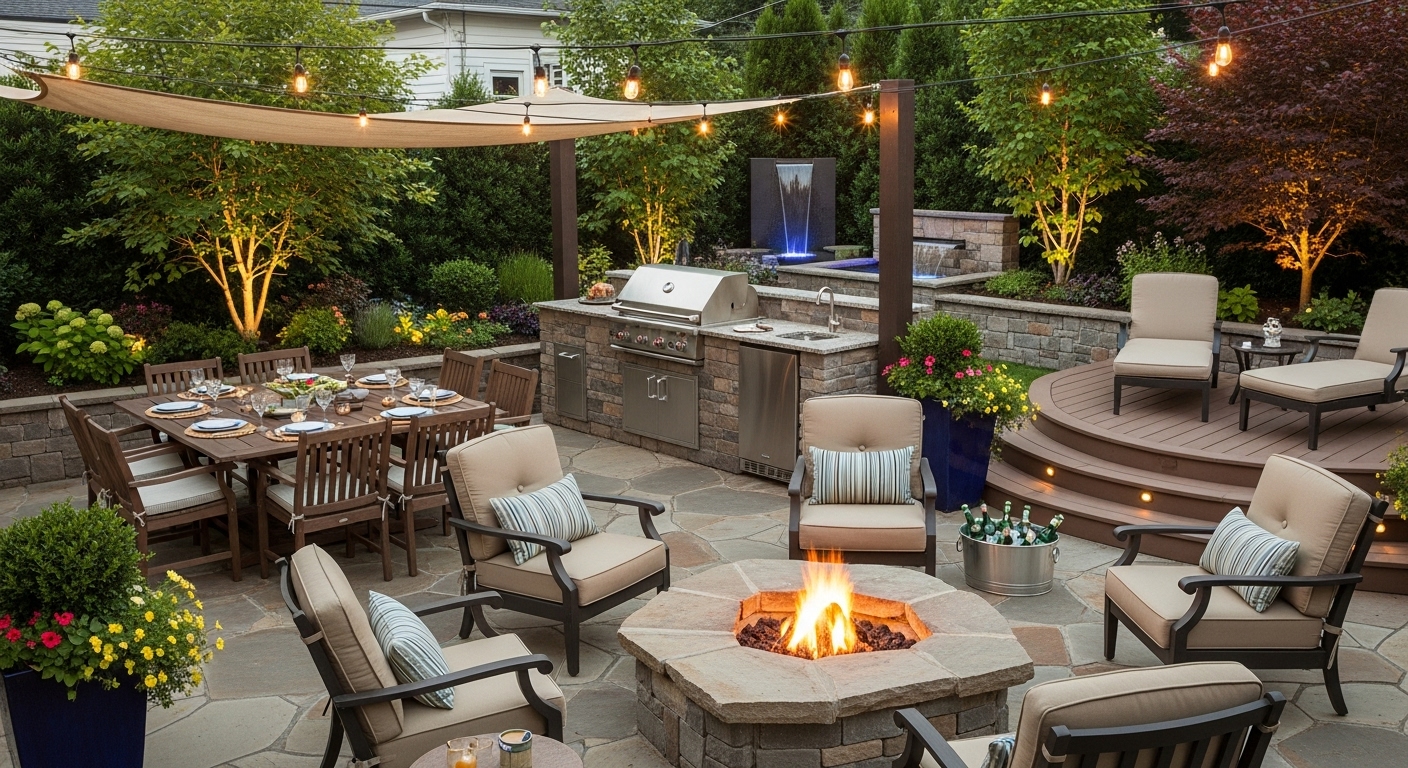
The backyard has evolved from a simple patch of grass into one of the most important living spaces in a modern home. For many homeowners, it’s not just a place for gardening or relaxation—it’s a stage for hosting barbecues, birthday parties, and evening gatherings. Designing a backyard for entertaining requires more than just outdoor furniture. It’s about creating a functional, inviting, and flexible space that accommodates different activities while remaining visually appealing.
When I set out to design my backyard for entertaining, I had to consider space, lighting, comfort, safety, and flow. The result was a multipurpose outdoor retreat that works for everything from casual family dinners to larger parties with friends. This guide explains the principles, decisions, and steps I took—so you can apply them to your own backyard.
Step 1: Assessing the Space
Before planning, I evaluated:
- Size of the yard: Dimensions determined how many people I could host comfortably.
- Sunlight and shade: Areas with direct afternoon sun needed coverage, while shaded corners worked for lounging.
- Existing features: Trees, fences, and slope of the ground influenced layout choices.
Backyard Area = Length × Width
Entertaining Capacity = (Usable Square Feet ÷ 10)
Example: A 500 sq. ft. yard can comfortably host ~50 people in a standing, mixed-use event.
Step 2: Defining Entertaining Zones
A successful entertaining backyard isn’t one big open area—it’s divided into zones.
Dining Area
- Placed close to the house for easy kitchen access.
- Outdoor dining table with weatherproof seating.
- String lights overhead to define the space.
Lounge Area
- Comfortable seating with outdoor sofas and fire pit.
- Positioned to capture evening breezes.
Cooking/Grilling Station
- Built-in barbecue near the dining area.
- Storage for utensils and counter space for prep.
Activity/Play Zone
- Open lawn section for games or children.
- Flexible use: cornhole, soccer, or a projection screen for movie nights.
Step 3: Planning for Flow
Flow means guests can move easily without crowding.
- Pathways left at least 3–4 ft wide.
- Furniture arranged to avoid dead ends.
- Lighting installed along walkways to guide movement at night.
Step 4: Seating Arrangements
Seating was one of the most important elements:
- Conversation clusters: Small groups of chairs encourage mingling.
- Movable seating: Benches and stools can be shifted based on event size.
- Built-in seating: Low walls around the fire pit doubled as seating.
Comparison Table: Types of Outdoor Seating
| Seating Type | Pros | Cons | Best Use |
|---|---|---|---|
| Outdoor Sofas | Comfortable, stylish | Bulky, expensive | Lounge zones |
| Dining Chairs | Formal, functional | Not flexible | Meal areas |
| Benches | Space-efficient | Less comfortable | Perimeter seating |
| Stools | Portable, versatile | Limited back support | Bar areas |
Step 5: Lighting for Ambiance and Safety
Lighting creates atmosphere and extends usability into the night.
- String lights: Warm glow over dining and lounge areas.
- Pathway lights: Solar or low-voltage for safety.
- Spotlights: Highlighted trees and garden features.
- Fire pit: Natural focal point and source of warmth.
Imagine a bar chart showing lighting effectiveness:
- String lights: 40% ambiance
- Pathway lights: 25% safety
- Spotlights: 20% aesthetics
- Fire pit: 15% atmosphere
Step 6: Shade and Weather Protection
To make the space usable year-round:
- Pergola over dining table.
- Retractable awning near lounge area.
- Portable umbrellas for flexible coverage.
Step 7: Landscaping for Entertainment
- Low-maintenance plants kept upkeep simple.
- Evergreen shrubs for privacy from neighbors.
- Raised beds near seating added greenery without taking floor space.
Step 8: Adding Entertainment Features
- Bluetooth speakers for music.
- Outdoor projector for movie nights.
- Fire pit for marshmallow roasting.
- Small water fountain for calming background sound.
Step 9: Safety Considerations
- Non-slip pavers on walkways.
- Covered electrical outlets for lighting and speakers.
- Fire-resistant surfaces around grill and fire pit.
Step 10: Sustainability in Design
I wanted a space that was eco-friendly as well as enjoyable:
- Solar lighting reduced energy use.
- Rainwater collection system watered plants.
- Native plants reduced irrigation needs.
Statistics: Why Outdoor Entertaining Spaces Matter
- According to the National Association of Realtors, 74% of homeowners value outdoor living spaces as highly as indoor ones.
- The American Society of Landscape Architects found that outdoor kitchens and dining areas rank among the top 3 requested features.
- Homes with well-designed backyards can increase resale value by 8–12%.
Pseudo-Code: Guest Capacity Planning
function guestCapacity(areaSqFt, seatingZones):
    standingCapacity = areaSqFt ÷ 10
    seatedCapacity = seatingZones × 4
    return standingCapacity + seatedCapacity
This ensures enough room for both mingling and seated dining.
Case Study: A Backyard Before and After
Before: A plain grass yard with one small patio.
After: Zones for dining, lounging, cooking, and games. String lights overhead, pergola for shade, and fire pit as focal point. Result: hosting capacity increased from 10 to 40 guests comfortably.
Conclusion
Designing my backyard for entertaining required balancing style, comfort, and practicality. By dividing the space into zones, arranging furniture for flow, adding lighting for both ambiance and safety, and incorporating sustainable features, I transformed an ordinary backyard into an inviting hub for gatherings.
Whether your yard is large or small, the same principles apply: plan for movement, provide flexible seating, and design with comfort in mind. With thoughtful layout choices, any backyard can become the perfect stage for memorable events with family and friends.