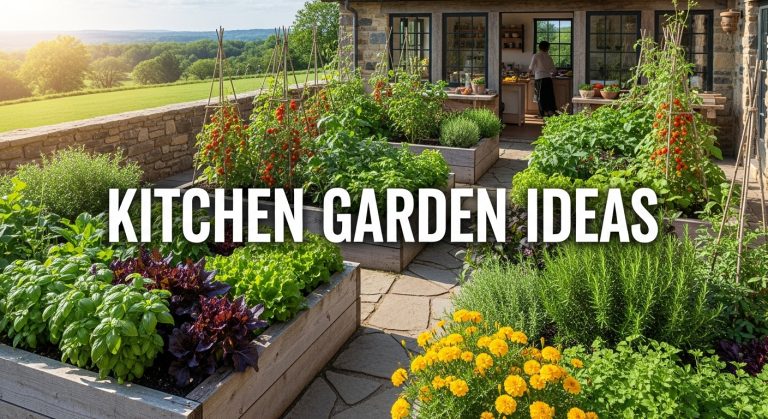
Essential Herbs for Your Kitchen Garden

A kitchen garden is a small patch of land where you can grow your own herbs, vegetables, and fruits right at home. It’s a fantastic way to enjoy fresh produce while saving money and adding a personal touch to your meals. Plus, there’s something really satisfying about picking your own ingredients and watching them thrive with a bit of care and attention.
Organic Pest Control Methods
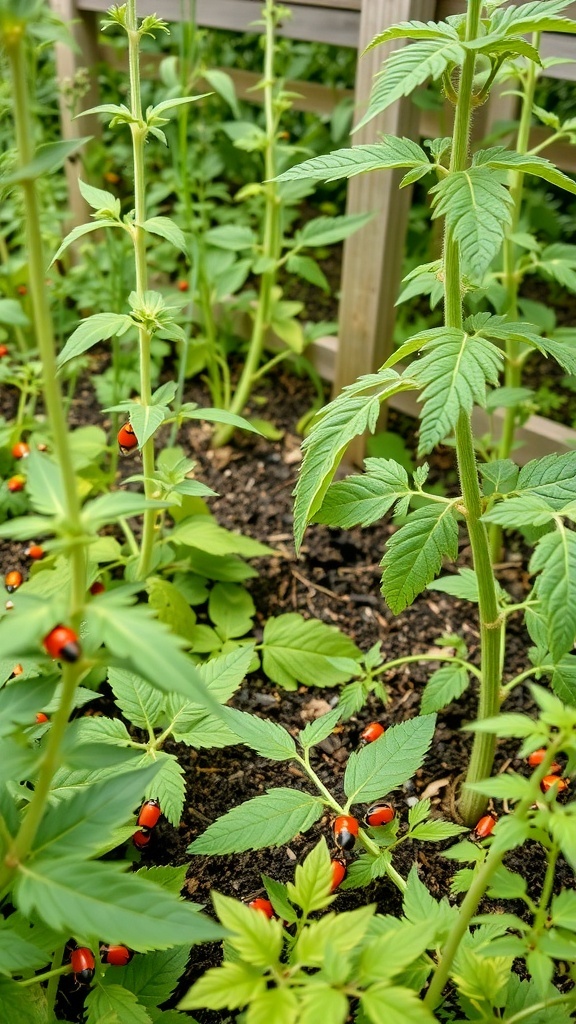
In a thriving kitchen garden, keeping pests at bay is key to enjoying fresh produce. The image shows vibrant plants with ladybugs, which are natural pest controllers. These little critters feast on aphids and other harmful insects, making them a gardener’s best friend.
Using organic methods for pest control helps maintain a healthy garden ecosystem. Instead of harsh chemicals, consider introducing beneficial insects like ladybugs and lacewings. They can significantly reduce pest populations without harming your plants.
Another effective method is companion planting. Pairing certain plants can deter pests naturally. For example, planting marigolds alongside vegetables can repel nematodes and other unwanted insects.
Homemade sprays, such as a mixture of soap and water, can also be useful. Spraying this solution on affected plants can help manage pest issues without damaging the environment.
Regularly inspecting your plants is essential. Catching pest problems early can prevent larger infestations. A quick check can save your garden from significant damage.
Maintaining Soil Health in Your Garden
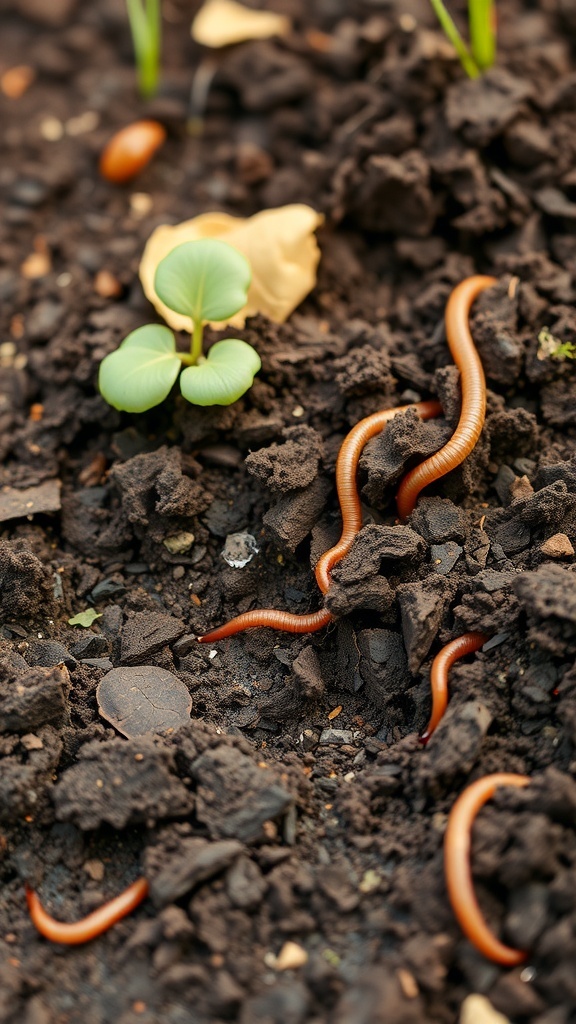
Healthy soil is the foundation of a thriving kitchen garden. In the image, you can see rich, dark soil teeming with life. The presence of earthworms is a good sign. These little creatures play a big role in aerating the soil and breaking down organic matter.
Alongside the earthworms, there’s a small green plant sprouting. This indicates that your soil is not just alive but also capable of supporting new growth. Keeping your soil healthy means ensuring it has the right balance of nutrients, moisture, and organic matter.
To maintain soil health, consider adding compost regularly. Compost enriches the soil and provides essential nutrients for your plants. Also, avoid using chemical fertilizers that can harm beneficial organisms like earthworms.
Mulching is another great practice. It helps retain moisture and suppress weeds, making it easier for your plants to thrive. Remember, a healthy garden starts with healthy soil!
Vegetables Perfect for Small Spaces
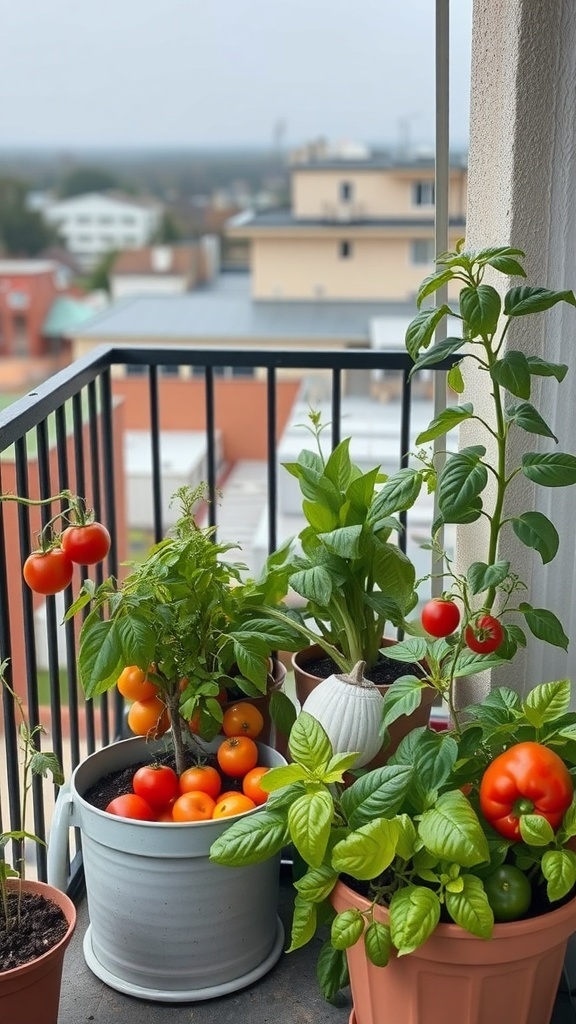
Creating a kitchen garden in a small space can be a rewarding experience. The image shows a vibrant collection of potted vegetables on a balcony. You can see tomatoes in various stages of ripeness, along with lush green leaves of other plants. This setup is perfect for anyone looking to grow their own food without needing a large yard.
Tomatoes are a fantastic choice for small gardens. They thrive in pots and can produce a bountiful harvest. Look for compact varieties like ‘Patio Princess’ or ‘Tiny Tim’ that fit well in limited spaces. Basil is another great option. It pairs beautifully with tomatoes and adds flavor to many dishes.
Peppers, both sweet and spicy, also do well in containers. They don’t require much room and can add color to your garden. Consider growing herbs like parsley and cilantro, which can be used fresh in your meals. These plants are easy to care for and can thrive in smaller pots.
With a little planning, you can enjoy fresh vegetables right from your balcony. Just make sure to provide enough sunlight and water for your plants to flourish. A small kitchen garden can bring joy and flavor to your cooking!
Home Herbs Gallery

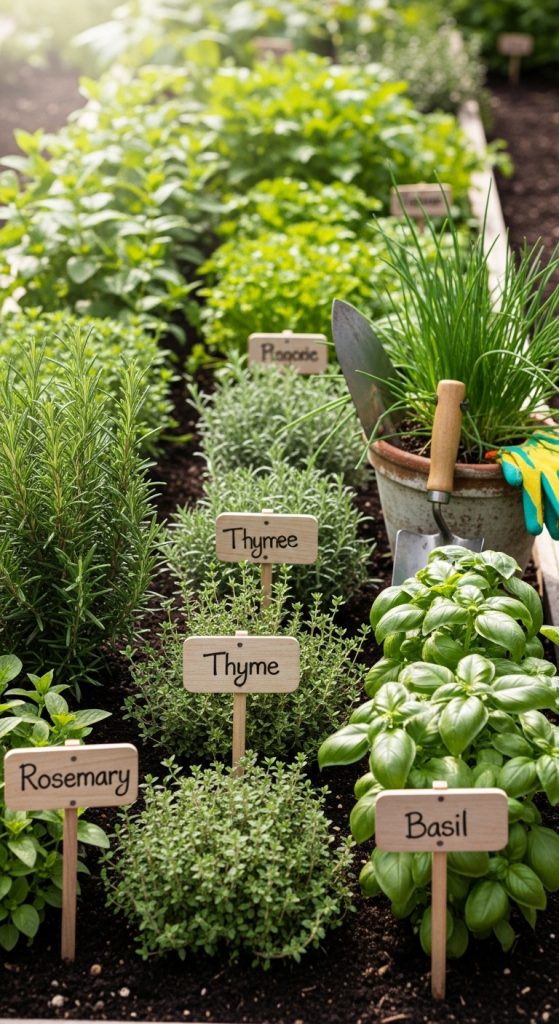


Choosing the Right Location for Your Kitchen Garden
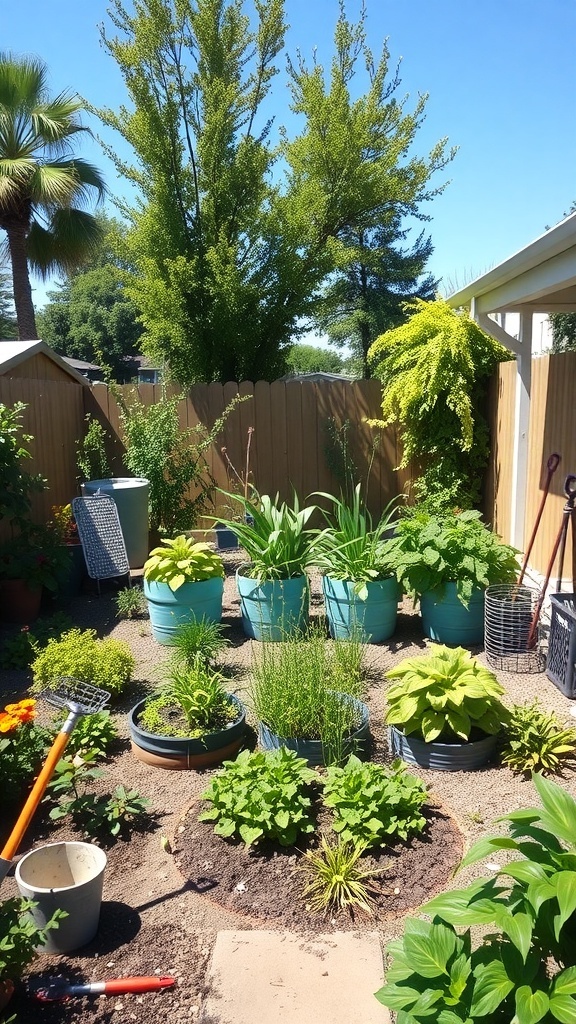
Finding the perfect spot for your kitchen garden is key to growing healthy plants. The image shows a vibrant garden filled with various pots and plants, thriving under the sun. This setup highlights how a well-chosen location can make all the difference.
First, look for an area that gets plenty of sunlight. Most vegetables and herbs need at least six hours of direct sunlight each day. The bright, sunny scene in the image suggests that this garden is in a great spot for growth.
Next, consider accessibility. You want to be able to reach your plants easily for watering and harvesting. The layout in the photo shows a neat arrangement, making it simple to tend to each plant. A clear pathway can help you navigate your garden without stepping on the soil.
Drainage is another important factor. Plants don’t like sitting in water, so choose a location that drains well. The garden in the image appears to have good drainage, as the soil looks loose and healthy. Raised beds or pots can also help with this.
Lastly, think about protection from wind and pests. A fence or natural barriers, like trees, can shield your plants from harsh winds and unwanted visitors. The surrounding greenery in the image provides a nice buffer, helping to create a safe space for your kitchen garden.
Harvesting Techniques for Maximum Yield
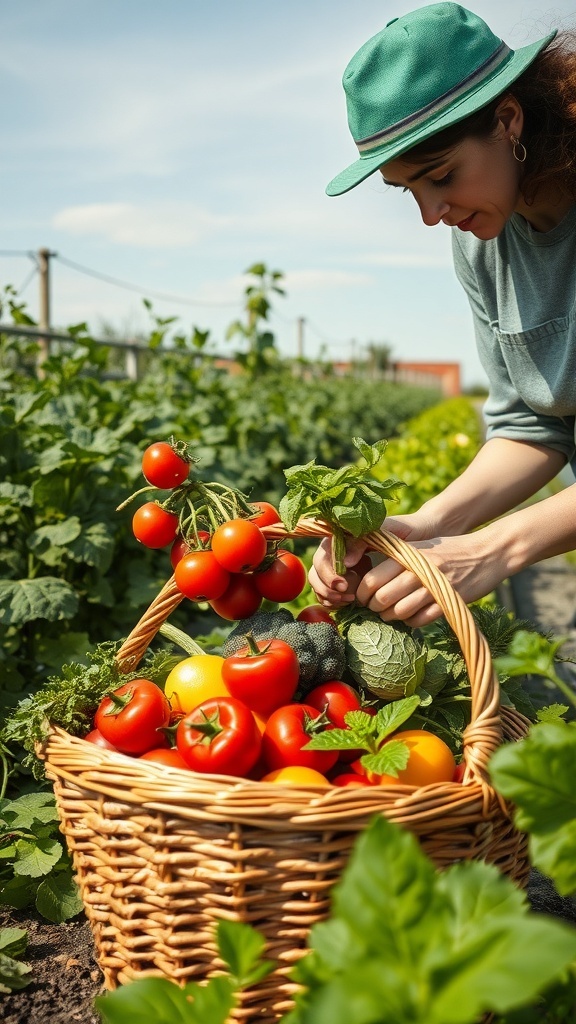
Harvesting your kitchen garden is one of the most rewarding parts of gardening. The image shows a person carefully picking ripe tomatoes and other vegetables, showcasing the joy of gathering fresh produce. Using the right techniques can make a big difference in your yield.
First, timing is key. Harvesting vegetables at their peak ripeness ensures the best flavor and texture. For tomatoes, look for vibrant color and slight softness. Picking them at the right moment can lead to a bountiful harvest.
Next, use the right tools. A simple basket, like the one in the image, is perfect for collecting your veggies. It’s gentle on the produce and allows you to carry a good amount at once. Make sure to handle the vegetables with care to avoid bruising.
Don’t forget to check for pests or diseases while harvesting. Keeping an eye out for any issues can help maintain the health of your garden. If you spot any problems, address them quickly to protect your plants.
Finally, enjoy the fruits of your labor! Freshly harvested vegetables can be used in countless recipes. Whether you’re making a salad or a hearty stew, there’s nothing like homegrown produce to elevate your meals.
Essential Herbs for Culinary Use
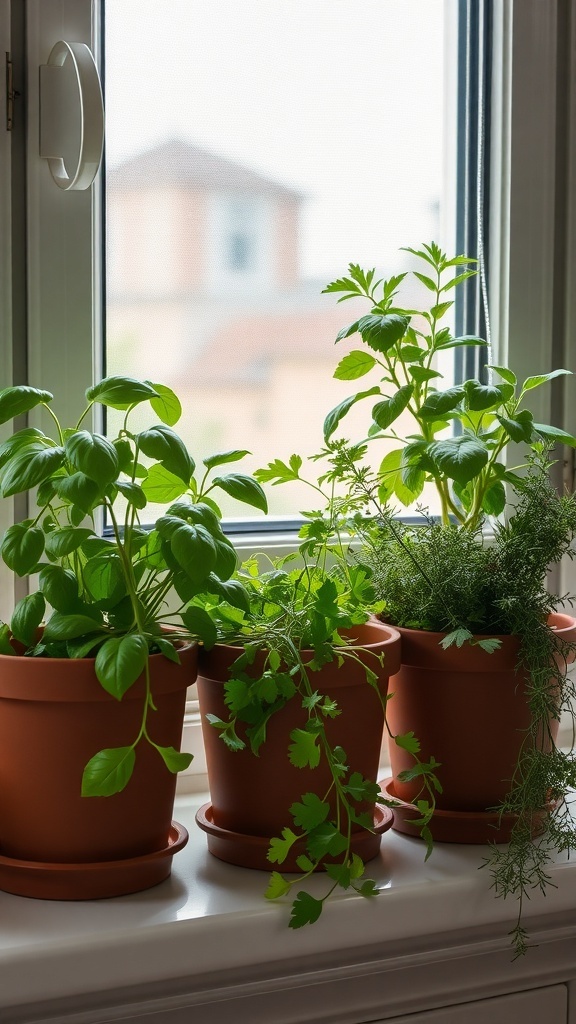
Having a kitchen garden is a fantastic way to bring fresh flavors to your meals. The image shows a sunny windowsill adorned with vibrant herb pots. Each pot holds a different herb, ready to be snipped and added to your favorite dishes.
Basil is one of the most popular herbs, known for its sweet and slightly peppery flavor. It’s perfect for Italian dishes, especially pesto and pasta sauces. Next to it, cilantro offers a fresh, citrusy taste that brightens up salsas and salads.
On the right, you might spot dill, which has a unique, tangy flavor. It pairs wonderfully with fish and pickles. Growing these herbs not only enhances your cooking but also adds a touch of greenery to your kitchen.
Using fresh herbs can elevate any dish. Just a few leaves can make a simple meal feel special. So, if you have space, consider starting your own herb garden. It’s rewarding and delicious!
Companion Planting for Healthier Crops
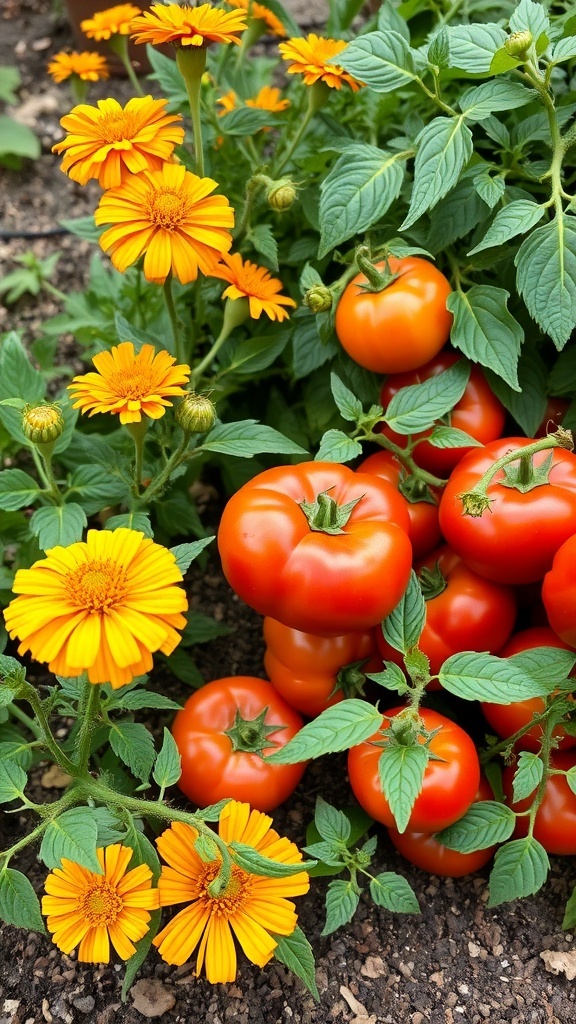
Companion planting is a fun and effective way to boost your garden’s health. In the image, we see vibrant orange flowers growing alongside plump red tomatoes. This combination is not just visually appealing; it also serves a purpose.
The bright flowers, likely marigolds, attract beneficial insects. These insects help control pests that might harm the tomatoes. By planting these two together, you create a natural balance in your garden.
Tomatoes thrive when they have companions that support their growth. The flowers can also enhance the soil’s nutrients, making it richer for the tomatoes. This method of planting can lead to a more fruitful harvest.
So, if you’re looking to improve your kitchen garden, consider adding some flowers next to your vegetables. It’s a simple step that can make a big difference!
Seasonal Planting Guide for Success
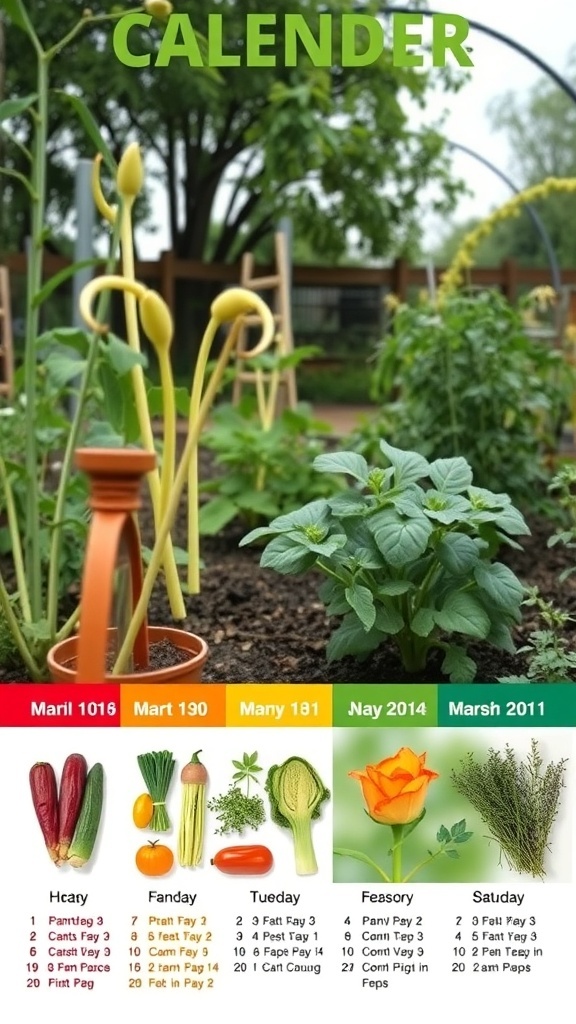
Creating a kitchen garden can be a rewarding experience. The image shows a vibrant garden with various plants, hinting at the joy of growing your own food. Seasonal planting is key to a thriving garden.
In spring, consider planting fast-growing vegetables like radishes and lettuce. These can be harvested quickly, giving you a sense of accomplishment. As the weather warms, you can add tomatoes and peppers, which thrive in the summer sun.
Fall is the perfect time for root vegetables like carrots and beets. They can be left in the ground until you’re ready to enjoy them. The calendar in the image suggests specific planting days, making it easier to plan your garden.
Don’t forget to rotate your crops each season. This helps maintain soil health and reduces pests. Keep an eye on your plants, and enjoy the process of nurturing them from seeds to harvest!
Preserving Your Harvest for Year-Round Enjoyment
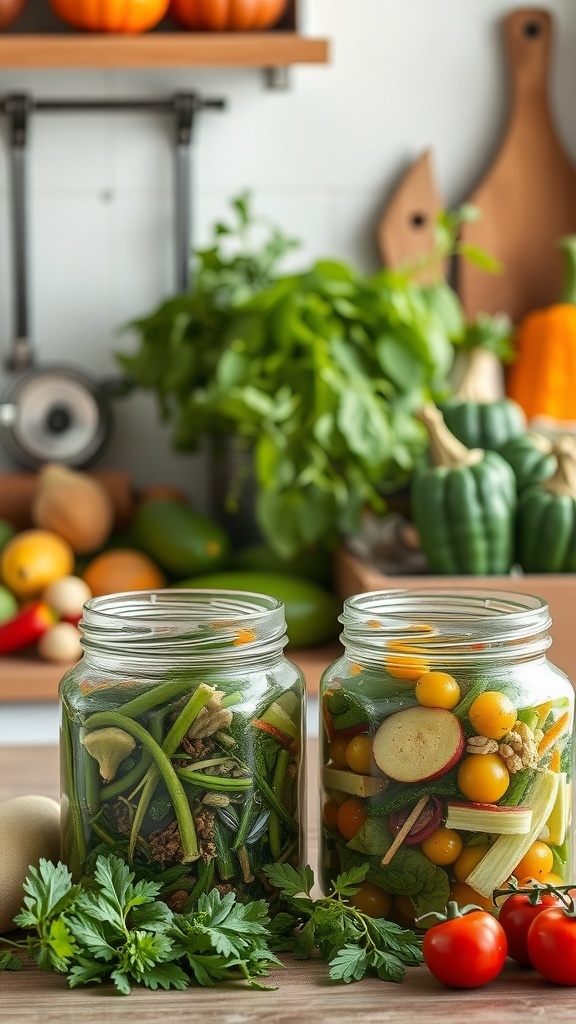
After a fruitful season in your kitchen garden, it’s time to think about how to keep that bounty fresh for months to come. The image shows jars filled with vibrant vegetables, ready for preservation. This is a great way to enjoy your homegrown produce long after the growing season ends.
One popular method is pickling. You can use cucumbers, carrots, or even green beans. Start by washing your vegetables and cutting them into desired shapes. Prepare a brine with vinegar, water, salt, and your favorite spices. Pour the hot brine over the veggies in jars, seal them, and let them cool. Store in the fridge or a cool, dark place.
Another option is to freeze your harvest. Wash and chop your vegetables, then blanch them briefly in boiling water. This helps preserve their color and texture. After cooling them in ice water, pack them into freezer bags, removing as much air as possible before sealing. This way, you can enjoy your garden’s flavors all winter.
Don’t forget about drying! Herbs like basil and parsley can be hung in a dry place until they crumble easily. Store them in airtight containers for a fresh addition to your meals. Whatever method you choose, preserving your harvest is a fun way to savor the fruits of your labor throughout the year.
Creating a Watering Schedule for Your Plants
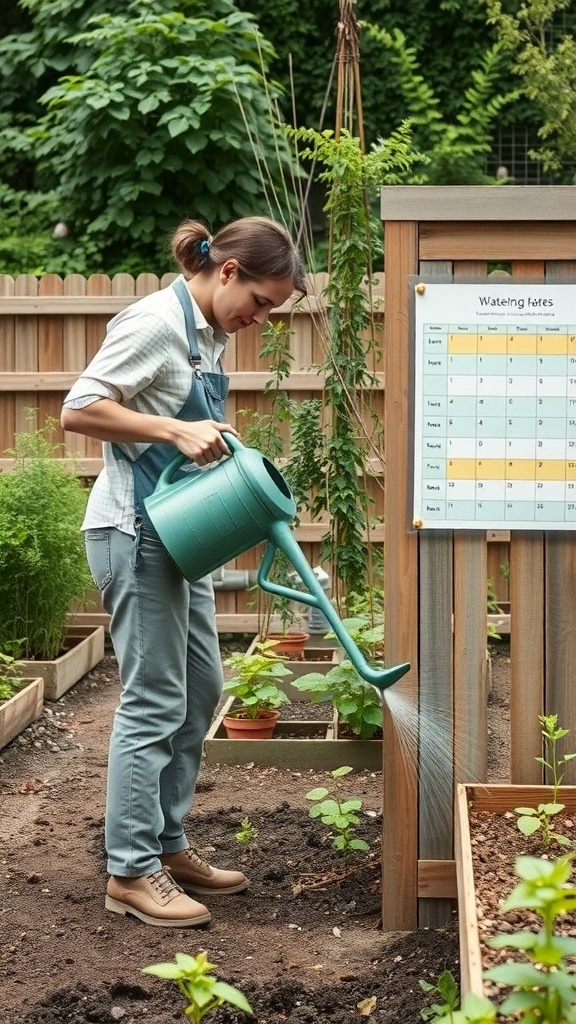
In a kitchen garden, keeping your plants healthy is key, and a watering schedule can make a big difference. The image shows someone watering their garden with a green watering can, which is a great way to ensure each plant gets the right amount of moisture.
When creating a watering schedule, consider the type of plants you have. Some may need more water than others. For example, leafy greens often require more frequent watering compared to herbs. Check the soil moisture regularly to see if your plants are thirsty.
Using a chart, like the one in the image, can help you keep track of when to water each type of plant. You can mark the days and adjust based on the weather. If it rains, you might skip a day or two. Keeping it flexible is important.
Watering in the early morning or late afternoon is usually best. This helps reduce evaporation and ensures the water reaches the roots. So grab your watering can and enjoy tending to your kitchen garden!